Remodeling Without a Permit: Risks and Consequences
28 August 2026
Thinking about skipping the permit for your next home remodel? It might seem like a way to save time and money, but cutting corners can lead to major headaches. Building permits exist for a reason—they ensure that work is done safely and up to code. Ignoring this crucial step can have serious legal, financial, and even safety implications.
Let’s dive into the risks and consequences of remodeling without a permit, so you can make an informed decision before swinging that sledgehammer.
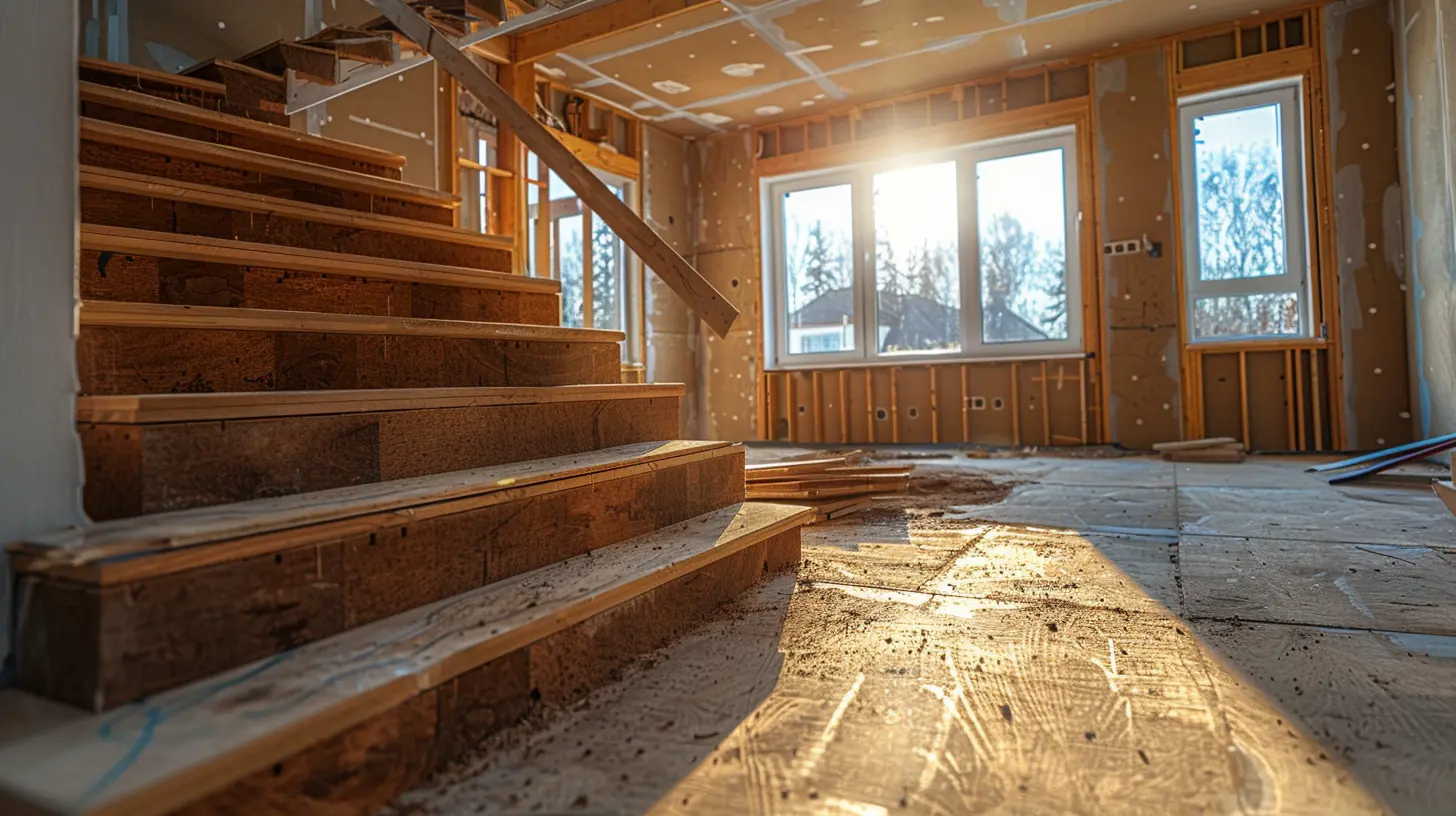
What Is a Building Permit and Why Does It Matter?
A building permit is an official approval from your local government that allows you to proceed with a construction or remodeling project. It's a way to ensure that renovations meet safety regulations, zoning laws, and building codes.Permits cover a range of projects, including:
- Structural changes (removing/adding walls, room additions)
- Electrical work
- Plumbing modifications
- HVAC system installations
- Major renovations like kitchen or bathroom remodels
Skipping permits might seem tempting, especially if you’re working on your own home, but the risks far outweigh any short-term convenience or savings.

Risks of Remodeling Without a Permit
1. Legal Troubles and Fines
Most areas have strict rules regarding construction, and failing to obtain a permit can lead to hefty fines. If local inspectors find out about unpermitted work—whether through a neighbor’s complaint or routine property checks—you could be hit with penalties. In some cases, the city can even halt your project until you obtain the necessary permits, costing you both time and money.2. Problems Selling Your Home
Trying to sell a home with unpermitted work? Good luck. Homebuyers will likely ask for proof of permits during the transaction. If you can’t provide them, it raises red flags, lowers your home’s value, and might even cost you the sale altogether.Many lenders and insurance companies won’t back a property with unpermitted renovations, leaving potential buyers unable to secure financing. It’s like trying to sell a car without a title—most people won’t take the risk.
3. Insurance May Not Cover Damages
Picture this: You add a new electrical system without a permit, and later, an electrical fire breaks out. Your homeowner’s insurance may refuse to cover the damages because the work was done outside of legal requirements. That means you’re on the hook for repairs—and potentially a total loss if the damage is severe.Insurance companies rely on permits to verify that renovations meet safety codes. Without one, they have a perfect excuse to deny your claim.
4. Unsafe Living Conditions
Let’s be real—building codes exist for a reason. They help ensure structures are safe, reducing the risk of electrical fires, plumbing disasters, and structural failures. When you bypass permits, you’re also avoiding professional inspections that catch potential hazards before they become life-threatening.For example, an improperly installed gas line could lead to a leak, creating a serious fire or explosion risk. Faulty wiring? That’s a disaster waiting to happen. Permits protect homeowners, not just by ensuring legality but by keeping your home and family safe.
5. Forced Removal of Unpermitted Work
If an inspector or local authority discovers your unpermitted remodel, they can require you to remove or redo the work—at your expense. Imagine spending thousands on a beautiful new bathroom, only to be told you have to tear it all down because it wasn’t approved.In some cases, you may be required to bring the work up to code, which often costs more than simply obtaining a permit from the start.
6. Increased Property Taxes
Believe it or not, unpermitted work can sometimes lead to higher property taxes. If the city finds out about your renovations (which can happen when you apply for permits retroactively or list your home for sale), they may reassess your property’s value and raise your tax bill accordingly.
When You Might (Legally) Get Away Without a Permit
Not all home projects require permits. Minor repairs or aesthetic upgrades—like painting, flooring replacement, or simple landscaping—usually don’t need approval. However, the rules vary by location, so check with your local building department just to be sure.Here are some improvements that often don’t require a permit:
- Painting walls or cabinets
- Installing new countertops
- Replacing carpets or flooring
- Minor repairs (fixing a leaky faucet, patching drywall)
If your project involves anything structural, electrical, plumbing, or HVAC-related, assume you’ll need a permit.
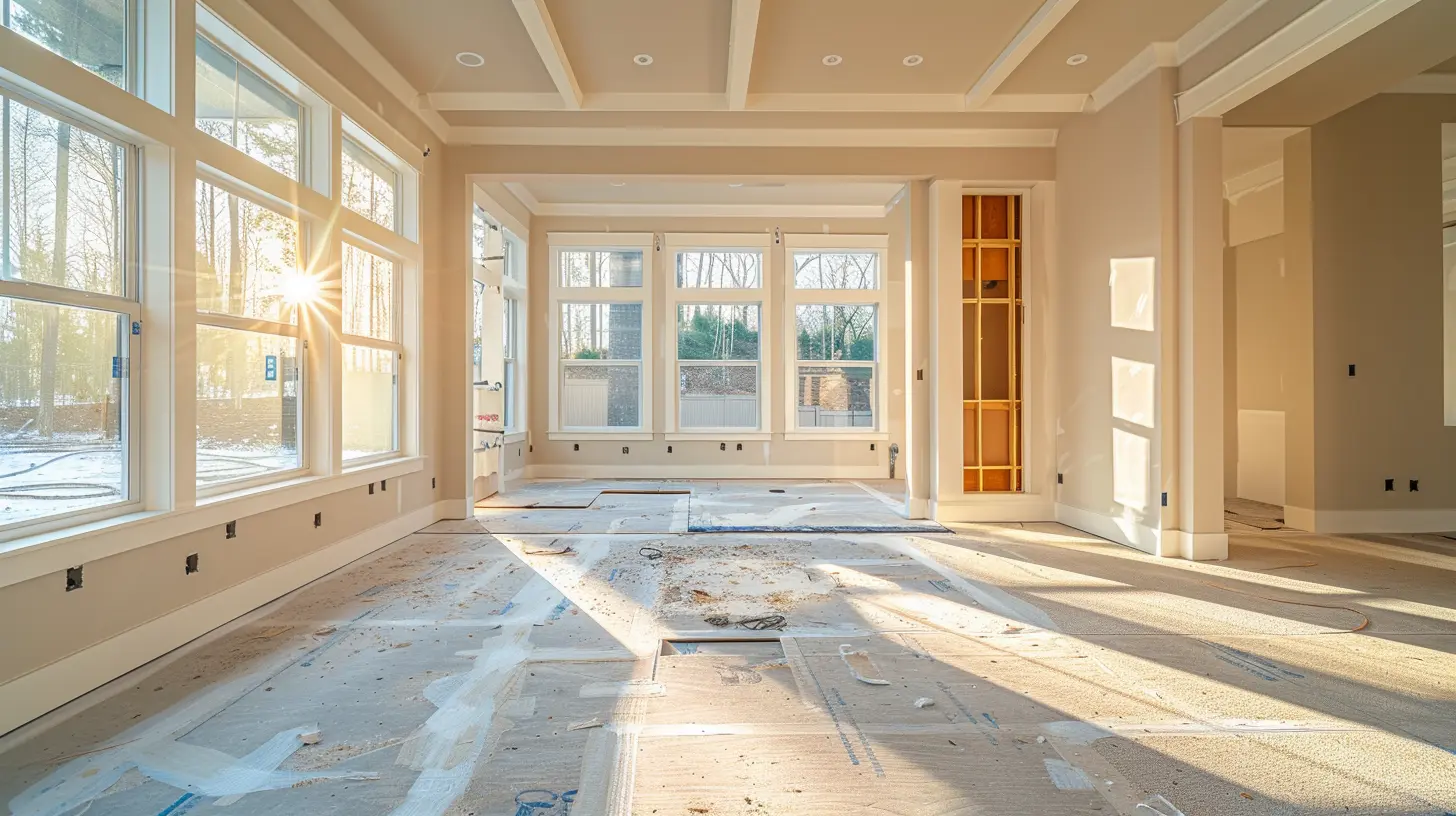
What to Do If You Already Renovated Without a Permit
Uh-oh. You’ve realized your past remodel should’ve had a permit—now what?Option 1: Get a Retroactive Permit
Many municipalities allow homeowners to apply for a permit after the fact. This usually involves hiring a licensed contractor to inspect the work and ensure it meets current codes. While this can be pricey, it’s often better than facing legal trouble or problems selling your home later.Option 2: Disclose It When Selling
If you’re planning to sell your home, honesty is the best policy. Some buyers may be open to accepting unpermitted work, especially if it’s minor. However, be prepared for price negotiations or even required retroactive permitting before closing the deal.Option 3: Remove or Redo the Work
In extreme cases, if your unpermitted work doesn’t comply with safety standards, you may need to remove or redo it properly. This is usually required when an inspector deems the work unsafe or significantly out of code.The Bottom Line
Skipping a building permit might seem like an easy way to save time and money, but it’s a gamble with serious risks. From legal fines to insurance nightmares and decreased property value, unpermitted remodeling often causes more trouble than it’s worth.Before starting your next home improvement project, take a moment to check if a permit is required. A little paperwork now can save you from big headaches down the road.
all images in this post were generated using AI tools
Category:
Building PermitsAuthor:

Basil Horne
Discussion
rate this article
2 comments
Trixie Bailey
This article highlights important points about remodeling and permits... thank you!
September 10, 2026 at 4:22 AM
Freya McVicker
Risky moves, bad news.
August 29, 2026 at 3:01 AM
Basil Horne
I understand your concern. It's important to weigh the risks before deciding to remodel without a permit.