Is Buying a Fixer Upper in a Hot Market a Good Idea?
4 March 2026
Buying a home is one of the most exciting—and nerve-wracking—decisions you’ll ever make. But what happens when you're searching in a hot market where prices are skyrocketing, and competition is fierce? Enter the world of fixer-uppers: those charming-yet-worn-out homes that offer a more affordable entry point into the real estate game.
But is buying a fixer-upper in a hot market really a good idea? Well, grab your tool belt (and maybe a cup of coffee), because we’re about to break it all down for you! 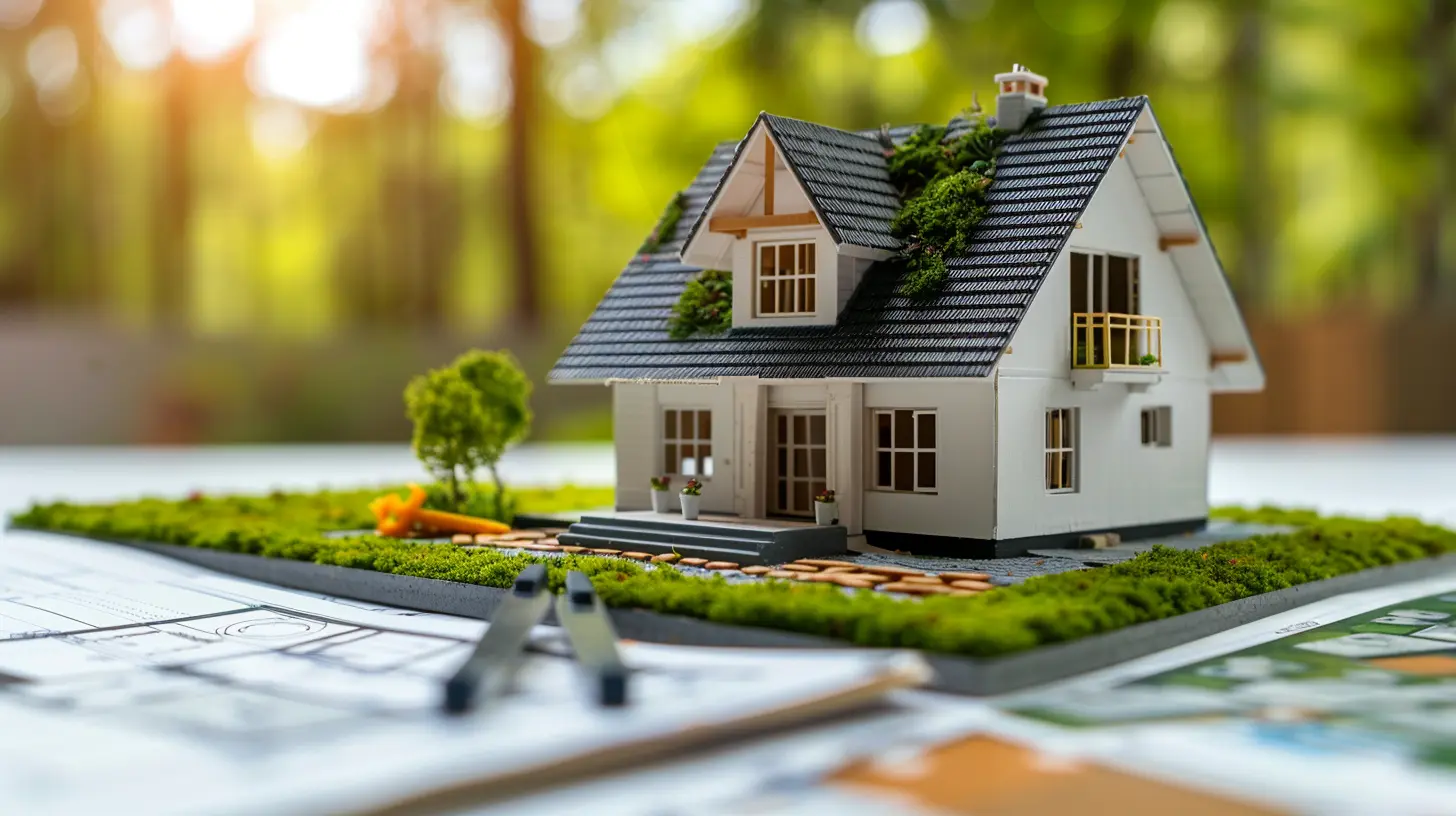
What Exactly Is a Fixer-Upper?
A fixer-upper is a home that needs some TLC—whether a few cosmetic touch-ups or a full-blown renovation. These homes typically come with a lower price tag compared to move-in-ready houses, making them an attractive option for buyers willing to put in some sweat equity.Some may have outdated kitchens, peeling wallpaper, or questionable carpets from the '80s. Others might need more serious work like new plumbing, electrical upgrades, or even structural repairs. Either way, they have potential—you just have to decide if you're up for the challenge! 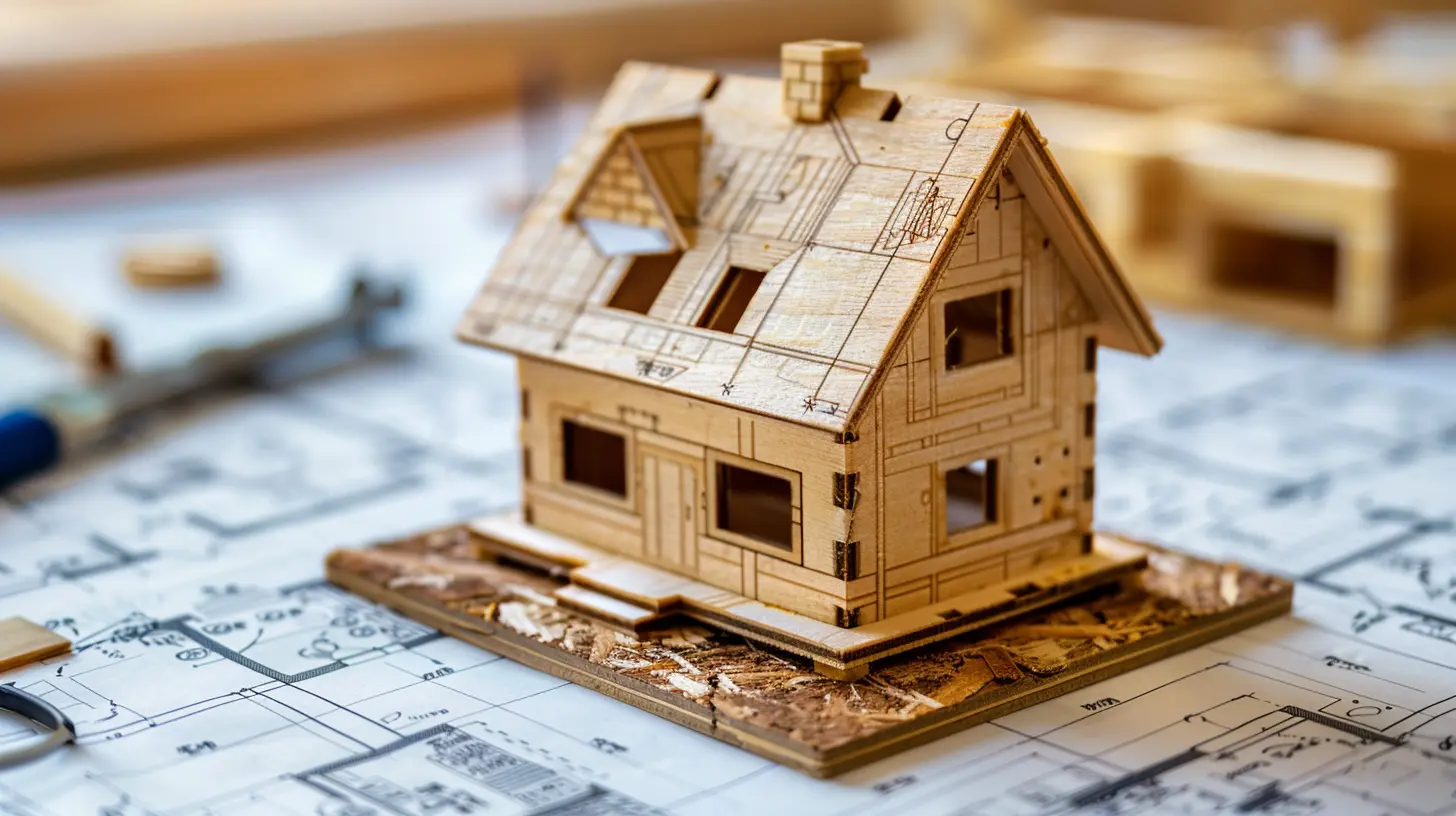
The Appeal of Fixer-Uppers in a Hot Market
Hot markets are characterized by low inventory, high competition, and rising prices. That means move-in-ready homes often get snapped up fast, sometimes selling for well over the asking price. Here’s why many buyers turn to fixer-uppers instead:1. Lower Purchase Price
Since fixer-uppers need work, they’re usually priced below comparable homes in better condition. If you're struggling to find an affordable home in a competitive market, this could be your ticket in.2. Less Competition
While everyone else is fighting over turnkey homes, you might have a better chance of landing a fixer-upper with fewer bids. Not everyone is willing—or able—to take on a renovation project.3. Customization Opportunities
When you buy a fixer-upper, you get to shape it exactly how you want. Want an open floor plan? Knock that wall down. Dreaming of a farmhouse kitchen? Make it happen! Instead of settling for someone else’s design choices, you get to create a home that fits your style and needs.4. Potential for Equity Growth
If you buy smart and make the right improvements, your fixer-upper can appreciate significantly in value. This could mean a solid return on investment when it’s time to sell.
The Challenges of Buying a Fixer-Upper
Of course, it’s not all sunshine and rainbows. Buying a fixer-upper comes with its fair share of hurdles. Here’s what you need to consider before making the leap:1. Renovation Costs Can Add Up
That "affordable" price tag can quickly balloon if you’re not careful. Materials, labor, permits—costs can pile up fast. A fixer-upper might seem like a deal at first, but if you underestimate renovation expenses, you could end up spending more than a move-in-ready home.2. Financing Can Be Tricky
Some lenders are hesitant to finance fixer-uppers, especially if major structural repairs are needed. You might need a special loan, like an FHA 203(k) loan or a renovation loan, to cover both the purchase price and renovation costs.3. It Takes Time and Effort
Renovations don’t happen overnight. Depending on the work needed, you might be dealing with contractors, permits, and delays for months. If you need a place to live ASAP, this might not be the best option.4. Unexpected Problems Can Arise
Even with a thorough inspection, you might discover unexpected issues once renovations begin. Hidden mold, faulty wiring, foundation problems—they can all throw a wrench in your budget and timeline.
Key Considerations Before You Buy
Thinking a fixer-upper might be right for you? Here are a few things to evaluate before you sign on the dotted line:1. Get a Thorough Home Inspection
Never skip the inspection! A good inspector can identify major issues like plumbing problems, electrical hazards, and structural concerns. Knowing what you're dealing with upfront can help you decide if the home is worth the investment.2. Estimate Renovation Costs Realistically
It’s easy to underestimate renovation costs, so get multiple estimates from contractors before making an offer. Add a cushion to your budget for surprises—because there will be surprises.3. Consider Your Skill Level
Are you handy with a hammer, or will you need to hire professionals for every project? DIYing can save money, but certain tasks (like electrical and plumbing work) should be left to experts. Recognizing your limits can help prevent costly mistakes.4. Check Permit Requirements
Some renovations require permits, which can add time and cost to your project. Research local regulations to understand what’s required.5. Think About Resale Value
Even if you’re planning to live in the home for years, it’s still wise to consider resale value. Will your improvements add value, or will you struggle to recoup costs? Focus on renovations that offer the best return on investment, like kitchen and bathroom upgrades.Who Should Consider Buying a Fixer-Upper?
A fixer-upper isn’t for everyone. But if any of these sound like you, it might be a great fit:- Budget-conscious buyers looking for a way into a competitive market.
- DIY enthusiasts who enjoy home improvement projects.
- Investors seeking properties with strong profit potential.
- Buyers with flexible timelines who aren’t in a rush to move in.
On the other hand, if you’re not ready for the financial and emotional challenges of renovations, you might be better off searching for a move-in-ready home.
Final Verdict: Is Buying a Fixer Upper in a Hot Market a Good Idea?
It all depends on your situation. Buying a fixer-upper can be a fantastic opportunity if you’re financially prepared, patient, and willing to put in the work. You’ll have the chance to create your dream home at a potentially lower cost and build equity in the process.However, if you’re short on time, hesitant about renovations, or working with a tight budget, a fixer-upper might not be the best choice—especially in a hot market where renovation costs can be unpredictable.
At the end of the day, buying a fixer-upper is like stepping into an adventure. If you love the idea of transforming a diamond in the rough and have the right mindset, it could be one of the most rewarding decisions you ever make!
all images in this post were generated using AI tools
Category:
Fixer UppersAuthor:

Basil Horne
Discussion
rate this article
2 comments
Mariana Heath
Purchasing a fixer-upper can yield long-term value, but requires careful financial assessment.
March 16, 2026 at 3:23 AM
Basil Horne
Absolutely! A fixer-upper can be a smart investment in a hot market, but thorough financial evaluation is crucial to ensure it aligns with your budget and goals.
Lara McMillen
Great insights! Buying a fixer-upper can be rewarding, but consider your time and budget carefully.
March 5, 2026 at 11:52 AM
Basil Horne
Thank you! Absolutely, careful consideration of time and budget is crucial when taking on a fixer-upper in a competitive market.