The Future of Smart Home Design: What to Expect by 2026
15 April 2026
Remember when a "smart home" meant a programmable thermostat and a clapping light? We’ve come a long way, but let’s be honest—we’re still in the awkward teenage years of home automation. The tech is cool, but it can be fussy, fragmented, and sometimes feels like more of a party trick than a genuine lifestyle upgrade. But what if I told you that by 2026, your home won’t just be smart? It will be intuitive, adaptive, and almost eerily thoughtful. The next few years aren't about adding more gadgets; they're about a fundamental shift in how our living spaces understand and care for us. So, let’s pull back the curtain and imagine what’s waiting for us just around the corner.
From Connected to Cognitive: The Rise of the "Thinking" Home
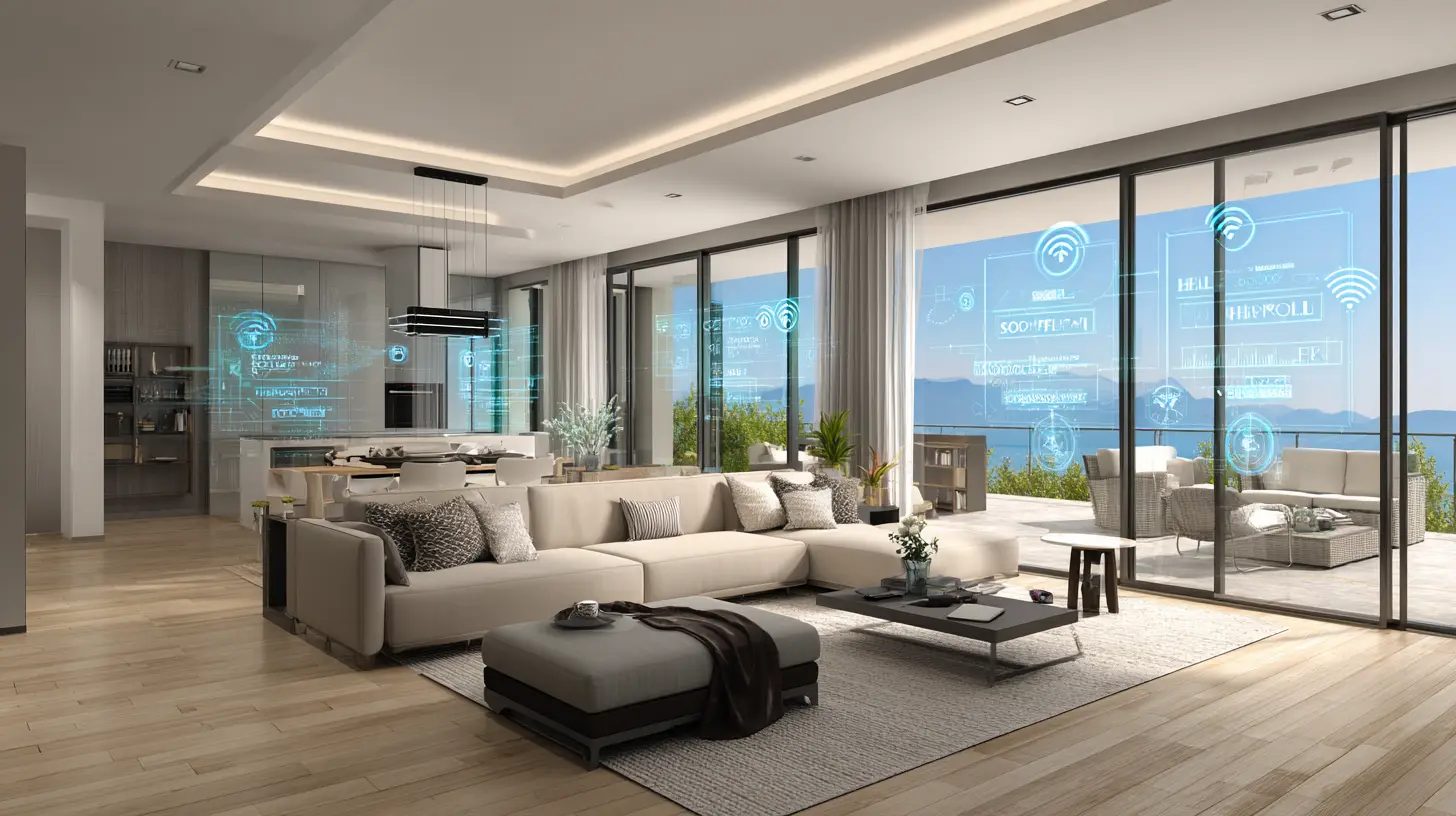
Today’s smart home is largely reactive. You give a command, and it obeys. "Hey Google, turn on the kitchen lights." By 2026, the paradigm will flip from reactive to predictive. Your home will move from simply listening to actively learning. Imagine a network of sensors and AI that doesn't just hear your words but understands your patterns, your moods, and even your unspoken needs.Think of it like the difference between a helpful butler who waits for instructions and a lifelong family member who knows you so well they’ve already put the kettle on just as you’re thinking about a cup of tea. This cognitive layer will be powered by sophisticated, local AI "brains" within the home. These systems will learn that you always like the bedroom slightly cooler after a stressful workday, that your weekly family movie night requires specific lighting and sound settings, and that an empty house should go into a unique, ultra-secure mode. The goal? A home that orchestrates comfort, efficiency, and security seamlessly, often without you lifting a finger or uttering a single word.
The Silent Symphony of Ambient Computing
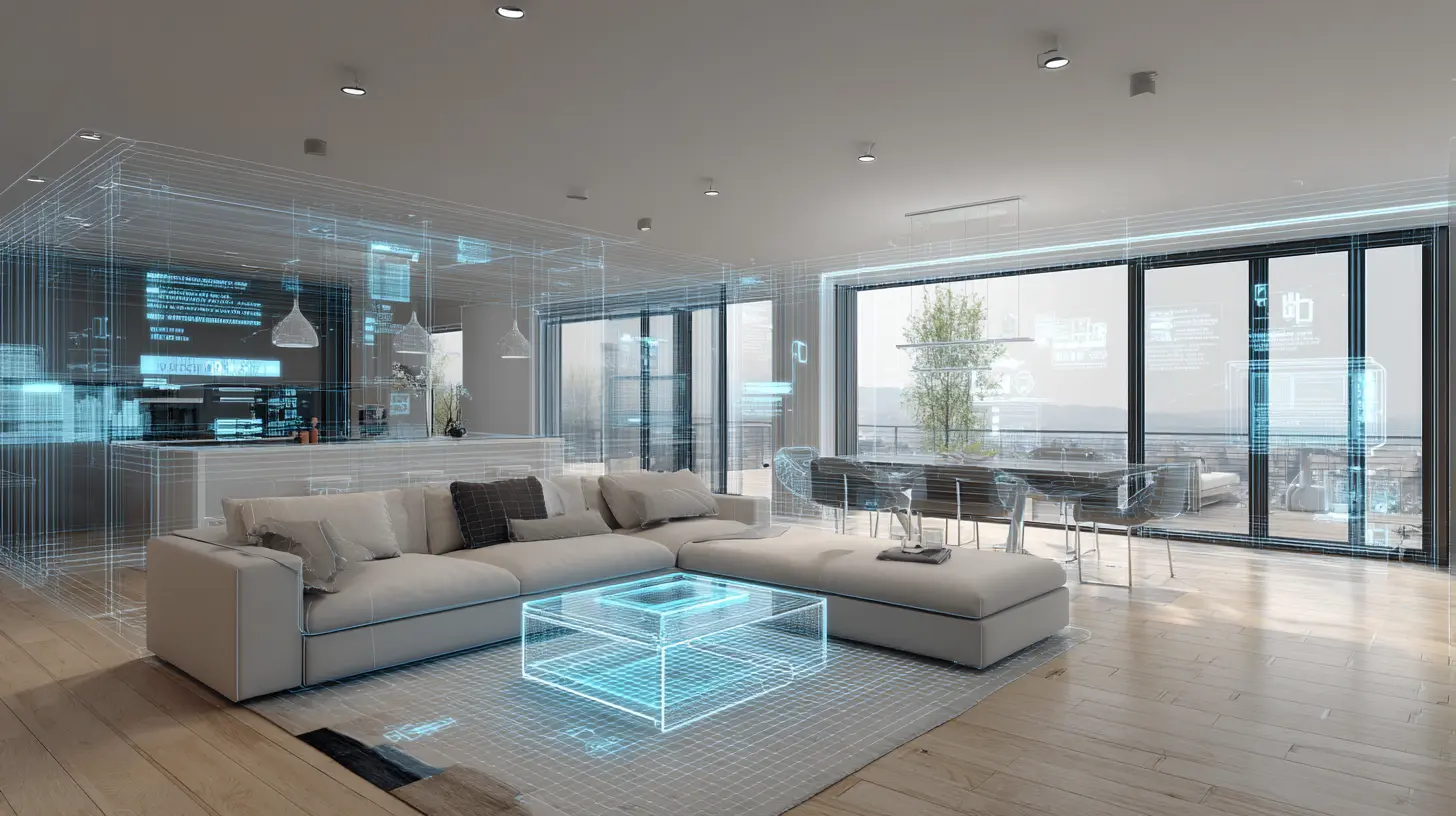
This leads us to the most significant design shift: the disappearance of the "smart" device. By 2026, the technology won't be something you see or even directly interact with; it will be woven into the very fabric of the building. We’re talking about walls with integrated touch and environmental sensors, countertops that can charge devices or display information, and window glass that dynamically tints and manages solar heat gain.The buzzword here is ambient computing. The goal is to remove screens and gadgets from the forefront, creating a calm, uncluttered space where technology serves you in the background. Your interaction might be as simple as placing a tired hand on the bathroom mirror to have it analyze your vital signs for the day, or having the ambient lighting subtly shift to a warmer tone as the sun sets, gently cueing your body for sleep. The home itself becomes the interface.
Sustainability as a Standard Feature, Not an Upgrade
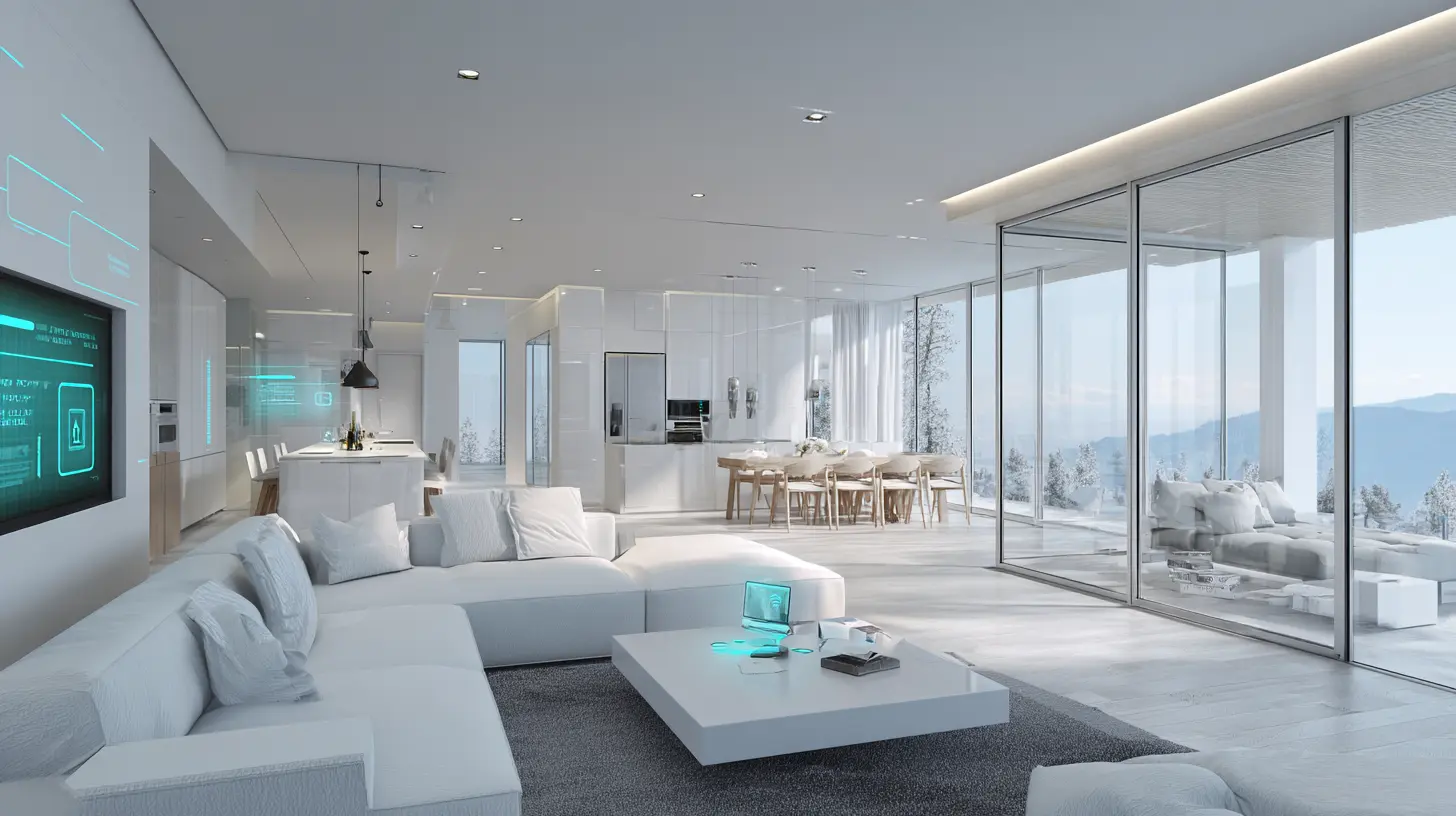
If you think smart homes are just about convenience, think again. By 2026, the driving force will be sustainability and resilience. With energy costs fluctuating and climate concerns growing, your home will become an active partner in managing resources. This goes far beyond a smart thermostat.We’re looking at integrated home energy management systems that act like a conductor for your personal power grid. They’ll communicate with your local utility, automatically running high-energy appliances like dishwashers or charging your EV during off-peak, low-cost hours. They’ll seamlessly blend power from your solar panels, home battery storage (which will be as common as a water heater), and the grid to optimize for both cost and carbon footprint.
Water and Air: The New Frontiers of Home Health
Smart water systems will become commonplace, capable of detecting a leak at its source—down to the specific pipe—and automatically shutting it off before a drop hits the floor. They’ll monitor usage with granular detail, helping you conserve a precious resource.But perhaps the most personal shift will be in air quality management. Post-pandemic awareness has permanently changed our expectations. Future HVAC systems won’t just heat and cool; they will continuously monitor for pollutants, allergens, viruses, and even CO2 levels (a key indicator of stale air that makes you feel drowsy). They will automatically engage filtration, ventilation, or purification to maintain a truly healthy indoor environment. Your home won’t just be a shelter; it will be a sanctuary for your well-being.
Hyper-Personalization: Your Home, Your Unique Ecosystem
Cookie-cutter automation is on its way out. The future is hyper-personalized environments. Using a combination of biometrics and preference learning, different zones of your home will adapt to whoever is in them.Walk into your home office, and the lighting will adjust to your optimal focus spectrum, the temperature will set to your preferred "thinking" level, and your daily agenda will appear on a nearby surface. Your partner, in the living room, will have a completely different setting optimized for their relaxation. For families, this means harmony—no more thermostat wars! The technology will recognize individuals and tailor the space in real-time, creating a bespoke experience for every member of the household.
The Seamless Integration Dream Finally Realized
The Achilles' heel of today’s smart home is fragmentation. Your lights speak one language, your locks another, and your vacuum cleaner is off in its own world. By 2026, universal standards like Matter will have matured, finally breaking down these walled gardens. You’ll be able to choose best-in-class products from any brand with the confidence they’ll work together effortlessly. Your security camera will be able to tell your lights to flash if it detects a threat, and your oven will be able to notify your robot vacuum that there might be crumbs after dinner. The home will operate as a single, cohesive organism.
Security and Privacy: The Non-Negotiable Foundation
All this connectivity and data collection raises the big, hairy question: What about my privacy? This will be the defining challenge and the most critical area of innovation. By 2026, trust will be the most important feature. We’ll see a major move towards edge computing, where data is processed locally on your home’s hub rather than being sent to the cloud. Your daily routines, biometric data, and private moments stay within your walls.Transparency will be key. You’ll have clear, simple dashboards showing exactly what data is being collected, how it’s being used, and who (or what) has access to it. Biometric authentication will replace passwords—your face or voice will be the key to both your front door and your personal data preferences. The smart home of the future must be a fortress of both physical and digital security, or it simply won’t succeed.
Designing for Life Stages: The Truly Adaptive Home
Here’s a concept that will redefine real estate: the home that evolves with you. Smart home design by 2026 will increasingly focus on longevity and adaptability. For young families, this might mean robust child-safe modes and monitoring. For an aging population, it will mean ambient assisted living features that are elegantly integrated, not clinical.Think of motion sensors that can detect a fall and automatically alert emergency contacts, voice assistants that can manage medication reminders, and lighting that automatically illuminates a safe path to the bathroom at night. This isn't about building a "smart home for seniors"; it's about building a smart home that can activate supportive features as needed, allowing people to live independently, safely, and with dignity for far longer. This adaptability will become a massive value driver in residential property.
The Outdoor Oasis Gets Smarter
The revolution won’t stop at the back door. Smart irrigation systems, already available, will become genius-level, using hyper-local weather data and soil moisture sensors to water with perfect precision. Outdoor lighting will follow your movement, providing safety and ambiance. We’ll even see the rise of smart pest control and gardening systems that monitor plant health. Your backyard will become a seamlessly managed extension of your living space.
Conclusion: Not Just a House, But a Partner
By 2026, smart home design will shed its gadget-centric skin. It will stop being a collection of features and start being an experience—a calm, supportive, efficient, and deeply personal environment. The value of a home will increasingly be measured not just in square footage and finishes, but in the intelligence and wellness embedded within its structure.The future home is a partner. It’s a space that protects your resources, guards your health, anticipates your needs, and adapts to your life’s journey. It’s a place where technology finally fades into the background, leaving you with something we all crave more of: simplicity, comfort, and peace of mind. The question isn’t if you’ll live in a home like this, but how soon you’ll wonder how you ever lived without it.
all images in this post were generated using AI tools
Category:
Home DesignAuthor:

Basil Horne
Discussion
rate this article
2 comments
Kingston Jones
As we look toward 2026, the integration of smart technology in homes promises increased efficiency and sustainability. Embracing these innovations will not only enhance living experiences but also redefine how we interact with our spaces and each other.
April 23, 2026 at 4:01 AM
Basil Horne
Absolutely! The future of smart homes is exciting. Embracing these technologies will truly transform our daily lives and interactions. Looking forward to what 2026 brings!
George McKellar
“By 2026, your fridge might finally stop judging your midnight snacks—unless it starts sending ‘health tips’ via text!
April 15, 2026 at 11:43 AM
Basil Horne
Ha! Just wait until our fridges become wellness coaches. Who knew midnight snacks would come with a side of health advice?