Location Matters: Choosing the Right Neighborhood for a Fixer Upper
20 March 2026
Buying a fixer-upper can be an exciting and rewarding adventure. Whether you’re looking to flip for profit or create your dream home, one crucial factor can make or break your investment—location. Finding the right neighborhood is just as important as choosing the right house. After all, you can always renovate a home, but you can’t change where it stands.
So, how do you choose the perfect neighborhood for a fixer-upper? Let’s break it down step by step.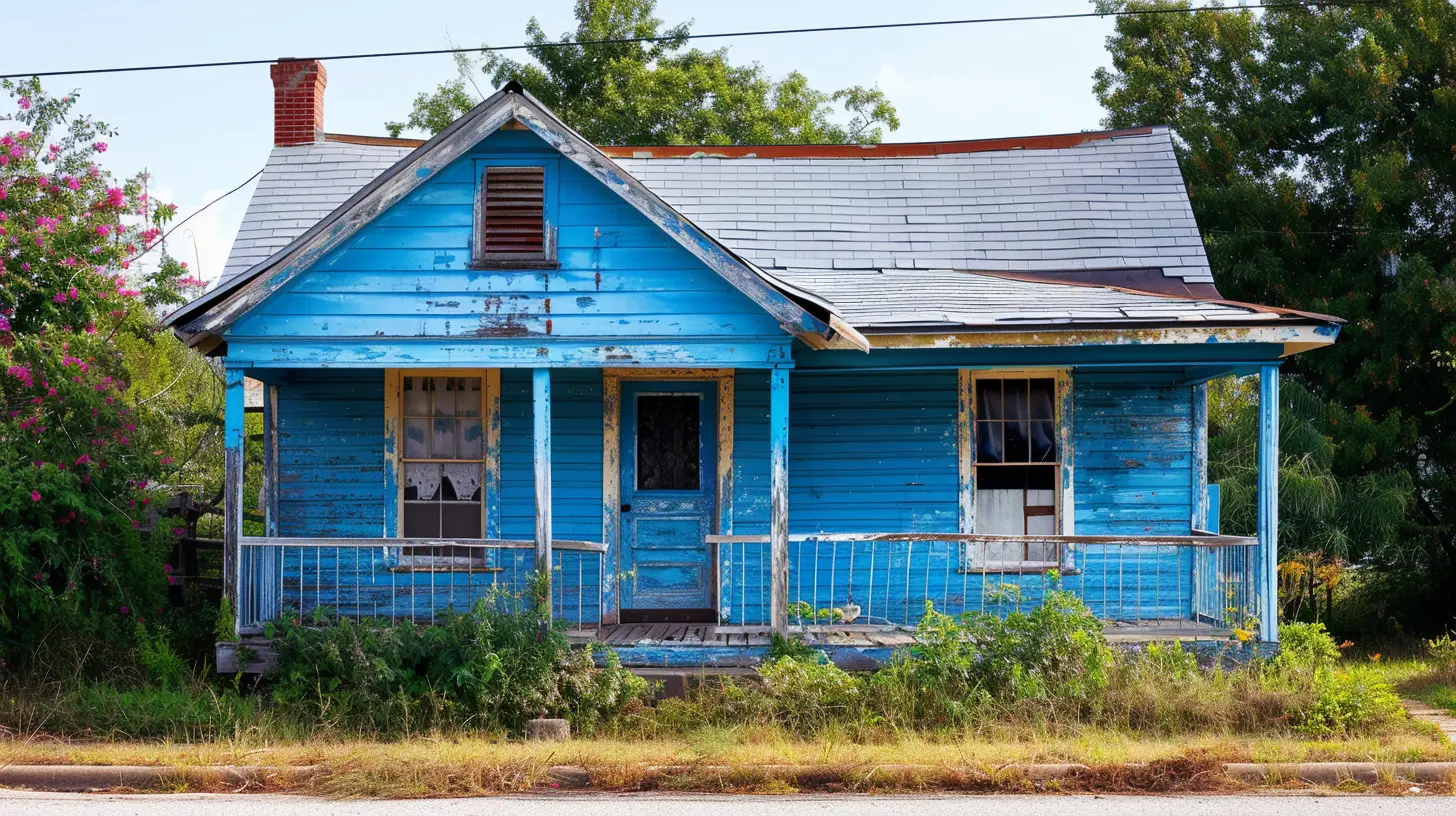
Why Location is Everything
Imagine putting your heart and soul (and a chunk of your savings) into transforming a run-down house, only to realize no one wants to buy or live in that area. Ouch!Location determines the property’s future value, accessibility, safety, and overall appeal. A beautifully renovated home in the wrong neighborhood can struggle to sell or rent, leaving you stuck with a financial burden. On the other hand, a well-chosen location can boost equity and ensure long-term appreciation.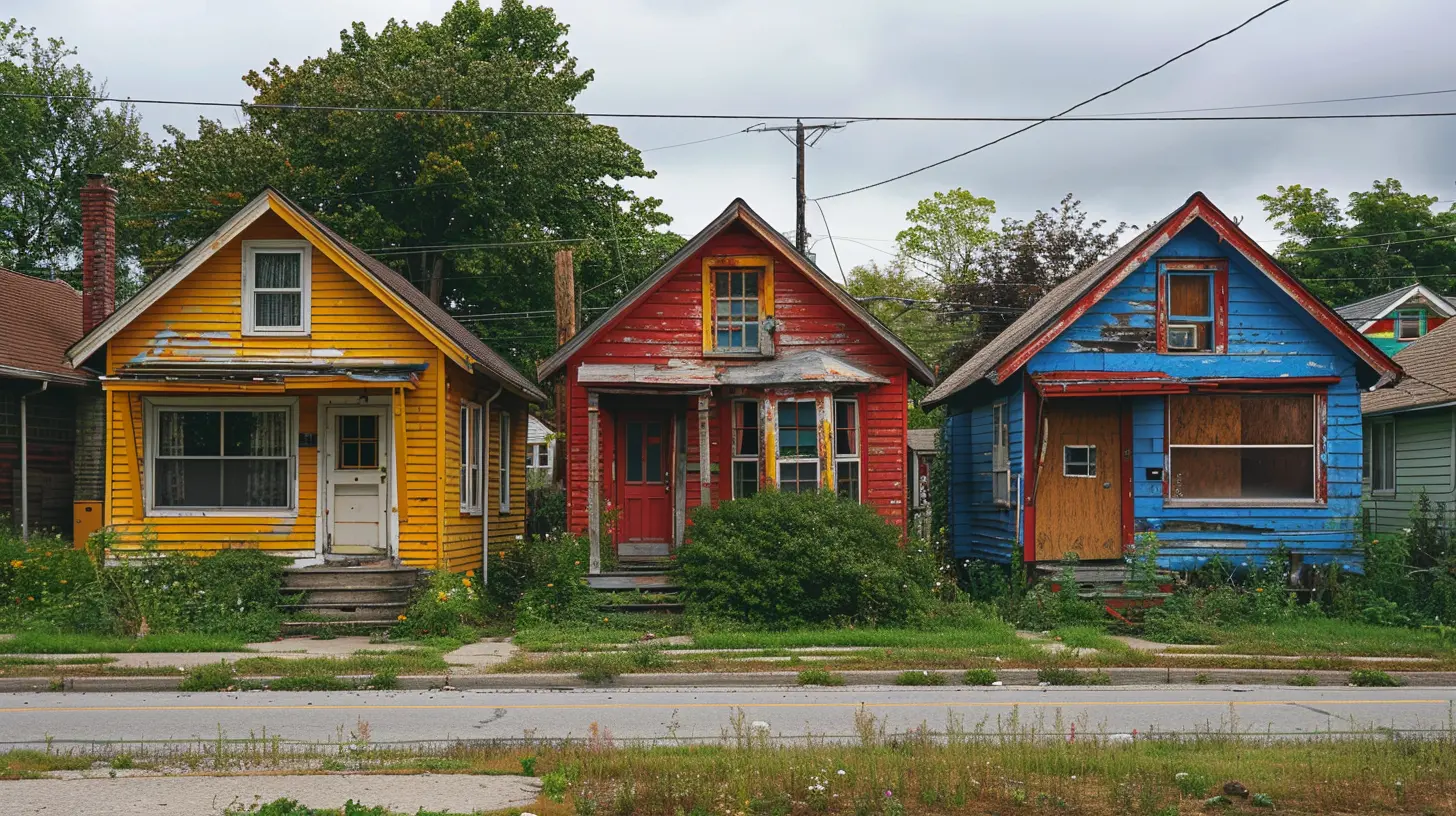
Factors to Consider When Choosing a Neighborhood
Not all fixer-uppers are created equal, and neither are their locations. Below are key factors you should consider before making a purchase.1. Property Value Trends
Before buying, research market trends in the area. Are home values rising, stagnant, or declining? A neighborhood with growing demand means your investment has a higher chance of appreciating.How to check property trends?
- Look at recent sales data
- Check historical pricing on real estate websites
- Talk to local real estate agents
- Investigate if new developments or businesses are moving in
If home values have been consistently increasing, that’s a great sign. If they’ve been dropping or staying the same for years, you might want to think twice.
2. The School District Matters (Even if You Don’t Have Kids)
A top-rated school district can significantly boost property values, making it easier to sell when the time comes. Even if you don’t have children, potential buyers or renters might.Strong school districts attract families, which means long-term demand stays steady. To evaluate schools in the area:
- Use resources like GreatSchools.org
- Research district ratings and student performance
- Visit schools personally to get a feel for the environment
Areas with highly ranked schools tend to have stable or increasing home values, while poorly rated districts may struggle.
3. Crime Rates and Safety
No matter how stunning your renovation turns out, nobody wants to live in an unsafe neighborhood.To check crime statistics:
- Use websites like NeighborhoodScout or CrimeReports
- Speak to local residents about their experiences
- Visit the area at different times of the day
Look for areas where crime rates are low or improving. An up-and-coming neighborhood with a decreasing crime rate could be a great investment.
4. Accessibility and Commute Times
Buyers and renters often consider commute times before making a decision. A neighborhood with easy access to highways, public transportation, or major employers will likely attract more interest.Consider:
- Proximity to highways and public transit
- Traffic congestion during rush hours
- Parking availability
If a neighborhood is inconvenient to reach or has terrible traffic, selling your renovated home might be more challenging.
5. Future Development and Infrastructure
An area poised for growth can be a goldmine for fixer-upper investors. Look for upcoming developments such as:- New businesses and retail centers
- Parks or green spaces
- Road improvements and public works projects
Local government planning departments or city council meetings often provide insights into future growth plans.
However, be mindful—too much development at once can lead to oversupply, which might drive home prices down temporarily.
6. Community and Neighborhood Appeal
A house is more than just a structure; it’s part of a community. A desirable neighborhood should have:- Well-maintained streets and sidewalks
- Active community groups
- Friendly neighbors
Drive through the area at different times of the day to observe activity levels. Are people out walking their dogs? Are kids playing outside? These are signs of a thriving neighborhood.
7. Local Amenities and Lifestyle
Nearby amenities can increase a home’s value and appeal. Check for:- Grocery stores, restaurants, and entertainment options
- Parks, gyms, and recreational centers
- Hospitals and healthcare facilities
A neighborhood with everything at arm’s reach has a higher likelihood of attracting buyers or renters.
8. Zoning, Permits, and Restrictions
Before purchasing a fixer-upper, check local zoning laws and permit requirements. Some areas have strict regulations on renovations, which can slow down your project.- Is the area zoned for residential or mixed-use?
- Are there historical preservation rules?
- Will you need special permits for major renovations?
The last thing you want is to invest in a home only to find out that major renovations aren’t allowed.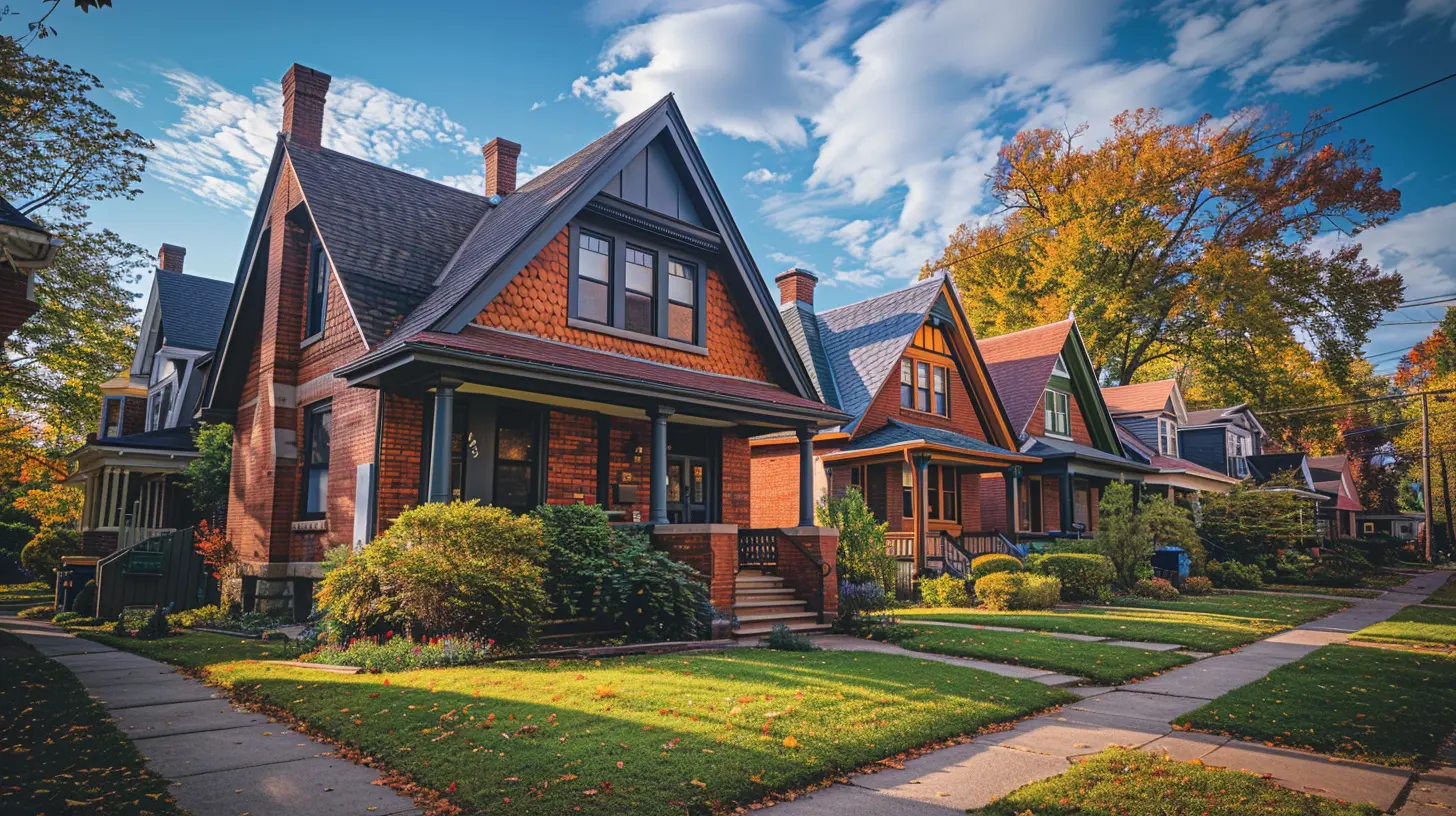
Red Flags to Watch Out For
While some neighborhoods have great potential, others may be more trouble than they’re worth. Be cautious of:- High Vacancy Rates: Too many empty homes can indicate a struggling community.
- Persistent Crime Issues: If crime remains a serious problem despite city efforts, it may be a risky investment.
- Declining Local Businesses: Empty storefronts might suggest economic downturns.
- Unstable Market Prices: Extreme price fluctuations could mean uncertain future value.
If you see too many red flags, it may be best to look elsewhere.
Final Thoughts: Making the Right Choice
Choosing the right neighborhood for a fixer-upper is both an art and a science. It requires research, patience, and a keen eye for potential growth. While it might be tempting to jump on a cheap deal, remember that location plays a significant role in your investment’s long-term success.When in doubt, walk the streets, talk to locals, and analyze market trends. Trust your instincts, and you’ll increase your chances of turning a rundown property into a prized asset.
Happy house hunting!
all images in this post were generated using AI tools
Category:
Fixer UppersAuthor:

Basil Horne
Discussion
rate this article
2 comments
Eloise Fry
Great tips! The right neighborhood makes all the difference!
March 29, 2026 at 5:26 AM
Basil Horne
Thanks! Glad you found them helpful. The right neighborhood really can change everything.
Naomi McQuillen
Great insights on neighborhood selection!
March 21, 2026 at 4:02 AM
Basil Horne
Thank you! I'm glad you found the insights helpful!