The Ultimate Guide to Renovating Homes for Flipping
8 August 2026
Flipping houses isn’t just about buying low and selling high. The real magic happens in between—the renovation phase. A well-thought-out renovation can turn a run-down property into a dream home, making it irresistible to buyers. But where do you start? What improvements add the most value? And how do you keep costs under control without sacrificing quality?
This guide will walk you through the essential steps to successfully renovate a home for flipping. Whether you're a beginner or an experienced investor, these tips will help you maximize your ROI and sell faster.

Understanding the Basics of House Flipping
Before swinging a hammer, it’s crucial to understand the fundamentals of flipping houses. The process typically involves:1. Finding the Right Property – Look for homes priced below market value in desirable neighborhoods.
2. Budgeting for Renovations – Plan your renovation costs carefully to ensure profitability.
3. Making Smart Upgrades – Focus on high-impact renovations that add value.
4. Selling for Profit – Stage and market the home effectively to attract buyers.
Now, let’s dive into the meat of the renovation process!

Creating a Smart Renovation Plan
Every successful flip starts with a solid plan. Jumping into renovations without a strategy can lead to costly mistakes and delays. Here’s how to create an efficient renovation plan:1. Set a Realistic Budget
Renovations can quickly spiral out of control if you’re not careful. To avoid budget overruns:- Break down costs: List out anticipated expenses for materials, labor, permits, and contingencies.
- Prioritize essential repairs: Focus on structural integrity, roofing, plumbing, and electrical systems before cosmetic upgrades.
- Pad your budget: Unexpected issues always arise—set aside at least 10-15% for surprises.
2. Know the Neighborhood Standards
Over-renovating can be as risky as under-renovating. Study comparable homes in the area (comps) to understand what buyers expect. If most homes in the neighborhood have mid-range finishes, there’s no need to splurge on luxury features that won’t justify a higher price tag.3. Create a Timeline
Time is money in the flipping business. The longer you hold a property, the more you’ll spend on mortgage payments, property taxes, and utilities. Plan out a realistic renovation timeline and aim to complete the project as quickly—and efficiently—as possible.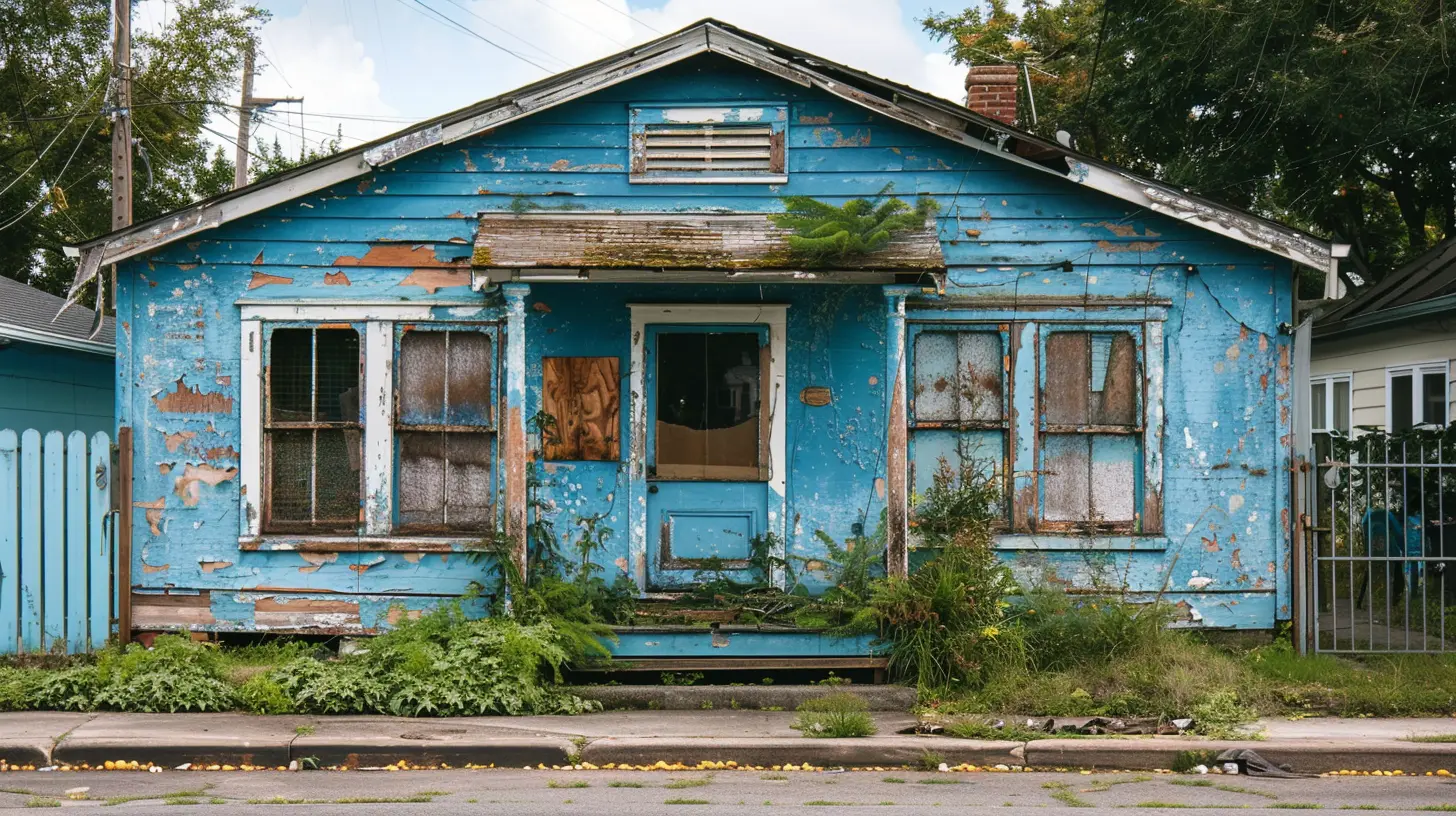
Key Renovations That Add the Most Value
Not all renovations are created equal. Some upgrades deliver a high return on investment (ROI), while others may not be worth the expense. Here are the top renovations to focus on:1. Kitchen Upgrades: The Heart of the Home
A beautiful kitchen can make or break a sale. Buyers love modern, functional kitchens with quality finishes. Consider:- Refacing or painting cabinets – A fresh coat of paint or new doors can give old cabinets a brand-new look.
- Upgrading countertops – Quartz or granite countertops add elegance and durability.
- Installing new fixtures and hardware – Swap out old faucets, cabinet handles, and light fixtures for a modern touch.
- Improving appliances – Stainless steel or energy-efficient models can be major selling points.
2. Bathroom Remodels: Small But Impactful
Bathrooms are another high-impact area where renovations can boost value. Focus on:- Upgrading vanities and sinks – A stylish vanity instantly modernizes the space.
- Replacing old tiles – Subway tiles or trendy designs can give bathrooms a fresh, updated look.
- Installing energy-efficient toilets and showers – Saves buyers money and appeals to eco-conscious buyers.
3. Boosting Curb Appeal
First impressions matter, and curb appeal sets the tone for the rest of the house. Some easy and cost-effective ways to improve it include:- Painting the exterior – A fresh coat of paint can dramatically transform a home’s appearance.
- Landscaping – Simple upgrades like mulching, trimming bushes, and planting flowers add charm.
- Upgrading the front door – A stylish front door can make a home feel more inviting.
4. Flooring: The Foundation of a Great Look
Old, worn-out flooring can be a deal-breaker for buyers. Consider:- Luxury vinyl plank (LVP) flooring – Affordable, durable, and resembles hardwood.
- Refinishing hardwood floors – If the home has original hardwood, refinishing them can restore their charm.
- Replacing outdated carpets – If carpets are necessary, opt for neutral, high-quality options.
5. Painting: The Cheapest Way to Transform a Home
Never underestimate the power of paint! A fresh coat in neutral tones can make a home feel larger, brighter, and more modern. Stick with timeless colors like light grays, whites, or warm beiges.
Cost-Saving Tips for Home Flippers
You don’t have to spend a fortune to create a stunning home. Here are some budget-friendly renovation hacks:- Shop smart for materials: Look for wholesale suppliers or discount outlets for cabinets, tiles, and fixtures.
- Do some DIY work: Tackle simpler projects like painting, landscaping, or installing hardware yourself.
- Hire reliable contractors: Cheap labor can lead to poor workmanship, costing you more in the long run. Get multiple quotes and check reviews before hiring.
- Reuse and repurpose: If cabinets are in good shape, consider refinishing rather than replacing them.
Common Mistakes to Avoid When Renovating for Flipping
Even the most experienced flippers make mistakes. Avoid these costly pitfalls:- Ignoring the inspection report – Structural or mechanical issues can turn into financial nightmares.
- Not pulling permits – Skipping permits can lead to legal issues and delays in selling.
- Going too trendy – While stylish updates are great, overly personalized or trendy renovations can turn off buyers.
- Cutting corners on quality – Poor craftsmanship can scare away buyers and bring down the selling price.
Staging and Selling for Maximum Profit
Once renovations are complete, it’s time to present the home in its best light.- Stage strategically: Keep decor minimal and neutral to appeal to a wide range of buyers.
- Professional photography: Great photos make a huge difference in online listings.
- Price it right: An overpriced home can sit on the market too long, while a competitively priced home can generate multiple offers.
Final Thoughts
Renovating homes for flipping is both an art and a science. It requires careful planning, smart budgeting, and a keen eye for what buyers want. By focusing on high-ROI upgrades, avoiding common mistakes, and keeping costs in check, you can turn a fixer-upper into a profitable investment.Now, are you ready to tackle your next flip? Roll up your sleeves and get started—your next big profit could be just a renovation away!
all images in this post were generated using AI tools
Category:
Property FlippingAuthor:

Basil Horne
Discussion
rate this article
1 comments
Gideon McGhee
Exciting insights on flipping!
August 9, 2026 at 4:12 AM
Basil Horne
Thanks for reading! Glad you found the insights helpful. Happy flipping!