Trends in Luxury Real Estate Worth Watching
1 November 2026
Luxury real estate has always moved to its own rhythm. While the broader housing market reacts to interest rates and inventory charts, the top end tends to follow a different set of signals: lifestyle shifts, wealth migration, tax policy, and the simple human desire to own something exceptional. That said, the past few years have scrambled the old playbook. Remote work reshuffled where wealthy buyers want to live, a wave of new wealth changed what they expect from a home, and climate risk forced everyone to look at waterfront property with fresh eyes.
If you are buying, selling, or advising in this segment, the trends below are worth your attention. Not because they are fashionable, but because each one changes how value is created, protected, and lost. I will walk through what is actually happening, why it matters, where the trade-offs sit, and what to watch out for before you make a move.
The Geography of Wealth Has Shifted, and It Is Not Shifting Back
For decades, luxury buyers clustered in a predictable set of gateway cities. That map has been redrawn. Secondary and tertiary markets with genuine quality of life, such as mountain towns, coastal enclaves, and small cities with strong cultural scenes, absorbed enormous demand during the remote work era. What is notable now is that the shift has largely held. Buyers who relocated for space and scenery did not rush back when offices reopened.Why does this persist? Because the decision was rarely about work alone. It was about trading commute time for lifestyle time. A buyer who can afford a $6 million home is usually not chained to a desk five days a week. Once that buyer experiences a smaller market with better schools, less friction, and a real sense of community, the calculus for returning to a dense city gets harder to justify.
The practical implication: scarcity in these markets is real, but so is fragility. A mountain town with limited buildable land can see prices climb quickly, yet its liquidity depends on a narrow pool of buyers. If a local industry stumbles or a natural disaster hits, the exit can be slow. Before buying into a newly hot secondary market, ask three questions. How deep is the buyer pool at resale? What percentage of owners are part-time residents? And how dependent is the local economy on a single sector? A market where most owners live there year-round tends to hold value more steadily than one dominated by seasonal owners.
Wellness Is No Longer a Feature, It Is a Filter
Ten years ago, a home gym and a spa bathroom counted as luxury amenities. Today, serious buyers treat health and well-being as infrastructure. They want clean air systems, natural light, quiet, and access to nature designed into the property rather than bolted on.This shows up in concrete ways. Home offices with acoustic isolation and separate ventilation. Primary suites with dedicated recovery spaces. Outdoor areas designed for daily use, not just entertaining. Kitchens oriented toward whole-food cooking and cold storage. Even the orientation of a house on its lot is now part of the sales conversation, because morning light and afternoon shade affect how a home feels and functions.
The trap here is trend-chasing without substance. A meditation room with a nice rug is decoration. A meditation room with proper soundproofing, independent climate control, and a door that actually closes out household noise is a feature a buyer will pay for. The difference is whether the design solves a real problem or merely signals a lifestyle.
If you are selling, prioritize wellness investments that are hard to retrofit. Air quality systems, acoustic engineering, and thoughtful site planning add durable value. If you are buying, test these systems rather than trusting the listing. Turn on the ventilation and listen. Stand in the home office while the HVAC runs. Visit at different times of day. Wellness claims are easy to make and surprisingly easy to disprove once you are living there.
Branded Residences Keep Expanding, With Real Trade-Offs
Residences attached to hotel or lifestyle brands continue to multiply, and the appeal is easy to understand. Buyers get concierge service, managed amenities, and a level of operational polish that standalone homes rarely match. For a buyer who splits time between several cities and does not want to manage staff, a branded residence removes a lot of friction.But the model deserves a clear-eyed look. You are paying a premium for service, and that premium does not disappear at resale. HOA and service fees in branded buildings can be substantial, and they tend to rise. The brand's reputation becomes part of your property's value, which cuts both ways: a well-run brand lifts resale, while a brand that stumbles or exits a management agreement can leave owners exposed.
There is also a governance question. In many branded buildings, the developer or brand retains significant control over operations, and owners have limited ability to change course even if fees climb. Read the governing documents before you fall in love with the lobby. Understand who controls the budget, how fees can be adjusted, what happens if the brand changes hands, and whether the residential component has any real say in management.
When does a branded residence make sense? When convenience and service genuinely matter to your life, and when you plan to hold long enough to absorb the premium. When should you think twice? If you are buying primarily as an investment, if the fee structure is opaque, or if the building's financials depend heavily on the developer's continued success.
Climate Risk Is Now Priced Into the Conversation
This is the trend that separates thoughtful buyers from impulsive ones. Coastal and wildfire-adjacent luxury properties still command enormous prices, but the way buyers and insurers evaluate them has changed. Insurance availability and cost have become genuine deal factors, not afterthoughts.Here is the part many buyers miss. The risk is not just physical. It is financial and regulatory. A property that cannot be insured affordably is harder to finance and harder to sell. A community facing repeated flooding may see infrastructure investment dry up. Zoning rules can shift. What felt like a forever home can become a stranded asset if the surrounding risk profile deteriorates.
That does not mean avoid waterfront or hillside properties. It means underwrite them properly. Get insurance quotes before you make an offer, not after. Ask about the claims history of the specific parcel, not just the region. Look at elevation, drainage, defensible space, and access roads. Talk to neighbors who have lived through a bad season. A well-sited property with strong mitigation can be a superb long-term hold. A poorly sited one at a premium price is a bet on the weather, and that is not a bet most buyers should make casually.
New Wealth Is Reshaping Taste
The buyer profile at the top end has changed. A growing share of luxury buyers built their wealth recently, often in technology, finance, or entrepreneurship, and their preferences differ from the inherited-wealth buyers who once dominated the segment. They tend to value function over formality, authenticity over opulence, and experiences over display.In practice, this means fewer formal dining rooms and more gathering kitchens. Less marble everywhere and more honest materials used well. Homes designed for how people actually live rather than how they entertain guests twice a year. It also means buyers ask sharper questions about technology infrastructure, energy efficiency, and long-term operating costs.
For sellers, the lesson is to stop decorating for a buyer who may no longer exist. A house staged for a 1990s gala can feel off-key to a buyer who wants a warm, functional home with excellent connectivity and low maintenance. For buyers, the lesson is to be honest about your own life. If you will never host a formal dinner for twenty, do not pay for a dining room built for it. Buy the house that fits your actual routine.
The Quiet Rise of the "Forever" Second Home
Another shift worth noting is the growing preference for fewer, better properties. Instead of owning a city apartment, a beach house, and a ski condo, more wealthy buyers are consolidating into one exceptional second home they use often and hold for a long time.The logic is sound. Multiple properties multiply costs, management headaches, and risk. One well-chosen home in a place you genuinely love, close enough to use regularly, delivers more real enjoyment per dollar. It also tends to hold value better, because a property used and maintained by its owners is generally in better condition than one that sits empty.
If you are considering this path, be honest about usage. A home you visit twice a year is not a lifestyle asset; it is a storage unit with a view. Proximity matters more than most buyers admit. The best second home is often the one you can reach without a major expedition.
Practical Advice Before You Act on Any of This
Trends are useful context, not instructions. Here is how to use them without getting burned.First, separate durable shifts from temporary ones. Remote work flexibility and climate awareness are structural. A specific amenity that went viral on social media is probably not. Ask whether a trend changes how people will live in ten years, or just how they are talking this year.
Second, run the numbers on operating costs, not just purchase price. Luxury homes carry luxury overhead: staff, insurance, maintenance, landscaping, and systems that need servicing. A buyer who stretches to afford the price but not the carrying cost is set up for stress.
Third, get local expertise that is genuinely local. National market data tells you almost nothing about a specific street, school district, or building. The best advisors know which blocks flood, which builders cut corners, and which "exclusive" developments are actually struggling.
Fourth, resist the urge to buy the trend itself. Buy the property that fits your life, in a location with durable fundamentals, at a price that leaves room to be wrong. That approach has outperformed trend-chasing in every cycle I have watched.
What to Watch Next
Keep an eye on how insurance markets evolve, because they will quietly shape which luxury locations remain viable. Watch how secondary markets mature, particularly whether they develop year-round economies or remain seasonal. Pay attention to how brands and developers structure governance in new residential projects, since buyer protections vary widely. And watch buyer preferences around authenticity and function, because they are changing what "luxury" even means.The through line across all of these trends is simple. Luxury real estate is moving away from display and toward lived experience. The properties that will hold value are the ones that are genuinely good to live in, well located, sensibly built, and honestly priced for their risk. Everything else is decoration.
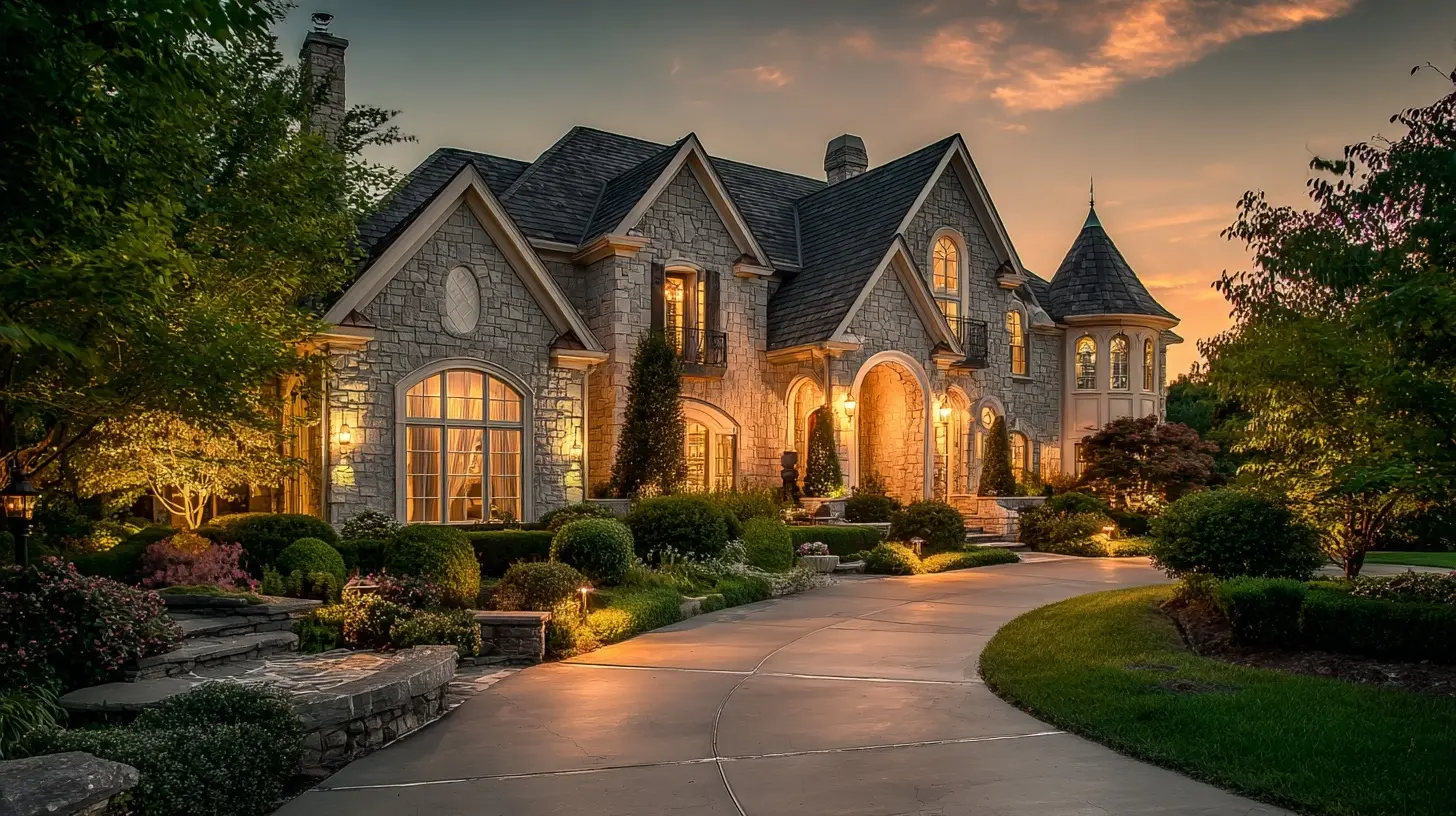
all images in this post were generated using AI tools
Category:
Real Estate ResourcesAuthor:

Basil Horne