DIY Projects and Building Permits: A Must-Read for Homeowners
5 May 2026
Let’s be honest—we all love a good DIY project. Whether it's jazzing up your kitchen, adding a new deck, or finishing the basement, there’s something incredibly satisfying about rolling up your sleeves and taking control of your own home improvements. But hold up—before you swing that first hammer or lay down new tiles, there’s one super-important thing you need to think about: building permits.
Yep, that boring, red-tape-sounding stuff? It actually matters—a lot. If you’ve ever wondered when you need a permit, why it’s important, or what could happen if you skip that step, you’re in the right place.
Let’s break it all down in plain English. This is your go-to guide for navigating the sometimes fuzzy, definitely critical relationship between DIY home projects and building permits.
Why Do Permits Even Exist?
It’s a fair question. At first glance, it might feel like getting a building permit is just another way to pad the government’s pocket. But permits are actually there to protect you, your family, and your property.The permit process ensures your project meets local building codes, which are designed for safety, energy efficiency, and structural integrity. Think of it like a seatbelt—it might feel like a chore, but it’s there to save your butt if something goes wrong.
Imagine This...
You finish a gorgeous bathroom remodel on your own. Everything looks Pinterest-perfect. But then, there's a hidden plumbing error. A leak leads to mold, or worse, a burst pipe. If you didn’t pull a permit, your homeowners insurance might not cover the damage. Ouch.
When Do You Need a Permit for a DIY Project?
Let’s play a little game called "Permit or No Permit." It’s not always crystal clear, but some general rules can help steer you in the right direction.Projects That Almost Always Require a Permit
- Structural changes — Knocking down walls? Adding an extension? You’ll need one.- Electrical work — Installing new circuits or outlets? That’s a permit territory.
- Plumbing changes — Rerouting pipes or adding a bathroom? Definitely get a permit.
- HVAC adjustments — Installing a new furnace or ductwork? Yep, permit.
- Roof replacement — Full shingle replacements? Usually, yes.
- New windows or doors (with size change) — Anything changing the "envelope" of the home typically needs inspection.
Things You Can Usually Do Without a Permit
- Painting (inside or out)- Changing light fixtures or faucets (plug-and-play swap-outs)
- Installing shelves or cabinetry
- Flooring upgrades (tile, hardwood, carpet)
- Landscaping (unless it affects drainage or property boundaries)
Every city and county has its own rules, though, so always check with your local building department. What flies in one area might be totally illegal in another.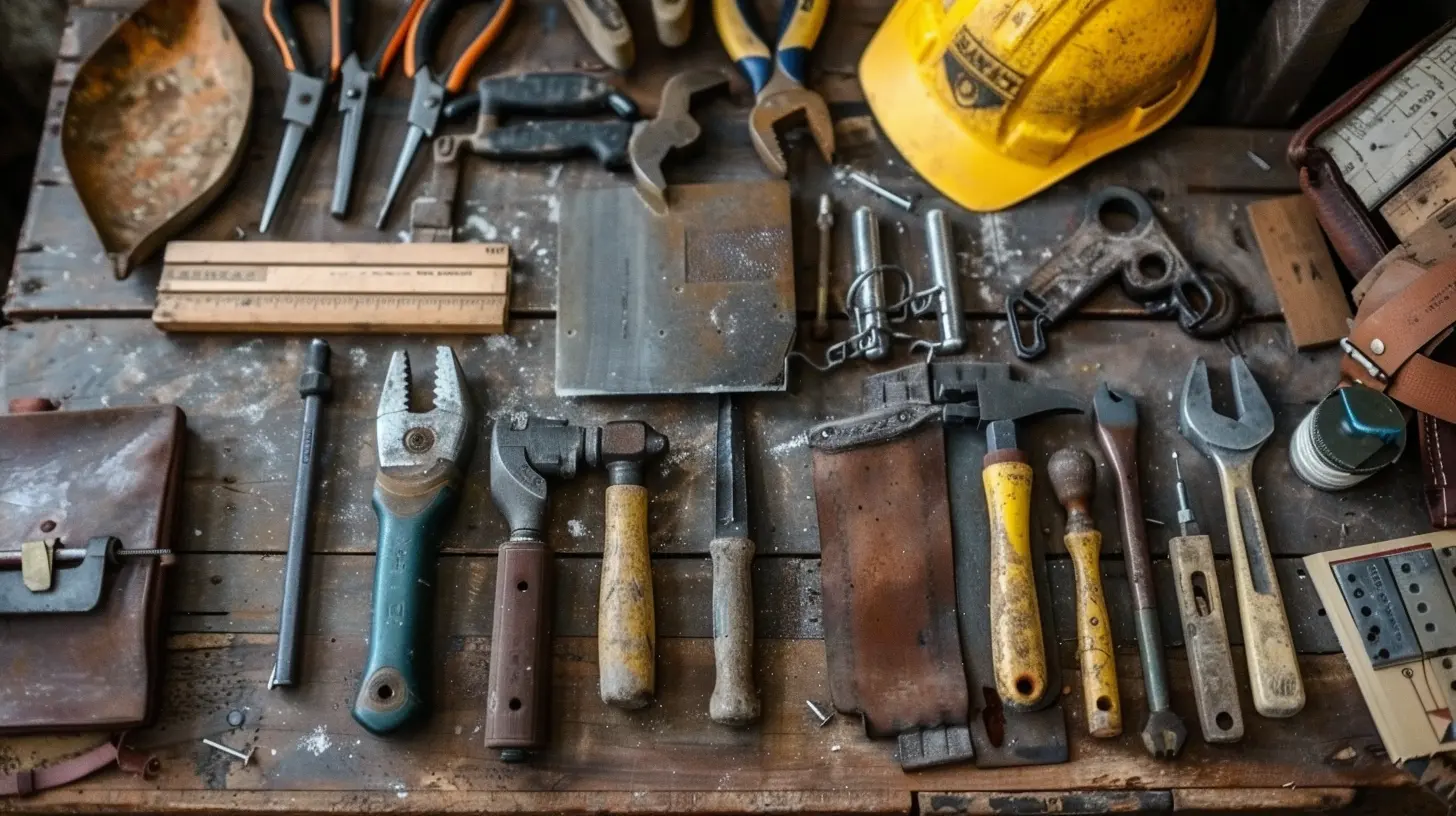
How to Check If You Need One
Here’s a golden rule: when in doubt, make a five-minute phone call to your local building department.Seriously. Don’t guess. A quick chat with a city inspector can save you thousands in fines or re-dos later on.
Tip: Many cities now have permit requirement checklists online—just Google “building permits + [your city]” and you might find everything you need!
What Happens If You Skip the Permit?
You might be tempted to sneak in a project without a permit. After all, it's your house, right? What’s the worst that could happen?Well, quite a bit, actually.
Here’s What You Risk:
- Fines – Cities can slap you with hefty penalties if they find out.- Stop-Work Orders – Your project could be shut down mid-stream.
- Redoing the Work – Some jurisdictions might force you to rip it all out.
- Trouble Selling – When you sell your home, unpermitted work can turn off buyers or delay closings.
- Insurance Voids – If something goes wrong due to unpermitted work, your insurance might not pay out.
- Safety Hazards – Electrical fires, bad plumbing, collapsing structures—the risks are real.
Would you really want to roll the dice with something as important as your home’s safety?
The Permit Process: Not as Scary as It Sounds
Okay, so permits are important. But what does the process actually look like?Here’s a rough idea (again, it varies by location):
Step 1: Submit Your Application
You’ll usually fill out a form and maybe include drawings or plans. Some cities allow online applications!Step 2: Wait for Approval
This can take anywhere from a day to a few weeks depending on the complexity of your project.Step 3: Schedule Inspections
These happen at different stages of your project—before drywall goes up, for instance, or after final electrical work is complete.Step 4: Celebrate Your Passed Inspection!
Once everything checks out, you get the green light (and peace of mind).It might seem like a hassle, but many homeowners say the process is smoother than expected—especially for small to mid-sized jobs.
Hiring a Contractor? Here's the Catch
Let’s say you’re not tackling something entirely DIY—you’re calling in a pro to help. That’s smart! But guess what? You still need to make sure they pull the right permits.Some shady contractors will try to dodge the permit process to save time or money. But if they skip it, you (yep, you) are still on the hook as the homeowner. Always ask to see the permit before work starts.
Pro tip: If a contractor tells you a permit isn't needed, double-check with your local authority. A good contractor shouldn’t mind.
When to DIY vs. When to Call a Pro
Doing it yourself can be a blast—and a budget-saver—but it’s not always the best choice.Here’s a quick rule of thumb: If your project involves plumbing, electrical, gas lines, or structural changes, seriously consider hiring a licensed pro. Not only will the job be done right, but your permit process will almost always go smoother.
For purely cosmetic projects, go nuts! Just make sure your ambition doesn’t outpace your skillset, because covering up mistakes can get expensive fast.
Permits and Resale: The Long Game
Future-you will thank you for doing things by the book. Here’s how:- Better Appraisal – Permitted projects add real value in the eyes of appraisers.
- Buyer Trust – Buyers feel more confident knowing the work was inspected and approved.
- Smoother Closings – Lenders and title companies often ask for permit records.
Unpermitted work can delay or even kill a home sale. Do it right now, cash in later.
A Few DIY Permit Tips
Want to make the process as painless as possible? Keep these in mind:- Be Honest – Tell the building department exactly what you’re doing.
- Ask Questions – No one expects you to be an expert. They’re there to help.
- Document Everything – Keep copies of your permit, inspection reports, and receipts.
- Don’t Start Without One – In many places, even demo work requires a permit!
Remember: Inspectors aren’t there to ruin your day. They’re your secret quality control team.
Final Thoughts: It's Your Home, But Rules Still Apply
Homeownership comes with freedom, but also a fair bit of responsibility. Permits aren’t just a bureaucratic hoop—they’re your ticket to doing things the safe, legal, and smart way.So whether you're building a treehouse, gutting your kitchen, or just changing a bathroom vanity, ask yourself: Do I need a permit for this? If the answer is "maybe," take the two minutes to check.
In the world of DIY, knowledge isn't just power—it's protection.
all images in this post were generated using AI tools
Category:
Building PermitsAuthor:

Basil Horne
Discussion
rate this article
2 comments
Owyn McLain
Understanding permits is crucial for DIY.
June 19, 2026 at 11:32 AM
Basil Horne
Absolutely. Knowing the permit requirements can save you time and headaches down the road.
Parisa McAnally
In every nail and beam, dreams take flight. Know the rules, embrace the craft, and build a home that feels like you.
May 7, 2026 at 2:47 AM
Basil Horne
Thanks for your thoughtful comment! It's all about creating a space that reflects who you are. Happy building!