Incorporating Biophilic Design: Bringing Nature Indoors
23 December 2025
Have you ever walked into a space and immediately felt at peace? That sense of calm is often the result of biophilic design—an approach that brings elements of nature into indoor spaces. In today's fast-paced, concrete-dominated world, we’re more disconnected from nature than ever. But the good news? You don’t need a backyard or an outdoor retreat to reconnect.
Incorporating biophilic design into your home or workspace can significantly improve your well-being, boost productivity, and even enhance property value. So, how can you bring nature indoors without turning your home into a jungle? Let's dive into the world of biophilic design and see how you can transform your space into a natural sanctuary. 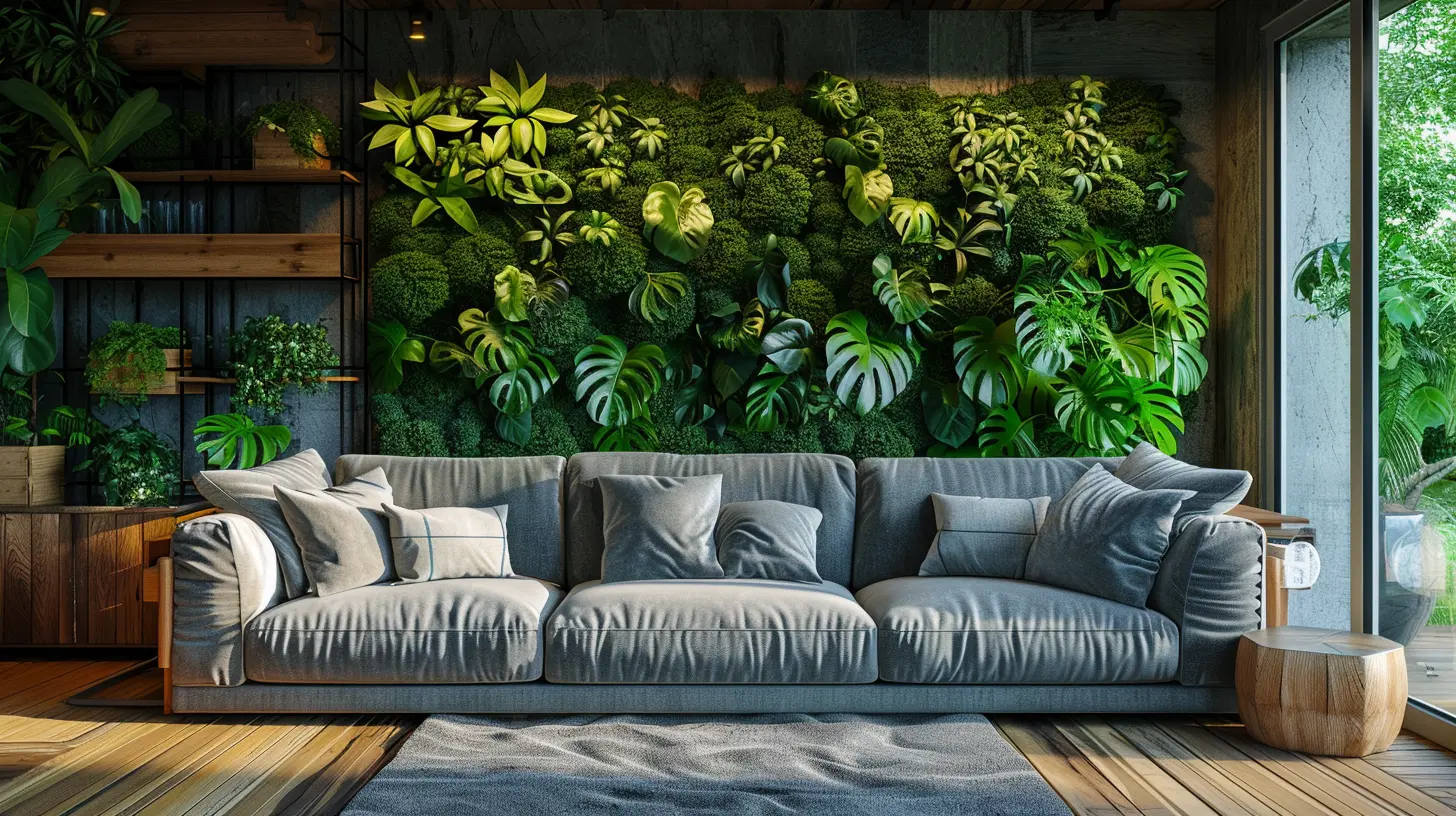
What is Biophilic Design?
Biophilic design is more than just adding plants to a room—it’s about creating a living environment that nurtures the human connection with nature. The term comes from the word "biophilia," which means "love of life" or "love of nature." This design philosophy incorporates natural elements, materials, light, textures, and patterns to foster a harmonious relationship between humans and their surroundings.In simple terms, biophilic design brings the outside in, making indoor environments feel more natural, open, and refreshing. 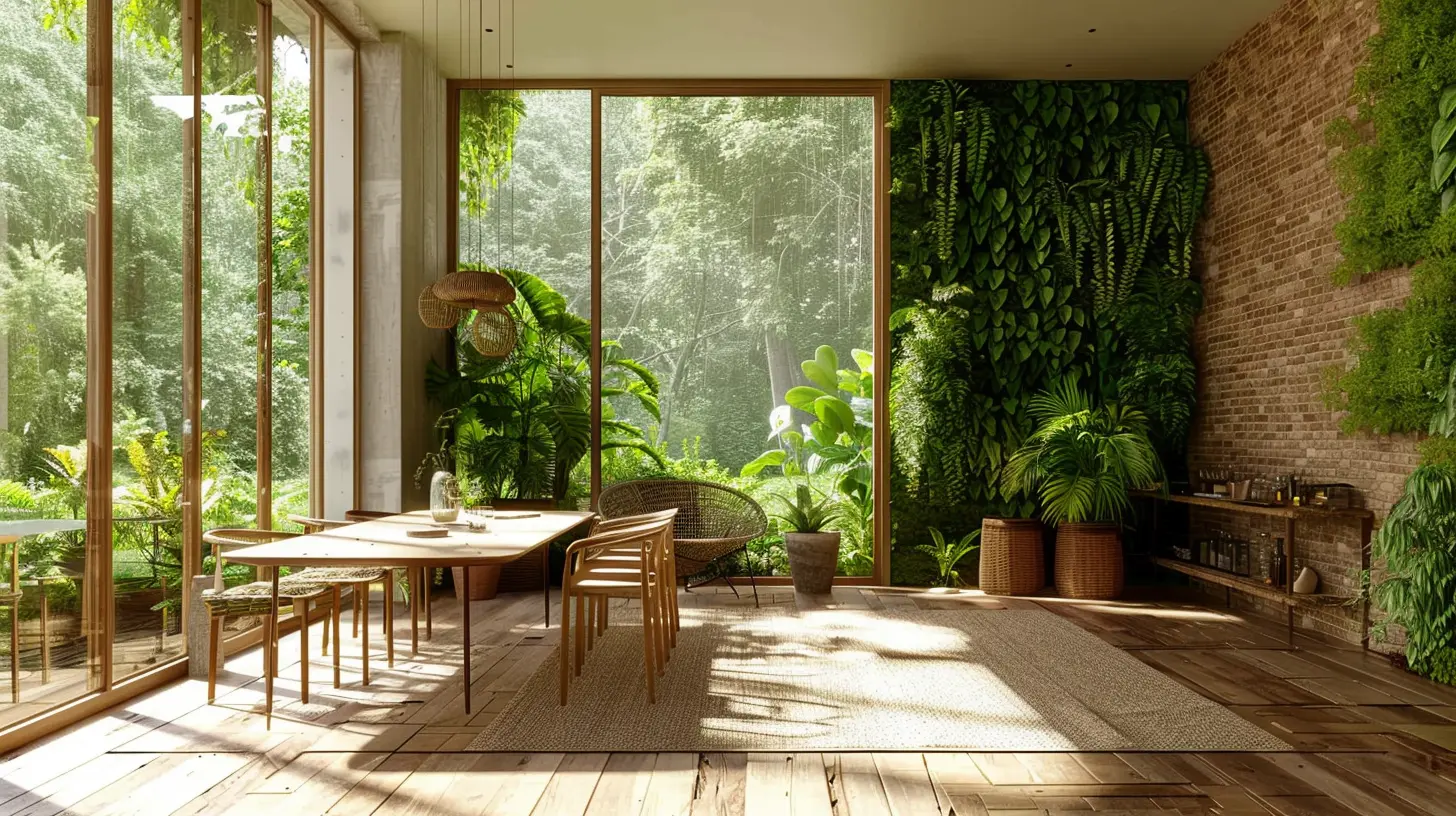
The Benefits of Biophilic Design
Before we jump into how to implement biophilic design, let's talk benefits. Is it really worth the effort? Absolutely! Here’s why:1. Boosts Mental Well-Being
Spending time around nature reduces stress, anxiety, and fatigue. When you bring natural elements into your home, you create a space that feels soothing and rejuvenating.2. Enhances Air Quality
Plants act as natural air purifiers, removing toxins and pollutants from the air. This leads to better indoor air quality, which can improve respiratory health and reduce allergies.3. Increases Productivity
Studies have shown that natural elements in workspaces increase focus, creativity, and overall efficiency. If you work from home, incorporating biophilic design can make your space more inspiring.4. Regulates Temperature and Acoustics
Natural materials like wood and stone can regulate temperatures and reduce noise levels, making your home more comfortable and energy-efficient.5. Adds Value to Your Property
Nature-inspired designs are highly desirable in real estate. Potential buyers and renters are often drawn to spaces that feel fresh, open, and naturally inviting.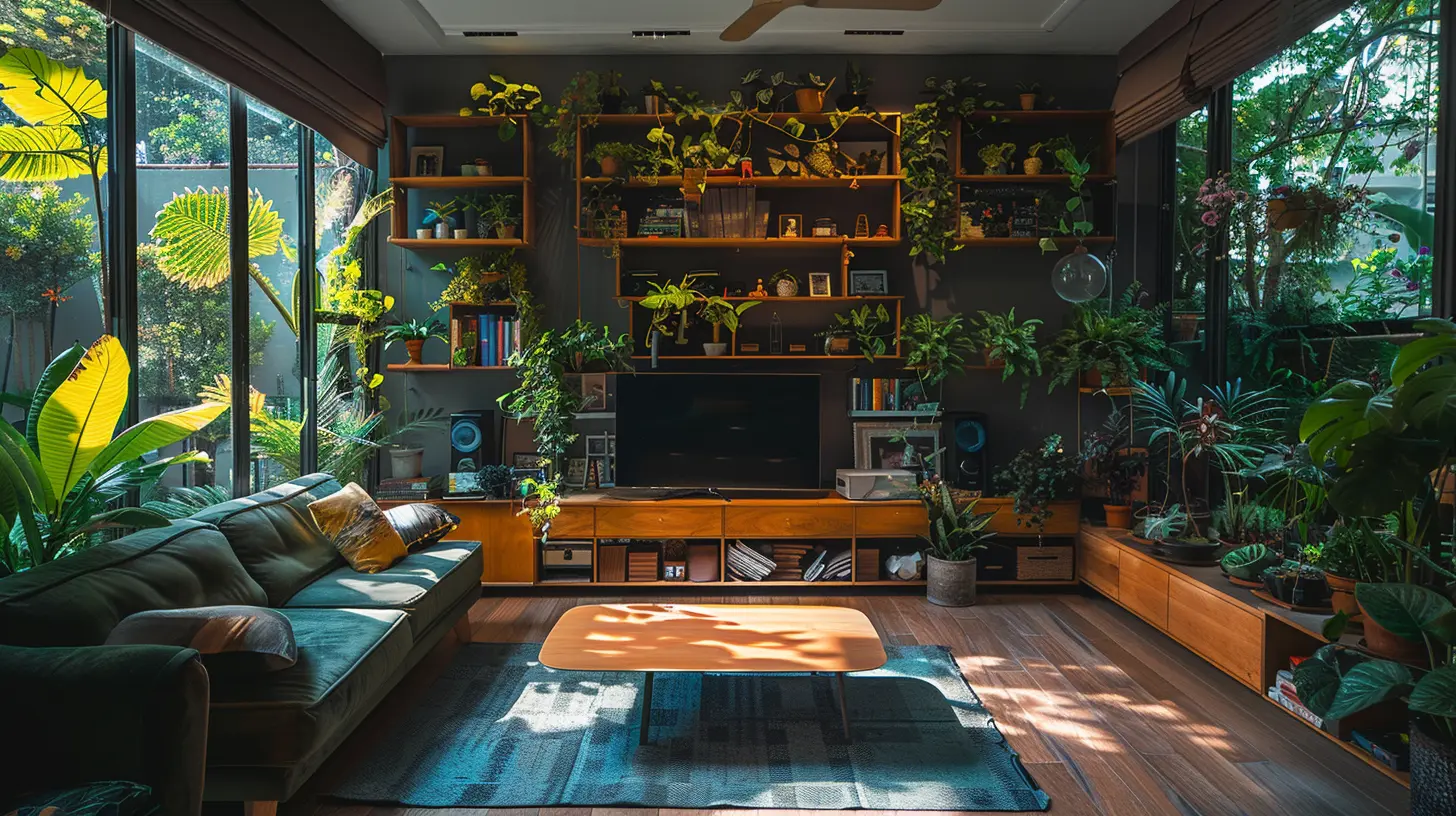
How to Incorporate Biophilic Design into Your Home
Now that we’ve covered the why, let’s get into the how. Here are some simple and effective ways to incorporate biophilic design into your home:1. Maximize Natural Light
Nothing beats the glow of natural sunlight. Open up your windows, use sheer curtains, and arrange furniture in a way that allows light to flood your space. If natural light is limited, consider using mirrors to reflect light and brighten the room.2. Bring in Greenery
Plants are the easiest way to incorporate biophilic design. Whether it’s tall indoor trees, leafy ferns, or hanging vines, greenery brings life to any room. If you struggle to keep plants alive, opt for low-maintenance options like snake plants, pothos, or succulents.3. Use Natural Materials
Swap out synthetic furniture and décor with natural materials like wood, bamboo, stone, clay, and wool. These elements create warmth and texture while reinforcing a connection with nature.4. Incorporate Water Features
A small indoor fountain, tabletop waterfall, or even an aquarium can bring a calming effect to your space. The sound of flowing water mimics natural environments and promotes relaxation.5. Choose Earthy Color Palettes
Nature-inspired colors like greens, browns, blues, and warm neutrals create a calming atmosphere. Think about the shades you see in a forest, at the beach, or on a mountain—they all evoke a sense of serenity.6. Introduce Organic Shapes and Patterns
Nature doesn’t work in straight lines. Embrace curves and organic forms in furniture, wall art, and décor. Patterns inspired by leaves, waves, or flowers can subtly enhance the biophilic feel of a space.7. Create a Visual Connection with Nature
If possible, position your furniture to allow for outdoor views. A window overlooking a garden or even a small balcony with plants can create a sense of openness. If outdoor views aren’t an option, use nature-inspired wallpaper, murals, or framed botanical art.8. Improve Indoor Airflow
Good airflow mimics outdoor breezes, making your space feel fresher and more natural. Ceiling fans, open windows, and strategically placed air purifiers can make your indoor environment feel more breathable.9. Use Natural Fragrances
Scent is a powerful tool in biophilic design. Essential oils, soy candles, or fresh flowers can bring the aroma of nature indoors. Scents like lavender, eucalyptus, or sandalwood can create a spa-like atmosphere.10. Incorporate Wooden or Stone Elements
Imagine the coziness of a wooden coffee table or the luxury of a stone countertop. These natural materials not only enhance aesthetics but also contribute to a grounding, earthy feel.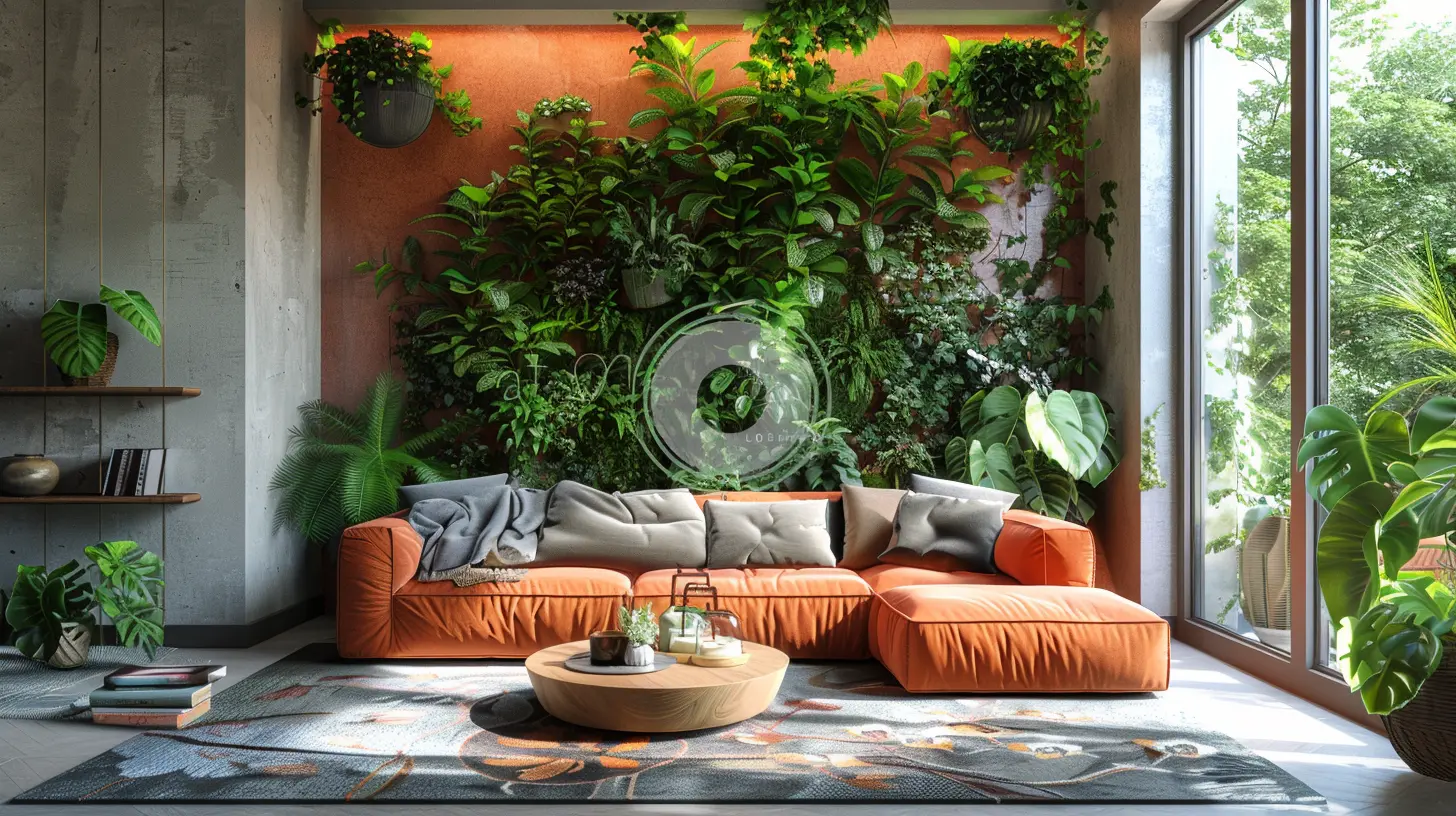
Biophilic Design in Different Spaces
Now that you have a general idea of how to bring nature inside, let’s look at how biophilic design can be applied to different areas of your home.Living Room
- Large potted plants or a vertical garden- Woven rugs and wooden furniture
- Natural fiber upholstery and cushions
- Large windows or mirrors to reflect light
Bedroom
- Soft, natural bedding materials like cotton or linen- A small tabletop fountain for relaxation
- Warm-toned lighting to mimic sunset hues
- Aromatherapy diffusers with botanical essential oils
Kitchen
- Herb gardens on countertops or windowsills- Wooden cutting boards and stone countertops
- Open shelving with ceramic and glassware
- Skylights to enhance natural brightness
Bathroom
- Bamboo bath mats and wooden shelving- Hanging eucalyptus or natural plant accents
- Soft, neutral colors with stone-textured tiles
- A rainfall showerhead for an outdoor bathing feel
The Future of Biophilic Design
Biophilic design is more than just a trend—it’s a movement towards healthier, more sustainable living. With urbanization increasing and outdoor spaces becoming limited, bringing nature indoors is no longer a luxury but a necessity.Many architects and interior designers are leaning into biophilic design principles to create homes and workplaces that prioritize well-being. And with smart home technology, we can now integrate natural elements seamlessly with modern convenience. Imagine automated blinds that adjust to natural lighting cycles or air purifiers that mimic fresh forest air. The possibilities are endless!
Final Thoughts
Incorporating biophilic design isn’t just about decoration—it’s about creating a space that nurtures, inspires, and rejuvenates. Whether you’re adding a few plants, maximizing natural light, or choosing nature-inspired textures, each element contributes to a healthier and happier home.So, why not take a small step today? Start with a single plant, open your windows, or swap synthetic materials for something more natural. Before you know it, your indoor space will feel like a peaceful retreat—one that truly connects you with the beauty of the natural world.
all images in this post were generated using AI tools
Category:
Home Design TrendsAuthor:

Basil Horne
Discussion
rate this article
2 comments
Galina Long
Enhancing well-being through nature-inspired indoor spaces is essential.
January 17, 2026 at 9:52 PM
Basil Horne
Absolutely! Nature-inspired indoor spaces significantly boost well-being and productivity, making biophilic design essential for healthier living environments.
Calyx McQuaid
Biophilic design isn't just a trend—it's a necessity. Embracing nature indoors enhances well-being and elevates property value. Invest wisely!
December 26, 2025 at 4:45 AM
Basil Horne
Absolutely! Biophilic design not only improves well-being but also boosts property value, making it a smart and essential investment for healthier, more harmonious spaces.