Commercial Real Estate Insurance: What You Need to Know
7 February 2026
When investing in commercial real estate, there's one thing you can't afford to overlook—insurance. Think of it as your business’s safety net, protecting you from unexpected disasters, legal trouble, or financial ruin. But let’s be real—insurance policies can be complicated, full of jargon, and downright confusing.
Don’t worry, though! This guide will break it all down in simple terms, so you know exactly what to look for when insuring your commercial property. Whether you're a new investor or a seasoned pro, understanding your insurance options could save you from a financial nightmare down the road.

What Is Commercial Real Estate Insurance?
Commercial real estate insurance is a policy designed to protect businesses and property owners from financial loss due to damage, liability claims, or other unforeseen events. It covers properties like office buildings, retail spaces, warehouses, and even rental properties.Think of it like car insurance—except instead of covering fender benders, it helps safeguard your property from fire, storms, vandalism, and even lawsuits.
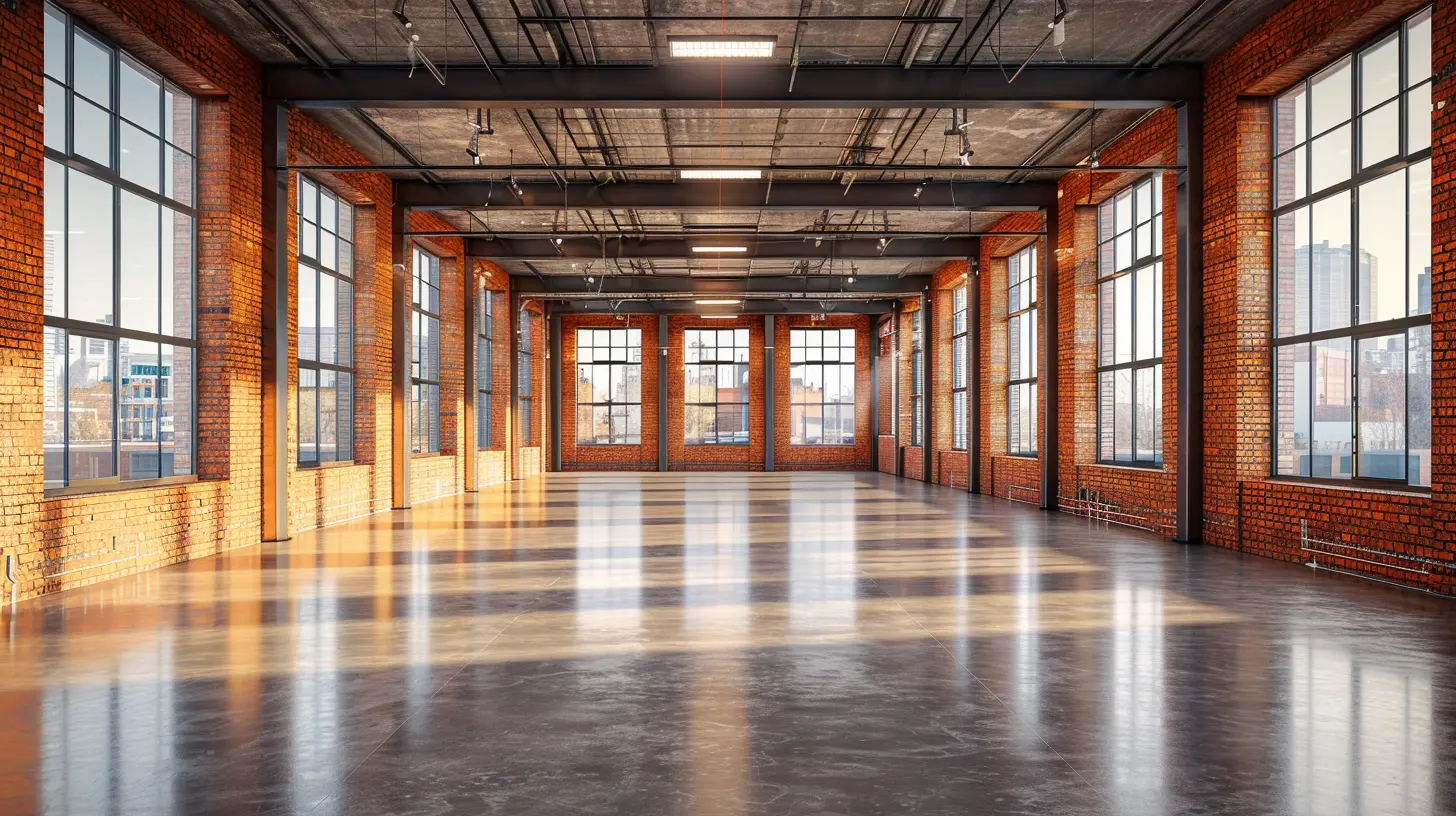
Why Is Commercial Property Insurance Important?
Imagine this: A fire breaks out in your office building, destroying valuable equipment, furniture, and parts of the structure itself. Without insurance, you’d be stuck paying for repairs, replacements, and any income lost while your tenants vacate during repairs.Now, let’s take it up a notch. What if someone slips and falls in your building? They could sue you for medical expenses, lost wages, and even emotional distress. Without insurance, you might be forced to pay out-of-pocket, which could sink your investment faster than a leaky boat.
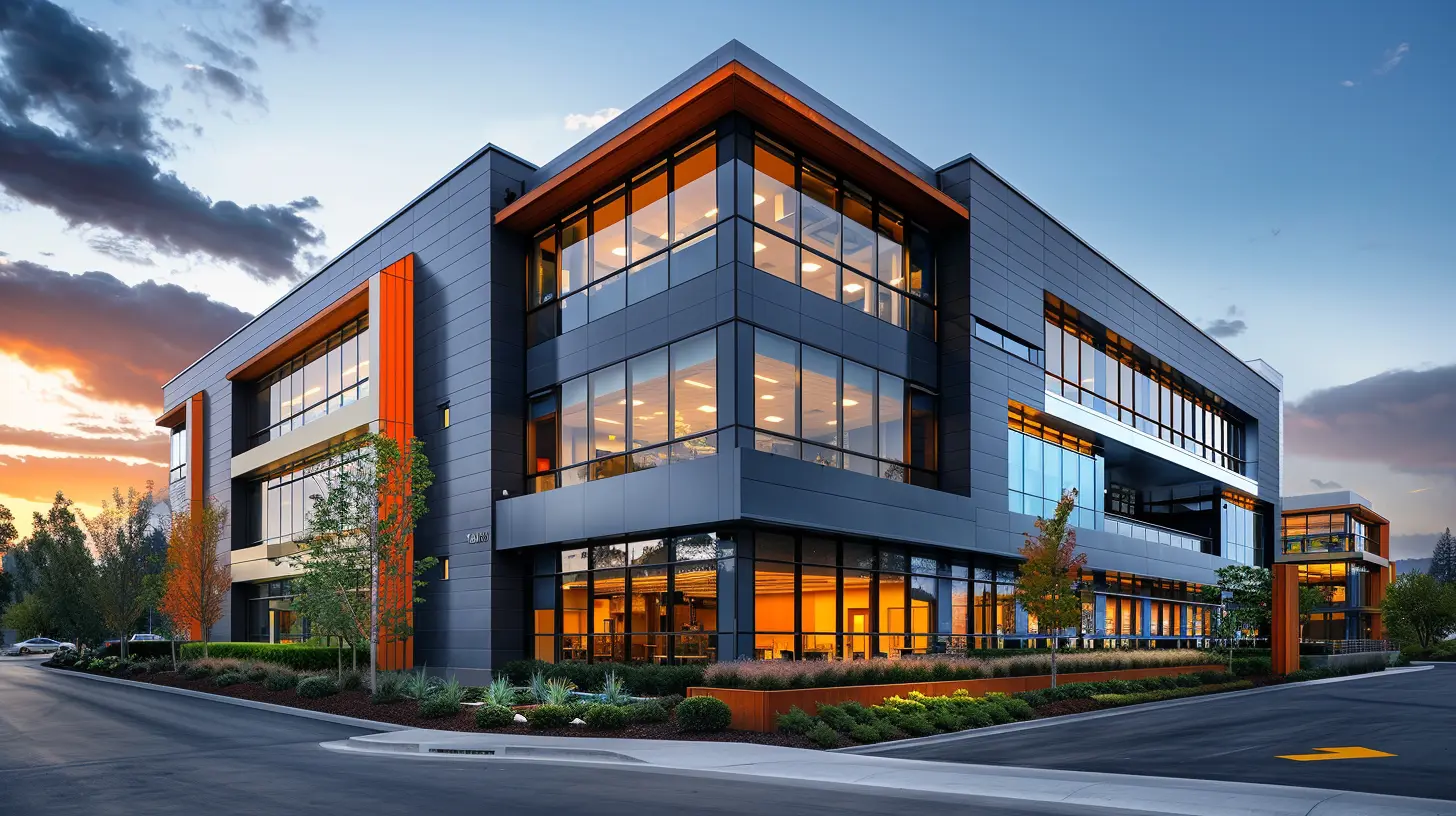
Types of Commercial Real Estate Insurance
Not all commercial insurance policies are created equal. Depending on the type of property you own and the risks involved, you'll need different kinds of coverage. Let's break it down:1. Property Insurance
This covers the physical building and anything inside it, including equipment, furniture, and fixtures. It protects against:- Fire
- Theft
- Natural disasters (depending on the policy)
- Vandalism
- Accidental damage
If your property is your livelihood, this is a must-have.
2. General Liability Insurance
Liability insurance protects you if someone gets injured on your property or if there’s property damage caused by you or your business operations.For example, if a customer slips on a wet floor in your shopping center and sues, liability insurance helps cover legal fees, medical bills, and settlements.
3. Business Interruption Insurance
What if your building suffers major damage and tenants have to vacate? Business interruption insurance helps cover lost rental income while repairs are being made. It ensures you still have cash flow when your property is temporarily out of commission.4. Workers’ Compensation Insurance
If you have employees, this is non-negotiable. Workers’ compensation covers medical expenses and lost wages if an employee gets injured on the job.5. Umbrella Insurance
Think of umbrella insurance as an extra layer of security. If a major lawsuit or claim exceeds your general liability coverage, umbrella insurance steps in to cover the rest. It’s a financial lifesaver for large-scale commercial property owners.6. Flood and Earthquake Insurance
Standard property insurance typically doesn’t cover floods or earthquakes. If your property is in a high-risk area, adding this coverage might be essential to avoid devastating losses.
Factors That Influence Commercial Real Estate Insurance Costs
Now that you know what types of coverage you need, you're probably wondering—how much will this cost? Unfortunately, there's no one-size-fits-all answer. Several factors play a role in determining your insurance premium:1. Location
Properties in areas prone to natural disasters (hurricanes, floods, earthquakes) usually have higher premiums. Crime rates in the area can also affect costs.2. Property Size and Value
The larger and more expensive your property, the higher your insurance costs. Makes sense, right? A small office building won’t cost as much to insure as a massive shopping mall.3. Building Age and Condition
Older buildings may require higher premiums due to outdated electrical, plumbing, or structural issues. Well-maintained buildings, on the other hand, may qualify for lower rates.4. Occupancy and Usage
What kind of business operates in your building? A retail store has different risks than a manufacturing plant. The riskier the business, the higher the cost.5. Security Measures
Installing fire alarms, sprinkler systems, security cameras, and burglar alarms can reduce insurance costs by lowering risk.6. Claims History
If you've filed multiple insurance claims in the past, insurers might see your property as high-risk, leading to higher premiums.Tips for Choosing the Right Commercial Insurance Policy
Picking the right insurance policy isn’t just about getting the cheapest option. You want comprehensive coverage that protects your investment. Here are some tips to help you choose wisely:1. Work With an Insurance Broker
An experienced broker can help you navigate the complex world of commercial real estate insurance, ensuring you get the best coverage at the best price.2. Read the Fine Print
Not all policies cover everything you might assume they do. Be sure to check for exclusions and limitations so you're not caught off guard.3. Bundle Policies for Discounts
Many insurers offer discounts for bundling multiple types of coverage (like property and liability insurance). It’s a great way to save money while maximizing protection.4. Regularly Review and Update Your Policy
Your insurance needs may change over time. If you renovate your property, add tenants, or expand, update your policy to reflect new risks and values.5. Consider Deductibles Wisely
A higher deductible means lower premiums, but it also means higher out-of-pocket costs if you ever need to file a claim. Find a balance that works for your budget.
Final Thoughts
Owning commercial real estate is a major investment, and the right insurance policy helps protect that investment from the unexpected. While it may seem like just another expense, it’s a crucial safety net that can save you from catastrophic financial loss.Don’t wait until disaster strikes to realize your coverage isn’t enough. Take your time, research your options, and invest in a policy that gives you peace of mind. After all, protecting your commercial property today can save you from a financial disaster tomorrow.
all images in this post were generated using AI tools
Category:
Commercial Real EstateAuthor:

Basil Horne
Discussion
rate this article
2 comments
Charlotte Dorsey
Understanding coverage types is crucial for protecting your commercial property investments effectively.
February 25, 2026 at 5:08 AM
Basil Horne
Absolutely! Understanding coverage types is essential to safeguarding your investments and ensuring comprehensive protection against potential risks.
Grey Palmer
Navigating commercial real estate insurance might sound serious, but think of it as a safety net for your business dreams! Protect your investment and keep the good vibes rolling – you got this!
February 15, 2026 at 11:58 AM
Basil Horne
Thanks for the positive perspective! It's all about securing our dreams and investments. Cheers to staying protected!