The Sophistication of Monochromatic Design in Home Décor
7 May 2026
When it comes to home décor, trends come and go, but some styles have an undeniable sense of timeless sophistication. One such approach is monochromatic design—a style that exudes elegance, harmony, and simplicity while maintaining a strong visual impact. But what exactly makes monochromatic interiors so appealing? And how can you achieve this look in a way that feels intentional rather than one-dimensional?
Let’s dive deep into the art and science of monochromatic home design and uncover why this aesthetic is rapidly gaining popularity among homeowners and interior designers alike. 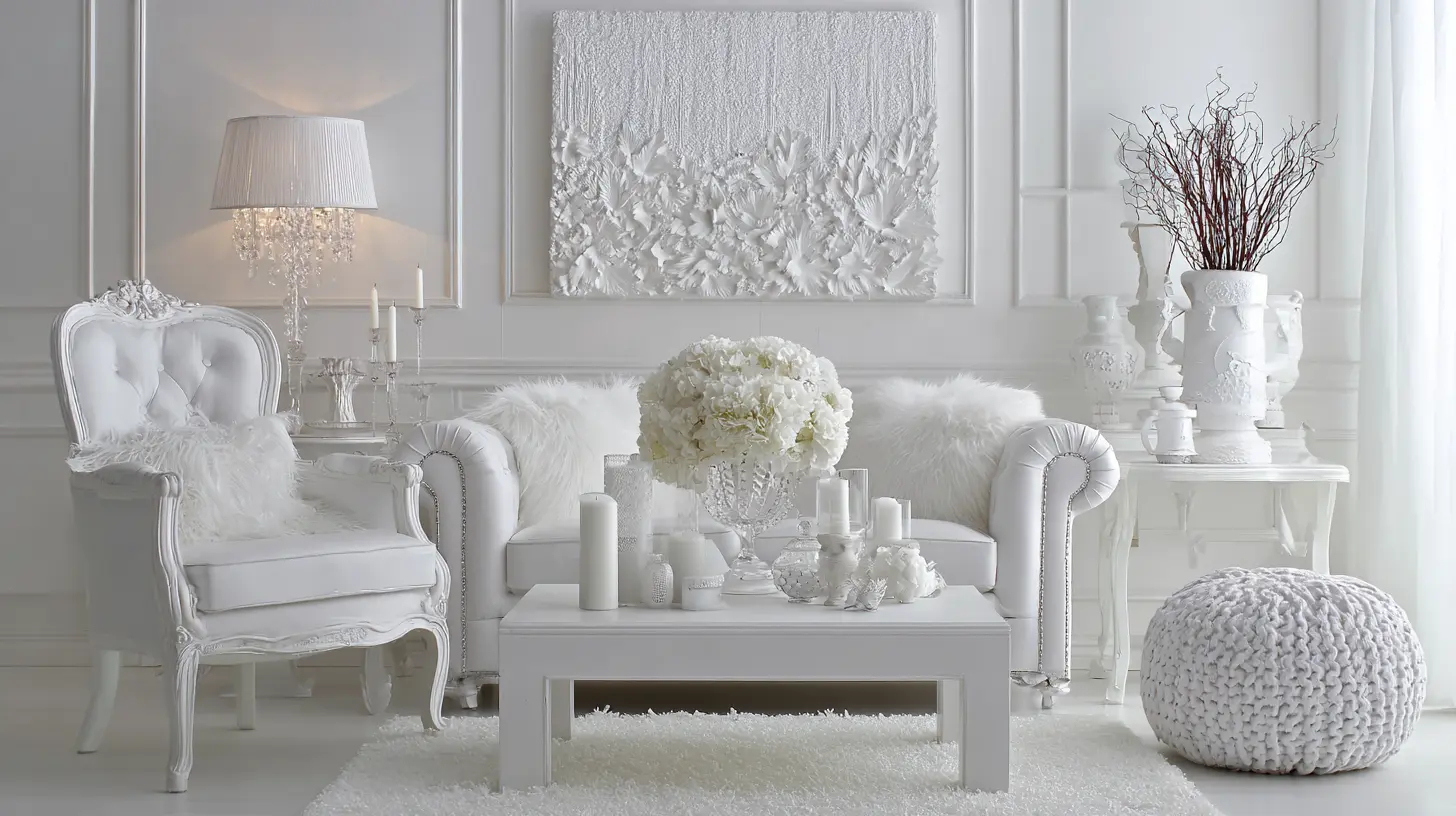
What Is Monochromatic Design?
In the simplest terms, a monochromatic color scheme is built around a single base color with various shades, tints, and tones of that hue. This approach creates a harmonious and cohesive look by maintaining consistency across the space while still offering depth and contrast.For example, if you choose blue as your base color, your palette might include deep navy, dusty blue, soft sky blue, and even hints of icy blue. This variation prevents the space from feeling flat or monotonous while adding layers of sophistication.
But here’s the real magic: monochromatic design doesn’t mean boring—it’s quite the opposite. When done right, it can be incredibly dynamic, evoking a sense of serenity, luxury, or even drama, depending on the color you choose. 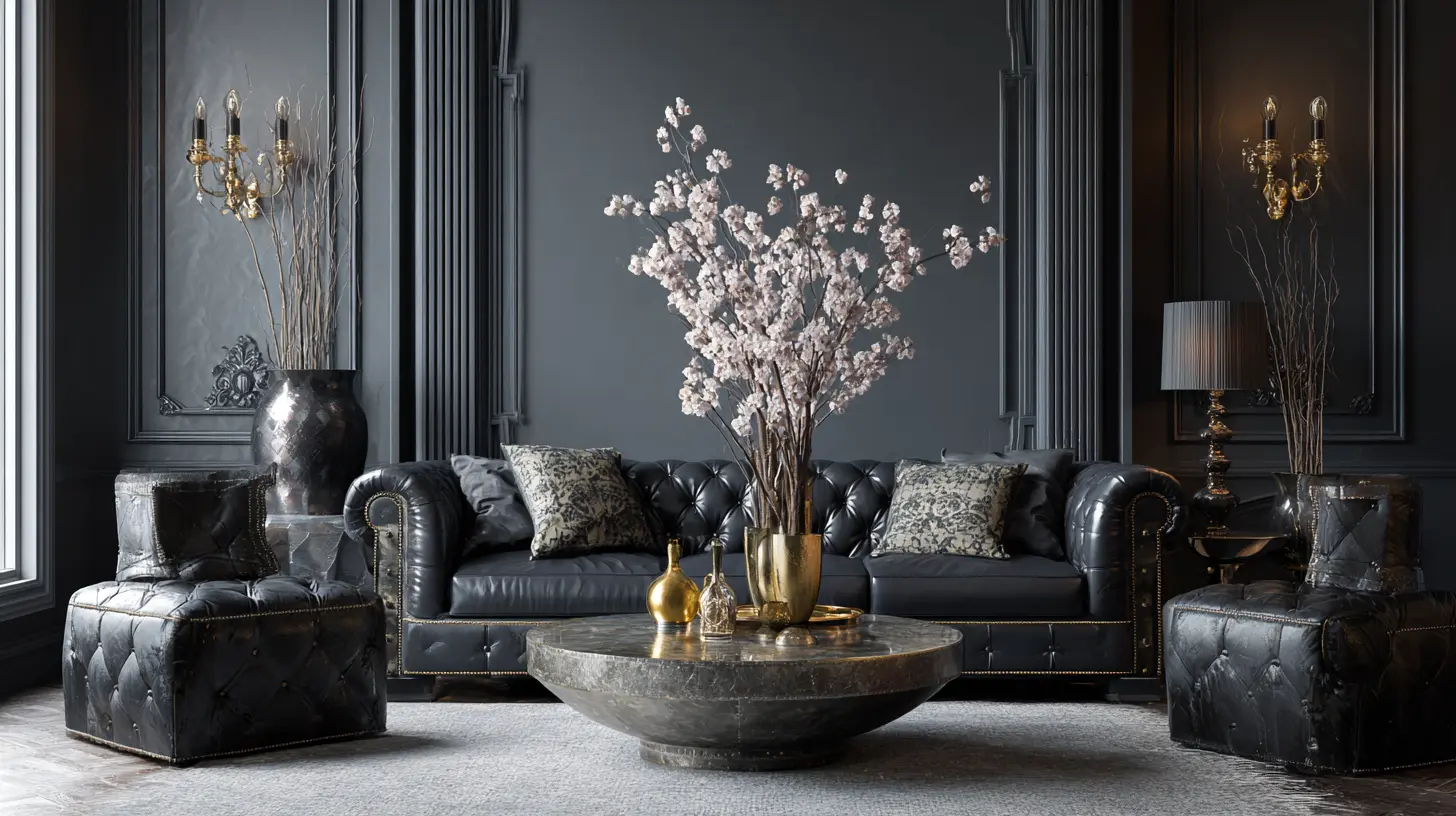
The Psychological Impact of Monochromatic Design
Ever walked into a room and immediately felt relaxed, energized, or even inspired? That’s the power of color psychology in action. Choosing the right monochromatic scheme can influence the mood and ambiance of your home.- Soft neutrals (beige, taupe, greys) → Create a calming and cozy environment, perfect for a bedroom or a minimalist living room.
- Blues and greens → Evoke a sense of peace and tranquility, making them ideal for offices or reading nooks.
- Bold dark tones (black, deep navy, rich emerald) → Exude drama, sophistication, and confidence—great for a statement dining or lounge area.
- Warm tones (earthy browns, terracotta, muted reds) → Add warmth and comfort, making spaces feel inviting and grounded.
By carefully choosing your base color, you can control how your home feels, affecting not just aesthetics but also your day-to-day well-being. 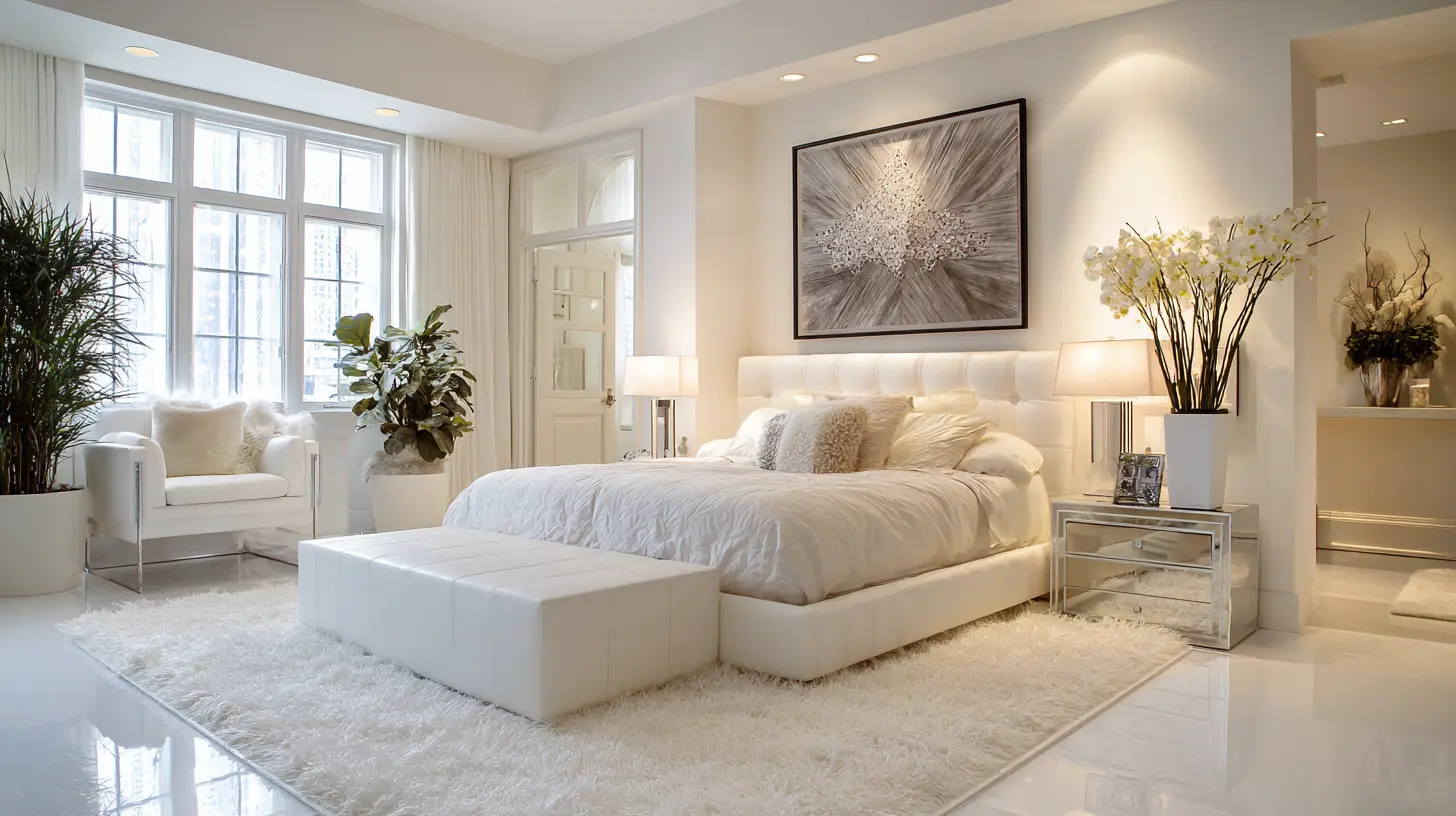
How to Master Monochromatic Home Décor
Now that you’re sold on the beauty of monochromatic interiors, let’s talk about execution. A single-color palette may seem limiting, but with the right strategy, you’ll be surprised at how versatile and visually interesting your décor can be.1. Layering Shades and Tones
The key to preventing a monochromatic space from feeling flat or dull is layering. Play around with different shades of your chosen color—go darker for accents and lighter for larger areas to maintain balance.For example, if you’re working with a grey palette, you might use charcoal for furniture, dove grey for walls, and soft ash grey for textiles like curtains or rugs. This layering adds depth and dimension, ensuring the space feels rich and dynamic.
2. Texture is Your Best Friend
When sticking to one color family, texture becomes essential. A room filled with just flat, painted surfaces could lack personality. The solution? Mix different materials and finishes to introduce visual interest.Imagine a monochromatic white living room:
- A plush white rug
- A sleek glossy coffee table
- Linen-textured sofas
- Wool throw blankets
- Matte ceramic vases
Each element plays a part in adding tactile variety, preventing the space from feeling sterile or repetitive.
3. Contrast With Black or White Accents
Even in a monochromatic scheme, small pops of black or white accents can enhance the look without straying from the theme. Black picture frames, white ceramic accessories, or natural wood furniture can create just enough contrast to make the space pop.Think of it like adding a splash of seasoning to a perfectly cooked dish—it heightens the flavor without overpowering it.
4. Use Patterns and Prints Wisely
A monochromatic space doesn’t mean you have to stay away from patterns. In fact, subtle prints and patterns in the same color family can elevate the design. Think along the lines of:- Geometric prints on throw pillows
- Striped or textured wallpapers
- Marble countertops with natural veining
- Herringbone or chevron-patterned flooring
These elements introduce flair while maintaining the room’s color cohesion.
5. Incorporate Different Finishes
Mixing matte, glossy, metallic, or even rough finishes can enhance depth and sophistication. Consider adding:- Brushed brass or chrome fixtures in a grey-toned space
- A glossy lacquered dining table against matte-painted walls
- Velvet upholstery to contrast with smooth wooden furniture
These subtle contrasts make the space feel more deliberate and thoughtfully designed.
6. Let Lighting Do the Talking
Lighting plays a crucial role in monochromatic décor. Proper illumination enhances the color variations in the room, making them more noticeable.- Soft ambient lighting helps maintain a cozy and inviting space
- Directional lighting (like wall sconces or spotlights) emphasizes textures and focal points
- Natural light brings out the true depth of shades and tones
Opt for light fixtures that align with the overall aesthetic, whether that’s sleek and modern or soft and elegant. 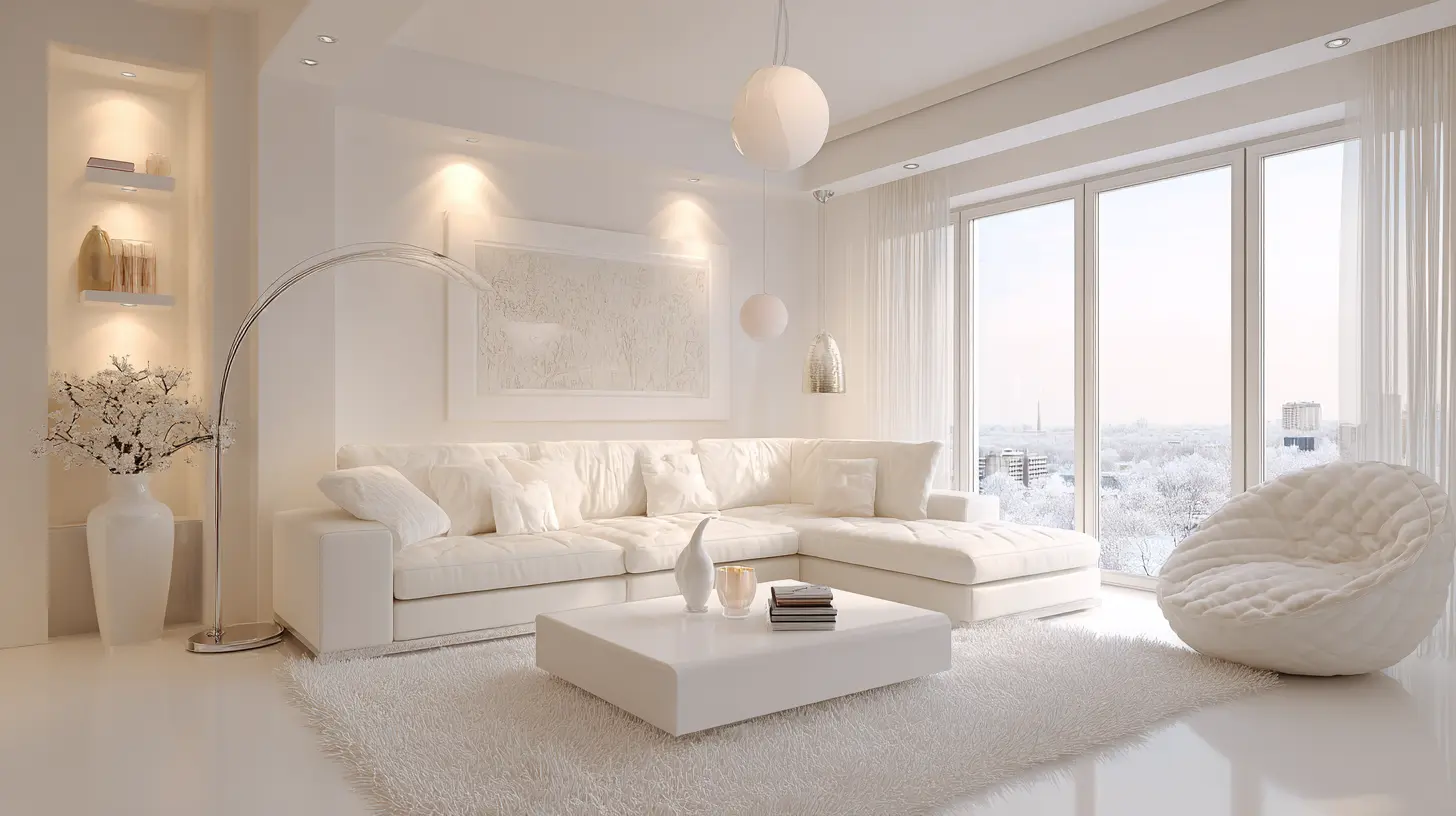
Monochromatic Design in Different Home Spaces
Living Room
A monochromatic living room should feel welcoming yet stylish. Try pairing a sofa in a deeper hue with lighter-toned cushions and adding layers through textured throws, rugs, and curtains.Bedroom
For a serene retreat, a neutral monochromatic palette works wonders. Think creamy whites, soft greys, and muted pastels, enhanced with plush bedding and soft lighting.Kitchen
A monochrome kitchen—whether black, white, or a deep shade like navy—can look effortlessly chic. Use contrasting hardware and stone or wood textures for balance.Bathroom
A monochromatic spa-inspired bathroom (hello, dreamy all-white or soft beige aesthetics!) can turn an everyday routine into a luxurious experience. Adding marble, stone, and warm lighting can dial up the sophistication.Why Monochromatic Design Remains Timeless
Some design trends fade quickly, but monochromatic interiors have stood the test of time. Why? Because simplicity never goes out of style.This approach is perfect for:
✅ Those who love minimalism, sophistication, and ease of coordination
✅ Anyone looking to create a serene, cohesive, and elegant atmosphere
✅ Homeowners who enjoy playing with textures and subtle contrasts
With the right mix of shades, textures, and lighting, a monochromatic scheme can transform any space into a sophisticated sanctuary.
So, if you’ve ever been hesitant about committing to a single-color palette, don’t be! The richness of monochromatic design lies in its depth, harmony, and timeless appeal.
Final Thoughts
Monochromatic home décor isn’t just a trend—it’s a design philosophy that embraces simplicity and sophistication in equal measure. Whether you prefer cool-toned minimalism, earthy warmth, or bold, moody hues, there’s a monochromatic scheme out there that can turn your home into a masterpiece.Now, take a look around your space—could a monochromatic makeover be the missing key to your dream home?
all images in this post were generated using AI tools
Category:
Home Design TrendsAuthor:

Basil Horne
Discussion
rate this article
2 comments
Thorne McClain
Monochromatic design truly brings a unique elegance to spaces. It offers a calming atmosphere and allows for personal expression in decor.
August 2, 2026 at 4:06 AM
Basil Horne
I completely agree. Monochromatic design not only enhances elegance but also creates a tranquil backdrop for personal touches. It's a timeless approach to home decor.
Katherine McDowney
Monochromatic design: because why have a rainbow when you can have fifty shades of chic? Let's paint the town... gray!
May 11, 2026 at 4:01 AM