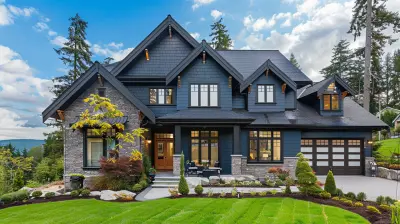
How to Choose the Best Neighborhoods for House Flipping
20 January 2026
Flipping houses can be an incredibly lucrative business—if you do it right. But where you buy matters just as much as what you buy. Picking the right neighborhood determines whether your flip will sell like hotcakes or sit on the market collecting dust.
So, how do you choose the best neighborhoods for house flipping? Let’s break it down step by step. 
1. Focus on High-Demand Areas
The first rule of house flipping? Make sure there’s a strong demand. You don’t want to be stuck with a beautiful remodel that no one wants to buy.Look for signs that homes in the neighborhood are selling quickly. Check online listings—if houses are sitting for months, that’s a red flag. Instead, aim for areas where homes sell within 30 to 60 days.
How to Spot a High-Demand Area:
- Follow the Days on Market (DOM) – The lower the number, the better!- Check price appreciation trends – Are home values going up? That’s a great sign of demand.
- Look at rental vs. ownership rates – Areas with high homeownership rates tend to attract more buyers.
2. Target Up-and-Coming Neighborhoods
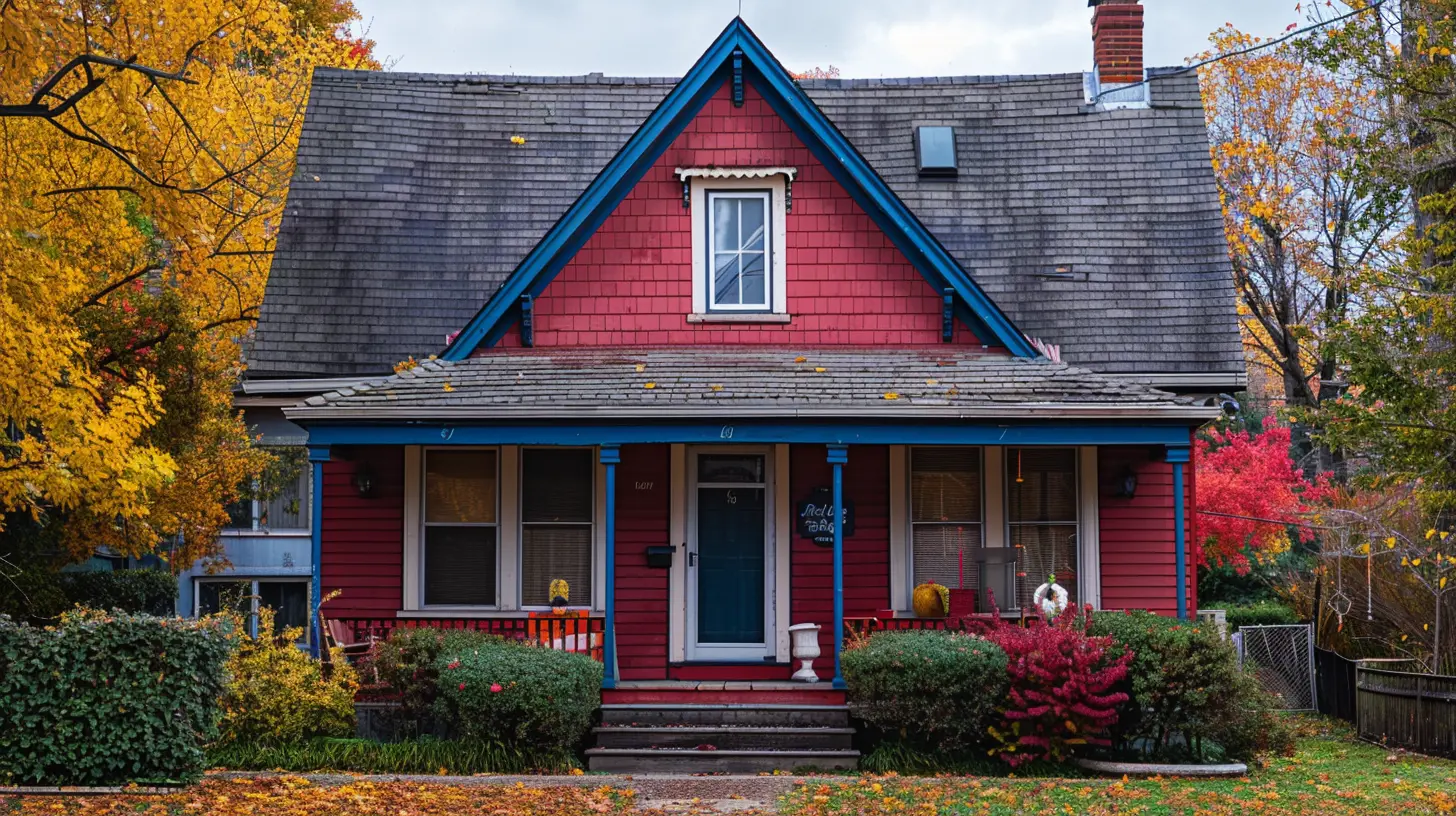
Everyone wants to flip houses in trendy areas, but guess what? Those places are already expensive! Instead, focus on neighborhoods that are on the rise.Look for areas where:
- New businesses and restaurants are popping up.
- Young professionals and families are moving in.
- Home values are steadily increasing but still affordable.
A great way to spot the next hot neighborhood? Follow the coffee shops! If trendy cafés and boutique shops are opening, home values will likely climb soon. 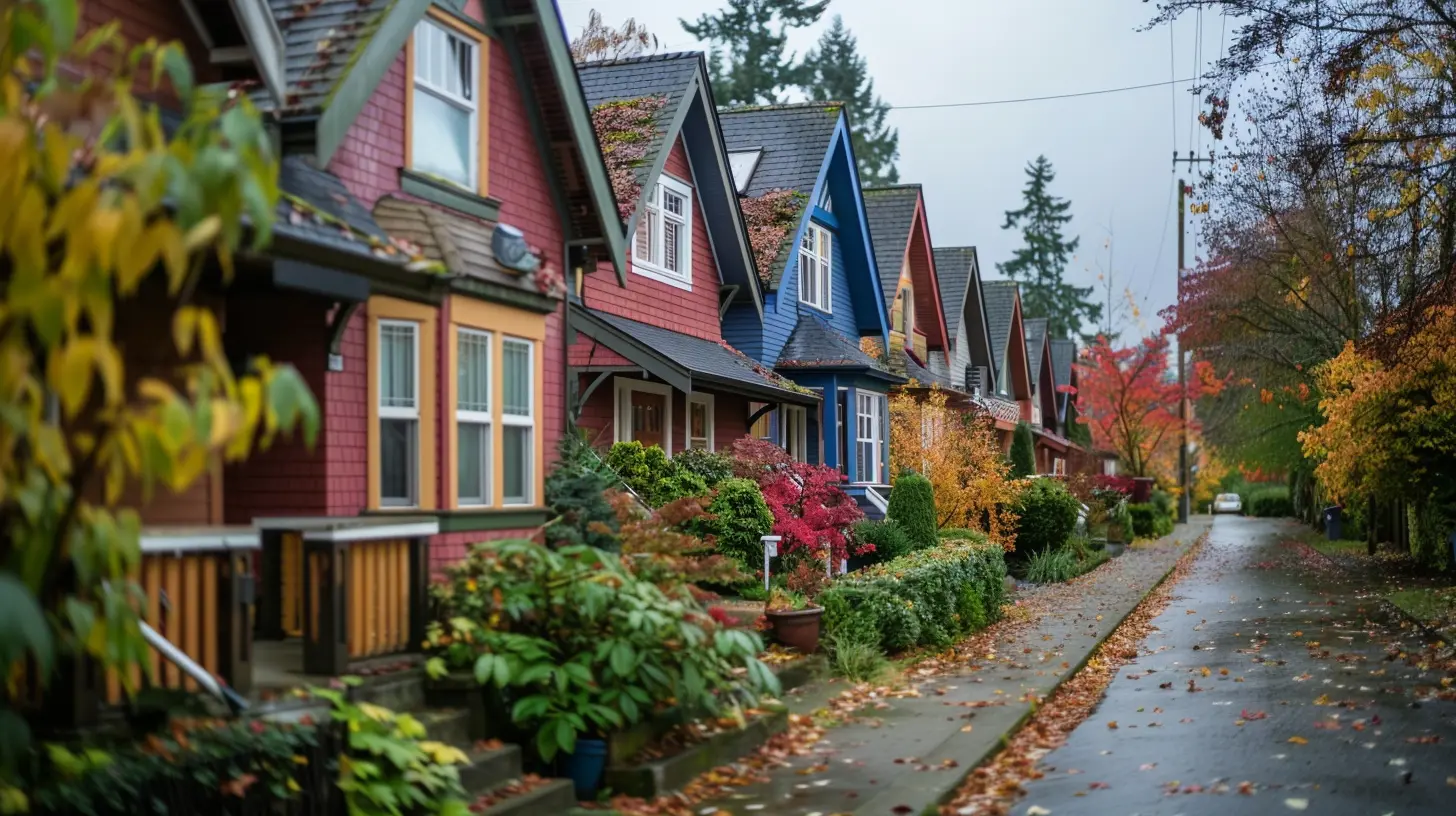
3. Check the Local Economy & Job Market
A strong economy means more potential buyers, plain and simple. Buyers want to live where they can find jobs, so keep an eye on areas with:- Low unemployment rates
- Major employers setting up shop
- A growing population
Cities experiencing an economic boom often have neighborhoods ready to explode in value. Think about places like Austin, Nashville, or Raleigh—strong job markets are fueling their real estate growth. 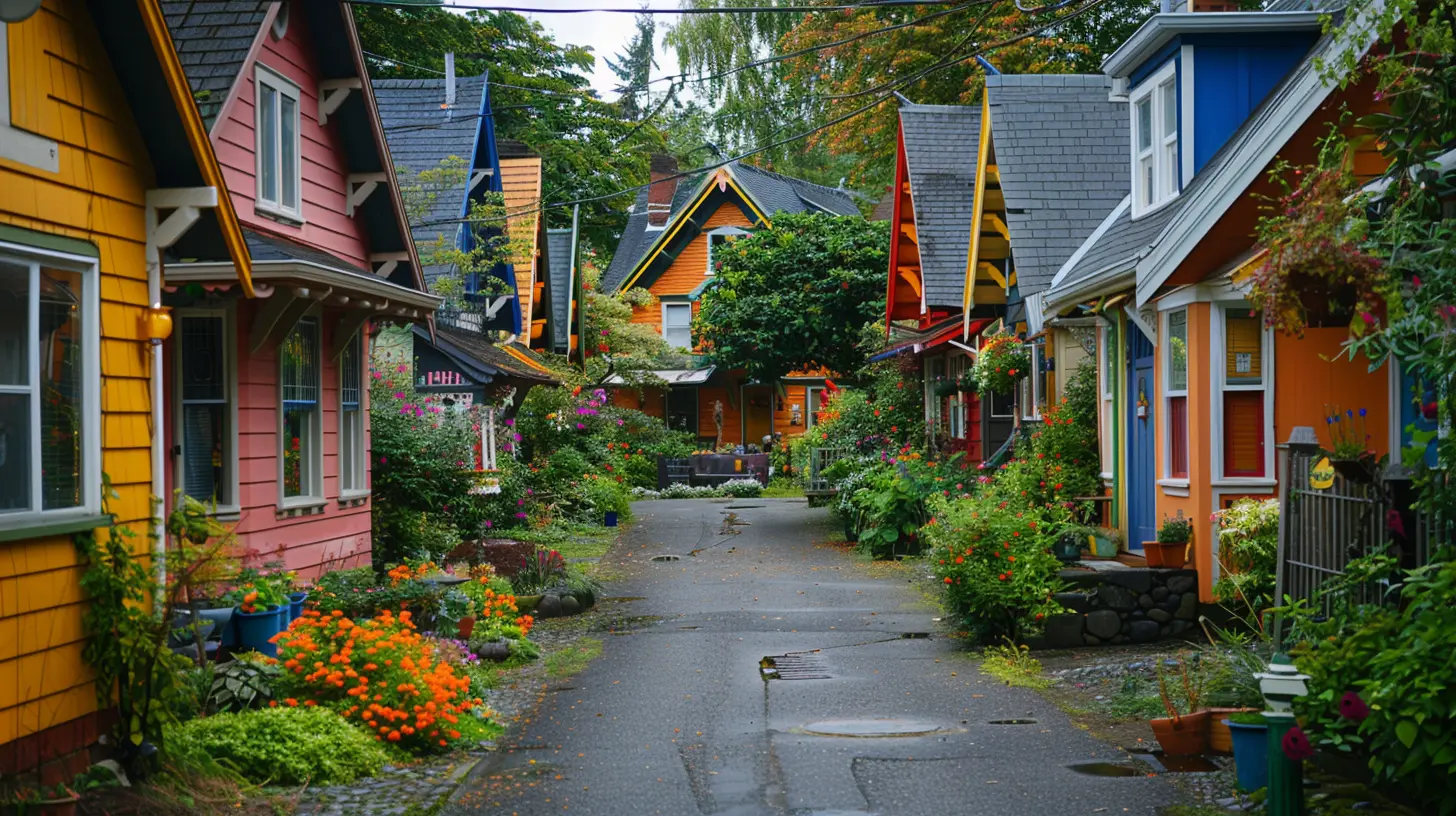
4. Research School Districts
Even if you’re not flipping a house for families, school districts still matter. Why? Because homes in good school zones are always in demand. Families will pay a premium to live in these areas, meaning faster sales and higher profits for you.How to check school ratings? Use sites like:
- GreatSchools.org
- Niche.com
- Local government school district pages
Homes in top-rated school districts tend to retain value better, so if you find a fixer-upper in a solid school zone, that’s gold!
5. Analyze Crime Rates
Nobody wants to buy a house in a high-crime area. Even if you snag a property for cheap, it won’t matter if buyers avoid the neighborhood.To check crime data:
- Visit NeighborhoodScout or CrimeReports.com
- Ask local police departments for stats
- Drive around at different times of the day—does the area feel safe?
A little research can save you from buying in an area where buyers won’t feel comfortable.
6. Look at the Comparable Sales (Comps)
Before you buy, you need to know what similar homes in the area are selling for. This helps you gauge whether your flip will turn a profit.How to check comps:
- Use sites like Zillow, Redfin, or Realtor.com
- Work with a real estate agent to pull MLS data
- Look at homes sold in the past six months—are prices rising or falling?
If recent sales show a strong price appreciation, that’s a green light. But if prices are stagnant or dropping, think twice.
7. Pay Attention to Property Taxes
A hidden cost many house flippers overlook? Property taxes.If taxes are too high, they can eat into your profit margin—or scare off potential buyers. Compare tax rates across different areas before making a purchase.
You can check property tax info by visiting:
- The county tax assessor’s website
- Online real estate listing sites (many include tax data)
Lower-tax areas can be more attractive for buyers, giving you an edge when selling.
8. Consider Access to Amenities & Infrastructure
Buyers love convenience. The closer a home is to shopping, dining, public transportation, and good roads, the more appealing it becomes.Look for areas with:
- Easy highway and public transit access
- Parks, gyms, and entertainment options
- Nearby grocery stores and retail centers
A house with a great remodel is nice, but a house in a great location sells itself!
9. Check the Neighborhood’s Aesthetic & Curb Appeal
First impressions matter. Nobody wants to live in a neighborhood full of rundown homes, abandoned properties, or unkempt yards.When scouting neighborhoods, ask yourself:
- Are homes well-maintained?
- Do neighbors take care of their lawns?
- Is there a sense of community?
A charming street with clean sidewalks and well-kept homes will always attract buyers more than a neglected area.
10. Watch Out for Oversaturation
Even in a hot market, there’s such a thing as too much competition. If every other home in the neighborhood is a flip, you could struggle to stand out.Before you buy, ask:
- Are multiple homes in the area already being flipped?
- Are prices getting inflated too quickly?
- Will my property be unique enough to attract buyers?
The goal is to be ahead of the curve—not just another house on the block getting a facelift.
Final Thoughts
Picking the right neighborhood for house flipping isn’t just about price—it’s about potential. If you find an area with rising demand, solid economic growth, good schools, and curb appeal, you could be sitting on a gold mine.Do your homework before jumping in, and remember: A great flip starts with a great location. Happy flipping!
all images in this post were generated using AI tools
Category:
Property FlippingAuthor:

Basil Horne
Discussion
rate this article
2 comments
Harrison McIlwain
Great insights! Choosing the right neighborhood is crucial for successful house flipping. Trust your instincts, do thorough research, and remember—perseverance pays off. Excited to see your flipping journey unfold!
February 4, 2026 at 1:45 PM
Basil Horne
Thank you! I'm glad you found the insights helpful. Trusting instincts and thorough research are key—appreciate your support!
Alyssa McEvoy
Great tips for savvy flippers!
January 25, 2026 at 1:43 PM
Basil Horne
Thank you! I'm glad you found the tips helpful for your flipping journey!