The Role of Inspections When Buying a Fixer Upper
22 July 2026
Buying a fixer-upper can be a fantastic investment. It’s an opportunity to snag a home below market value, inject some elbow grease, and create your dream space. But here’s the catch – not all fixer-uppers are worth the effort. Some are hiding money pits that could drain your budget faster than you can say “renovation nightmare.”
That’s where inspections come into play. A thorough home inspection gives you a reality check before you commit to a project that could spiral out of control. In this post, we'll dive deep into why inspections are crucial, what they should cover, and how they can save you from making a costly mistake. 
Why Are Inspections Essential for a Fixer-Upper?
Let’s face it—when buying a fixer-upper, you expect some repairs. That’s the whole point, right? But there’s a difference between cosmetic touch-ups and structural disasters. The job of an inspection is to help you separate the two.Here’s what a good inspection does for you:
- Reveals hidden issues – Not all problems are visible at first glance. Inspections uncover things like faulty wiring, foundation cracks, and plumbing nightmares.
- Helps you budget properly – You can’t plan a renovation budget without knowing the home’s actual condition. An inspection keeps you from underestimating costs.
- Gives you negotiation power – If the inspector finds major issues, you can renegotiate the purchase price or ask the seller to make repairs.
- Prevents unexpected expenses – Surprises are great for birthdays, not for home renovations. Inspections flag costly problems before they become your problem.
Now that we understand why inspections matter, let’s break down what they should cover. 
Key Areas to Inspect in a Fixer-Upper
A general home inspection is a great start, but when buying a fixer-upper, you might need specialized inspections, too. Here are the must-check areas:1. Foundation and Structural Integrity
A house with bad bones is like a car with a failing engine—no amount of cosmetic updates will fix it. Foundation issues can lead to cracked walls, uneven floors, and even structural failure. Your inspector should check for:- Cracks in the foundation
- Sloping or uneven floors
- Sticking doors and windows (signs of shifting)
- Water damage or signs of past flooding
If major foundation repairs are needed, it’s a red flag. Costs can skyrocket into tens of thousands, making your fixer-upper a financial burden.
2. Roofing Condition
The roof is your home’s first line of defense against the elements. If it’s failing, expect leaks, mold, and expensive repair bills. During the inspection, they’ll check:- Missing or curling shingles
- Soft spots or sagging
- Leaks or water damage in the attic
- The estimated age of the roof
Replacing a roof isn’t cheap, so knowing its condition upfront is crucial.
3. Electrical System
Old, outdated wiring isn’t just an inconvenience—it’s a fire hazard. Many older homes, especially fixer-uppers, still have knob-and-tube or aluminum wiring, both of which pose safety concerns. Inspectors will look for:- Outdated or unsafe wiring
- Insufficient electrical panels (can’t support modern appliances)
- Signs of overloaded circuits
- Exposed wires or improper DIY fixes
Upgrading electrical systems can be pricey, so knowing what you’re dealing with is essential.
4. Plumbing and Water Systems
Aging or faulty plumbing can lead to leaks, mold, and water damage, which are all costly to fix. Your inspection should include:- Pipe material (old lead or galvanized pipes need replacing)
- Water pressure and drainage speed
- Leaks or water stains
- The condition of the water heater
Replacing an entire plumbing system can eat into your renovation budget, so this area needs a close look.
5. Pest and Termite Inspection
Termites and other pests can turn a fixer-upper into a teardown. Wood damage caused by termites can be extensive and expensive to repair. Signs to watch for:- Hollow-sounding wood
- Mud tubes along the foundation
- Droppings or shed wings
- Structural damage to beams
A termite inspection is a small price to pay to avoid major structural issues down the road.
6. HVAC System
Heating and cooling systems are pricey to replace, so knowing their condition before you buy is key. The inspector will check:- The age of the furnace and AC unit
- Proper ductwork and insulation
- Efficiency and functionality
- Signs of past repairs or neglect
If the system is outdated, you might need to budget for a replacement. 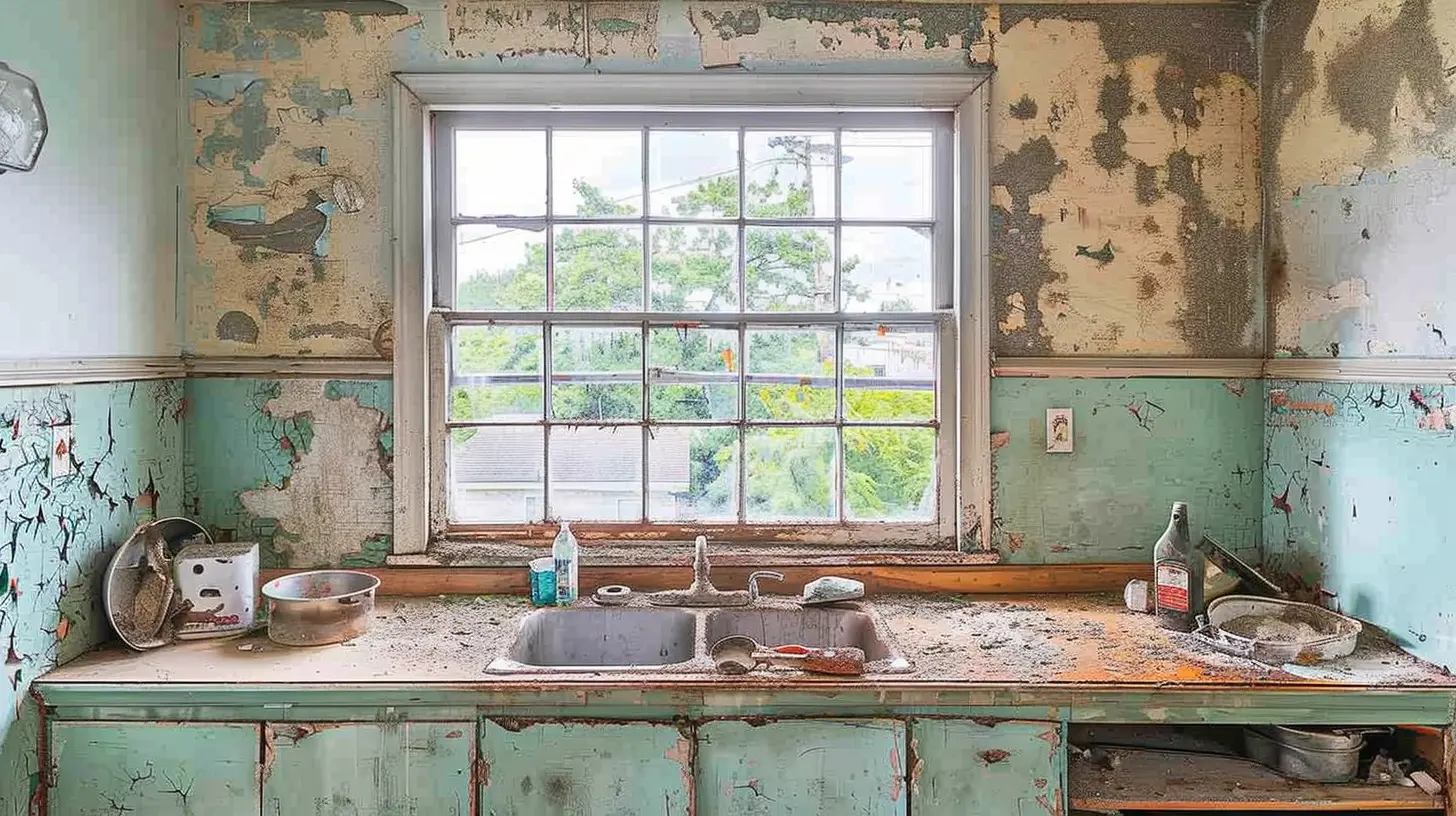
Additional Inspections Worth Considering
Beyond the basics, some fixer-uppers require extra inspections for hidden dangers. If the home is older or in a high-risk area, think about these:- Mold Inspection – If you notice a musty smell or past water damage, mold could be lurking.
- Asbestos Testing – Homes built before the 1980s may have asbestos in insulation, flooring, or walls.
- Radon Testing – High radon levels can pose serious health risks and often go undetected.
- Sewer Line Inspection – Tree roots and age-related deterioration can cause serious plumbing headaches. 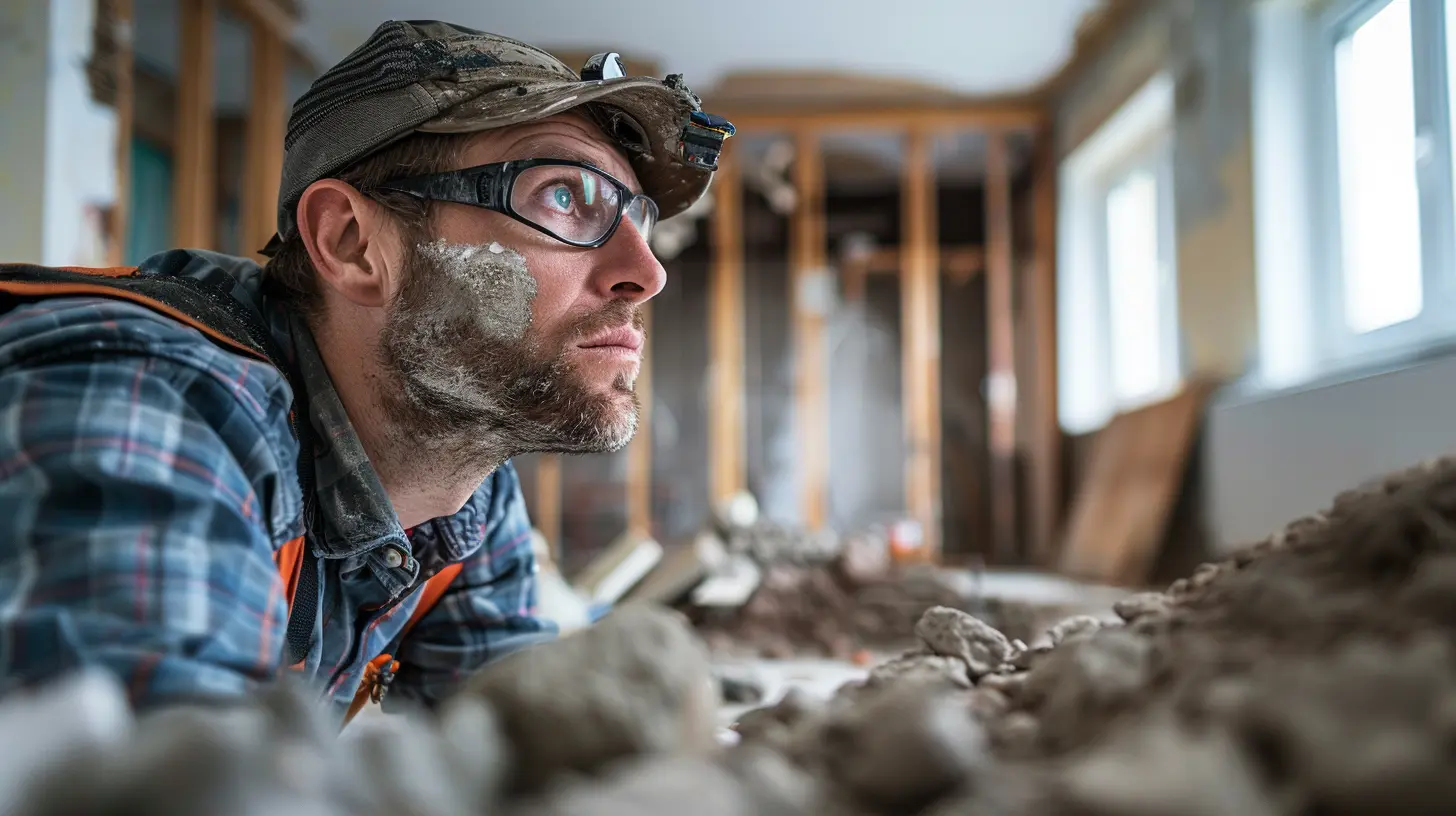
How Inspections Can Save You Money
Some people hesitate to spend money on inspections, but trust me, it’s money well spent. Here’s how inspections help you financially:- Avoids unexpected repair costs – Uncovering issues now prevents you from getting hit with costly surprises later.
- Strengthens negotiation power – If there are major problems, you can ask for a lower price or request seller concessions.
- Prevents buying an unfixable property – Some properties are beyond saving. An inspection can prevent you from making a bad investment.
Spending a few hundred dollars on inspections now can save you thousands in future repairs.
What Happens After the Inspection?
Once the inspection is complete, you’ll receive a detailed report outlining the home’s condition. Here’s what to do next:1. Review the findings carefully – Prioritize major issues over minor cosmetic fixes.
2. Get repair estimates – If there are significant problems, get quotes to determine the true cost of repairs.
3. Negotiate with the seller – Use the report to renegotiate the purchase price or request specific repairs.
4. Decide if it’s worth it – Some homes will require more work than you can afford. Know when to walk away.
Sometimes, walking away from a fixer-upper is the smartest decision. It’s better to cut your losses than sink money into a bottomless pit.
Final Thoughts
A fixer-upper can be a goldmine or a money pit—it all depends on what’s lurking beneath the surface. The only way to truly know what you’re getting into is through a thorough home inspection. This single step can mean the difference between a successful renovation and a total disaster.So, before you fall in love with that charming old house with “lots of potential,” make sure you get the full picture. It’s not just about what you can see; it’s about uncovering the hidden issues that could make or break your investment.
At the end of the day, buying a fixer-upper is a risk—but it’s a risk that can be managed with proper inspections. Take your time, do your homework, and make sure you’re stepping into a project you can handle.
all images in this post were generated using AI tools
Category:
Fixer UppersAuthor:

Basil Horne
Discussion
rate this article
1 comments
Tatianna McClellan
Inspections are like treasure maps for fixer uppers. They reveal hidden gems and potential pitfalls, making your renovation adventure smoother!
August 5, 2026 at 2:51 AM