Why Real Estate Scams May Become More Sophisticated by 2026
19 September 2026
Real estate fraud has always existed. What changes is the toolkit. Ten years ago, a fake landlord needed a disposable phone, a copied listing photo, and a convincing story. By 2026, the same criminal will have access to synthetic voices, forged identity documents generated in seconds, and AI assistants that write fluent, personalized emails in any language. The barrier to entry is collapsing while the potential payout stays enormous. That combination rarely produces less crime.
This article examines why real estate scams are likely to grow more sophisticated over the next few years, how the mechanics will shift, and what buyers, sellers, renters, and agents can do to protect themselves. The goal is not to frighten you out of the market. It is to help you recognize the difference between a legitimate transaction and a carefully engineered performance.
The Core Reason Fraud Gets Better: Economics
Fraud follows incentives. When the cost of executing a scam drops and the success rate rises, more people attempt it. Several forces are pushing in that direction.First, generative AI has removed the labor bottleneck. A scammer who once struggled to write believable emails in English can now produce polished correspondence instantly. Voice cloning tools can mimic a relative, a lawyer, or a real estate agent from a few seconds of audio. Image generation can create fake IDs, utility bills, and even property photos that do not exist.
Second, remote transactions have become normal. During the pandemic, buyers purchased homes without ever meeting their agent in person. That normalization persists. Once people accept that a wire transfer can happen after a video call, the physical cues that once exposed fraud, such as a nervous handshake or an office that does not exist, disappear.
Third, real estate is a high-value target. A single successful wire fraud can net tens or hundreds of thousands of dollars. Compare that to credit card fraud, where banks often absorb the loss and amounts are small. The payoff justifies significant upfront effort.
Put those three together and you get a predictable outcome: more attempts, better execution, and victims who never saw it coming.
How Scams Will Actually Change by 2026
It helps to move past vague warnings and think about specific methods. Here are the areas most likely to evolve.Impersonation Will Become Nearly Perfect
The classic "Nigerian prince" email failed because the story was absurd and the language was broken. Future impersonation scams will fail far less often because they will not look broken.Consider a real scenario that is already technically possible. A buyer is under contract. The title company sends wiring instructions. A fraudster intercepts the email thread, inserts a message that looks identical to the title officer's previous emails, and changes the account number. The email address differs by one character. The signature block matches. The tone matches because the fraudster used an AI tool trained on the actual prior correspondence.
By 2026, this will not require a skilled hacker. It will require a subscription and a few minutes of setup. Voice verification, once a reliable safeguard, will weaken as cloning improves. A phone call to "confirm" the wire may connect you to a synthetic voice that answers correctly.
Fake Listings Will Multiply and Improve
Rental scams already plague markets with tight inventory. The next wave will feature listings that are harder to debunk. Fraudsters will use AI to generate interior photos that match the exterior, create plausible floor plans, and even produce virtual tour videos. Cross-referencing images through reverse search, a common defense today, will become less effective because the images will be unique.The tell will shift from "this photo is stolen" to "this property does not exist at all" or "this person does not own it." Verification will need to move from image checks to ownership and identity checks.
Synthetic Identities Will Enter Transactions
A synthetic identity combines a real Social Security number with a fake name and fabricated credit history. These identities can pass basic background checks. In real estate, a synthetic buyer could submit an offer, provide a convincing pre-approval letter from a lender that does not exist, and disappear with a deposit or use the transaction to launder money.This is not science fiction. Financial institutions already contend with synthetic identity fraud. Real estate is a logical next target because transactions are large, documentation is often handled by multiple parties, and verification standards vary widely by state and brokerage.
Social Engineering Will Target Professionals
Scammers often go after the weakest link. In real estate, that link is sometimes the agent, the assistant, or the closing coordinator. A fraudster posing as a client might send a document containing malware. A fake lender might call the agent to "confirm" details and harvest information. By 2026, these approaches will be more tailored because AI can research a target's public footprint, including social media posts, professional bios, and past transactions.
Why Traditional Defenses Are Failing
Most current advice focuses on red flags: poor grammar, pressure to act fast, requests for unusual payment methods. Those flags still matter, but they are becoming less reliable.Poor grammar is disappearing. Pressure tactics remain, but they are often justified in context. A legitimate seller in a hot market may genuinely want a fast decision. A real landlord may genuinely need a deposit to hold a unit. The old signals are blurring into normal behavior.
Document verification is also struggling. PDF metadata can be altered. Digital signatures can be forged or replayed. Email headers can be spoofed. The tools that once provided certainty are now vulnerable.
This does not mean verification is hopeless. It means the standard has to rise. Checking a document is no longer enough. You need to verify the person, the ownership, and the money flow through independent channels.
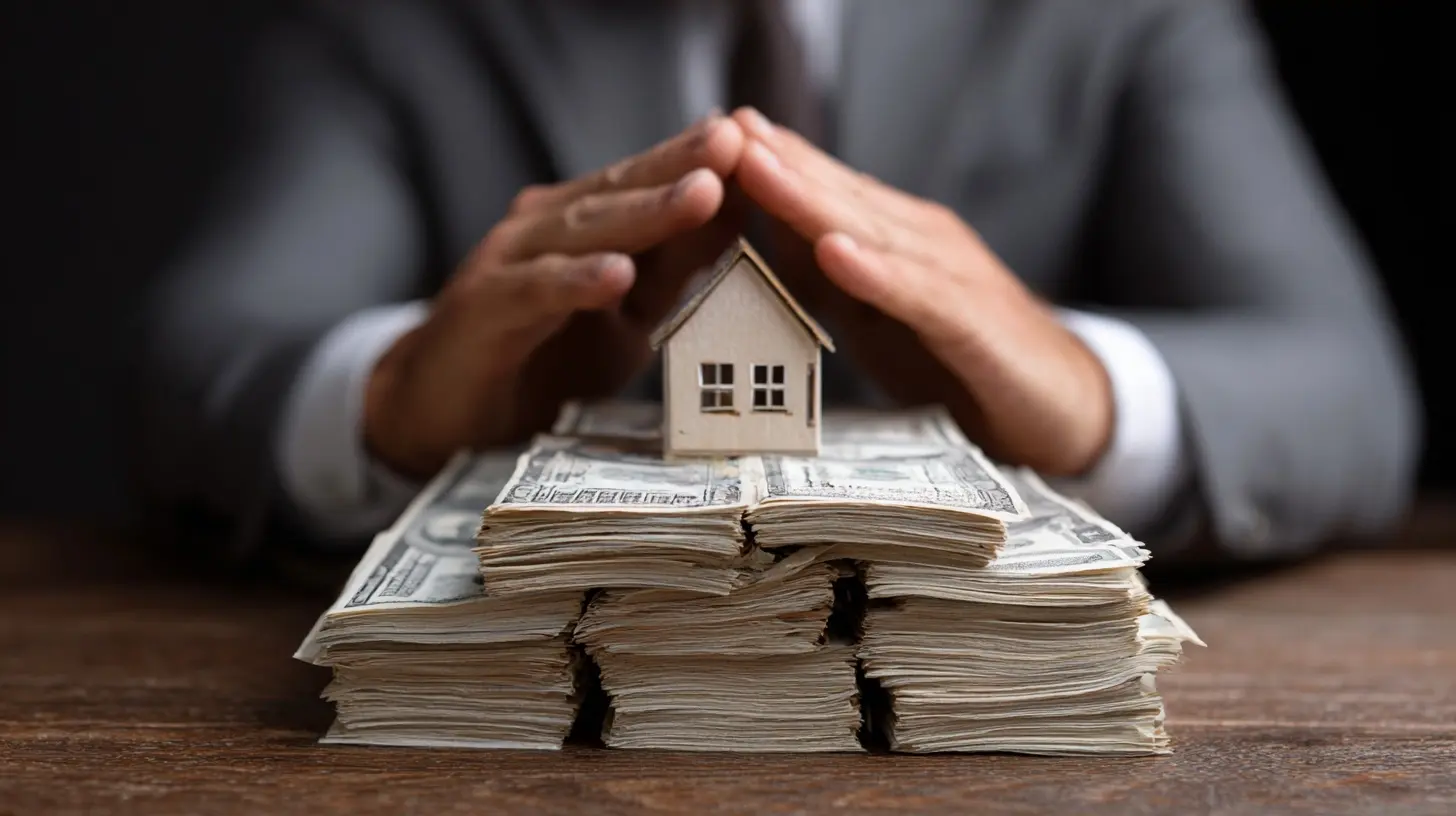
Practical Defenses That Still Work
The good news is that the most effective defenses are procedural, not technological. They rely on habits that are hard for a fraudster to defeat because they require real-world confirmation.Verify Identity Through a Second Channel
Never rely on the contact information provided in the suspicious communication. If you receive wiring instructions by email, call the title company using a number you found independently, such as the one on their official website or your closing documents. Do not call the number in the email.This single step defeats most impersonation scams. A fraudster can spoof an email address, but they cannot answer the phone at a legitimate business.
Confirm Ownership Before Sending Money
For rentals, check public property records. Most counties maintain online databases where you can see who owns a property. If the person renting to you is not the owner, ask why. A property manager should be able to provide a management agreement or a letter of authorization. If they cannot, walk away.For purchases, verify that the seller on the contract matches the owner on the deed. Title companies usually handle this, but you should still ask. A mismatch is a serious red flag.
Use Escrow and Avoid Direct Wires When Possible
Escrow exists to protect both parties. When you send money directly to a seller or a landlord, you lose that protection. In legitimate transactions, funds typically flow through a neutral third party. If someone asks you to wire money directly to them, especially before closing, treat it as a potential fraud.Some transactions, particularly in certain states, do involve direct payments. In those cases, confirm the account details in person or through a verified phone call. Do not trust an email alone.
Slow Down
Urgency is the fraudster's best tool. If you feel pressured to act immediately, that is a signal to pause. Legitimate transactions can survive a day or two of verification. If the other party refuses to allow that, ask yourself why.Educate Everyone in the Transaction
Fraud often succeeds because one person in the chain is unaware. A buyer's agent might not know that the lender's email was spoofed. A seller might not realize that the "buyer" is using a synthetic identity. Everyone involved should understand the risks and the verification steps.Brokerages and title companies should have written protocols for verifying wire instructions, confirming identities, and reporting suspicious activity. If your agent or lawyer does not have a protocol, ask what they do to protect you.
Common Mistakes and Misconceptions
Several beliefs make people more vulnerable. Addressing them directly can save a lot of pain."I would never fall for a scam." This is the most dangerous belief. Sophisticated scams do not target the gullible. They target the busy, the stressed, and the trusting. A first-time homebuyer juggling a move, a job, and a mortgage application is an ideal target because they are distracted.
"The listing is on a major website, so it must be real." Major platforms have moderation, but they cannot catch everything. Listings are often scraped or posted by third parties. A listing on a reputable site is a starting point, not a guarantee.
"I met the agent in person, so it is safe." In-person meetings can be staged. A fraudster can rent a co-working space for a day or pose as an agent at an open house. Meeting someone is not the same as verifying their license and identity.
"The documents look official." Documents are easy to fake. Logos, fonts, and formatting can be copied. Look for verification that goes beyond appearance, such as a call to the issuing institution.
"Banks will catch it." Banks may flag unusual transactions, but they do not verify the legitimacy of the underlying deal. If you authorize a wire, the bank may process it. Recovery is difficult and often impossible once funds leave the country.
Trade-Offs: Security Versus Speed and Convenience
Every security measure has a cost. Verifying identity takes time. Using escrow adds fees. Refusing to wire money directly may slow a closing. These trade-offs are real, and they should be weighed honestly.In a competitive market, a buyer who insists on extra verification may lose a deal to someone who moves faster. That is a genuine risk. But the alternative, losing your down payment to a fraudster, is far worse. The key is to build verification into your process from the start, so it does not become a last-minute obstacle.
For example, you can ask your agent and title company about their fraud protocols before you make an offer. You can decide in advance that you will always confirm wire instructions by phone. You can set expectations with the seller that certain steps will take an extra day. Most legitimate parties will respect that.
What Professionals Should Do
Agents, brokers, lenders, and title officers are not just potential victims. They are also potential vectors. A fraudster who compromises an agent's email can reach every client in their pipeline.Professionals should adopt multi-factor authentication for email and transaction management systems. They should use secure portals for document sharing rather than plain email attachments. They should train staff to recognize social engineering attempts and to verify unusual requests.
They should also consider cyber insurance and clear incident response plans. If a breach happens, speed matters. Clients need to be notified, accounts frozen, and authorities contacted.
Finally, professionals should be transparent with clients about the risks. A brief conversation at the start of a transaction about wire fraud and verification can prevent a disaster later. It also builds trust, which is good for business.
What Regulators and Platforms Might Do
Regulation tends to lag behind fraud. By 2026, some jurisdictions may require additional identity verification for real estate transactions. Platforms may implement stronger listing verification. Banks may add more friction to large wires.These measures will help, but they will not eliminate the problem. Fraudsters adapt. The most reliable protection will always be an informed and cautious participant.
A Realistic Outlook
It is tempting to say that real estate will become a minefield by 2026. That overstates the case. Most transactions will still be legitimate. Most agents, lenders, and title companies will still act in good faith.But the margin for error will shrink. The scams that succeed will be more convincing, more targeted, and harder to detect with old methods. The people who fare best will be those who treat verification as a habit, not an afterthought.
If you are buying, selling, or renting in the next few years, assume that at least one person in your transaction could be impersonated. Assume that at least one email could be spoofed. Assume that at least one document could be forged. Then build your process around those assumptions. It is not paranoia. It is prudence.
The sophistication of scams will rise. So can the sophistication of your defenses.
all images in this post were generated using AI tools
Category:
Real Estate ChallengesAuthor:

Basil Horne