The Rise of Senior Living Communities: Trends in Elderly Housing
1 February 2026
Aging is a natural part of life, and as we get older, our priorities shift. Comfort, security, and a strong sense of community become top concerns for many seniors. That’s where senior living communities come in. Once considered a niche option, these communities are now booming, offering more choices than ever. But why? What's driving this surge in demand?
In this article, we'll dive deep into the reasons behind the growing popularity of senior living communities, the trends shaping elderly housing, and what the future holds for this fast-evolving industry.
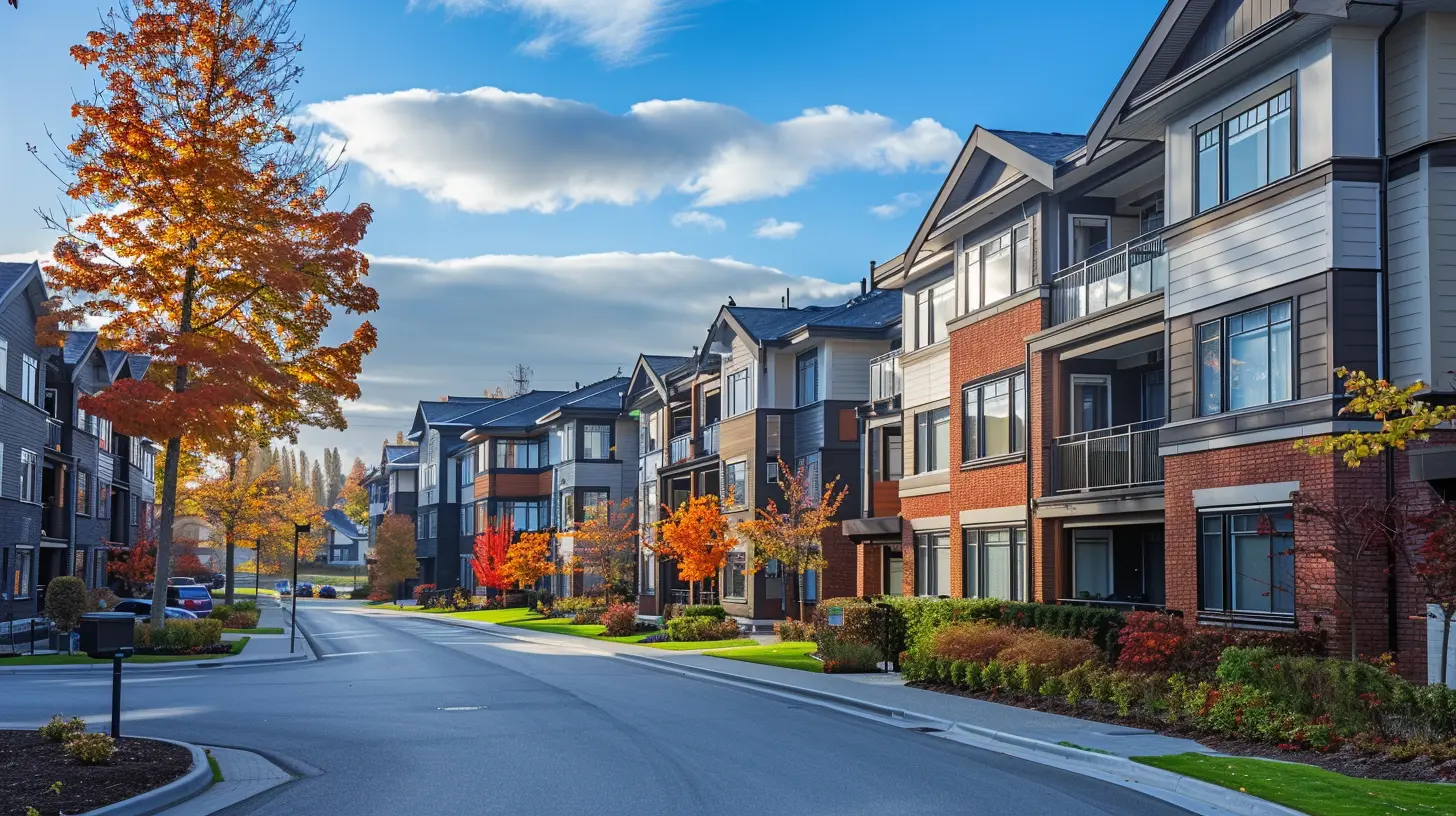
Why Are Senior Living Communities on the Rise?
Aging isn't what it used to be. Today’s seniors are living longer, healthier lives, and they want to enjoy their golden years without the burden of home maintenance or isolation. Here are a few reasons why senior living communities are becoming the go-to option:1. Increased Life Expectancy
People are living longer than ever. Thanks to medical advancements, improved healthcare, and better lifestyle choices, many seniors are reaching their 80s, 90s, and even 100s. With these extra years, the need for secure and engaging living environments has skyrocketed.2. Desire for a Low-Maintenance Lifestyle
Owning a home is rewarding, but it comes with endless responsibilities—repairs, yard work, security, and more. Many retirees are opting out of these hassles by moving into communities that take care of the heavy lifting, allowing them to focus on enjoying life.3. A Stronger Sense of Community
Loneliness is one of the biggest challenges seniors face. Living alone can lead to isolation and even depression. Senior living communities are designed to foster social interaction, giving residents plenty of opportunities to make friends, stay active, and participate in enjoyable activities.4. Better Healthcare and Support Services
Unlike traditional housing, these communities provide access to medical care, wellness programs, and even specialized memory care for those with Alzheimer's or dementia. Many also offer flexible care options, ensuring that residents get the support they need as they age.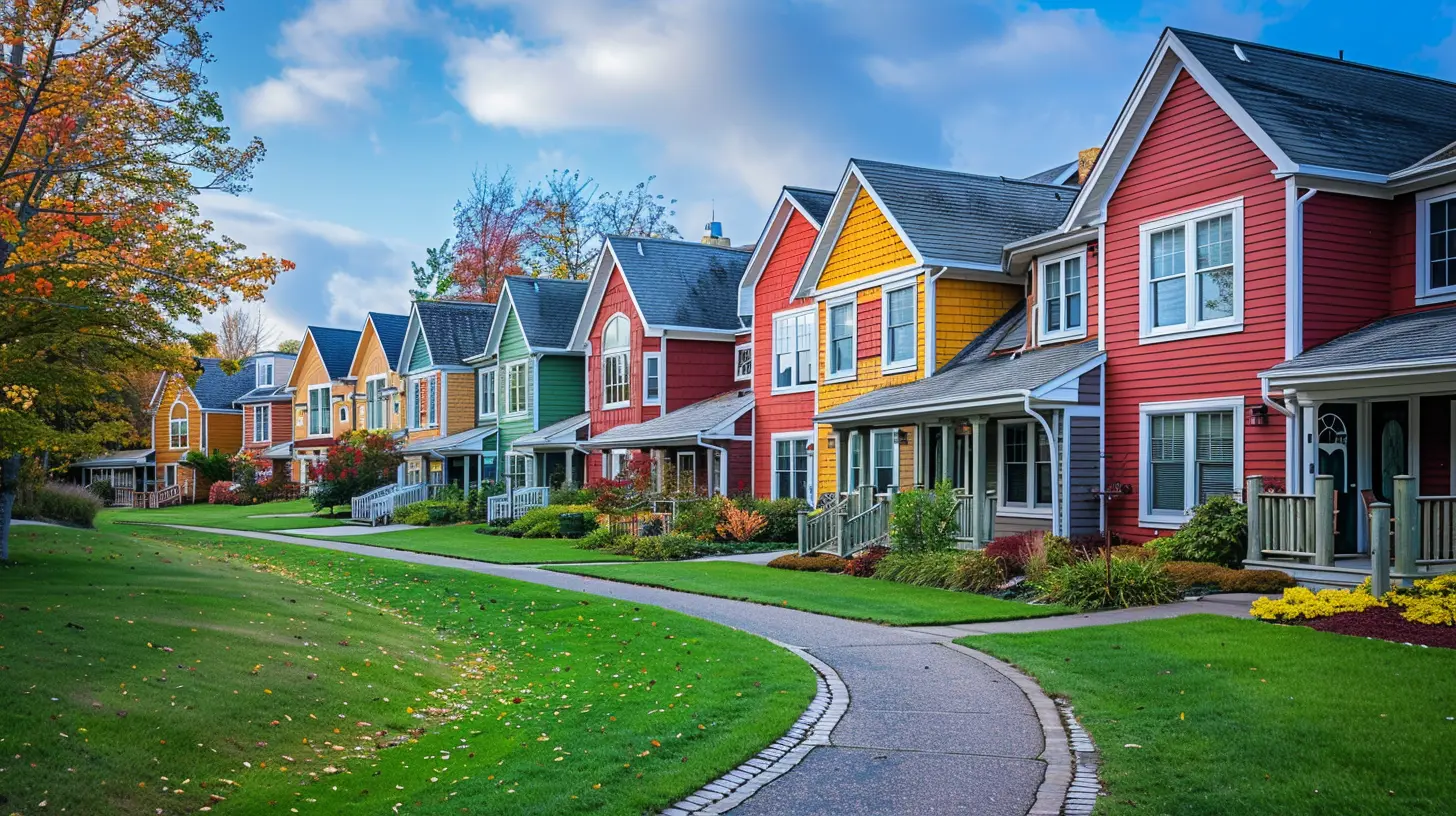
Key Trends Shaping Senior Living Communities
Now that we know why senior living communities are growing, let’s look at some emerging trends that are reshaping how elderly housing operates today.1. Resort-Style Living
Forget the outdated image of dull retirement homes—modern senior living communities resemble high-end resorts. Upscale dining, swimming pools, golf courses, and even on-site salons are becoming standard features. Many offer luxurious accommodations that rival five-star hotels!2. Tech-Enhanced Living
Technology is playing a huge role in improving senior living. Smart home integrations, voice-activated assistants, and emergency alert systems are making residents' lives easier and safer. Wearable devices that track health metrics, automated medication reminders, and virtual doctor visits are also becoming the norm.3. Wellness-Focused Communities
Health and wellness are top priorities for today’s seniors. Many communities now offer on-site fitness centers, yoga classes, meditation rooms, and personalized wellness programs. Nutrition is also a key focus, with organic dining options and personalized meal plans taking center stage.4. Multi-Generational Living Spaces
More seniors want to stay connected with younger generations. Some innovative communities are creating housing solutions that blend seniors with younger residents. These multi-generational living spaces promote deeper social connections, keep seniors mentally engaged, and create a stronger sense of belonging.5. Eco-Friendly and Sustainable Housing
Sustainability isn’t just for millennials anymore! Many senior communities are embracing green living by incorporating solar panels, energy-efficient appliances, and eco-friendly building materials. Sustainable housing options not only reduce environmental impact but also lower energy bills for residents.6. Pet-Friendly Policies
For many seniors, pets are family. Recognizing the incredible emotional and health benefits pets provide, more senior communities are incorporating pet-friendly policies. Some even offer pet care services, dog parks, and therapy animal programs to promote emotional well-being.7. Personalized and Flexible Care Plans
Not everyone ages at the same pace. Some seniors are fully independent, while others require assistance. The best communities now offer tiered care options, allowing residents to transition from independent living to assisted living or memory care when needed. This flexibility ensures they receive the right level of support at every stage of aging.8. A Shift Towards Urban Senior Living
While suburban retirement communities have long been popular, urban senior living is on the rise. Many retirees are choosing to live in walkable cities where they have easy access to entertainment, restaurants, shopping, and cultural experiences—all without needing a car.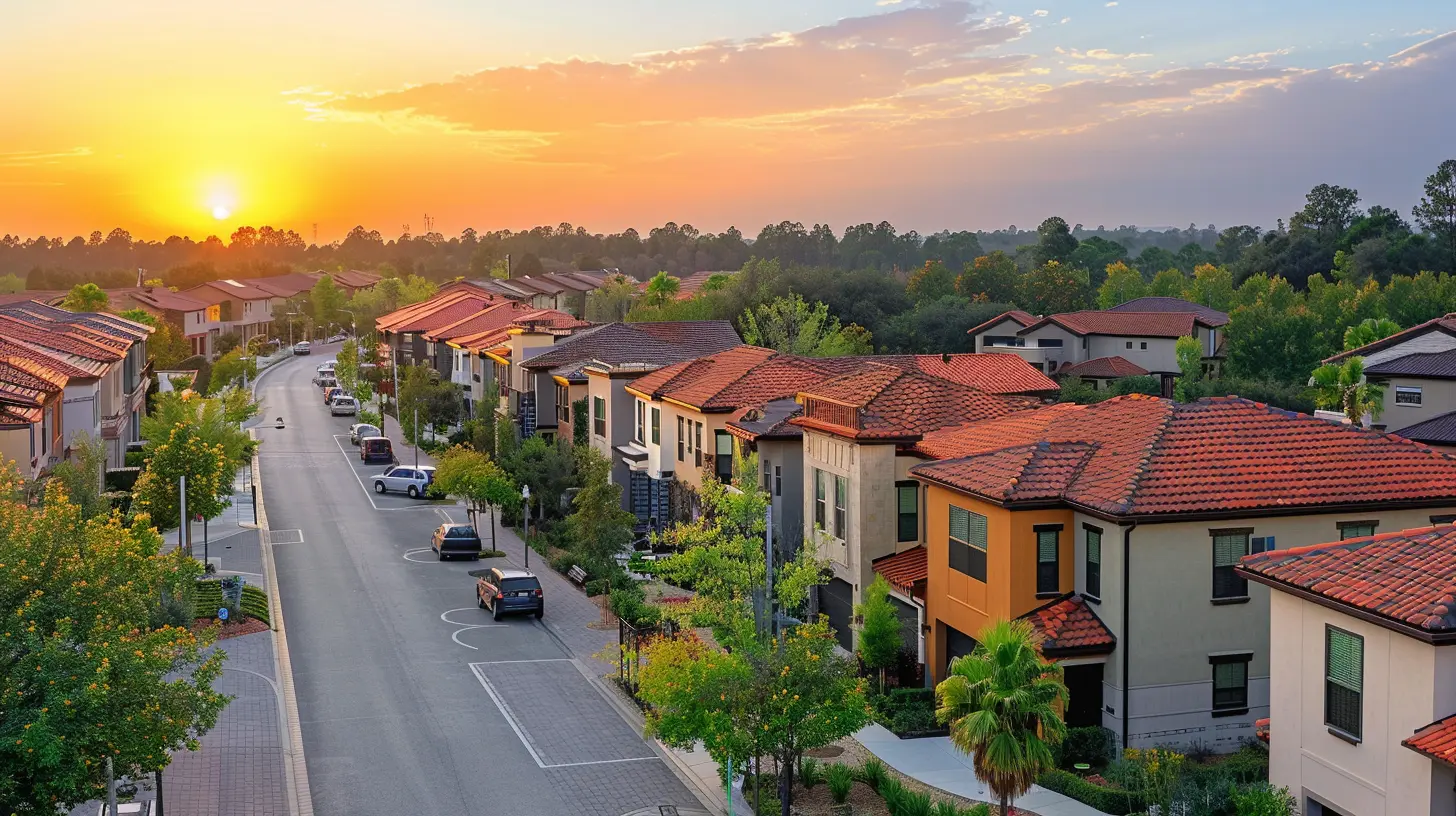
The Future of Senior Living Communities
The senior living industry is evolving faster than ever. With baby boomers entering retirement, demand will continue to increase, and communities will need to adapt to meet new expectations. But what does the future hold?Smart Homes and AI Integration
We’ll likely see even more technology-driven solutions in senior living spaces. AI-powered assistants, robotics for daily tasks, and advanced security systems will enhance safety and convenience for residents.More Affordable Options
Luxury communities are fantastic, but affordability remains a major concern. Developers are beginning to explore budget-friendly options without sacrificing quality, ensuring that more seniors have access to comfortable and engaging living spaces.Stronger Community Engagement Programs
Future senior communities will prioritize engagement like never before. Expect more cultural events, learning opportunities, and lifelong education programs tailored to stimulate mental and emotional well-being.A Focus on Preventative Healthcare
Instead of just treating illnesses, future senior housing models will emphasize preventing them. Health monitoring technologies, customized wellness plans, and proactive medical care will help residents maintain a higher quality of life.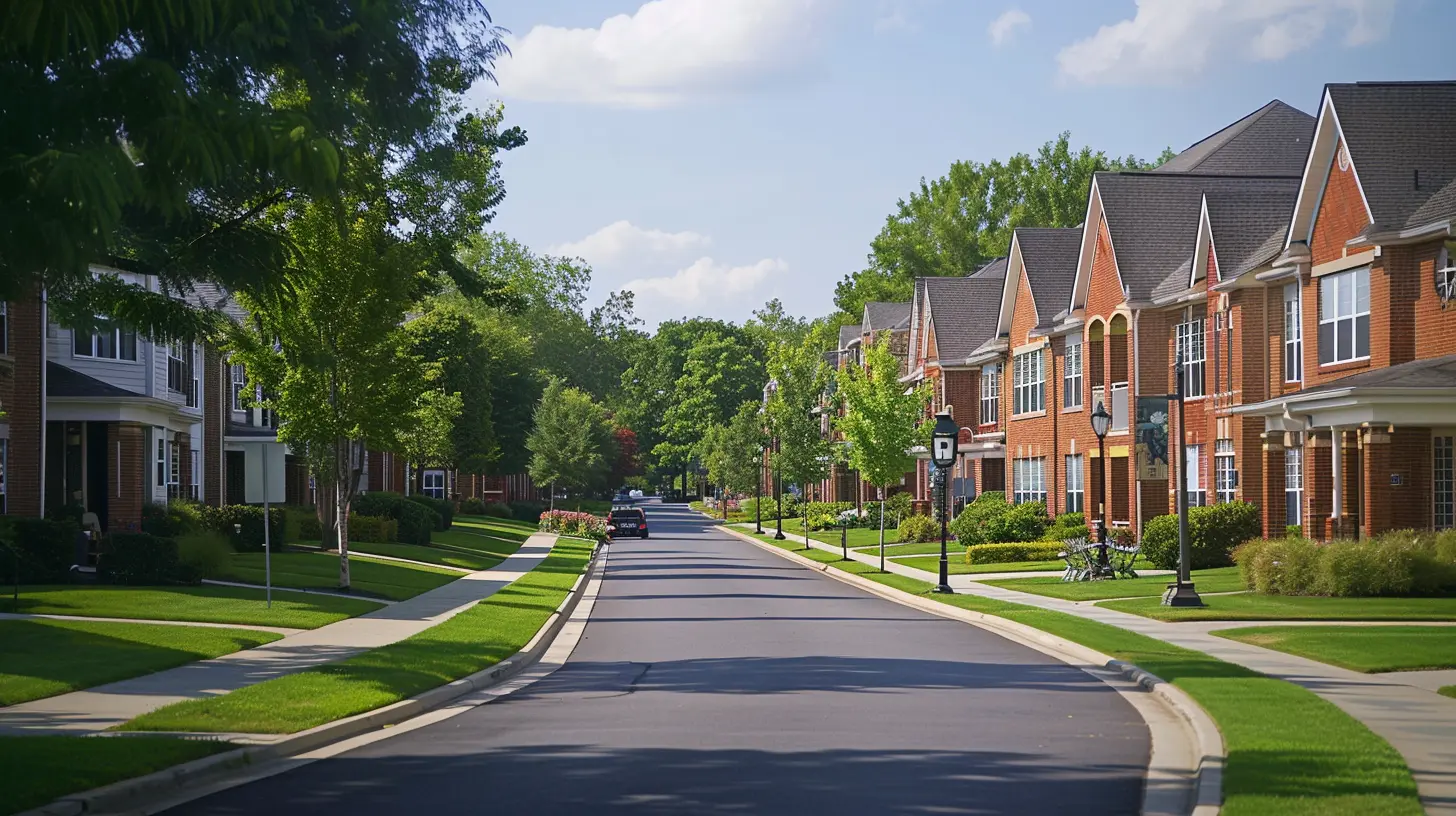
Conclusion
The surge in senior living communities is a response to the changing needs and desires of aging adults. Today’s seniors want more than just a place to live—they want an experience, a community, and a lifestyle that supports their well-being. With luxurious amenities, advanced technology, and personalized care, these communities are redefining what retirement living looks like.If you or a loved one is considering a senior living community, now is the perfect time to explore the incredible options available. The future is bright, and aging has never looked this good!
all images in this post were generated using AI tools
Category:
Real Estate TrendsAuthor:

Basil Horne
Discussion
rate this article
2 comments
Chase Rhodes
Exploring senior living communities highlights essential trends that prioritize comfort, accessibility, and community, shaping a brighter future for elderly housing.
February 23, 2026 at 6:05 AM
Basil Horne
Thank you for your insightful comment! Indeed, prioritizing comfort, accessibility, and community is crucial in shaping the future of senior living.
Flora O'Neal
Senior living communities are not just a trend; they represent a vital shift in how we care for our aging population. Embracing innovative designs and holistic care, these communities are redefining comfort and connection for seniors.
February 3, 2026 at 4:03 AM
Basil Horne
Absolutely! Senior living communities are indeed transforming elderly care, prioritizing both comfort and community through innovative designs and holistic approaches.