The Ultimate Checklist for Evaluating a Fixer Upper Property
7 December 2025
Buying a fixer-upper can be a fantastic investment—but only if you know what you're getting into. It’s easy to fall in love with the charm of an old house or be tempted by a low price, but without a thorough evaluation, you could end up in a money pit.
So, how do you make sure that "diamond in the rough" is worth your time, effort, and money? I’ve got you covered. Here's the ultimate checklist to help you assess whether a fixer-upper is a hidden gem or a complete nightmare. 
1. Assess the Location First
Before even stepping inside, take a hard look at the location. No amount of renovations can fix a bad neighborhood. Ask yourself:- Is the area safe and desirable?
- What are the property values in the neighborhood?
- Are there good schools, amenities, and access to public transportation?
- Is the neighborhood improving or declining?
A fixer-upper in a great location will always have better resale and rental potential. On the other hand, even a beautifully renovated home in a declining area may struggle to gain value. 
2. Check the Foundation and Structural Integrity
If there’s one thing you don’t want to mess with, it’s structural issues. Foundation repairs can cost tens of thousands of dollars, turning what seemed like a bargain into a financial disaster.Look out for:
✔ Cracks in the foundation
✔ Uneven or sloping floors
✔ Doors and windows that don’t close properly
✔ Water damage in the basement
✔ Bowing or leaning walls
If you notice multiple red flags, consider hiring a structural engineer to assess the damage before making an offer. 
3. Examine the Roof Condition
A bad roof is another costly repair that can make or break your investment. Roof replacements can range from $5,000 to $15,000, depending on the size and materials.Here’s what to look for:
- Missing or curling shingles
- Sagging or dips in the roof
- Signs of leaks inside the home (stains on ceilings)
- Moss or algae growth
A newer roof with at least 10-15 years of life left is a major plus. If the roof is at the end of its lifespan, factor that cost into your budget. 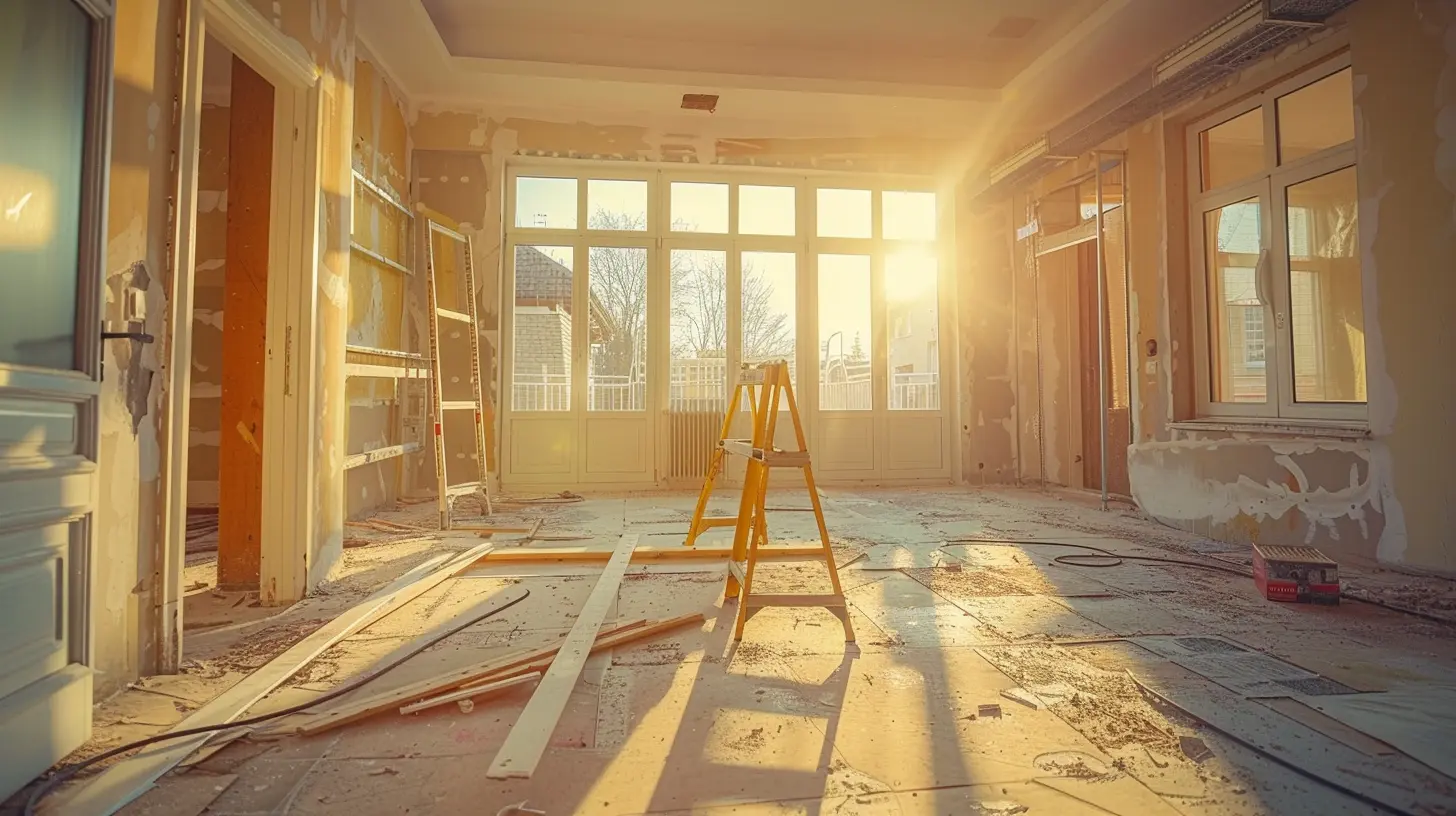
4. Test the Plumbing System
Plumbing problems can lead to expensive repairs and water damage. While touring the home, do a quick inspection:🔹 Turn on faucets to check water pressure
🔹 Flush toilets to see if they drain properly
🔹 Look under sinks for leaks or corrosion
🔹 Inspect exposed pipes for rust or damage
Replacing old plumbing, especially in homes with galvanized or lead pipes, can be a big-ticket expense. If the pipes are original and outdated, you may need to install an entirely new system.
5. Inspect the Electrical System
A home with outdated wiring can be a safety hazard. Electrical updates can be costly, especially if the house still has knob-and-tube wiring.Watch for:
⚡ Flickering or dimming lights
⚡ Outlets that don’t work or are ungrounded
⚡ An outdated electrical panel (less than 100 amps)
⚡ Exposed or frayed wires
If you’re unsure, bring in an electrician to evaluate the system. Rewiring an old house can cost anywhere from $5,000 to $15,000.
6. Look for Signs of Water Damage
Water damage is a silent killer in homes—it can lead to mold, rot, and severe structural issues. Keep an eye out for:💧 Stains on ceilings and walls
💧 Musty odors (a sign of hidden mold)
💧 Soft or sagging floors
💧 Mold growth inside closets, basements, or bathrooms
If the house has recurring moisture issues, fixing them can be more complicated (and expensive) than you think.
7. Assess the HVAC System
No one wants to buy a house only to realize they need a brand-new heating or cooling system. The cost of replacing an HVAC system can range from $5,000 to $12,000.Check:
🌡 The age of the furnace and AC unit
🌡 Whether the system is functioning properly
🌡 The condition of the ductwork
Outdated systems are not only inefficient but can also drive up energy bills. If the HVAC system is on its last legs, be prepared to invest in an upgrade.
8. Evaluate Windows and Doors
Old, drafty windows can be a major contributor to high energy bills. While replacing windows isn’t the most urgent repair, it’s something to consider for long-term efficiency.Look for:
🪟 Single-pane windows (which lack insulation)
🚪 Doors that don’t seal properly
🪟 Foggy or cracked window panes
Energy-efficient windows can improve the home's value, but the cost can add up—replacing all windows in a typical home can exceed $10,000.
9. Consider the Layout and Floor Plan
Sometimes, the biggest challenge with a fixer-upper isn’t its condition—it’s the layout. Older homes often have outdated floor plans that don’t suit modern living.Ask yourself:
- Does the layout work, or will it require major renovations?
- Can walls be removed to create an open-concept space?
- Are there awkward room placements that might be hard to fix?
Fixing structural or layout issues can add significant costs, so make sure the home’s basic design fits your vision.
10. Estimate Renovation Costs
Now that you’ve assessed the home’s major components, it’s time to crunch the numbers. Make a list of necessary repairs and get rough estimates for each:- Roof: $5,000 - $15,000
- Foundation: $5,000 - $30,000
- Plumbing updates: $2,000 - $15,000
- Electrical upgrades: $5,000 - $15,000
- HVAC replacement: $5,000 - $12,000
- Windows: $300 - $1,000 per window
- Kitchen renovation: $10,000 - $50,000
- Bathroom renovation: $5,000 - $25,000
Having a realistic budget ensures you don’t get in over your head financially.
11. Get a Professional Home Inspection
Even if you feel confident about your own evaluation, always hire a professional home inspector. They’ll uncover hidden problems and provide an unbiased report on the home’s condition.Here’s what they typically check:
✅ Structural integrity
✅ Roofing and gutters
✅ Plumbing and electrical systems
✅ HVAC system
✅ Insulation and ventilation
✅ Potential pest infestations
A thorough inspection can cost anywhere from $300 to $600, but it’s worth every penny.
12. Calculate After-Repair Value (ARV)
Before making an offer, determine if the fixer-upper is truly a good investment. The After-Repair Value (ARV) is what the home will be worth after renovations.The formula is simple:
ARV = Purchase Price + Repair Costs
Compare this value with similar fully renovated homes in the area. If your ARV aligns with or exceeds local market values, you’ve got a solid deal. If not, it might be time to walk away.
Final Thoughts: Is It a Smart Investment?
Fixer-uppers can be incredibly rewarding—if you choose wisely. But without a thorough evaluation, you could end up in a bottomless pit of repairs and unexpected expenses.By following this checklist, you’ll be able to make an informed decision and avoid costly mistakes. Remember: sometimes, a house is just too far gone, no matter how much potential it seems to have.
Would you take on a fixer-upper? Let me know in the comments!
all images in this post were generated using AI tools
Category:
Fixer UppersAuthor:

Basil Horne
Discussion
rate this article
2 comments
Elizabeth Fisher
Who needs a perfect home anyway? Just grab a hammer and embrace your inner DIY disaster artist!
December 17, 2025 at 4:25 AM
Basil Horne
Absolutely! Embracing creativity can turn challenges into unique charm—just remember to balance artistic flair with practical planning!
Melina McGinnis
This checklist is invaluable! It captures all the essential aspects of evaluating a fixer-upper. Great insights that will definitely help first-time homebuyers like myself. Thank you!
December 12, 2025 at 12:14 PM
Basil Horne
Thank you for your kind words! I'm glad you found the checklist helpful for your homebuying journey. Best of luck with your fixer-upper!