The Relationship Between Insurance Claims and Building Permits
17 May 2026
Ever tried to fix something in your house without telling anyone, only for it to turn into a bigger mess? That's kind of what happens when homeowners skip the whole building permit process and then try to file an insurance claim. Insurance companies and local building authorities are like that nosy neighbor who always notices when something’s off. So, before you start that DIY home renovation thinking you're the next Bob Vila, let’s talk about the not-so-obvious connection between insurance claims and building permits. 
What’s the Deal with Building Permits?
Think of building permits like permission slips from your local government. They ensure that any major work done on your house follows proper safety codes and guidelines. You wouldn’t let your kid go on a field trip without a permission slip, right? Well, cities and municipalities feel the same way about home improvements.Here’s what a building permit typically covers:
- Room additions
- Electrical rewiring
- Roof replacements
- Plumbing changes
- Major structural modifications
Basically, if it requires a hammer and could potentially make your house fall down, you probably need a permit. 
Why Insurance Companies Care About Permits
Insurance companies love rules—probably more than your high school math teacher. They want everything in your home to be up to code because it directly affects their risk. If you go ahead and renovate your kitchen without a permit and something goes wrong, your insurer might laugh (politely, of course) before denying your claim.Here’s why they care so much:
1. Liability and Safety Issues
Let’s say you install a new deck without a permit, and during the next family BBQ, Uncle Bob takes an unexpected plunge because your DIY craftsmanship didn’t quite hold up. That injury claim? Your insurance company will likely say, “Not our problem.”2. Property Value and Risk Assessment
Insurers base your coverage on the value and condition of your home. If you made unpermitted upgrades, they might not only deny a claim but could also cancel your policy altogether. Yikes.3. Code Compliance
If a fire breaks out due to faulty wiring from an unpermitted renovation, your insurer might argue that the fire was preventable and refuse to pay for damages. Basically, no permit = no payout.
The Ugly Truth About Filing a Claim Without a Permit
Alright, so let’s say you ignored the permit process, and now something’s gone wrong. Can you still file an insurance claim? Sure, you can file it—but getting it approved is another story.1. Limited or Denied Coverage
If the damage is connected to unpermitted work, your insurance company has a legal reason to deny your claim. Even if they don’t outright reject it, they could reduce your payout.2. Policy Cancellation or Higher Premiums
If your insurer finds out you’ve been making unapproved changes, they might drop you faster than a bad first date. At the very least, expect your premiums to skyrocket.3. Problems Selling Your Home Later
When you eventually decide to sell, unpermitted work can complicate the process. Buyers might run for the hills if they find out things weren’t done by the book, and you may even have to tear down or redo work to satisfy regulations.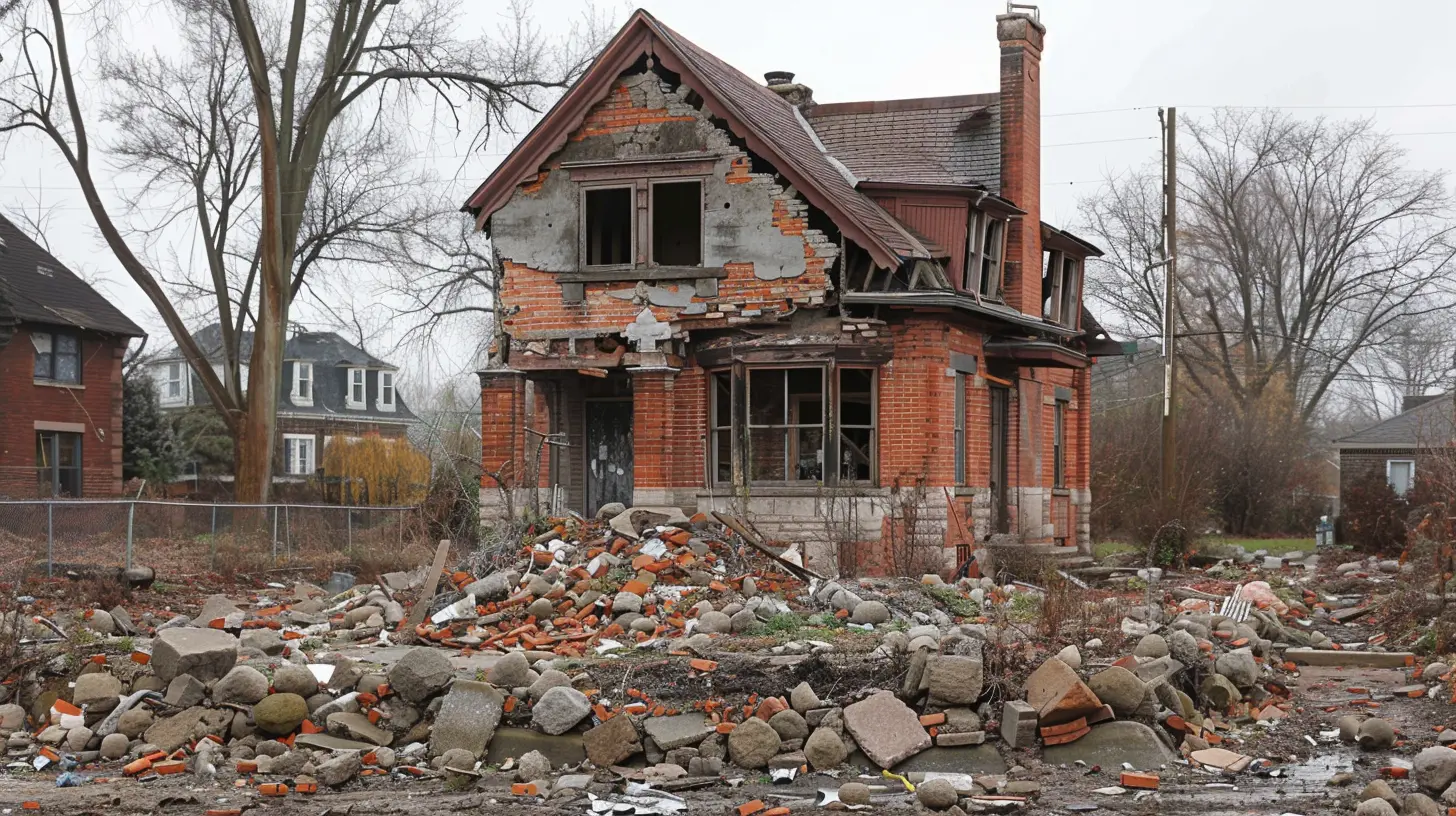
How to Avoid Insurance Nightmares
Nobody likes paperwork, but trust me, getting a building permit is way easier than battling an insurance company later. Here are some simple ways to avoid unnecessary headaches:1. Check Permit Requirements Before Any Major Work
Before you knock down that wall or rewire your basement, call your local building department. They can tell you what requires a permit and how to get one.2. Hire Licensed Contractors
A good contractor will handle permit applications for you. If a contractor says, “We don’t need one,” that’s your cue to run in the opposite direction.3. Keep Documentation Handy
If you’ve done work with the proper permits, keep all paperwork in a safe place. If (or when) you need to file an insurance claim, having proof that everything was legit can make all the difference.4. Fix Unpermitted Work Before It Becomes a Problem
If you’ve already made changes without a permit, don’t wait for disaster to strike. Call your local building office and find out how to legalize the work before an insurance claim becomes necessary.The Bottom Line on Building Permits & Insurance Claims
Look, nobody wants to deal with red tape, but skipping proper permits is like playing financial Russian roulette. When it comes to insurance, you want as few loopholes as possible—especially the kind that insurers can use to deny your claims.Building permits and insurance claims go hand in hand, whether homeowners like it or not. If you’re planning renovations, take the extra step to get the right permits. It’s a little extra effort now to avoid a giant headache (and empty wallet) later.
So, before you start swinging that sledgehammer, ask yourself: Is this worth losing my insurance coverage? If the answer is no, get the permit. Your future self will thank you.
all images in this post were generated using AI tools
Category:
Building PermitsAuthor:

Basil Horne
Discussion
rate this article
2 comments
Lennox Tucker
This article is a fantastic read! It sheds light on how insurance claims and building permits connect in a practical way. Understanding this relationship can truly help homeowners navigate their projects with confidence. Great job!
August 13, 2026 at 2:23 AM
Basil Horne
Thank you! I'm glad you found it helpful. Understanding this connection can make a big difference for homeowners.
Alexa Diaz
Great read! Understanding how insurance claims connect to building permits can really help homeowners make smart decisions. Knowledge is power, and every homeowner deserves to feel secure and informed!
May 18, 2026 at 11:49 AM