The Hidden Costs of Skipping a Building Permit
11 July 2026
Thinking of doing some work on your home? A little remodeling here, a backyard shed there, or maybe even converting the garage into a rental? It’s tempting to just dive in—hammer in one hand, Pinterest board in the other—and skip the paperwork.
But hold up. Before you get too comfortable in your tool belt, let’s talk about something most people overlook until it’s too late: building permits.
Skipping a building permit might seem like no big deal at first—just a small shortcut to save time and money. But that decision can sneak up on you like a raccoon in the attic. It might start off quiet, but it’ll cause chaos when you least expect it.
Let’s unpack the hidden costs of not getting a building permit. (Spoiler: it’s not just about fines.)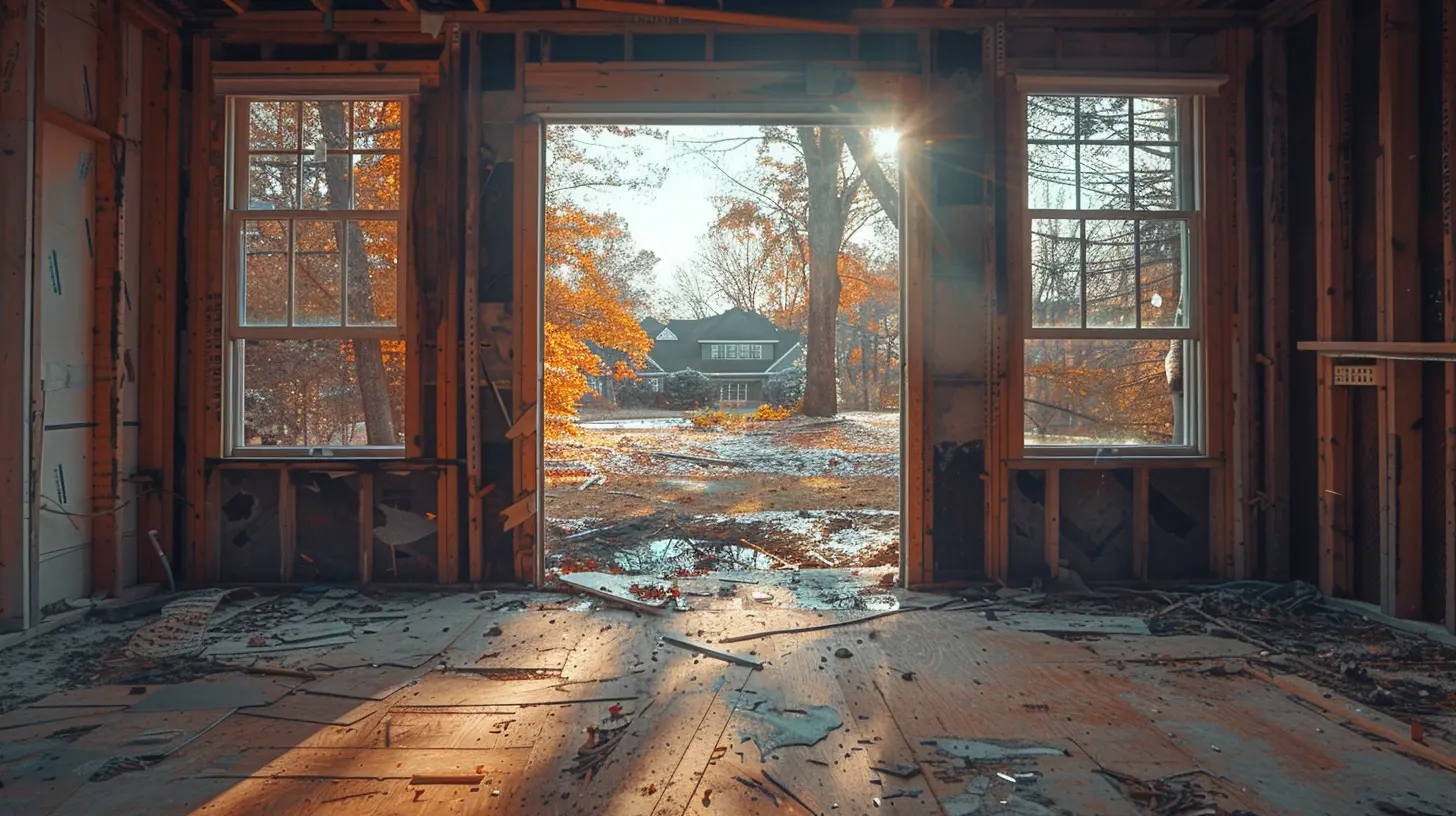
What Is a Building Permit, Anyway?
First things first. A building permit is an official approval from your local government that allows you to proceed with a construction or remodeling project on your property. It's their way of saying, "Hey, this plan looks safe and up to code—go for it!"Permits are typically needed for things like:
- Home additions
- Major remodels
- Electrical and plumbing changes
- Decks and porches
- Structural changes (like knocking down walls)
Some smaller projects may not need one, but the keyword here is some. Always check with your municipality.
Why Do So Many People Skip It?
We get it. Permits can feel like a pain. Lots of paperwork, waiting times, inspections—ugh. You might think:- "It’s just a small job, no big deal."
- "I don’t want to deal with delays."
- "The permit fees are just another way for the city to make money."
- "Nobody will ever know."
Sound familiar? You're not alone. But those excuses can come back to bite you—hard.
Hidden Cost #1: Expensive Fines and Penalties
Okay, here’s the obvious one. If your local building department finds out you did work without a permit, you could be slapped with a hefty fine. In some places, fines can run into the thousands—yep, just for skipping a step.And guess what? You might have to pay double or even triple the original permit fee as a penalty. Some municipalities call it a “retroactive permit,” and it’s as unpleasant as it sounds.
Want to hear the worst part? You may be required to tear out all the work and start over—with a permit this time.
Cha-ching. Your “shortcut” just became a detour through Money Pit Avenue.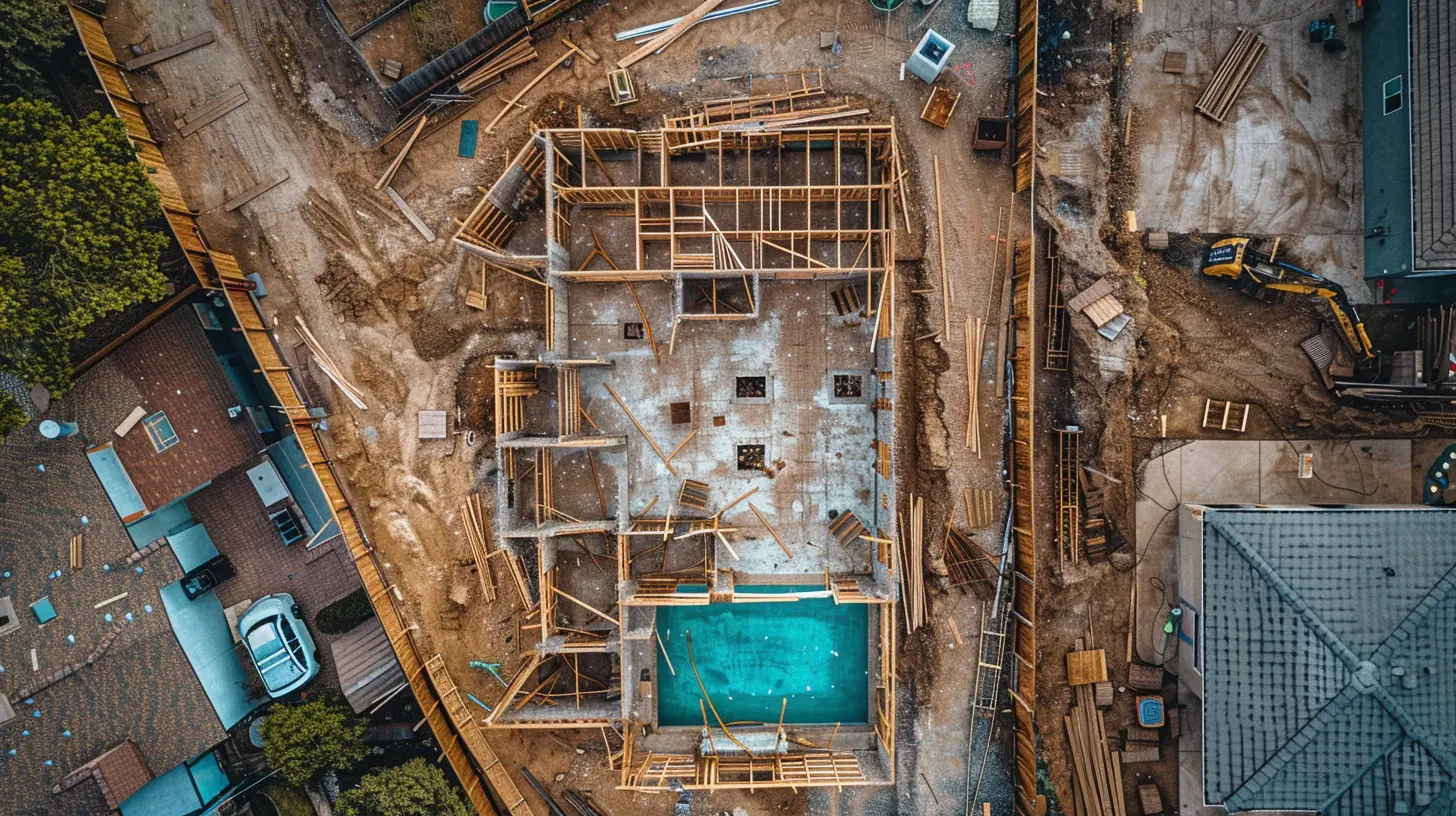
Hidden Cost #2: Future Resale Problems
Planning to sell your home someday? Buyers—and their agents—aren’t just buying the house; they’re buying peace of mind. And nothing shatters that faster than unpermitted work.During the selling process, inspections and disclosures are mandatory. If an inspector finds remodeling or additions that weren’t permitted, it raises red flags.
Buyers can back out, demand a lower price, or require you to fix the issue before closing.
Even worse? You could be legally required to disclose any unpermitted work. If you don’t, and something goes wrong later, you could be held liable for damages—yes, even years after selling.
Hidden Cost #3: Insurance Nightmares
Here’s a scenario you never want to deal with: a fire or flood damages the part of your house you renovated without a permit.You file a claim. Your insurance company sends out an adjuster.
And then… silence.
They deny it. Why? Because you didn’t follow code. That bathroom extension or electrical upgrade you did without permission? It might not be covered.
If the damage was caused by faulty wiring or materials, your entire policy could be at risk.
Just like that, your well-intentioned upgrade ends up as a financial disaster. All because you skipped one little permit.
Hidden Cost #4: Safety Risks
Let’s be real—building codes exist for a reason. They make sure your project is safe, sound, and built to last.Sure, you or your contractor might know what you're doing. But without checks and balances, things can slip through the cracks—literally.
Unpermitted work means no inspections, and no inspections mean no second opinions on your contractor’s job. You could end up with:
- Unstable structures
- Fire hazards
- Plumbing leaks
- Mold growth
- Electrical dangers
It’s not just about getting in trouble—it’s about keeping your family safe. Isn’t that worth the extra effort?
Hidden Cost #5: Trouble Getting Loans or Refinancing
Looking to refinance your mortgage or take out a home equity loan? Lenders love to dig deep.If an appraiser finds unpermitted additions or alterations, it could affect your home's valuation. Worse, the lender might demand you fix the issue before approving your loan.
So that dream of finally getting a new kitchen? It’s put on hold again—all thanks to skipping a piece of paper.
Hidden Cost #6: It’s Not Always Cheaper
Many homeowners think permits are a wasteful expense. But in most cases, they’re relatively affordable—especially compared to the consequences of skipping them.Permits are usually based on the scope of the project, and they’re meant to protect you. Think of them as insurance: a small upfront cost that saves you from a financial storm later.
Plus, permitted work can boost your property value when done right. It’s a long-term investment in your home’s safety and desirability.
Hidden Cost #7: Losing Trust With Contractors
Working with a reputable contractor? They’ll insist on permits. If a contractor tells you not to bother with them—run.Any professional worth hiring knows the importance of doing things by the book. If you’re trying to cut corners, it might push trustworthy contractors away or attract the wrong kind.
That can lead to shoddy work, legal issues, or worse—getting ghosted mid-project.
Hidden Cost #8: Community Complaints (a.k.a. the Nosy Neighbor Factor)
Think nobody will notice you’re renovating without a permit? Think again.It only takes one curious neighbor with a pair of binoculars and a phone call to the city to blow the whistle. Yep, your own neighborhood could be your biggest obstacle.
And once zoning officials get involved, things escalate fast. Stop-work orders. Penalties. Investigations.
It’s a whole mess of drama you don’t want.
The Bottom Line: Permits Are Annoying, But Necessary
Look, we’re not saying permits are fun. They can slow things down. There’s red tape. There’s waiting.But they serve a bigger purpose. Permits keep your investments secure, protect your family, and make sure your improvements add value instead of becoming liabilities.
In the world of real estate, doing things right the first time always pays off. You might not feel the burn of skipping a permit today, but tomorrow? It could cost you your wallet and your peace of mind.
Final Thought: Do It Right, Sleep Tight
If you're investing in your home—your sanctuary, your safe place—why cut corners? Sure, shortcuts are tempting. But when it comes to building or remodeling, it's better to take the scenic route.At the end of the day, permits aren’t roadblocks. They’re guardrails.
So before you pick up that hammer or hire that crew, take a minute and check on the permit. It’s the first step to peace of mind, property value, and a home that stands strong.
Quick Tips: How to Play It Smart
- Always check local requirements before starting a project.- Talk to your contractor and ensure they pull the necessary permits.
- Call your county or city building department if unsure—they'll help.
- Keep all documentation in case you sell your home later.
- Never assume it’s too small to need a permit—verify first!
all images in this post were generated using AI tools
Category:
Building PermitsAuthor:

Basil Horne
Discussion
rate this article
1 comments
Bridget Baxter
Skipping a building permit may seem like a cost-saving shortcut, but it often leads to significant financial repercussions. Homeowners may face hefty fines, costly repairs, and complications when selling. In the long run, adhering to regulations protects both property value and safety.
July 16, 2026 at 2:57 AM