The Pros and Cons of Flipping Houses in Urban vs. Suburban Areas
11 February 2026
House flipping can be an exciting and lucrative endeavor, but where you choose to flip can make all the difference. Should you go for the buzz of the city or the peaceful vibes of the suburbs? Both urban and suburban areas have their own set of advantages and challenges when it comes to flipping houses.
If you're trying to decide between the two, you're in the right place. Let’s dive into the pros and cons of flipping houses in urban versus suburban areas so you can make a smart investment choice. 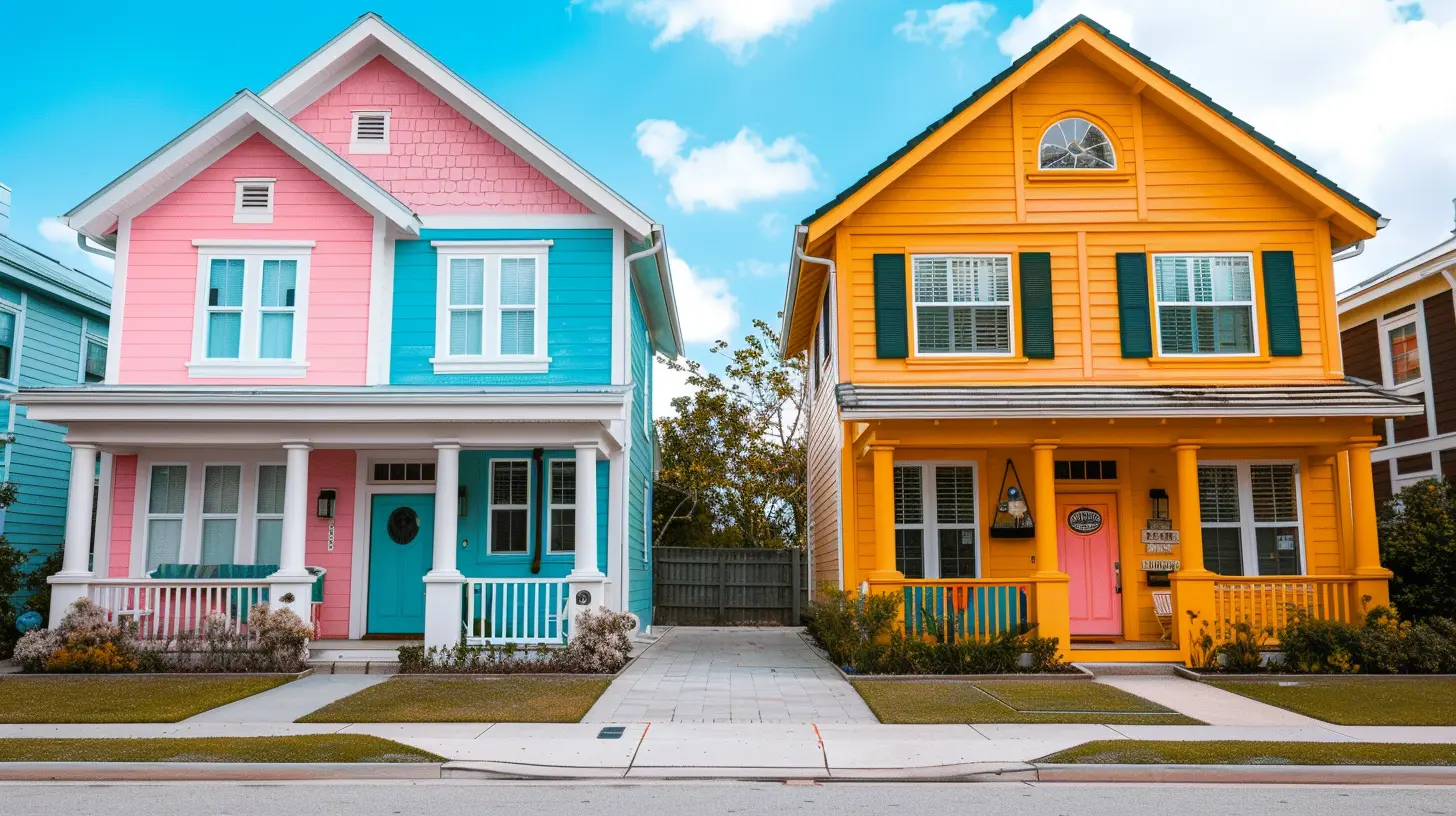
Flipping Houses in Urban Areas
Urban real estate markets are often fast-paced, competitive, and full of investment opportunities. But is flipping in the city a smart move? Let’s break it down.Pros of Flipping Houses in Urban Areas
1. High Demand for Housing
Cities are always in demand. People move to urban areas for job opportunities, better infrastructure, and vibrant social scenes. This means that if you pick the right location, finding buyers or tenants shouldn’t be a problem.2. Faster Sales and Higher Property Appreciation
In many city markets, properties appreciate quickly. Because the demand is strong, you can often sell your flipped house much faster than you would in a suburb. In hot markets, bidding wars can even drive prices above your asking price—great news for your profit margins!3. Access to Contractors and Materials
Urban areas usually have a larger pool of contractors, suppliers, and skilled labor. Need a plumber or an electrician on short notice? You’re more likely to find one quickly in the city than in a more remote suburban area.4. Public Transportation Boosts Value
Cities have better public transport, which is a big plus for many buyers and renters. Houses near subway stations, bus routes, or train stations tend to be in higher demand, making them easier to sell after a flip.Cons of Flipping Houses in Urban Areas
1. High Purchase Costs
Urban properties can be expensive—sometimes prohibitively so. You may need a larger upfront investment to buy a property to flip, and that alone can be a huge barrier for many investors.2. Tougher Competition
You're not the only one looking for a good deal. In hot urban markets, competition from other investors and homebuyers can drive property prices up, making it harder to find a profitable flip.3. Zoning and Permit Challenges
Cities tend to have more complex zoning laws and stricter regulations. Renovation permits and inspections can slow down your project, delaying your ability to flip the property quickly.4. Parking and Space Limitations
Urban properties often come with limited parking and smaller living spaces. While city buyers might be used to it, it can still be a challenge when marketing your flipped house to families who need more room.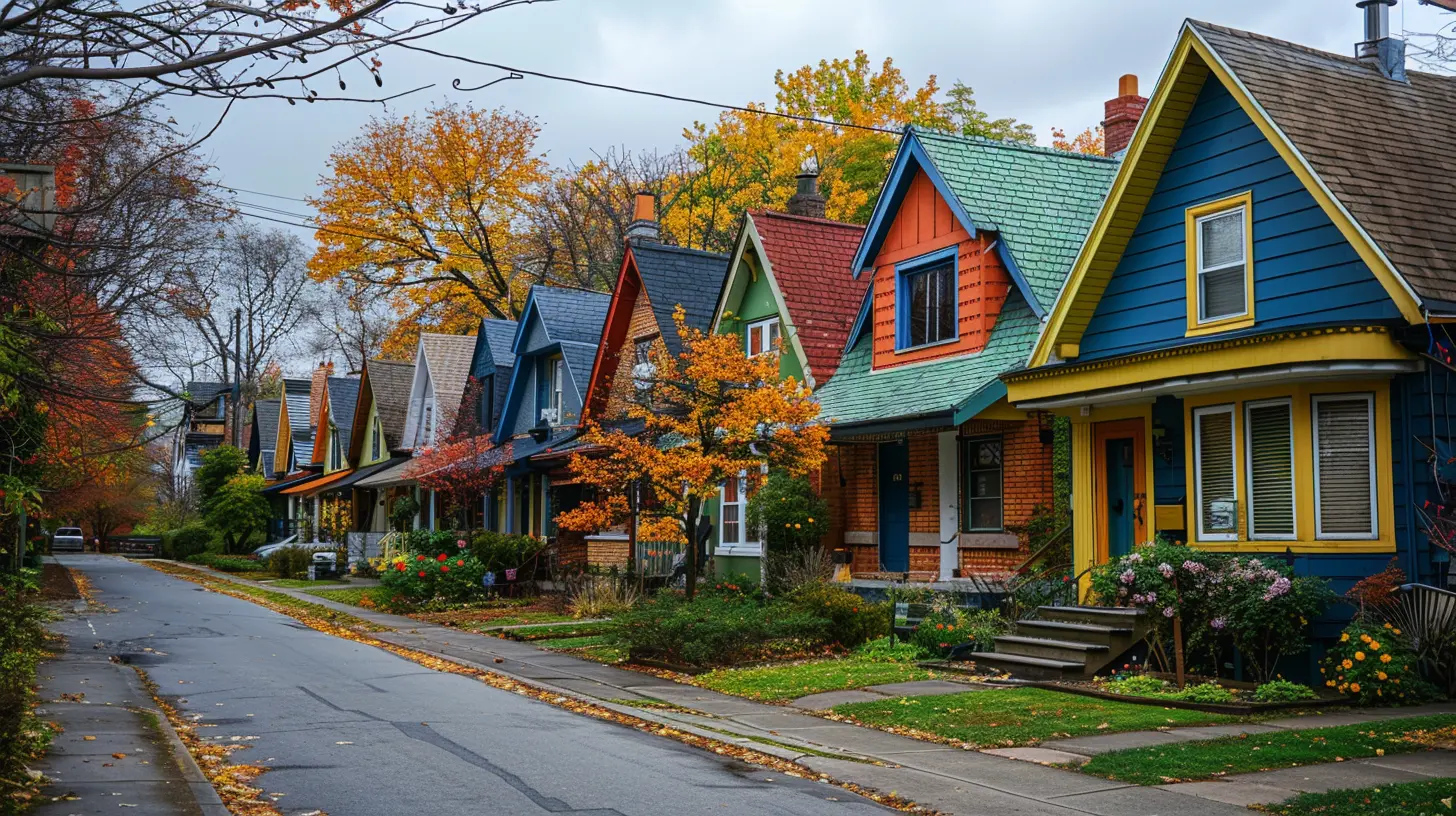
Flipping Houses in Suburban Areas
If the hustle and bustle of urban flipping isn’t your style, maybe the suburbs are a better fit. Suburban house flipping comes with its own unique set of opportunities and challenges.Pros of Flipping Houses in Suburban Areas
1. Lower Purchase Prices
Generally, suburban homes are more affordable than urban ones. This means you might be able to buy multiple properties for the cost of a single city flip, spreading out your risk and increasing profitability.2. Appeal to Families and Long-Term Buyers
Suburban homes tend to attract families looking for spacious houses, backyards, and good school districts. These buyers are often serious and motivated, making it easier to close a deal.3. Less Competition from Investors
Unlike urban areas, where flipping is common, suburban markets often have fewer investors competing for properties. This means you might be able to negotiate better deals and find hidden gems more easily.4. Fewer Regulation Headaches
Suburban areas often have fewer building restrictions and permit issues compared to cities. This can help you complete renovations faster and get your flipped house on the market sooner.Cons of Flipping Houses in Suburban Areas
1. Slower Market and Longer Selling Times
Unlike cities, where buyers are actively looking for homes, suburban properties may take longer to sell. If demand is low, you might have to wait months before finding the right buyer.2. Lower Appreciation and Profit Margins
While suburban properties may be cheaper, they usually don’t appreciate as quickly as urban ones. Your potential profit might be lower compared to a city flip where prices rise rapidly.3. Dependence on the Local Job Market
People move to suburban areas for stability, schools, and work. If the local job market is weak, it can be harder to find buyers for your flip. Pay close attention to employment trends before investing.4. Higher Holding Costs
If your suburban flip takes longer to sell, you’re stuck paying mortgage payments, property taxes, and maintenance costs for months. These expenses can slowly eat into your profits.
Urban vs. Suburban House Flipping: Which One is Better?
The answer really depends on your budget, goals, and risk tolerance.- If you want faster flips and high appreciation, urban areas may be the better choice. Just be prepared for higher purchase prices, tough competition, and stricter regulations.
- If you prefer lower risk, cheaper properties, and a steadier market, suburban flips might suit you better. But be ready for potentially longer selling times and slower appreciation.
Ultimately, success in house flipping depends on doing your research, knowing the market, and making smart investment choices. Whether you flip in the city or the suburbs, always run the numbers, factor in all costs, and have a solid exit strategy. 
Final Thoughts
House flipping can be incredibly rewarding, but choosing the right location is key. Urban areas offer speed, demand, and higher appreciation, while suburban areas provide affordability, stability, and long-term appeal. Both have their pros and cons, and the best option depends on your financial goals and risk tolerance.So, where will you flip? Whether you're drawn to the excitement of city life or the charm of the suburbs, making an informed decision will set you up for success. Happy flipping!
all images in this post were generated using AI tools
Category:
House FlippingAuthor:

Basil Horne
Discussion
rate this article
2 comments
Viva Reilly
Thank you for this insightful article! It's fascinating to consider the unique challenges and opportunities in both urban and suburban markets for house flipping. Your analysis provides valuable perspectives for potential investors exploring these diverse environments.
February 26, 2026 at 4:16 AM
Basil Horne
Thank you for your kind words! I'm glad you found the article helpful in navigating the complexities of urban and suburban house flipping.
Selkie Lewis
This article beautifully captures the nuanced challenges and rewards of house flipping in different environments. It’s a valuable resource for anyone contemplating this journey, reminding us to carefully weigh our options before diving in. Thank you for sharing!
February 11, 2026 at 6:02 AM
Basil Horne
Thank you for your kind words! I'm glad you found the article helpful in navigating the complexities of house flipping.