The Future of Building Permits: Trends and Technology Shaping the Process
13 May 2026
Building permits have long been a necessary (but often frustrating) part of construction and real estate development. Whether you're constructing a new home, renovating a space, or adding an extension, you need approval from the local authorities. The process, traditionally slow and paperwork-heavy, is undergoing a significant transformation.
Thanks to emerging technologies and evolving regulations, obtaining a building permit is becoming faster, more efficient, and—believe it or not—less of a headache. So, what changes are on the horizon? Let’s dive into the future of building permits and the innovations shaping the industry's path forward.

The Traditional Building Permit Process: A Bottleneck
For decades, the building permit process has been notoriously cumbersome. It typically involves:- Submitting extensive paperwork
- Waiting weeks (or even months) for approval
- Navigating bureaucratic hurdles
- Dealing with outdated systems that rely on physical documents
Anyone who’s ever applied for a permit knows the frustration of delays, missing documents, and unexpected regulatory changes. It's no wonder the industry has been crying out for modernization.
Now, with new trends and technologies in play, that long-overdue change is finally happening.

Digital Transformation: Making Permits a Click Away
One of the most significant shifts in the permit process is digitization. Many municipalities are adopting electronic permitting systems (e-permitting) to streamline the process.What Is E-Permitting?
E-permitting replaces paper applications with online submissions, allowing people to apply for, track, and receive permits digitally. This comes with several game-changing benefits:- Faster approvals – Automated systems can review applications in real-time.
- Less paperwork – No more lost documents or repetitive form-filling.
- Improved transparency – Applicants can track their permit status anytime.
- Better communication – Instant notifications about application progress.
By removing physical paperwork and integrating digital workflows, local governments and construction professionals can eliminate unnecessary delays and work more efficiently.

AI and Automation: Smart Permitting Systems
Artificial intelligence (AI) is making waves in almost every industry, and permitting is no exception. AI-powered systems can:- Auto-check applications for compliance with zoning laws and building codes.
- Flag errors or missing details before submission, reducing rejections.
- Provide instant feedback, cutting down approval times from months to days.
Imagine submitting your permit and getting an immediate response rather than waiting weeks! AI is making that a reality.

Blockchain: Enhancing Security and Transparency
Blockchain isn’t just about cryptocurrency—it also has the potential to revolutionize building permits by offering:- Tamper-proof records – Every change to a permit application is logged permanently.
- Simplified verification – No more back-and-forth between agencies.
- Better fraud prevention – Ensures authenticity of approvals and documentation.
With blockchain, governments and businesses can create a transparent, incorruptible system to track permits, reducing fraud and improving accountability.
Mobile Apps: Permits at Your Fingertips
Modern construction professionals rely on smartphones for everything, so it’s no surprise that building permits are going mobile too. Permit management apps allow users to:- Submit applications from their phones
- Receive real-time notifications on approval status
- Access permit documents on-site
- Communicate directly with regulators
This flexibility speeds up the approval process and ensures that contractors stay compliant without needing to shuffle through paperwork.
Digital Twins: Simulating Before Building
One of the most futuristic advancements in permitting involves digital twins—virtual 3D replicas of proposed buildings.How does this help permitting?
- Regulators can assess compliance by visualizing the project in a realistic environment.
- Issues can be caught early, before costly mistakes are made.
- Developers can preview construction impacts, avoiding zoning conflicts.
By simulating a project before breaking ground, digital twins are revolutionizing how permits are evaluated and approved.
Cloud-Based Collaboration: Connecting Stakeholders
Historically, obtaining permits required endless back-and-forth between architects, engineers, contractors, and regulators. Cloud-based collaboration tools are changing that by:- Centralizing all permit documents and approvals in one online space.
- Allowing multiple stakeholders to access and edit submissions in real-time.
- Reducing miscommunication through instant updates and notifications.
This means fewer meetings, fewer mistakes, and much faster approvals.
The Role of Smart Cities in Future Permitting
The concept of smart cities—urban areas using technology to improve efficiency—is having a big impact on permitting. Some cities are integrating automated zoning compliance checks and AI-assisted reviews into their infrastructure.For example, a city could use sensors and AI to:
- Automatically evaluate environmental impact of new projects.
- Cross-check building plans against zoning laws without human oversight.
- Provide instant provisional approvals if all criteria are met.
This futuristic approach will continue to shape the permitting process, making it quicker and more efficient.
Challenges and Roadblocks to Overcome
While all these innovations are exciting, there are still hurdles to overcome:- Adoption resistance – Some municipalities are slow to embrace new technology.
- Cybersecurity concerns – Digital systems must be secure to prevent hacking.
- Training gaps – Officials and professionals need to learn new systems.
- Initial costs – Setting up e-permitting and AI-driven approval systems require investment.
Despite these challenges, the momentum toward modernization is undeniable. Governments and industries are recognizing the long-term benefits, and adoption rates are steadily increasing.
What This Means for the Real Estate and Construction Industry
For real estate developers, contractors, and homeowners, these advancements mean:- Faster project timelines – No more waiting months for permits.
- Reduced costs – Fewer delays mean fewer unexpected expenses.
- Less red tape – Simplified processes make building more accessible.
- Greater transparency – Clearer insight into permit requirements and approvals.
These improvements are transforming the industry, making it easier to build homes, commercial properties, and infrastructure more efficiently than ever before.
The Road Ahead: What’s Next?
Looking ahead, we can expect even more innovation in permitting:- AI-driven virtual inspections – No need for on-site visits in some cases.
- Drone-based site monitoring – Faster compliance checks with aerial imaging.
- 5G-enabled instant approvals – Faster data transmission for real-time permitting.
The goal? A system where building permits are no longer seen as a burden but as a seamless, integrated step in the construction process.
Final Thoughts
The future of building permits is bright. As digital transformation takes hold, the once time-consuming and confusing permit process is becoming simpler, faster, and more accessible.Whether it's AI-driven approvals, blockchain security, or mobile-friendly applications, these changes are clearing the path for a more efficient construction industry. It’s only a matter of time before applying for a building permit feels as easy as ordering food online.
So, if you’re in the real estate or construction business, keep an eye on these trends—because the permitting process is evolving, and it’s evolving fast!
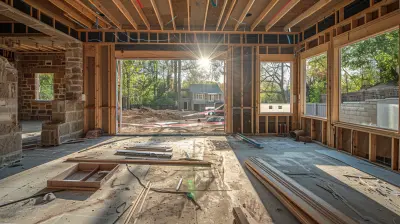
all images in this post were generated using AI tools
Category:
Building PermitsAuthor:

Basil Horne
Discussion
rate this article
2 comments
Natasha Soto
Building permits need a revolution.
August 28, 2026 at 11:08 AM
Zephyrion Wolf
Exciting times ahead for the real estate industry! Embracing new technology and trends will streamline the building permit process, making it more efficient and accessible for everyone.
June 4, 2026 at 12:40 PM