How to Stay Within Budget During a House Flip Renovation
9 March 2026
Flipping houses can be a gold mine—or a money pit. If you're not careful, what starts as a "simple" renovation can turn into a wallet-draining nightmare faster than you can say "cost overrun." The key? Sticking to a budget like your financial future depends on it—because, well, it does!
So, how do you keep costs in check while transforming that fixer-upper into a dream home for future buyers? Let's dive in. 
1. Start With a Rock-Solid Budget (And Stick to It!)
You wouldn’t head on a road trip with no idea how much gas you’ll need, right? The same logic applies to house flipping. Before you swing a sledgehammer, create a detailed budget.Break It Down
- Purchase Price – What you paid for the house.- Renovation Costs – Materials, labor, permits, and unexpected “surprises” (because there will be some).
- Holding Costs – Mortgage, property taxes, insurance, and utilities.
- Selling Costs – Realtor fees, staging, and closing costs.
Set a budget ceiling and do not (I repeat, do NOT) go over it unless absolutely necessary. 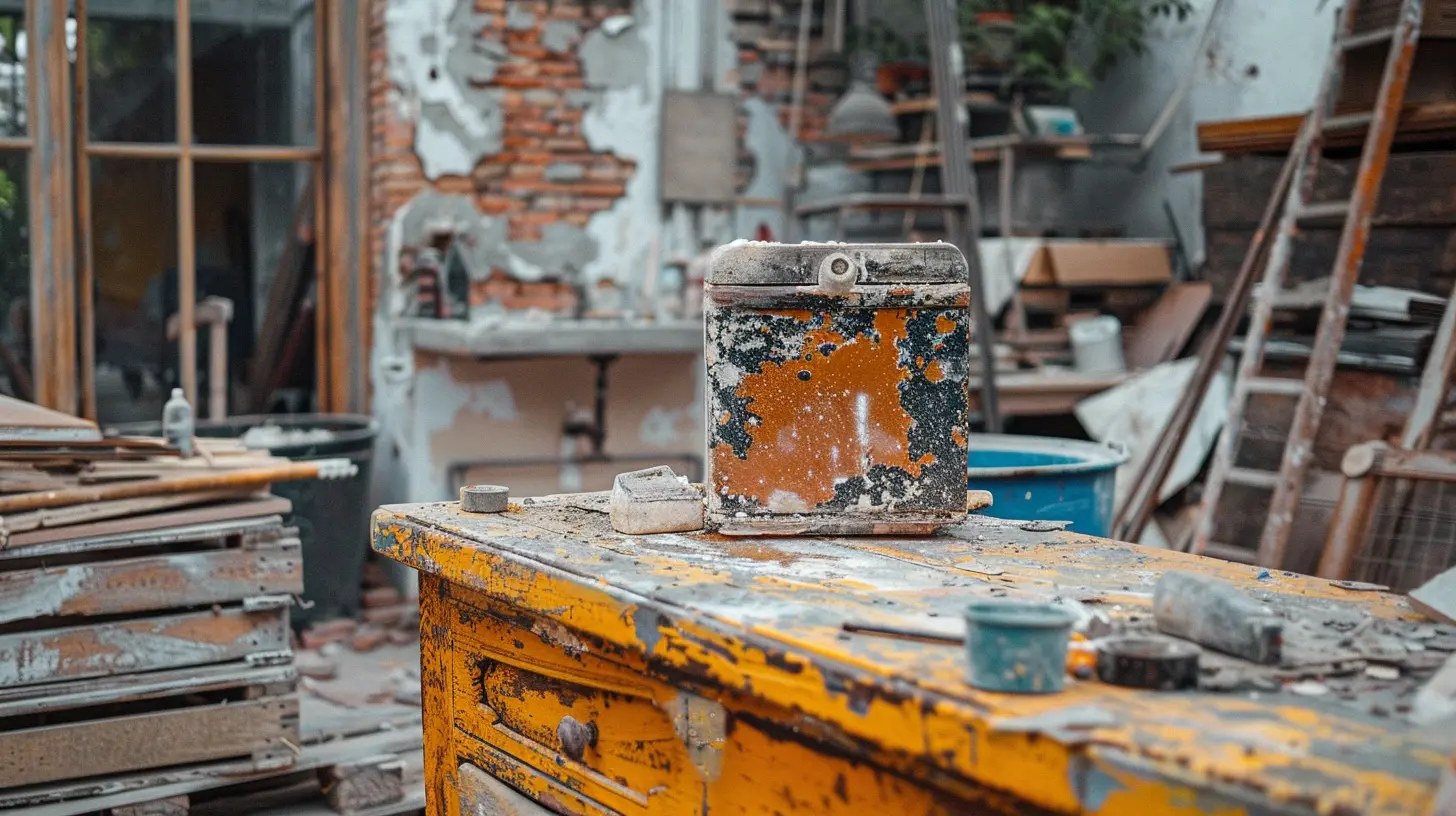
2. Plan Like a Pro Before You Start
Jumping into a renovation without a clear plan is like throwing money off a bridge. You need to have a solid strategy before demolition begins.Create a Scope of Work
List everything that needs to be done—down to the last doorknob. Prioritize projects that add the most value (more on that later).Get Multiple Quotes
Don’t hire the first contractor you meet. Get at least three quotes for every job. Sometimes, the cheapest bid isn’t the best, but overpaying is just as bad.Factor in a Safety Net
Unexpected expenses WILL pop up. (Hello, surprise foundation issues!) Budget at least 10-20% extra for unplanned costs. If you don’t use it, great! But if you need it, you’ll be glad it’s there.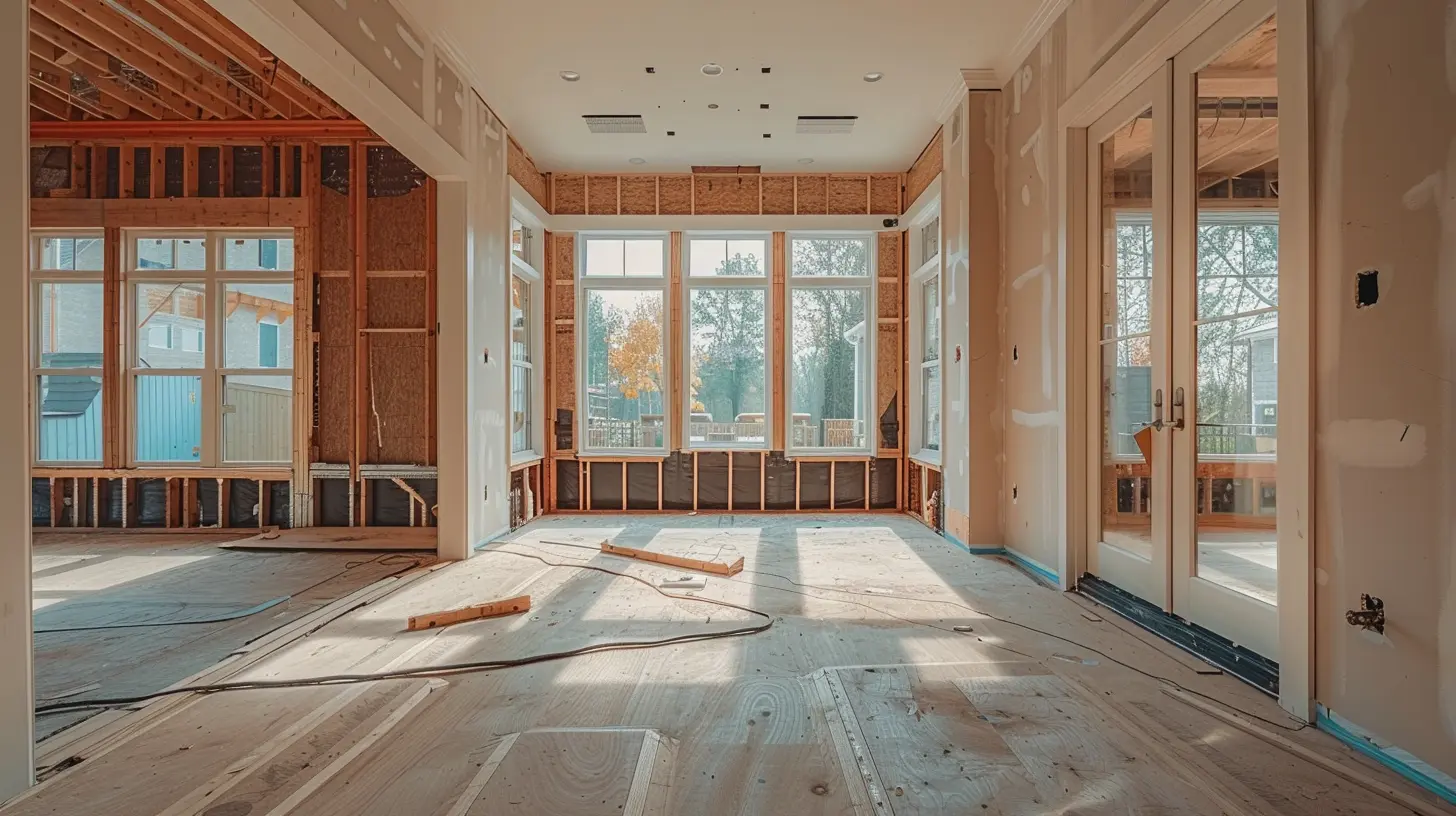
3. DIY Where You Can (But Know When to Call the Pros)
Sure, rolling up your sleeves and tackling some of the work yourself can save a ton of cash. But there’s a fine line between saving money and creating a disaster.DIY-Friendly Projects:
✅ Painting walls and cabinets✅ Installing new hardware (knobs, handles, faucets)
✅ Landscaping
✅ Light demo work (tearing down cabinets, removing carpets)
Leave These to the Pros:
❌ Electrical work (unless you enjoy unexpected fireworks)❌ Plumbing (unless you love indoor waterfalls)
❌ Structural changes (unless you're a licensed contractor)
DIY what you can, but don’t cut corners where it matters. The last thing you want is to redo a job that wasn’t done right the first time. 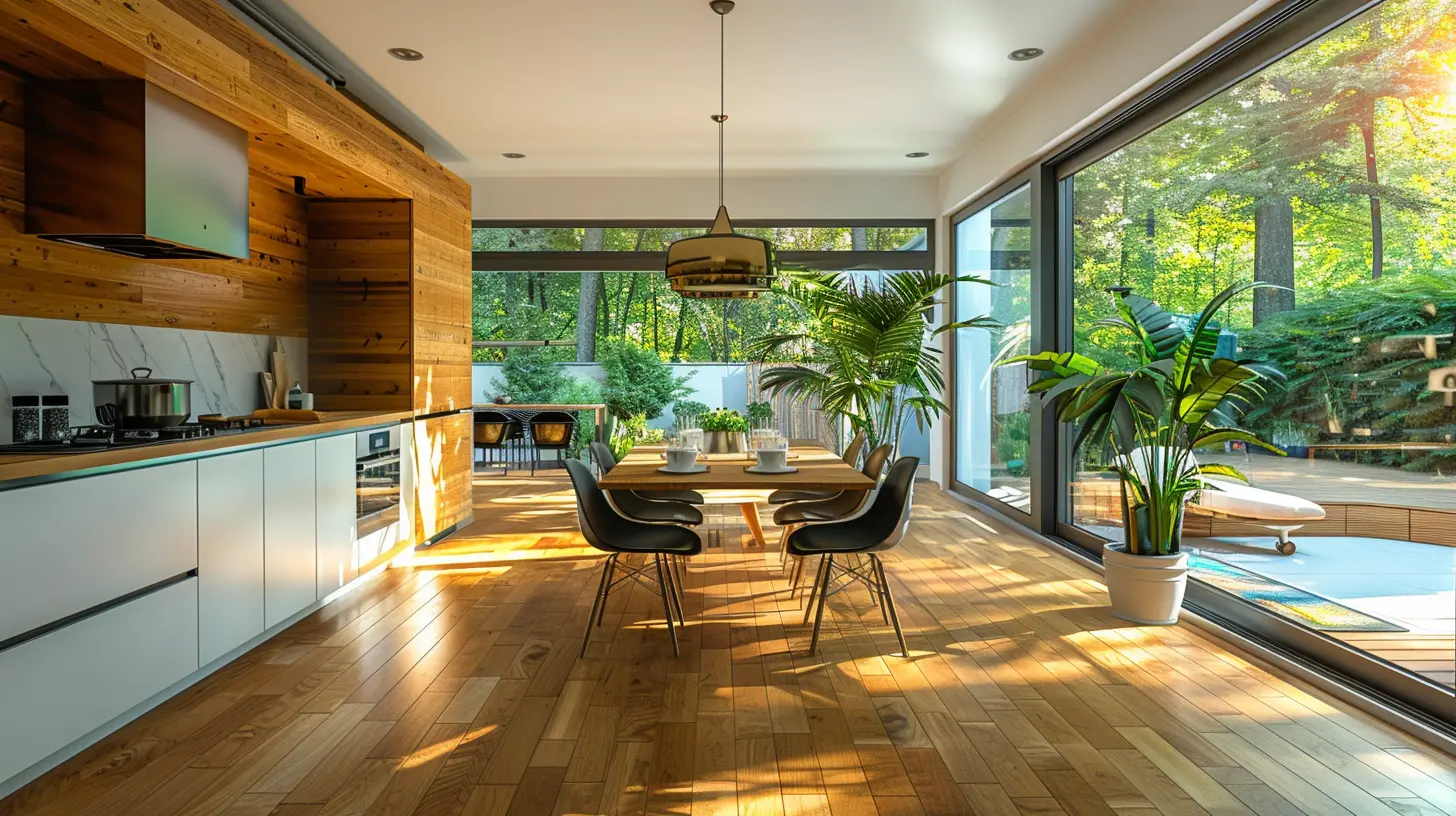
4. Focus on High-Value Upgrades
Not all upgrades are equal. Some add serious value to the home, while others just drain your bank account.Where to Spend:
- Kitchen Remodel – Buyers love a fresh kitchen. Even simple updates (like painted cabinets and new hardware) can make a huge difference.- Bathrooms – A stylish, modern bathroom sells houses. But don’t go overboard—no need for a gold-plated toilet.
- Curb Appeal – First impressions matter. A fresh coat of paint and some landscaping can work wonders.
Where to Save:
- Luxury Finishes – You don’t need top-of-the-line everything. Mid-range materials can look just as nice.- Trendy Designs – Avoid overly trendy styles that might not appeal to all buyers. Keep it classic.
- Moving Plumbing or Walls – These are costly and usually not necessary. Work with the existing layout when possible.
Spend where it counts and cut back on things that don’t boost resale value.
5. Shop Smart for Materials
Paying full price for materials? That’s a rookie mistake. If you want to stay on budget, you have to get creative with sourcing your supplies.Where to Find Deals:
- Discount Home Improvement Stores – Think Home Depot clearance racks and Habitat for Humanity ReStores.- Online Marketplaces – Facebook Marketplace, Craigslist, and OfferUp can be gold mines for cheap (or even free) materials.
- Bulk Buying – Need a ton of flooring or tile? Buying in bulk often gets you a better deal.
- Scratch-and-Dent Sales – Many stores sell appliances with minor dings at steep discounts. (Who cares about a barely noticeable scratch if it saves you hundreds?)
A little extra effort in shopping can save you thousands.
6. Avoid Scope Creep Like the Plague
What’s scope creep? It’s the sneaky, budget-busting phenomenon where small changes spiral into huge costs.It starts innocently—“Hey, while we’re at it, let’s upgrade the tile.” Suddenly, you’re gutting the whole bathroom.
Stick to your original plan. If an upgrade isn’t essential, put the hammer down and back away.
7. Speed Matters: Time Is Money
The longer a flip takes, the more you spend on holding costs (mortgage, utilities, insurance, taxes). Every extra day eats into your profits.How to Speed Things Up:
- Hire Reliable Contractors – Check reviews, ask for references, and don’t fall for “too good to be true” deals.- Order Materials Early – Delays in materials = delays in the entire project.
- Set a Timeline – Have clear deadlines for each phase, and hold everyone accountable.
Get in, get out, and get selling as fast as possible.
8. Inspect, Inspect, Inspect
Surprises are fun for birthdays, not for house flips. An inspection before you buy can save you from expensive headaches down the road.Red Flags to Watch For:
🚩 Foundation issues (cracks, sloping floors)🚩 Roof damage (leaks, missing shingles)
🚩 Electrical problems (outdated wiring = fire hazard)
🚩 Plumbing nightmares (rusty pipes, low water pressure)
Skipping an inspection to “save money” is like skipping a parachute to save weight—you’re asking for trouble.
9. Keep Your Eye on the End Game
At the end of the day, flipping a house isn’t about making your dream home—it’s about making a profit. Every decision should be based on resale value and buyer appeal.Ask Yourself:
- Will this upgrade add value?- Is this a need or a want?
- Will buyers actually care about this change?
Stay detached and think like a savvy investor, not an emotional homeowner.
Final Thoughts
Flipping a house within budget isn’t impossible, but it does take discipline, planning, and a good dose of patience. By creating a solid budget, shopping smart, avoiding unnecessary upgrades, and keeping the project moving, you can maximize your profits and avoid flipping yourself into financial ruin.Now grab that budget sheet and start planning—your wallet will thank you!
all images in this post were generated using AI tools
Category:
House FlippingAuthor:

Basil Horne
Discussion
rate this article
2 comments
Talia McCarron
Budgeting: Your house's best friend!
March 17, 2026 at 4:22 AM
Basil Horne
Absolutely! Budgeting helps prioritize expenses and keeps your renovation on track. It's essential for maximizing your investment.
Karly Wilcox
Prioritize essential upgrades and maintain a flexible budget for surprises.
March 11, 2026 at 4:05 AM
Basil Horne
Absolutely! Staying adaptable with your budget while focusing on key upgrades is crucial for a successful house flip.