The Decline of Traditional Office Spaces: Are Co-Working Spaces Here to Stay?
14 December 2025
Let’s face it—we're in the middle of a workplace revolution. Gone are the days when everyone dressed in suits and commuted five days a week to sit in rows of cubicles under fluorescent lights. The traditional office space, once a symbol of professional success, is starting to look… well, kind of outdated.
Meanwhile, co-working spaces have been popping up left and right, and they’re not just for startups anymore. Remote workers, freelancers, even employees of major corporations are opting for these flexible environments over the classic 9-to-5 grind in a high-rise downtown.
So, what’s really going on? Is the traditional office on its last legs? And more importantly—are co-working spaces the future of work?
Let’s unpack the shift.
What’s Behind the Decline in Traditional Office Spaces?
1. The Pandemic Effect
We can’t really talk about this topic without highlighting the big elephant in the room: COVID-19. When the pandemic hit, companies had no choice but to adapt—and fast. Remote work went from being a perk to becoming the new normal almost overnight.And you know what? It worked. Productivity didn’t tank. Deadlines were met. People found they actually liked spending more time with their families and less time sitting in traffic.
That forced one big question to the surface: “Do we even need a traditional office anymore?”
2. Rising Costs, Shrinking Returns
Let’s be real—leasing and maintaining office space is expensive. Between rent, utilities, maintenance, furniture, and tech infrastructure, the costs add up fast. For companies, especially small and mid-sized ones, it’s tough to justify that kind of overhead when the return on investment isn’t crystal clear.And with hybrid models becoming the standard, paying for unused office space five days a week just doesn’t make financial sense.
3. Employees Want Flexibility
Workers today value flexibility more than ever. We're talking about a cultural shift where freedom and work-life balance are in the limelight. People want to work where they feel most productive—and spoiler alert—it’s not always a cubicle.According to surveys, many employees say they’d even take a pay cut if it means maintaining a flexible work schedule. That speaks volumes.
Enter Co-Working Spaces: The Modern Solution?
Okay, so if the traditional office space is losing its charm, what’s taking its place? Co-working spaces.And they’re not just trendy—they might be the answer to a lot of the problems today’s workers and businesses face.
What Exactly Is a Co-Working Space?
First things first—a co-working space is a shared workspace where individuals from different companies or backgrounds work independently or collaboratively. Think open layouts, coffee bars, speedy Wi-Fi, meeting rooms you can book on the fly, and maybe even a foosball table or two.They’re designed to be plug-and-play work environments. You bring your laptop, grab a seat, and you’re good to go.
Why Are Co-Working Spaces So Popular?
Here’s why these spaces are blowing up:- Flexibility: Rent by the hour, day, or month. No long-term leases.
- Affordability: Shared resources mean lower costs.
- Community: Meet like-minded professionals, potential collaborators, or even new friends.
- Productivity: A work-focused atmosphere without the distractions of home.
- Less Isolation: Especially helpful for freelancers and remote workers.
And unlike traditional offices, co-working spaces don’t come with the baggage. No office politics, no dress codes, and no need to fight over the thermostat.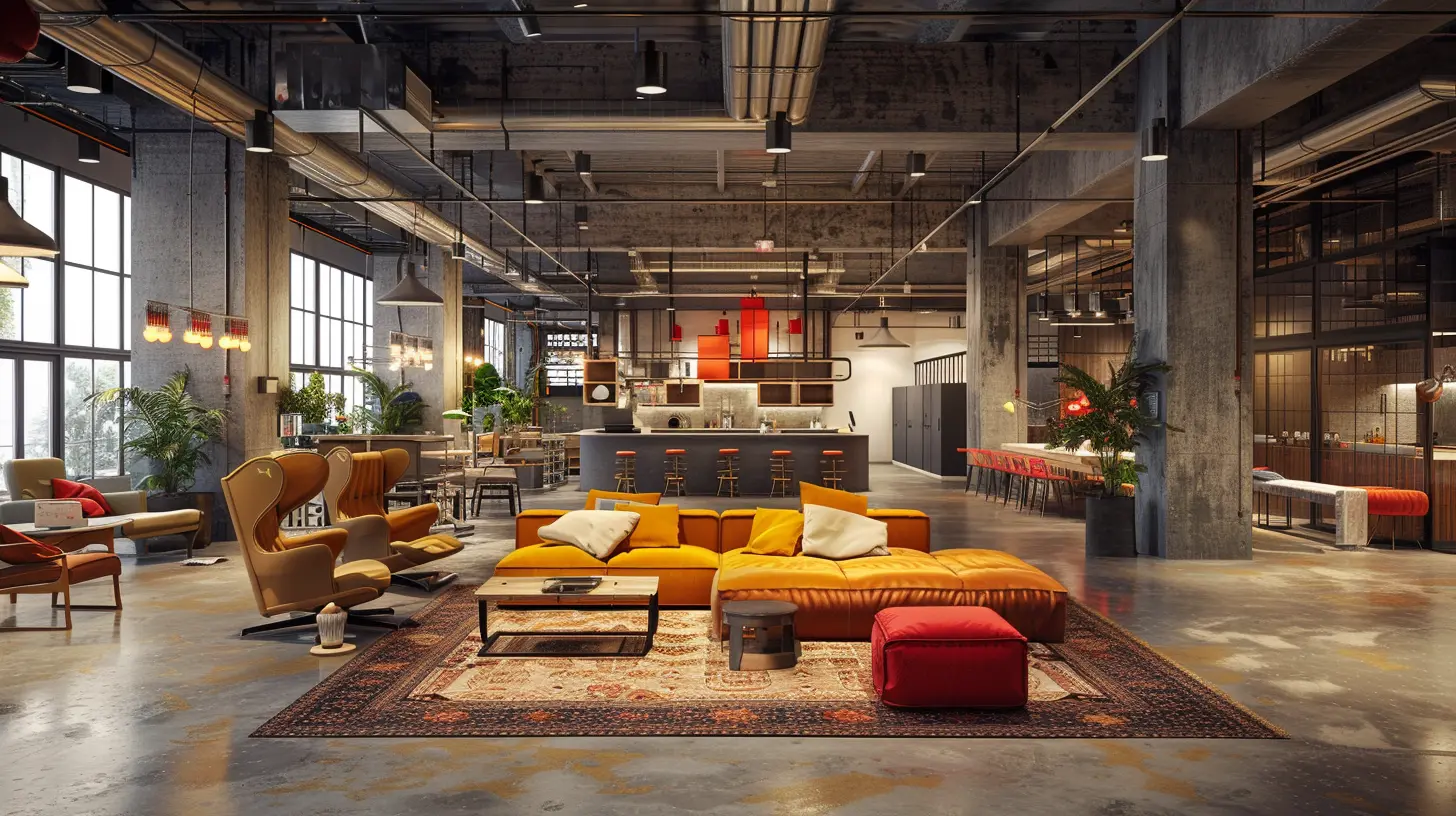
Different Strokes for Different Folks: Who’s Using Co-Working Spaces?
You might be surprised to learn that it’s not just freelancers and digital nomads filling these spaces. The user base has expanded a lot.1. Small Businesses & Startups
For startups, co-working spaces are a dream come true. They offer a professional setting without the massive overhead. Plus, being in a community full of other business owners breeds innovation, networking, and a steady flow of ideas.2. Large Corporations
Believe it or not, even big players like Microsoft and IBM have started using co-working spaces—to test out markets, support remote teams, or just provide flexible working options for their employees.It’s part of a “hub-and-spoke” model where the main HQ (the hub) is supported by smaller, flexible offices (the spokes).
3. The Self-Employed & Remote Workers
The largest slice of the co-working pie still belongs to freelancers and remote workers. Why? Because working from home has its limits. You might crave social interaction, a quiet place to focus, or just a change of scenery.Think of it like a gym for your career. You could technically work out at home, but it’s way more motivating to do it somewhere designed for that purpose.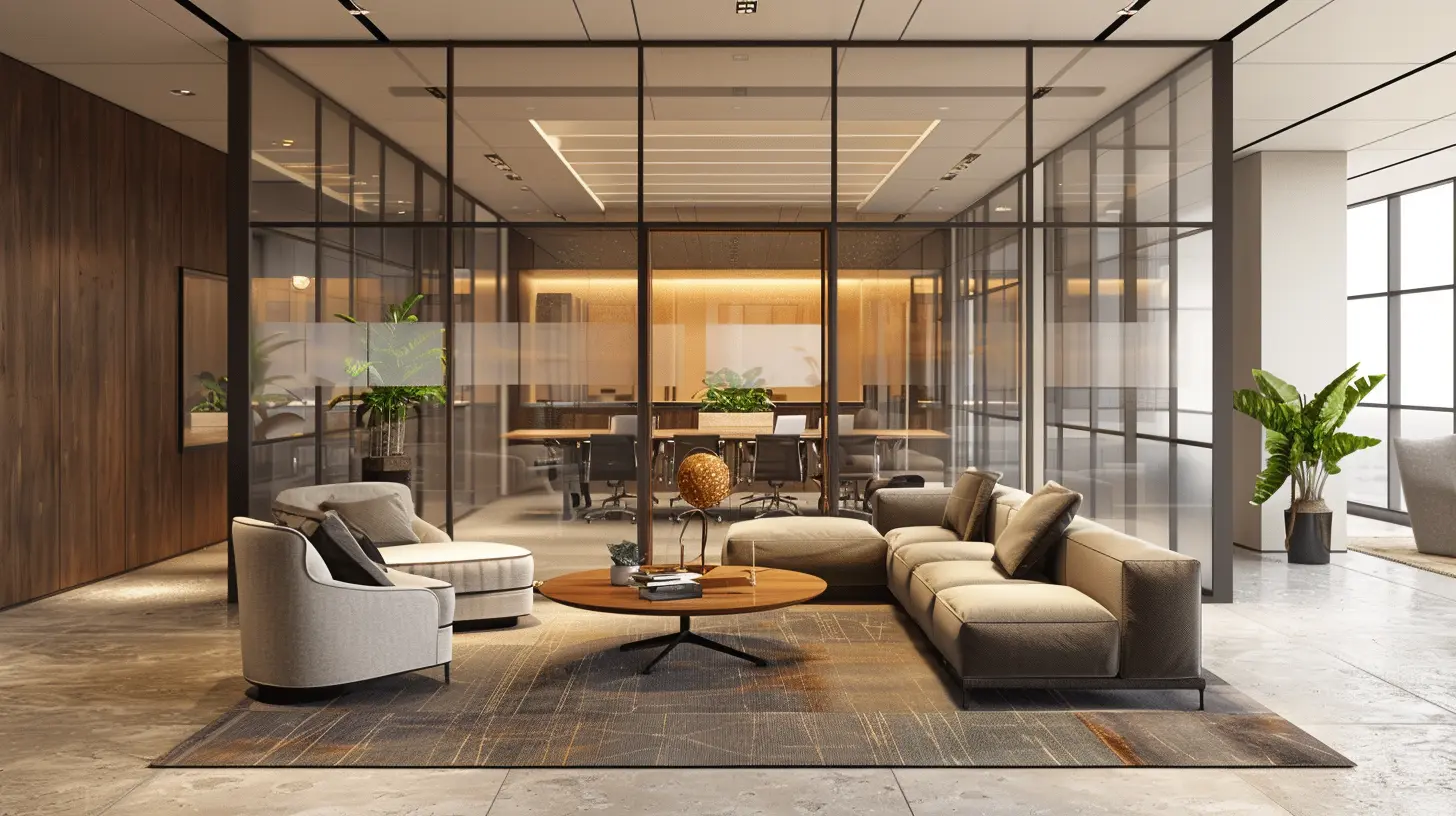
Consider This: Pros and Cons of Co-Working Spaces
Like everything else, co-working spaces aren’t perfect. Let’s keep it real and weigh both sides.Pros
- ✅ No long-term commitments- ✅ Lower operational costs
- ✅ Built-in networking opportunities
- ✅ Customizable workspace options
- ✅ Access to events, workshops, and mentorship
Cons
- ❌ Limited privacy- ❌ Can get noisy
- ❌ Shared resources might sometimes be poorly managed
- ❌ Less control over the environment
- ❌ May not align with every company’s culture
So, while co-working spaces tick a lot of boxes, they’re not a one-size-fits-all solution. They work best for teams that thrive in flexible, collaborative environments.
Are Co-Working Spaces Actually Here to Stay?
Let’s answer the big question: Is this a trend or the new normal?The Market Says “Yes”
The global co-working market is expected to grow significantly in the coming years. We're talking billions of dollars in valuation. New players are entering the scene, and existing companies like WeWork, Regus, and Industrious are expanding their reach.As technology continues to advance and remote work becomes more viable, the demand for flexible workspaces will only increase.
Real Estate Is Adapting
Commercial real estate developers aren’t sitting this one out. They’re converting traditional office properties into flexible workspaces, adding amenities like shared kitchens, rooftop lounges, and podcast rooms to attract the next generation of workers.There’s even a new term floating around—“workspitality”—which merges workspace with hospitality. Think hotel-style services in your office space.
The Hybrid Future: A Bit of Both?
Here’s the thing—traditional office spaces might not vanish entirely, but they are definitely evolving. The future of work doesn’t seem to be an “either-or” situation. It’s more likely a mix.How Hybrid Models Work
In a hybrid setup, employees split their time between home, co-working spaces, and centralized offices. It gives people the best of all worlds—collaboration when it’s needed, quiet focus when it’s not.Companies like Google, Apple, and Facebook are all experimenting with hybrid approaches. They understand that the 9-to-5 model doesn’t fit everyone anymore.
The Role of Choice
When people can choose how and where they work, they usually choose what makes them most productive and happy. And happy, productive employees? That’s good news for any business.So maybe the question isn't whether co-working spaces are here to stay—but how we’ll use them in combination with other options.
Final Thoughts: Adapt or Get Left Behind
It’s pretty clear that the traditional office, as we knew it, is fading. The rigid, hierarchical, fluorescent-lit cubicle farms just don’t cut it anymore—especially when more flexible and human-centric alternatives exist.Co-working spaces offer adaptability, community, and cost-efficiency—all things that today’s workforce actually values. And while they’re not a cure-all, they solve a lot of modern workplace challenges.
So, are co-working spaces here to stay?
Short answer? Yes.
Long answer? They’re not just here to stay. They’re shaping the future of work.
The workplace is no longer defined by location—it’s defined by connection, collaboration, and convenience. Whether you're a solopreneur chasing dreams or a manager looking to keep your team engaged, co-working spaces have something unique to offer.
And if you’re in real estate? This is your wave to ride.
all images in this post were generated using AI tools
Category:
Real Estate TrendsAuthor:

Basil Horne
Discussion
rate this article
2 comments
Otto Miller
Co-working spaces reflect evolving work dynamics; adaptability is essential.
December 21, 2025 at 7:20 PM
Basil Horne
Absolutely! Co-working spaces embody the shift towards flexibility in work culture, making adaptability crucial for businesses and professionals alike.
Xavier Monroe
Co-working spaces are not just a trend; they're a revolution. As remote work solidifies, traditional offices are relics of the past. Embrace the flexibility, collaboration, and innovation that co-working offers. The future of work is here, and it’s communal.
December 14, 2025 at 11:54 AM
Basil Horne
I completely agree! Co-working spaces are redefining how we work, fostering collaboration and flexibility that traditional offices struggle to match. The shift is not just a trend; it reflects the future of work.