Restoring Old Homes: Preserving the Soul of Your Fixer Upper
31 March 2026
There’s something undeniably charming about an old home. The creaky wooden floors, the intricate moldings, the character-rich walls—each piece whispers its own story. But when you take on the task of restoring a fixer-upper, you're not just renovating a house; you're preserving a piece of history, bringing forgotten beauty back to life.
Restoring an old home can feel like both an adventure and a challenge. You may uncover hidden gems, but you might also stumble upon issues you never expected. So, how do you breathe new life into your fixer-upper without losing its soul? Let’s dive into the art of restoration and how to maintain the heart of your home while giving it the love it deserves.
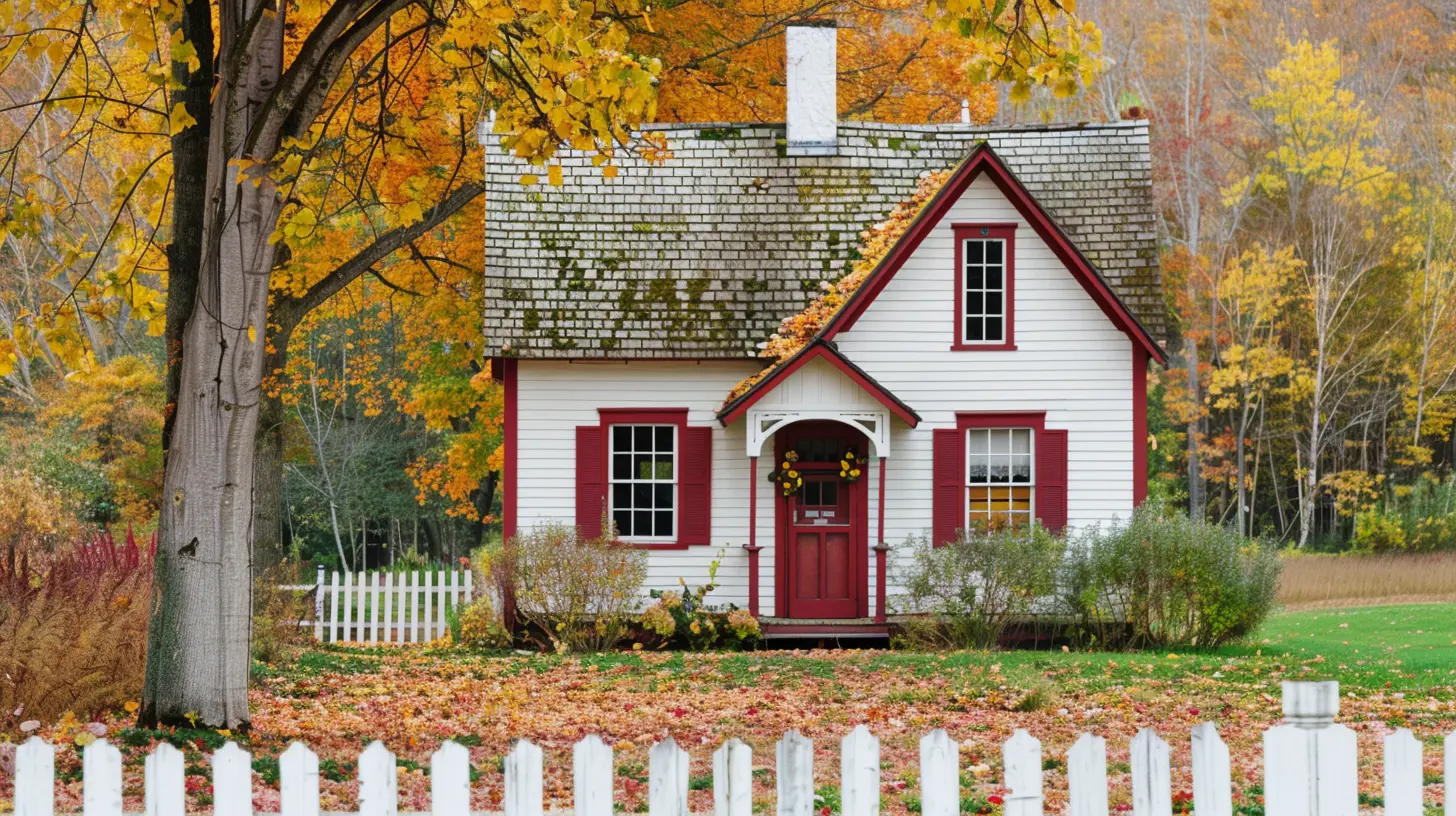
Understanding the Soul of Your Fixer Upper
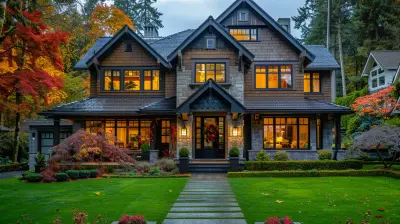
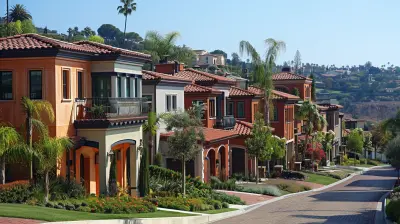
Every old home has its own personality. Before picking up a sledgehammer or choosing paint colors, take the time to really understand what makes your home special.- Architectural Style: Is it a Victorian beauty, a Craftsman bungalow, or a historic farmhouse? Each era has its own distinct features worth preserving.
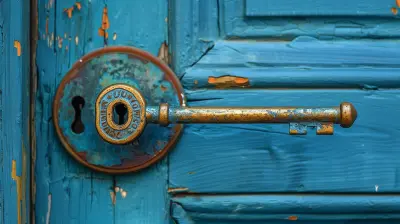
- Original Materials: Think stunning woodwork, original hardwood floors, vintage hardware, and period-specific windows. These details are what give your home character.
- Historical Significance: Your home may have a unique history. Researching local archives or talking to neighbors can give you insight into its past.
Once you’ve connected with the essence of your home, you can begin restoring it in a way that honors its history while making it functional for modern living.
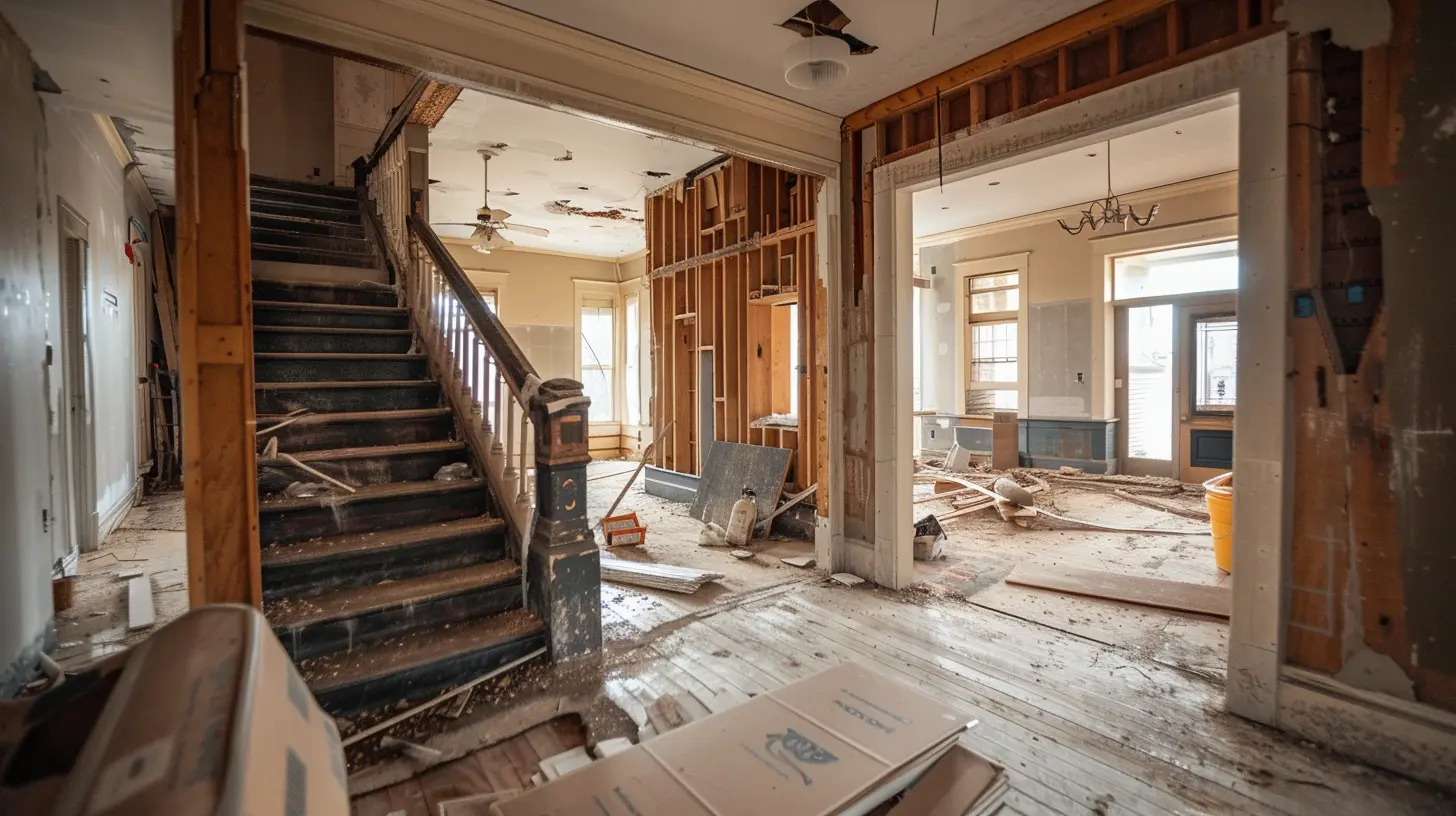
Keeping the Original Charm Intact
1. Salvage and Restore What You Can
One of the best ways to maintain your fixer-upper’s character is by restoring rather than replacing. Whenever possible, save original elements like:- Hardwood Floors: A good refinish can bring back their original luster.
- Doors and Trim: Strip old paint and restore intricate woodwork.
- Windows: If possible, restore instead of replacing them with modern versions. Old glass has a unique waviness that adds charm.
Replacing historic details with modern materials might be easier, but it often strips the home of its personality. Refinishing, repainting, or repurposing original pieces keeps the soul intact.
2. Choose Period-Appropriate Materials
If something is beyond repair, opt for materials that match the home’s original design. Whether it’s finding wood that mimics old-growth lumber or choosing plaster over drywall, small choices make a big difference.- Use reclaimed wood to match existing finishes.
- Select historically accurate light fixtures that enhance the home’s authentic look.
- Opt for classic tile patterns if you’re updating kitchens or bathrooms.
Modern renovations can sometimes strip a home of its nostalgic elements. But by choosing materials that nod to its past, you ensure that the home retains its original warmth and charm.
3. Preserve the Floor Plan (With Sensible Tweaks)
Many old homes have layouts that don’t fit today’s lifestyle—tiny kitchens, closed-off rooms, or lack of storage. While it’s tempting to knock down walls, consider whether there are ways to maintain the integrity of the original floor plan.- Open up spaces thoughtfully: If you must remove a wall, can you add archways or columns that blend with the home’s era?
- Incorporate built-ins: Many older homes featured built-in shelves or benches that you can restore or recreate.
- Keep original ceiling heights: If your home has tall ceilings, don’t lower them to fit modern trends.
A home’s layout tells a story about how people lived in it decades ago. While updating for comfort is necessary, thoughtful modifications will allow you to modernize without erasing history.
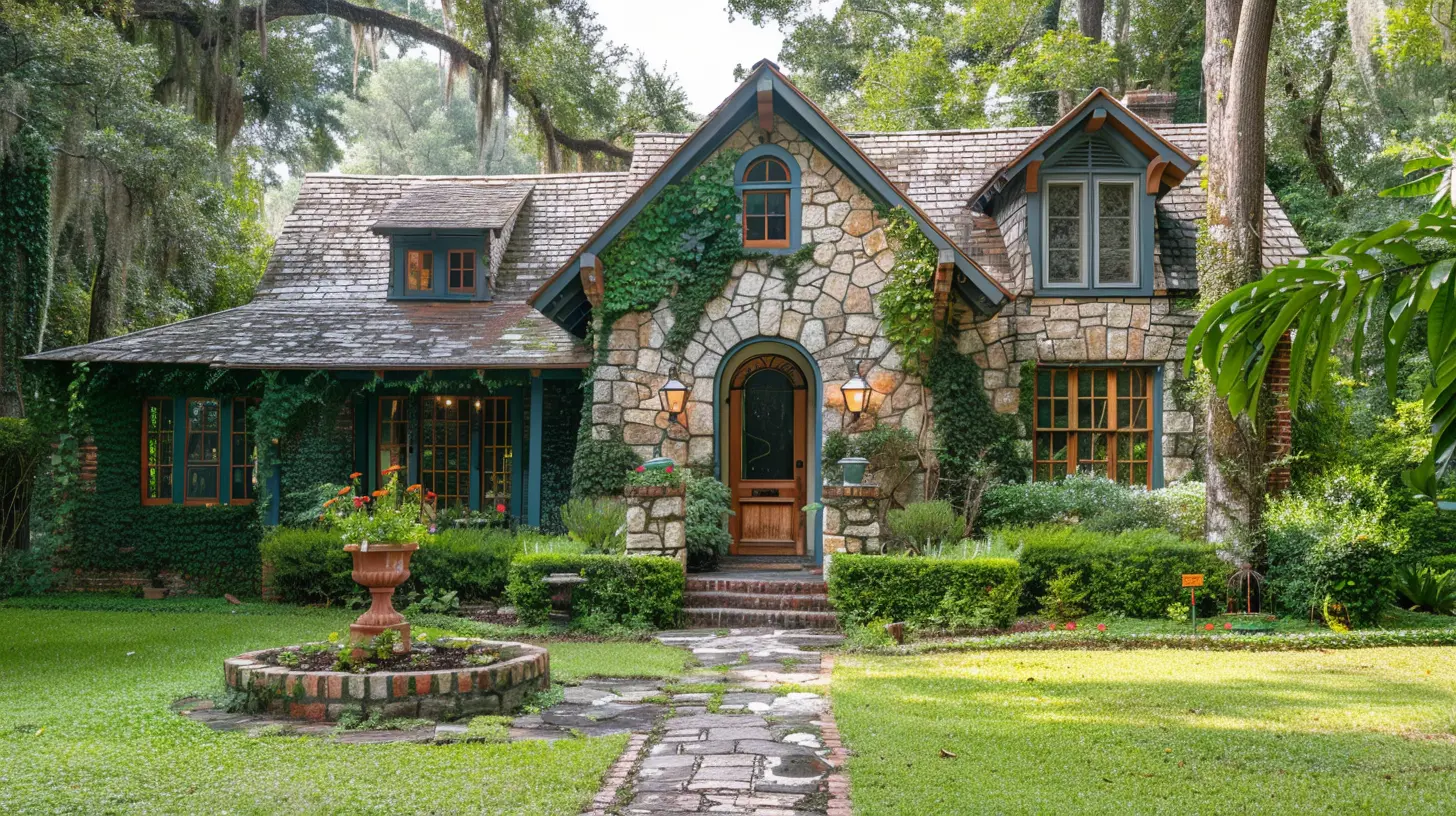
Modern Comfort Without Losing Old-World Charm
4. Upgrade Systems Without Compromising Aesthetics
Old homes often come with outdated plumbing, electrical, and HVAC systems. Upgrading these elements is crucial for safety and comfort—but how do you do it without disturbing the home’s heritage?- Conceal wiring and plumbing behind walls and baseboards instead of exposing unsightly modern materials.
- If replacing outlets and switches, use vintage-style covers to match the home's era.
- For heating and cooling, consider discrete ductless systems instead of bulky modern units.
Technology evolves, but a thoughtful approach ensures your home doesn’t lose its historic charm in the process.
5. Blend New with Old
Sometimes, modern and historic can coexist beautifully. A sleek kitchen can sit comfortably within a vintage home if designed thoughtfully. Achieve harmony by:- Mixing old and new materials: Pair a modern quartz counter with an antique farmhouse sink.
- Using vintage-inspired design elements: Subway tiles, clawfoot tubs, and brass fixtures fit both past and present aesthetics.
- Choosing neutral paint tones that highlight rather than overshadow original details.
By blending eras, you create a space that feels timeless rather than an awkward mix of past and present.
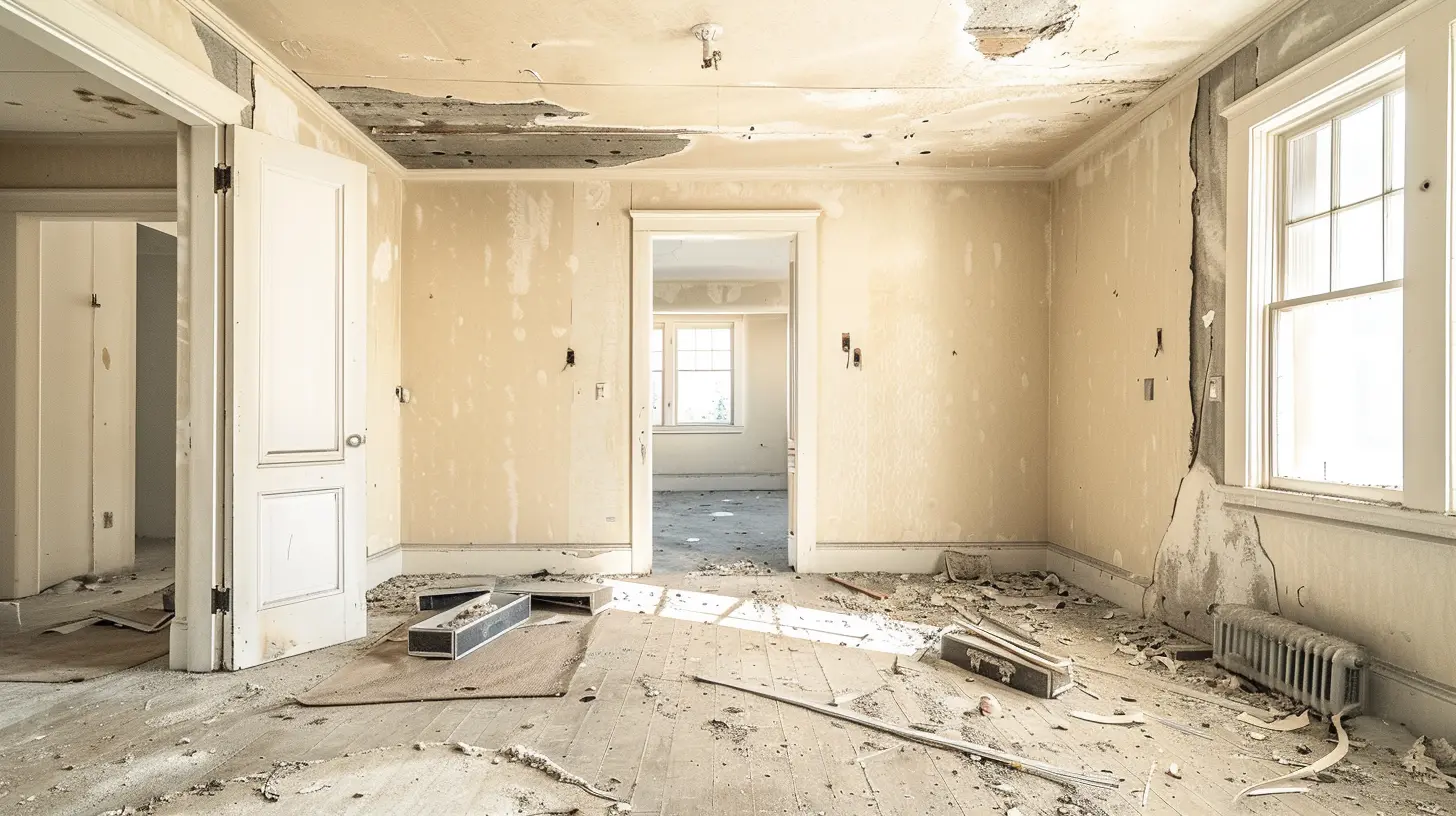
DIY vs. Hiring Professionals
Restoring a fixer-upper can be a labor of love, but knowing when to DIY and when to call in a pro can save both time and money.- DIY-Friendly Tasks: Refinishing floors, painting walls, and simple carpentry projects.
- Professional Jobs: Structural work, electrical upgrades, plumbing, and anything requiring permits.
If there’s one rule for tackling old home restoration, it’s this—respect what you don’t know. Cutting corners or skipping expert advice can lead to costly mistakes that might undo the home’s authenticity in the long run.
The Reward of Restoring an Old Home
Restoring an old home isn’t just about fixing it up—it’s about honoring its history while making it your own. When you choose restoration over replacement, you’re keeping craftsmanship alive, ensuring that your home continues to tell its story for generations to come.Yes, it takes patience. Yes, it requires dedication. But the moment you step back and admire your hard work—the carefully refinished woodwork, the preserved tin ceilings, the light pouring through original stained glass—you’ll know it was all worth it.
At the end of the day, you’re not just restoring a home. You’re reviving its soul. And there’s nothing more satisfying than that.
all images in this post were generated using AI tools
Category:
Fixer UppersAuthor:

Basil Horne
Discussion
rate this article
2 comments
Sophie Yates
Restoring an old home is more than renovation; it’s about breathing new life into its history. Embrace the journey, celebrate the quirks, and create a space that honors the past while shaping a beautiful future. Your fixer-upper holds endless potential!
April 6, 2026 at 4:21 AM
Basil Horne
Thank you for highlighting the deeper meaning of restoration! Embracing a home's history truly transforms it into a unique blend of the past and future.
Samuel Hunter
Old homes: where history meets your imagination!
March 31, 2026 at 10:25 AM
Basil Horne
Absolutely! Restoring old homes allows us to honor the past while infusing them with our own creative spirit. It's a beautiful blend of history and imagination.