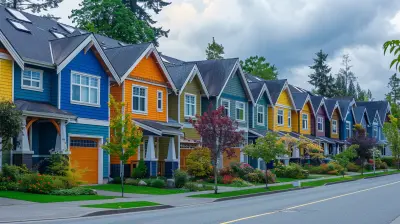
The Difference Between Zoning Permits and Building Permits
26 December 2025
So, you’re ready to build that dream home, open a new business, or add an extra bathroom to stop family feuds over morning showers? Fantastic! But before you break ground, there’s one thing you absolutely, positively cannot ignore—permits. Yes, those pesky papers with a list of rules longer than a grandma's bedtime story.
Now, you’ve probably heard about zoning permits and building permits, but do you actually know the difference? Don’t worry, you’re not alone. These two permits often get lumped together like peanut butter and jelly, but trust me—one is a "where" issue, and the other is a "how" issue.
Let’s break it all down in a way that won’t make your head spin faster than a real estate agent at an open house. 
What Is a Zoning Permit? (A.K.A. The Neighborhood Rulebook)
Imagine you just bought a gorgeous plot of land, and you’re all set to build a five-story indoor trampoline park. Woohoo! Except… the city says NOPE because that land is zoned for single-family homes. Bummer, right?That’s where a zoning permit comes in. It ensures that whatever you're planning to do actually fits the designated land use. Think of it like your neighborhood’s rulebook—it dictates whether your land can host a business, a house, a farm, or that taco truck empire you've been dreaming of.
Common Zoning Classifications
Zoning laws vary by city, but here are the usual suspects:- Residential (R) – Homes, apartments, and places where people live.
- Commercial (C) – Stores, offices, and businesses where people hustle.
- Industrial (I) – Factories, warehouses, and places where people build stuff.
- Agricultural (A) – Farms, barns, and places where people grow food.
Want to turn your suburban basement into a nightclub? Pretty sure zoning laws say no dice. 
What Is a Building Permit? (A.K.A. The Construction Sheriff)
Okay, let’s say you passed the zoning hurdle. Your land is approved for that trampoline park (lucky you). But before you start hammering away, the building permit comes into play.Think of a building permit as the government's way of saying, “Sure, you can build that, but follow these safety rules, buddy.” It ensures that your project meets structural safety standards, fire codes, plumbing regulations, and everything else that keeps buildings from collapsing like a cheap card table.
Why Do You Need a Building Permit?
- To make sure your structure won’t fall apart like a bad relationship- To ensure electrical, plumbing, and mechanical work doesn’t turn your project into a future fixer-upper
- To keep your insurance company happy (because they love loopholes)
- To avoid expensive fines that feel like paying for a parking ticket you technically deserve
In short, a building permit ensures your project doesn’t become a public safety hazard—or an unintentional amusement park ride. 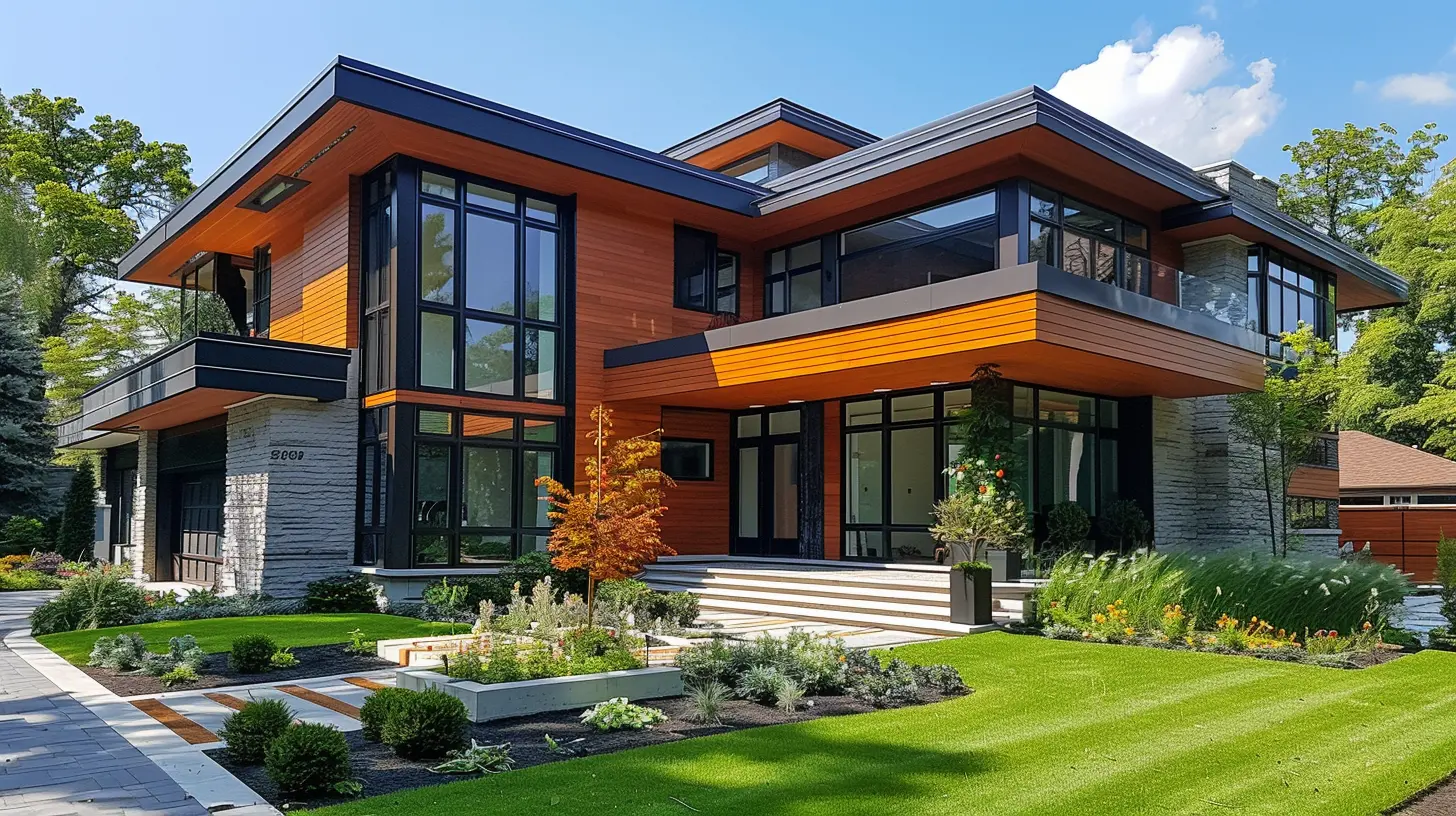
Zoning Permit vs. Building Permit: The Key Differences
| Feature | Zoning Permit | Building Permit ||----------------------|-----------------------------------------|-----------------------------------------|
| Purpose | Regulates where you can build | Regulates how you build |
| Issued By | City/Town’s zoning department | Local building authority |
| When It’s Needed | Before land-use planning & approval | Before construction begins |
| Covers | Land use, property boundaries, code compliance | Structural integrity, safety, materials |
Think of it this way: zoning permits decide if you can build something there, while building permits decide how you do it.
Would you want your neighbor turning their backyard into a petting zoo? Probably not. That’s zoning for you. But would you also want a house built with duct tape and good intentions? That’s why we have building permits. 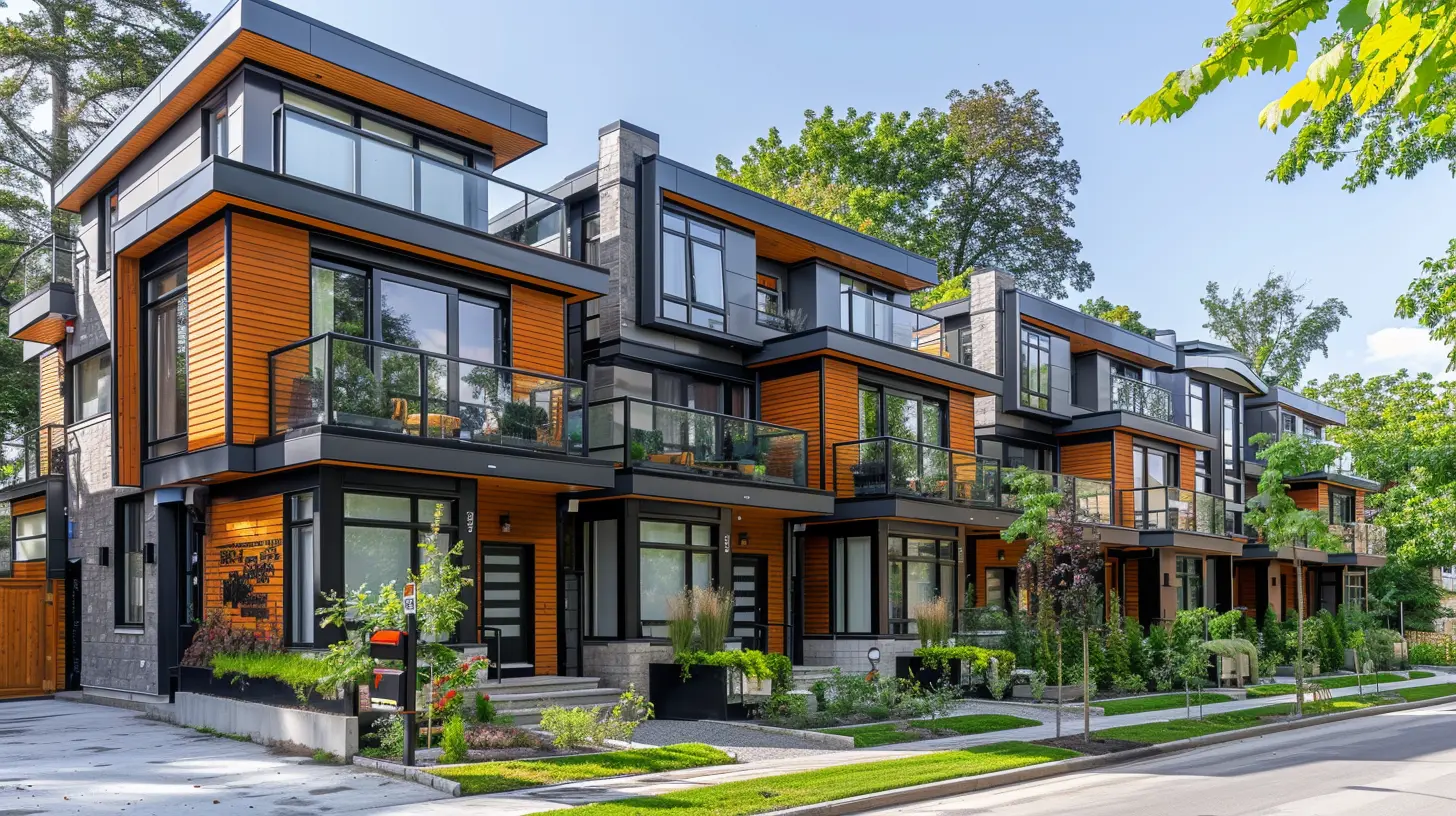
What Happens If You Skip These Permits? (Spoiler: It’s Not Pretty)
Look, I get it. Permits can feel like an overprotective parent—constantly nagging and slowing you down. But skipping them is like trying to bake a cake without preheating the oven. It might work, but it’s probably going to be a disaster.Here’s what could happen if you try to sneak past the permit police:
1. Fines That Hurt More Than a Speeding Ticket
If the city catches you breaking ground without the proper paperwork, they can slap you with fines hefty enough to make your wallet cry.2. Stop-Work Orders (a.k.a. The “No Fun” Letter)
Imagine getting halfway through your dream project only for the city to show up and say, “Yeah…so, stop everything.” That’s a stop-work order, and yes, they’re as frustrating as they sound.3. Trouble Selling Your Property Later
When you try to sell your place, buyers (and banks) are going to want proof that everything was done legally. If they find out your kitchen remodel was done without permits, they might back out faster than a kid stuck in a haunted house.4. Insurance Nightmares
If something goes wrong—like a fire or structural failure—your insurance company can deny your claim because you didn’t follow legal building codes. Ouch.Long story short? Skipping permits isn’t worth the risk.
How to Get a Zoning or Building Permit (Without Losing Your Mind)
Alright, now that you understand the difference, let’s talk about how to actually get your hands on one of these magical pieces of paper.1. Visit Your Local Permit Office
Your city or county’s planning department website should have all the details on what you need. Bonus tip: be nice to the zoning staff—they hold the power to make your life easier (or harder).2. Submit an Application
This could include:✅ Property details
✅ Plans for the structure
✅ Blueprints or site plans (for building permits)
✅ Fees (because nothing in life is free)
3. Wait… and Wait Some More
Processing times vary, so be patient. Think of it like waiting for your pizza delivery—it takes time, but it’s worth it.4. Inspections & Approvals
For building permits, expect inspections throughout construction. (Yes, they’ll check that your contractor isn’t cutting corners.)5. Celebrate!
Once approved, you’re officially good to go—legally! 🎉The Bottom Line
So, zoning permits and building permits might sound similar, but they serve completely different purposes. Zoning permits make sure your project fits the intended land use, while building permits ensure your structure is safe and up to code.Skipping them? Bad idea. Getting them? A little bit of a hassle, but way better than dealing with fines, lawsuits, or a house that collapses the first time you sneeze too hard.
At the end of the day, doing things by the book saves you headaches, money, and possibly your sanity. Now go forth and build that dream project—the right way!
all images in this post were generated using AI tools
Category:
Building PermitsAuthor:

Basil Horne
Discussion
rate this article
2 comments
Kaitlin Hughes
Understanding the distinction between zoning and building permits is crucial for developers and homeowners alike. Zoning permits dictate land use, while building permits focus on construction compliance. Both are essential for successful projects.
January 20, 2026 at 4:24 AM
Basil Horne
Thank you for highlighting this important distinction! Understanding both permits is key to ensuring compliance and success in any development project.
Arwenia Shaffer
Understanding the distinction between zoning and building permits empowers you to navigate real estate with confidence. Knowledge is key to unlocking your property’s potential—let's build a brighter future together!
December 26, 2025 at 4:45 AM
Basil Horne
Thank you for your insight! Understanding these distinctions truly does empower property owners to maximize their investments. Let's continue to share knowledge for a brighter future!