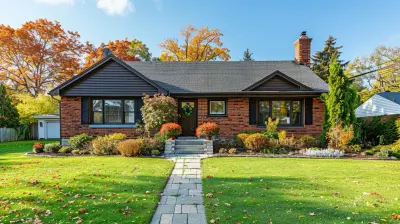
Property Taxes on Second Homes and Vacation Properties
19 December 2025
Owning a second home or vacation property can feel like a dream come true. A cozy cabin in the mountains, a beachfront bungalow, or even a chic city condo – these getaways become sanctuaries from daily life. But let’s not get too carried away with the daydreams just yet. There’s a not-so-little detail called property taxes that you really have to think about when owning more than one property.
The good news? This isn’t rocket science. But it is a topic worth digging into, especially if you want to avoid any financial surprises. Let’s break it down and talk about what you can expect when it comes to property taxes on second homes and vacation properties.
What Are Property Taxes, Anyway?
Property taxes are like that recurring subscription you can’t cancel – only, instead of streaming your favorite shows, they fund public schools, local government, and community services. They’re calculated as a percentage of your property’s assessed value, and every county or municipality sets its own tax rate.For your primary residence, these taxes are typically straightforward. But when it comes to second homes and vacation properties, the rules can get a bit tricky. And let’s face it, nobody loves surprises on tax day.
Are Property Taxes Higher for Second Homes?
Okay, here’s the deal: Many local governments view second homes differently. Why? Because they’re not your primary residence. They’re considered a luxury, and local governments love to tax luxuries.In many places, second homes don’t qualify for the same exemptions or tax breaks that primary residences do. For example, you’ve probably heard of the homestead exemption, right? That’s a tax reduction available for many primary residences. Well, guess what? Your second home doesn’t usually make the cut.
Oh, and in some states, you might even be slapped with a higher tax rate for your second property. It’s like they’re saying, “Hey, if you can afford a second home, you can afford a little extra tax.” 
Vacation Properties and Rental Income
Here’s where things get really interesting. If you’re renting out your vacation home part-time, you might have to deal with more than just property taxes – income taxes might also come into play.In the U.S., for example, the IRS has a “14-day rule.” If you rent out your vacation home for fewer than 14 days a year, you don’t have to report the rental income. But if you rent it out for more than 14 days, you’ll need to report that income – and potentially pay taxes on it.
Think of it like juggling: You’re balancing property taxes and rental income taxes. Fun, right? 
How Are Property Taxes Calculated?
Okay, this part might make your eyes glaze over, but stick with me – it’s important. Property taxes are generally calculated using your property’s assessed value multiplied by the local tax rate.For example:
- Let’s say your vacation home is assessed at $500,000, and your county’s property tax rate is 1.25%.
- Your annual property tax bill would be $500,000 × 1.25% = $6,250.
But that’s just the starting point. Local governments might tack on additional taxes, like school taxes or special assessments for things like road repairs or sewer systems.
Tips to Save on Property Taxes for Second Homes
Let’s be real: Nobody wants to pay more taxes than they have to. So, here are some tips to keep your property tax bill under control:1. Challenge Your Property’s Assessment
Think your property’s assessed value is too high? Challenge it! Most counties have a process where you can appeal your property’s assessment. If you succeed, you could lower your tax bill.2. Consider Location, Location, Location
Some states or cities have lower property tax rates than others. If you’re deciding where to buy a second home, it’s worth researching the tax landscape first.3. Look for Tax Breaks
Some areas offer tax breaks for certain types of properties or uses. For example, if your vacation home is located in a historic district or is used for agricultural purposes, you might qualify for tax savings.4. Rent Strategically
If you’re renting out your vacation property, try to stay under that 14-day rule (if it applies in your country). This way, you can avoid reporting rental income and simplify your tax situation.Beware of Property Tax Reassessments
Here’s a sneaky little thing that can trip you up: property tax reassessments. If your property increases in market value, the local assessor might come knocking with a higher tax bill.Some jurisdictions reassess properties annually, while others might only reassess when the property is sold. Either way, it’s a good idea to keep an eye on your property’s assessed value to make sure it aligns with market conditions.
Vacation Properties Abroad
Now, what if you’re eyeing that dream villa in Italy or a chic flat in Paris? Owning property abroad comes with its own set of tax rules. Many countries have property taxes, and you’ll need to understand how they’ll impact you as a non-citizen owner.Oh, and don’t forget about the potential for double taxation. Depending on your home country’s tax laws, you might owe taxes both abroad and at home. Yikes.
What Happens If You Can’t Pay Your Property Taxes?
Let’s face it, life happens, and sometimes money gets tight. But ignoring your property tax bill isn’t really an option. If you don’t pay, your local government could place a lien on your property – and eventually even sell it in a tax sale to recover the debt.That said, some counties offer payment plans or hardship programs for homeowners who are struggling. If you’re in a bind, reach out to your local tax office sooner rather than later.
Key Takeaways
So, what’s the bottom line here? Property taxes on second homes and vacation properties can be a bit more complicated than taxes on your primary residence.- Be prepared for potentially higher tax rates or fewer exemptions.
- Understand your local property tax laws and consider working with a tax professional.
- Explore ways to save, like appealing your assessment or choosing a tax-friendly location.
Owning a second home or vacation property is a privilege, but it comes with responsibilities – and property taxes are definitely one of them. Knowing the rules and planning ahead can save you a lot of headaches (and money) down the road.
all images in this post were generated using AI tools
Category:
Property Tax GuideAuthor:

Basil Horne
Discussion
rate this article
2 comments
Sophia Yates
Great article! It’s essential for potential buyers to understand the nuances of property taxes on second homes and vacation properties. Consider including tips on how to navigate these taxes effectively and any potential deductions that homeowners might overlook.
December 24, 2025 at 8:55 PM
Basil Horne
Thank you for your feedback! I'll definitely consider adding tips on navigating property taxes and potential deductions in future updates.
Edith Rosales
Understanding property taxes on second homes and vacation properties is essential for investment planning and financial management. Stay informed to avoid surprises.
December 22, 2025 at 9:40 PM
Basil Horne
Thank you for your insightful comment! Understanding property taxes is indeed crucial for effective investment planning. Staying informed can help avoid unexpected financial burdens.