Permit Delays: How They Can Derail Your Construction Timeline
2 May 2026
Ah, the world of construction—a dance of dreams and deadlines, where blueprints turn into buildings, and visions manifest in brick, steel, and wood. It's a thrilling endeavor, isn’t it? But, like any intricate choreography, one misstep can send the whole routine tumbling. And if there’s one villain that’s notorious for tripping up the timeline, it's this mundane yet mighty hurdle: permit delays.
Permit delays might not get the attention they deserve, but they hold the power to bring your carefully planned construction project to a screeching halt. How do they do it? Why do they happen? And, more importantly, what can you do to keep them from derailing your dreams? Let’s dig deeper into this overlooked menace and uncover why patience (and preparation) is key in navigating this critical aspect of construction. 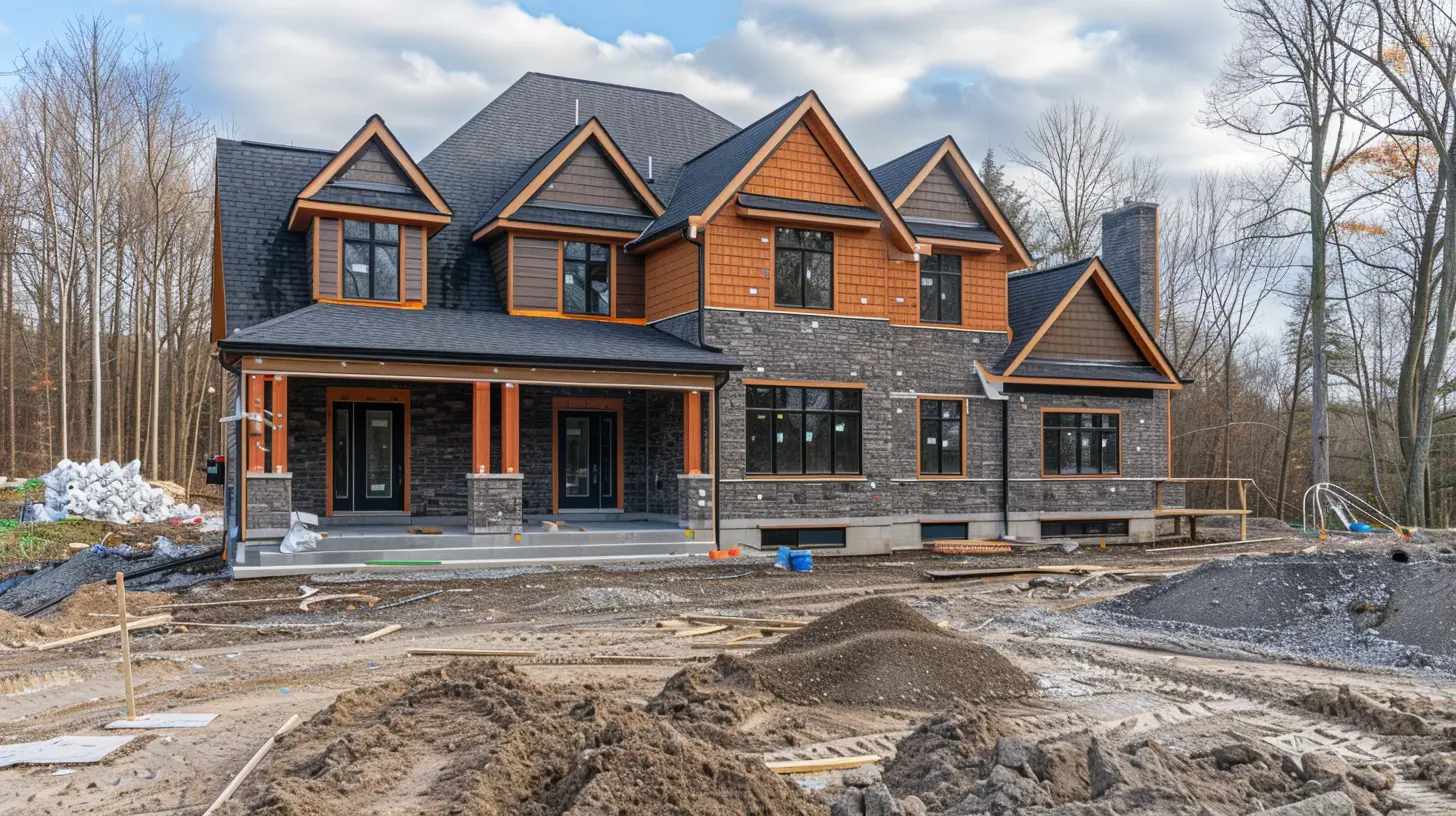
What Are Building Permits, Anyway?
Before we dive into the disruption permit delays can cause, let’s step back and understand building permits. Think of them as the golden tickets to your construction adventure. These permits are official approvals from local authorities, giving you the green light to proceed. They ensure your project complies with zoning laws, codes, and safety regulations.Ever tried baking a cake without measuring ingredients? Sure, you might end up with something edible, but odds are higher you’ll have a mess. Building permits follow the same logic—they create a recipe that ensures your building is safe, structurally sound, and lawful.
But here’s the kicker: permits aren’t a one-size-fits-all deal. Depending on the project’s scope, location, and purpose, you might need several permits—zoning, electrical, plumbing, environmental—you name it. The more complex the project, the more paperwork you’re staring down. 
The Waiting Game: How Permit Delays Happen
Ah, permit delays—the construction world’s ultimate buzzkill. What’s so tricky about getting a few stamps of approval? Well, plenty. The permitting process is rarely a straightforward path. It’s more like a winding uphill climb with unexpected detours. Here’s what can cause delays:1. Bureaucratic Red Tape
Let’s be real—government processes move about as fast as a snail on vacation. The wheels of bureaucracy turn slowly, and things like understaffed departments, backlog from previous applications, or outdated approval systems only add to the delay.2. Incomplete Applications
Here’s a hard truth: some delays are self-inflicted. Maybe a box wasn’t ticked, a document wasn’t uploaded, or the form wasn’t filled out correctly. Even something as small as a typo can lead to a long wait while the application returns for correction.3. Zoning and Code Compliance Issues
Does your project comply with zoning laws? Are you following every nook and cranny of building codes? If the answer is “no” or “not sure,” there’s your culprit. Permit authorities are meticulous when it comes to compliance.4. External Reviews
Some permits require external agencies to weigh in—think environmental assessments or historical preservation committees. These extra layers of approval act like speed bumps in your timeline.5. Special Circumstances
Building in a flood zone? Planning a massive high-rise? Working on land with environmental sensitivity? All of these scenarios require additional scrutiny and could lead to extended delays.
Why Permit Delays Are Like Dominoes
Imagine building a house of cards. The first card is your permit approval. If you can’t get that first piece right, everything else is at risk of falling apart. Permit delays don’t just stall one part of the project—they create ripples that can throw off your entire construction timeline. Here’s how:1. Delays in Starting Construction
No permit, no groundbreaking. It’s as simple as that. And here’s the thing: construction timelines are often tightly synchronized. A few weeks of waiting on a permit might feel minor, but it can push your start date right into the path of bad weather or holiday seasons.2. Higher Costs
Time is money—especially in construction. Laborers waiting for work, equipment sitting idle, and materials stored for longer than planned all result in extra costs. Permit delays can also mean paying more for expedited work later to get the project back on track.3. Ripple Effects on Subcontractors
Subcontractors are like puzzle pieces in the construction timeline. If one piece doesn’t fit when it’s supposed to, the other pieces—like electricians, plumbers, and roofers—are left hanging. This can lead to scheduling chaos.4. Missed Deadlines and Client Frustration
If you’re a developer building for clients, permit delays can dent your reputation. Missed deadlines might lead to unhappy clients—or worse, legal disputes.
How to Keep Permit Delays from Derailing Your Construction
Let’s be honest—you can’t 100% guarantee a smooth permitting process. But just like you’d carry an umbrella to keep a sudden drizzle from soaking your day, there are steps you can take to reduce the impact of permit delays.1. Do Your Homework
Before you even think about starting your project, research your local permitting requirements. What kind of permits do you need? Who’s responsible for issuing them? Are there any common hiccups in the process? Being prepared is half the battle won.2. Work with Professionals
Permit applications can be complicated, especially for larger projects. Don’t hesitate to hire architects, engineers, or permit expediters who know the ins and outs of the system. They can help ensure your paperwork is flawless from the get-go.3. Plan for Delays in Your Timeline
The best way to minimize frustration? Expect delays rather than being blindsided by them. Build some buffer time into your construction timeline so a small delay doesn’t spiral into a major setback.4. Communicate with Authorities
This one’s simple but surprisingly effective: stay in touch. Reach out to the permitting office for updates on your application. A friendly conversation can sometimes speed things up—or at least give you clarity on the timeline.5. Stay Flexible
Delays are an inherent part of construction, whether due to permits, weather, or unforeseen circumstances. Have a Plan B ready for rescheduling certain tasks so work can continue even if certain permits are delayed.Permit Delays: A Necessary Evil
Here’s the irony: while permit delays can feel like a roadblock, they’re often a sign that the system is working as it should. It’s frustrating, sure, but it’s all about ensuring safety, compliance, and sustainability. Think of it this way—would you want to live or work in a building that skipped over those checks? Probably not.Permit delays are proof that your project is being held to a standard, even if it slows things down. They’re a necessary evil in the dance of construction—a reminder that sometimes, progress requires patience.
Final Thoughts
Construction timelines are rarely perfect. They’re more like a game of Tetris, with pieces falling into place—sometimes faster, sometimes slower. Permit delays might be one of the trickiest pieces, but with preparation, patience, and a dash of persistence, you can navigate them without losing your cool (or your timeline).So, the next time you’re faced with a setback, remember: it’s not the end of the world—it’s merely a pause in the song. And when the music resumes, you’ll be ready to build something remarkable.
all images in this post were generated using AI tools
Category:
Building PermitsAuthor:

Basil Horne
Discussion
rate this article
2 comments
Darius Hubbard
Permit delays can be tough.
June 4, 2026 at 3:23 AM
Nicholas McClellan
Permit delays can significantly impact project timelines, leading to increased costs and frustration. Staying proactive and informed is essential for smooth construction.
May 2, 2026 at 2:43 AM
Basil Horne
Absolutely, being proactive and informed can really make a difference. It helps mitigate delays and keeps projects on track. Thank you for your insights!