How to Spot a Profitable Property Flip Before Making an Offer
9 July 2026
Flipping houses can be an exciting and lucrative venture—but only if you know how to spot the right property. Not every house on the market is a golden opportunity, and the last thing you want is to invest your hard-earned money into a property that drains your wallet instead of filling it.
So, how do you separate a true moneymaker from a money pit? That’s exactly what we’re going to cover today. By the end of this guide, you’ll have a clear roadmap for identifying a property that’s ripe for flipping before you even make an offer.
Let’s dive in! 
1. Know Your Numbers: The 70% Rule
When it comes to flipping houses, running the numbers is non-negotiable. One tried-and-true formula that seasoned investors swear by is the 70% rule.How Does It Work?
The 70% rule states that you should never pay more than 70% of a property's after-repair value (ARV) minus the estimated repair costs.Here’s a simple breakdown:
- ARV (After Repair Value): The price the house is expected to sell for after renovations.
- Repair Costs: The total cost of renovations needed to bring the property up to market value.
Formula:
\[
ext{Maximum Offer Price} = ( ext{ARV} imes 70\%) - ext{Repair Costs}
\]
Example:
Let’s say you find a house with an ARV of $300,000, and the estimated repair costs are $50,000.\[
(\$300,000 imes 0.70) - \$50,000 = \$160,000
\]
That means your maximum offer should be no more than $160,000 to ensure you turn a solid profit. 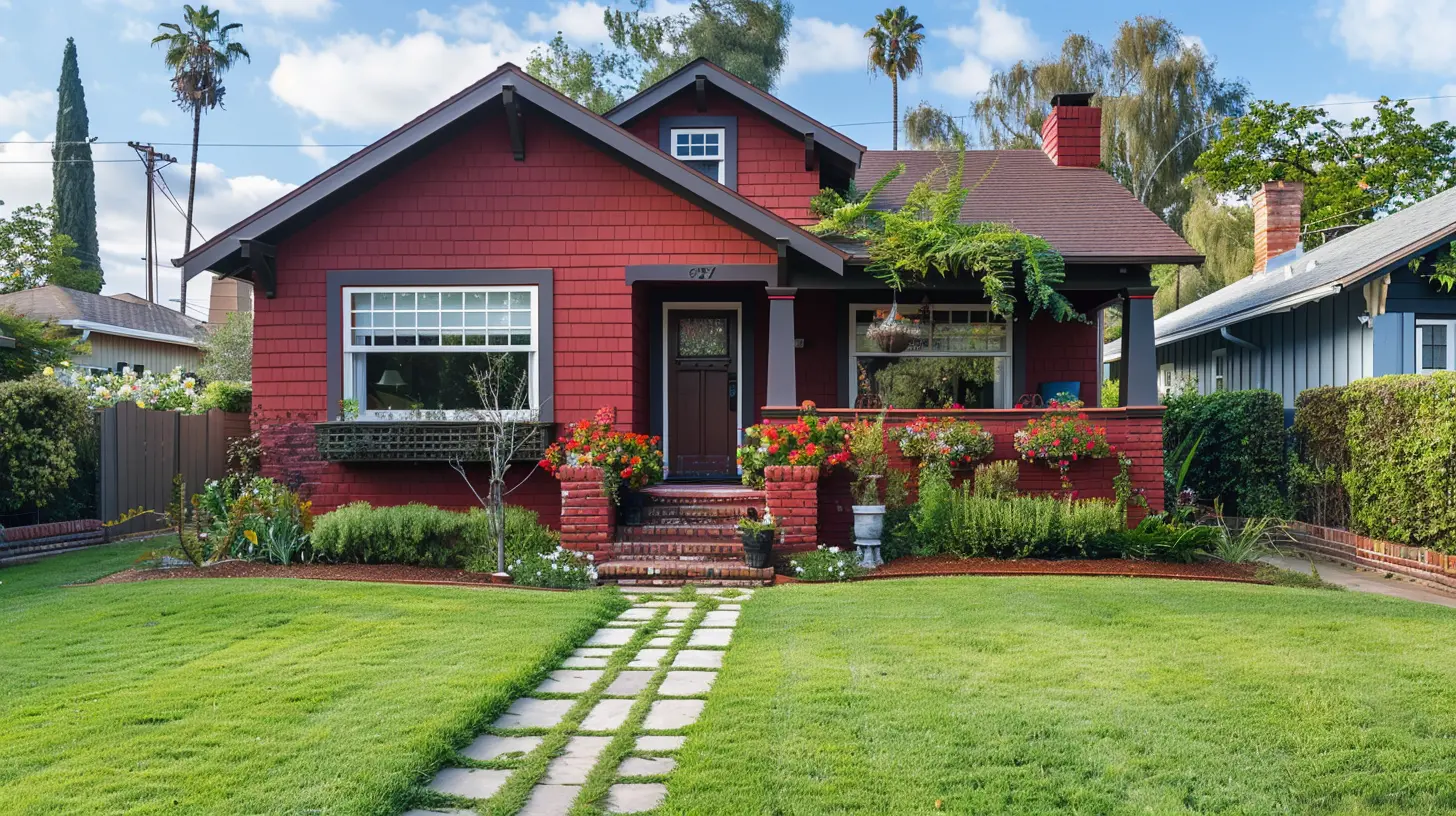
2. Location, Location, Location
You’ve probably heard this phrase a thousand times, but when it comes to flipping houses, location is everything.What Makes a Location Profitable?
- Strong Market Demand: Look for areas with high buyer demand and low inventory.- Good School Districts: Homes in desirable school zones tend to attract families and sell quickly.
- Rising Home Values: Check if property values in the area have been steadily increasing over the past few years.
- Low Crime Rates: Buyers prioritize safety, making neighborhoods with low crime rates more appealing.
- Nearby Amenities: Access to shopping centers, parks, restaurants, and public transport significantly boosts property value.
Pro Tip:
Use tools like Zillow, Redfin, or Realtor.com to analyze home price trends in your target area. If prices have been consistently rising and homes sell fast, that's a green flag!
3. Assess the Property’s Condition
A profitable flip isn’t just about buying low and selling high—it’s about knowing exactly what you’re signing up for in terms of repairs.Red Flags to Watch Out For:
Some problems can be easily fixed, while others can turn your flip into a nightmare. Here’s what to avoid:- Foundation Issues: Cracks in walls, uneven floors, or doors that won’t close properly could indicate major structural problems.
- Roof Problems: A leaky or sagging roof can be costly to replace, so ensure it’s in good shape.
- Old Electrical & Plumbing Systems: Outdated wiring or plumbing can eat into your budget fast.
- Pest Infestations: Termites and rodents can cause serious damage, often requiring expensive extermination and repairs.
- Extensive Water Damage: Mold and mildew are often signs of deeper, more expensive problems.
Green Lights (Good Rehab Potential):
Some properties need work, but that doesn’t mean they aren’t a good investment. The key is focusing on cosmetic fixes rather than structural ones.- Outdated Kitchens & Bathrooms: These are some of the most valuable areas to renovate.
- Peeling Paint & Old Flooring: A fresh coat of paint and new floors can instantly boost a home’s appeal.
- Curb Appeal Issues: Overgrown lawns and old siding may look bad, but they’re affordable to fix.
Always bring a contractor or inspector with you to estimate repair costs before making an offer—it could save you thousands! 
4. Check Comparable Sales (Comps)
Before locking in an offer, you need to know how much similar homes in the area have sold for recently. This helps you gauge your potential profit and set realistic expectations.How to Find Comps:
- Look at recent sales (past 6 months) of homes in the same neighborhood with similar square footage, bed/bath count, and condition.- Use real estate platforms like Zillow, Redfin, or Realtor.com to pull recent sales data.
- Talk to local real estate agents for insider insights on pricing trends.
Having the right comps ensures you don’t overpay or overestimate your potential ARV.
5. Understand the Market Cycle
Buying the right property is one thing, but timing the market is just as important.Real Estate Market Phases:
- Buyer's Market: More homes for sale than buyers → Prices drop → Great time to buy flips at a discount.- Seller's Market: More buyers than homes → Prices increase → Strong demand for newly flipped properties.
If you buy in a buyer’s market and sell in a seller’s market, you maximize your profits.
6. Check for Motivated Sellers
A motivated seller is golden for house flippers. Why? Because they’re more likely to sell the property below market value.Signs a Seller is Motivated:
- The home has been on the market for a long time (60+ days).- The listing mentions "must sell" or "priced to sell quickly."
- It's an inherited property (heirs may want to sell fast).
- It's a foreclosure or bank-owned property.
- The seller is going through a divorce or financial hardship.
Negotiating a great deal is half the battle when flipping houses. The better price you get upfront, the higher your profit.
7. Understand Permits & Zoning Laws
Before purchasing a flip, research local zoning laws and permit requirements.Why Is This Important?
- Some renovations (like adding a bedroom or expanding square footage) require permits.- Local zoning laws dictate what can and cannot be done to the property.
- Unpermitted work can lead to hefty fines and lower resale value.
Always check city or county records to ensure there are no legal roadblocks.
8. Have an Exit Strategy
A successful flip isn’t just about buying a property—it’s about selling it quickly for a profit.Smart Exit Strategies:
1. Fix & Flip: Renovate and sell as fast as possible.2. Wholetailing: Make minimal updates and sell to another investor.
3. Rent & Hold: If the market slows down, renting out the property can generate income until it's a good time to sell.
Having multiple options ensures you're never stuck with a house that won’t sell.
Final Thoughts
Flipping houses is both an art and a science. The best flippers don’t rely on luck—they rely on research, numbers, and a sharp eye for profit potential.By following the steps outlined above, you’ll be well-equipped to spot a profitable property flip before making an offer. Just remember:
✔ Do your homework on the market and location
✔ Always crunch the numbers before making an offer
✔ Stick to cosmetic fixes over major structural issues
✔ Look for motivated sellers to negotiate better deals
✔ Have an exit strategy in place
With the right mindset and preparation, your next flip could be your most profitable one yet. Happy flipping!
all images in this post were generated using AI tools
Category:
Property FlippingAuthor:

Basil Horne
Discussion
rate this article
1 comments
Calaris Pruitt
Great insights in this article! Spotting a profitable property flip can be tricky, but these tips really break it down. I love how you emphasized the importance of research and local market knowledge. Definitely a must-read for any investor!
July 15, 2026 at 3:25 AM
Basil Horne
Thank you for your feedback! I'm glad you found the tips helpful. Research is key in this market. Happy investing!