How to Safeguard Your Rights in a Rental Dispute with Your Landlord
30 July 2026
Renting a place to live comes with its fair share of responsibilities—but let’s be honest, so does being a landlord. While most tenant-landlord relationships go smoothly, issues sometimes arise. From withheld security deposits to unannounced visits, rental disputes can become stressful and overwhelming.
So, what can you do when your landlord isn’t playing fair? How do you safeguard your rights and ensure you're treated justly? In this guide, we’ll dive deep into how you can protect yourself in a rental conflict, the legal steps you can take, and practical ways to maintain a peaceful rental experience. 
Understanding Your Tenant Rights
Before you even sign a lease, it’s crucial to understand your rights as a tenant. Many disputes arise simply because tenants aren’t aware of what they’re entitled to.While tenant rights vary depending on the laws in your state or country, here are some key rights most tenants have:
1. The Right to a Habitable Home – Your landlord is responsible for ensuring the place is safe, livable, and meets health codes.
2. The Right to Privacy – Landlords can’t just barge in whenever they please; they must provide proper notice before entering.
3. Protection from Unlawful Eviction – Landlords need a legal reason and proper notice before evicting a tenant.
4. The Right to Fair Lease Terms – Your lease agreement must comply with housing laws and shouldn’t contain unfair clauses.
5. The Right to a Return of Your Security Deposit – If you’ve followed the lease terms and left the property in good shape, your deposit should be returned.
Knowing your rights is the first step in successfully handling any dispute that may arise. 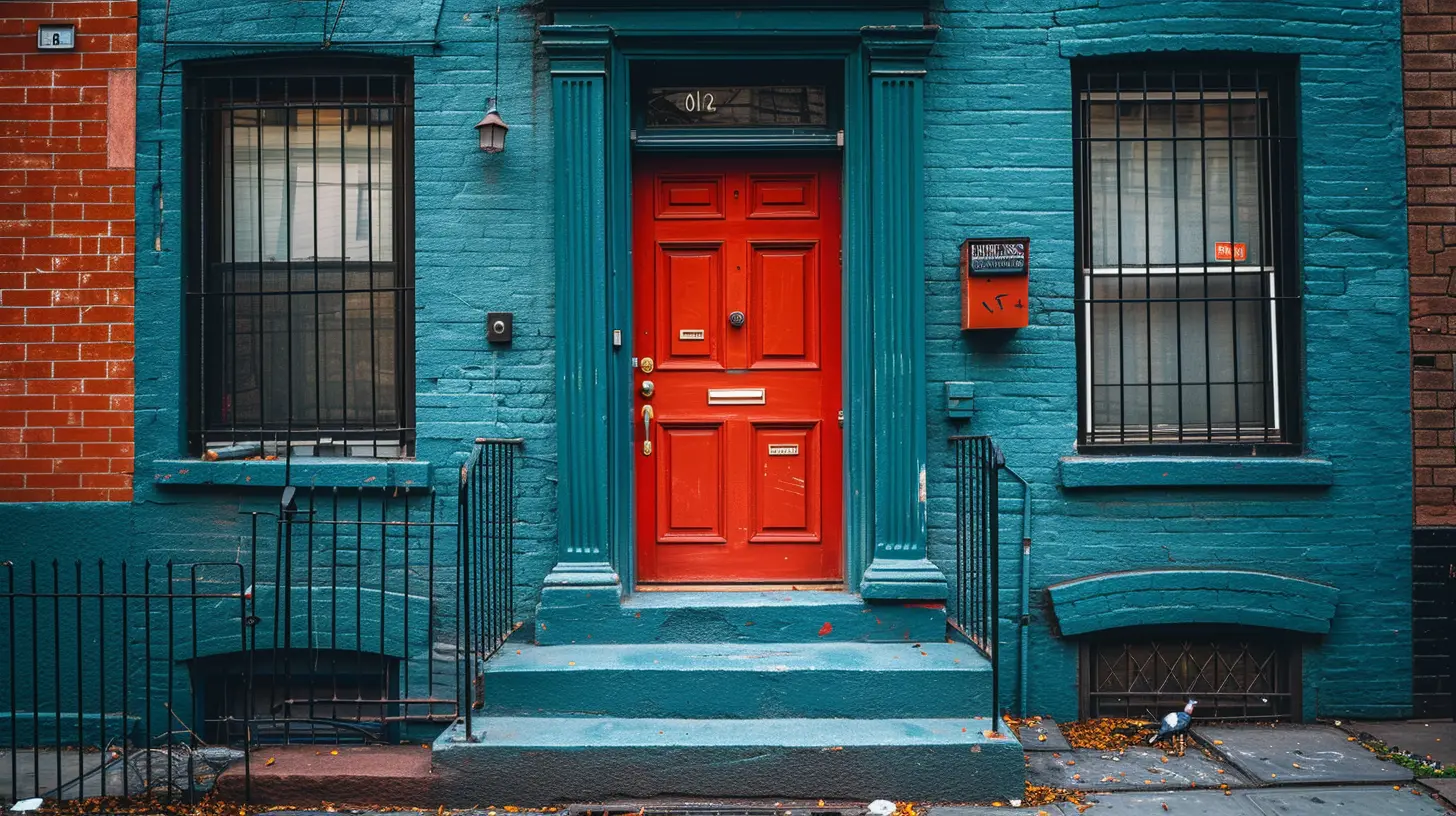
Common Rental Disputes and How to Handle Them
Now, let’s get into the nitty-gritty—what kinds of issues typically lead to disputes, and how can you effectively deal with them?1. Security Deposit Disputes
One of the most common rental disagreements arises over security deposits. Some landlords wrongfully withhold deposits for vague reasons, while others deduct expenses that tenants might not be responsible for.How to Protect Yourself:
- Document Everything – Take photos of the property when you move in and out to prove its condition.- Request a Walk-Through – Before moving out, ask for a final inspection so you can address any issues on the spot.
- Know the Law – Check how long your landlord has to return the deposit based on local housing laws.
- Send a Formal Request – If they refuse to return your deposit, send a written request before taking legal action.
If your landlord still refuses to return your deposit without valid reasoning, you might need to escalate the issue through small claims court.
2. Unjust Evictions
Landlords sometimes try to evict tenants for unjust reasons, whether it's personal disputes or an improper understanding of rental laws.How to Protect Yourself:
- Check Your Lease – Review your lease agreement to ensure you’re not violating any rules.- Demand a Written Notice – Landlords can’t just tell you to leave verbally; they need to provide a written notice with legal reasoning and a deadline.
- Know the Legal Grounds for Eviction – In most places, legitimate grounds include unpaid rent, property damage, or lease violations—not personal grievances.
- Seek Legal Help – If you receive an unjust eviction notice, consult a tenant rights attorney or reach out to a local housing authority.
Fighting an eviction can be stressful, but you do have rights. Stay informed and stand firm.
3. Landlord Neglecting Repairs
You’re paying rent for a livable home, not a rundown space with leaky faucets and broken heaters. If your landlord refuses to make necessary repairs, it’s time to take action.How to Protect Yourself:
- Send a Written Request – Always request repairs in writing, whether via email or certified mail.- Know Your Legal Options – In some places, if a landlord refuses to make essential repairs, tenants can repair the issue themselves and deduct the cost from rent (this is known as "repair and deduct").
- Document Everything – Keep records of your repair requests and the property’s condition in case legal action is necessary.
- Report the Issue – If your landlord continues to ignore serious repair requests, report them to the local housing authority or file a complaint.
A negligent landlord shouldn’t force you to live in substandard conditions. Stand your ground, and don’t hesitate to demand repairs.
4. Unauthorized Entry by the Landlord
Your landlord owns the property, but once you’re renting it, they can’t just walk in unannounced. Privacy violations are a serious concern that some tenants face.How to Protect Yourself:
- Know the Notice Laws – Most rental laws require landlords to give at least 24-48 hours’ notice before entering.- Set Boundaries – Politely remind your landlord of the notice period required by law.
- Keep a Log – If your landlord repeatedly enters without notice, document every instance (date, time, and reason).
- File a Legal Complaint – If they continue violating your privacy, you may be able to take legal action or withhold rent.
Your home should feel like your safe space—not a revolving door for your landlord.
5. Increased Rent Without Proper Notice
Rent increases should always be handled through proper legal channels—your landlord can’t just decide to raise it overnight.How to Protect Yourself:
- Check Your Lease – If you’re under a fixed-term lease, your landlord can’t raise the rent until the lease expires.- Know the Legal Requirements – In many places, landlords must provide at least 30-60 days' written notice for a rent increase.
- Negotiate – If the increase seems unfair, try negotiating a lower amount or ask for added benefits (such as included utilities).
- Look for Rent Control Laws – If you live in a rent-controlled area, there may be limits on how much your landlord can raise your rent.
No one likes an unexpected rent hike. Stay informed and push back if needed. 
When to Seek Legal Help
Sometimes, despite your best efforts, rental disputes escalate to a point where legal intervention is necessary. Here are signs it’s time to seek legal advice:- Your landlord is refusing to return your security deposit without justification.
- You’ve received an unjust eviction notice.
- They’re neglecting serious repairs that affect habitability.
- You’re experiencing harassment or illegal entry by your landlord.
- You’re facing unlawful rent increases or discrimination.
Consulting a tenant rights attorney or a local legal aid organization can provide guidance and help you take appropriate action. 
Final Thoughts
Rental disputes can be frustrating, but knowing your rights and taking the right steps can make all the difference. From documenting everything and communicating professionally to seeking legal help when necessary, you have the power to protect yourself against unfair treatment.Being a tenant doesn’t mean being powerless. Stay informed, stand your ground, and ensure that your landlord respects your rights.
all images in this post were generated using AI tools
Category:
Tenants RightsAuthor:

Basil Horne
Discussion
rate this article
1 comments
Nora Kirkpatrick
If only landlords came with a manual, like "How to Be a Decent Human Being." Until then, good luck!
August 4, 2026 at 3:36 AM
Basil Horne
Maybe we should start writing that manual. Until then, staying informed is your best defense.