How Minimalism is Shaping Modern Home Interiors
4 January 2026
Minimalism isn't just a design trend; it's a lifestyle. Over the last decade, this concept has taken the world by storm, influencing everything from the way we dress to the way we design our homes. But why is minimalism so popular, and how is it transforming modern home interiors?
If you've ever walked into a clutter-free, airy living space and felt an immediate sense of calm, you've already experienced the magic of minimalism. Let's dive deeper into this movement and understand how it's reshaping our homes.
The Rise of Minimalist Design
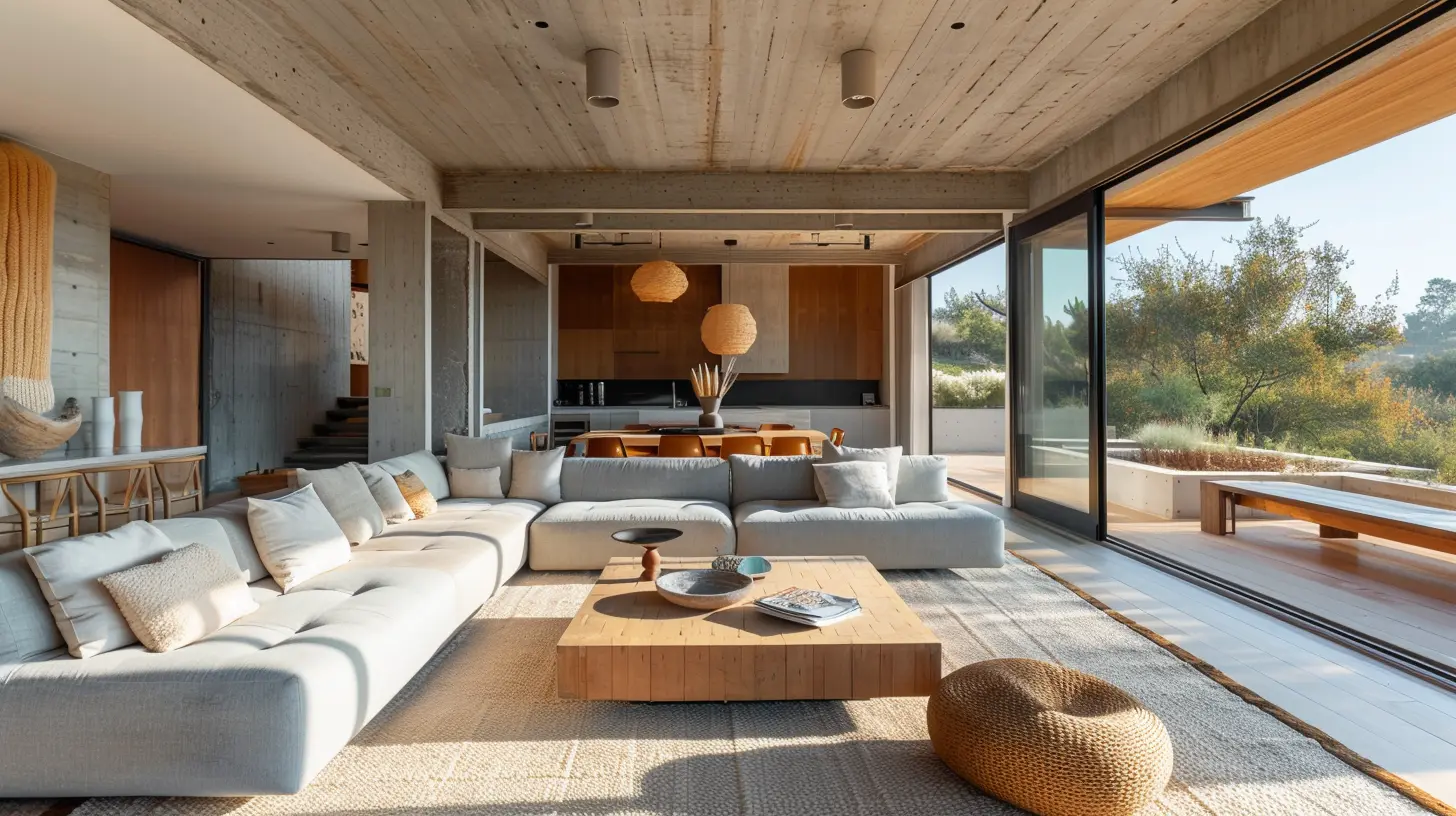
Minimalism isn't a new concept. It has its roots in Japanese Zen philosophy and was popularized in the West during the mid-20th century. However, in today's fast-paced world, where less often feels like more, it's making a powerful comeback.People are tired of excess. The endless pile of stuff, the overwhelming color palettes, and the overcomplicated furniture designs—we're craving simplicity more than ever. And minimalism delivers exactly that.
Why Homeowners Are Embracing Minimalism
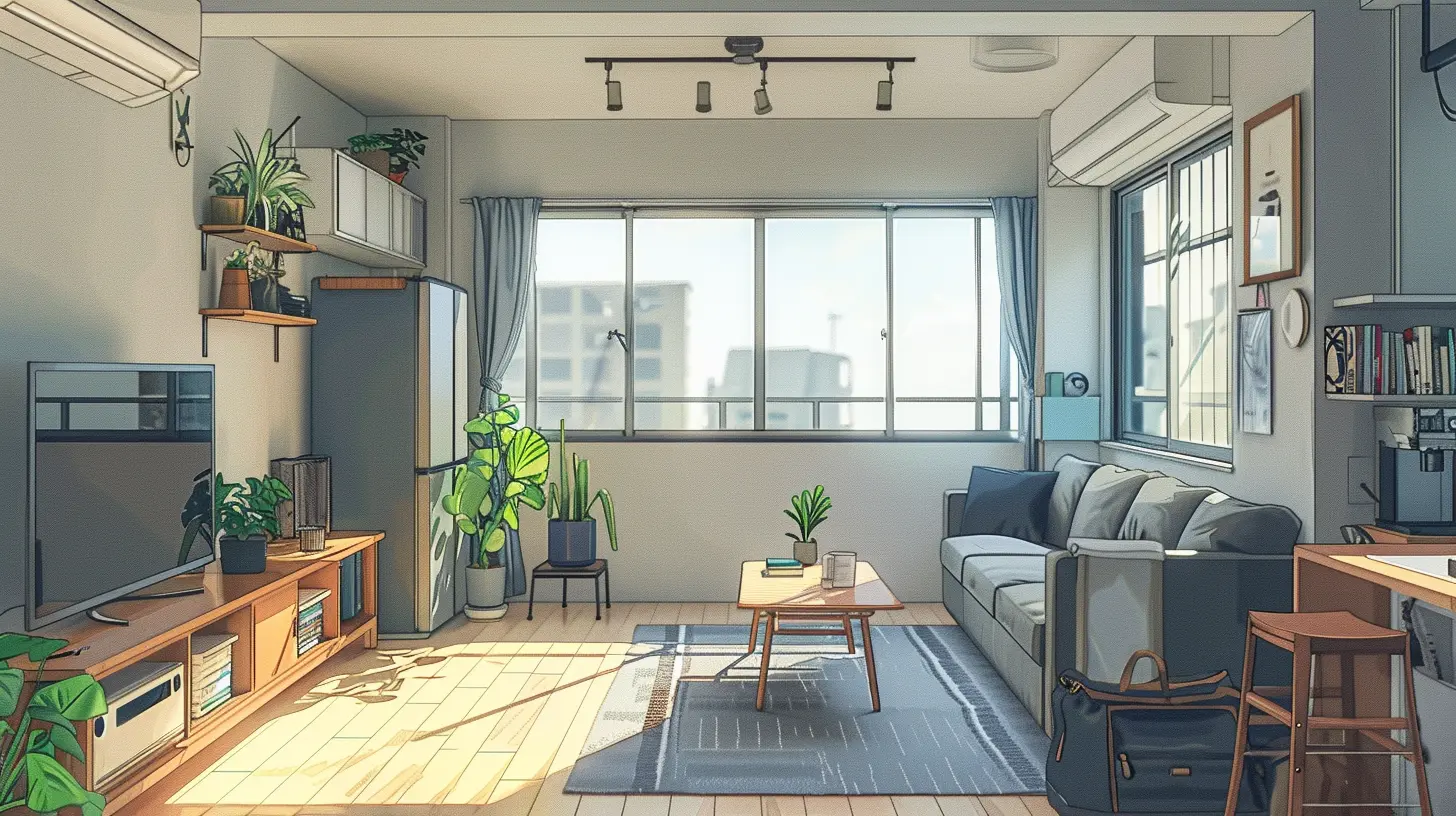
So, what's driving the minimalist interior design movement? Several factors contribute to its growing popularity:1. A Desire for Less Clutter
Clutter isn't just an eyesore; it can be mentally exhausting. A minimalist home prioritizes open spaces, reducing visual noise and allowing room for relaxation.2. Functionality Over Aesthetics
While aesthetics matter, minimalism focuses on functionality first. Every piece of furniture or decor serves a purpose, eliminating unnecessary items that don’t add value to everyday life.3. Easier Maintenance
The fewer things you have, the easier it is to keep your home clean and organized. No more dusting around a hundred decorative pieces or scrambling to tidy up before guests arrive.4. A More Sustainable Lifestyle
Minimalism naturally encourages sustainability. Instead of buying cheap, mass-produced furniture and decor, homeowners are opting for quality over quantity, reducing waste and embracing eco-friendly choices.5. A Stress-Free Environment
A clutter-free space means a clutter-free mind. Studies suggest that messy environments contribute to anxiety and stress. A minimalist home fosters calmness, making it easier to relax after a long day.
Key Elements of Minimalist Home Interiors
Minimalism is all about balance. It's not about getting rid of everything—it's about carefully curating what stays. Here are some defining features of minimalist home interiors:1. Neutral Color Palettes
Minimalist homes often feature soft, neutral tones like white, beige, and gray. These colors create a serene atmosphere and make spaces feel larger and brighter.2. Simple, Clean Lines
Forget elaborate carvings and intricate designs—minimalism thrives on simplicity. Furniture and decor pieces with clean, straight lines enhance a sense of order.3. Open Spaces
One of the most noticeable aspects of minimalist interiors is the emphasis on openness. Rooms are not overcrowded with furniture, allowing for free movement and an airy feel.4. Quality Over Quantity
Minimalists invest in fewer but higher-quality items. A well-crafted wooden dining table or a timeless leather sofa may cost more upfront, but they last longer and add to the overall aesthetic.5. Natural Light and Airiness
Maximizing natural light is a key component of minimalist design. Large windows, sheer curtains, and strategic placement of mirrors help brighten up spaces.6. Multi-Functional Furniture
In minimalist homes, space is used efficiently. Think foldable tables, storage ottomans, and modular sofas—items that serve multiple purposes without cluttering the room.7. Minimal Decor
Instead of filling a space with trinkets, minimalists choose a few statement pieces. A single large artwork or a well-placed indoor plant can make a stronger impact than dozens of small decor items.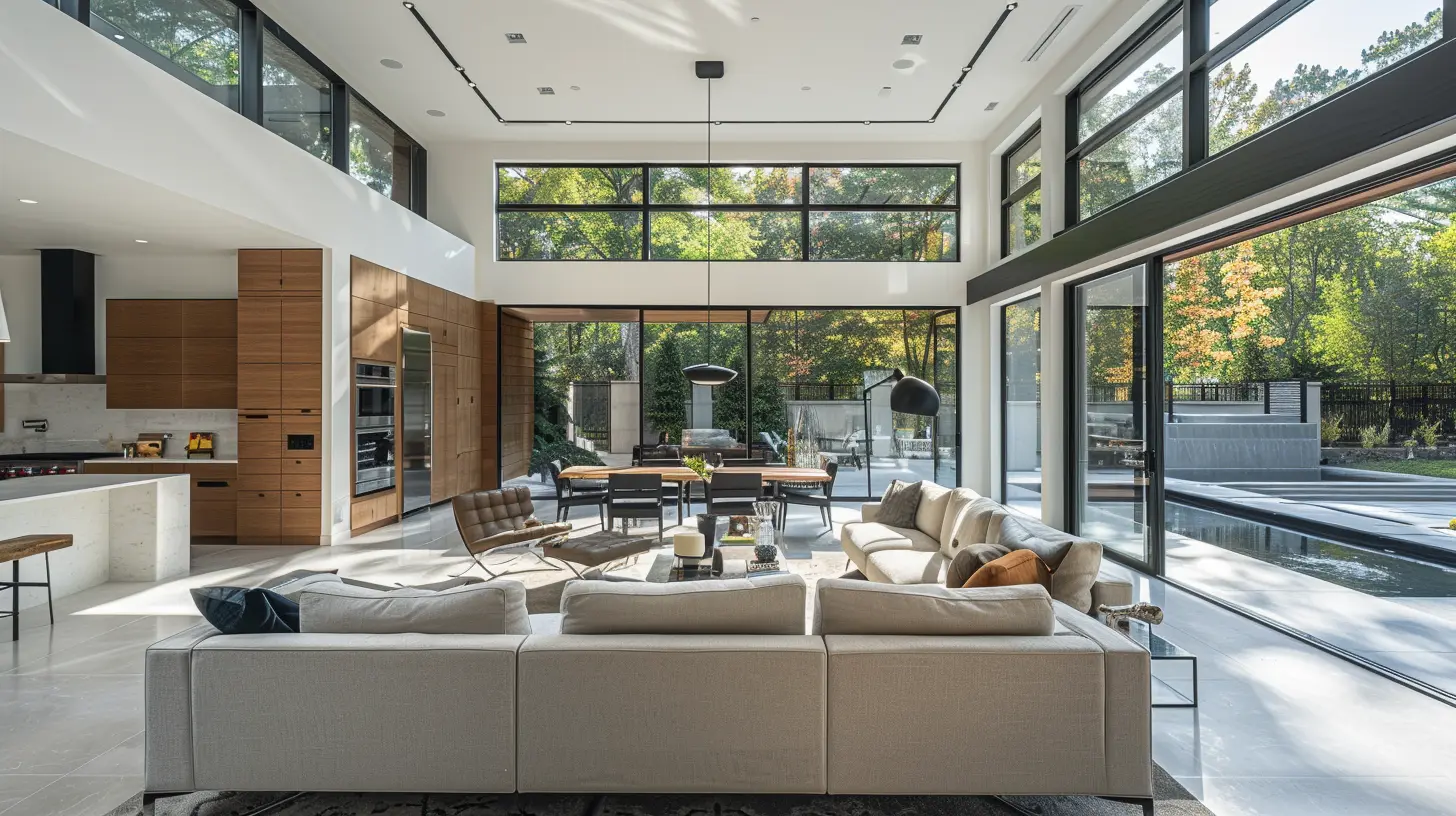
How to Incorporate Minimalism Into Your Home
Minimalism isn’t about stripping everything down to the bare bones; it’s about intentional living. Here’s how you can bring minimalist design into your home without it feeling cold or sterile:1. Declutter First
Before you start redecorating, assess your belongings. Ask yourself: Do I really need this? If it doesn’t serve a purpose or bring you joy, it might be time to let it go.2. Stick to a Neutral Base
A neutral color palette doesn't mean boring. You can add warmth and texture through textiles like throw blankets, rugs, and cushions.3. Invest in Timeless Furniture
Instead of chasing trends, opt for pieces that will stand the test of time. Classic wooden tables, sleek sofas, and minimalist shelving units can work in almost any setting.4. Let in More Natural Light
Swap heavy drapes for lighter window treatments, rearrange furniture to optimize light, and consider using mirrors to reflect sunlight throughout your home.5. Keep Decor Simple but Meaningful
Rather than cluttering your walls with countless frames, choose one or two meaningful artworks or photographs. The same rule applies to decorative items—less but better.6. Maximize Storage Solutions
Smart storage is key to maintaining a minimalist home. Hidden storage, under-bed drawers, and floating shelves help keep necessities out of sight while maintaining a clean look.7. Embrace Empty Spaces
Not every corner needs to be filled! Empty spaces can be just as important as decorated ones, creating a sense of balance and openness.Minimalism in Different Rooms
Now that we’ve covered the basics, let’s explore how minimalism translates into different parts of the home.Minimalist Living Room
- A few well-chosen furniture pieces- A neutral color scheme with soft textures
- Thoughtfully placed lighting and greenery
Minimalist Bedroom
- A simple yet comfortable bed with quality linens- Clutter-free nightstands
- Soft, earthy tones for a calming atmosphere
Minimalist Kitchen
- Sleek cabinetry with hidden handles- Essential cookware and utensils only
- Open shelving with neatly arranged dishware
Minimalist Bathroom
- Simple white or neutral-colored tiling- Hidden storage for toiletries
- Elegant but few decorative items
The Future of Minimalist Homes
Minimalism isn’t just a passing fad. As society becomes more conscious of sustainability and mindful living, minimalist design continues to evolve. Future homes will likely incorporate even more eco-friendly materials, smart storage solutions, and multi-functional furniture to accommodate smaller living spaces.Moreover, as digital minimalism gains traction, we may see more homes designed to reduce digital distractions, fostering a more mindful and present way of living.
Final Thoughts
Minimalism is more than just an aesthetic—it's a mindset. By stripping away excess and focusing on what truly matters, homeowners can create beautiful, functional, and stress-free spaces that enhance their daily lives.Whether you’re a die-hard minimalist or just looking to declutter and simplify, integrating minimalism into your home can bring a sense of peace and clarity that’s hard to achieve with cluttered, overcomplicated interiors.
So, are you ready to embrace minimalism and give your home the refresh it deserves?
all images in this post were generated using AI tools
Category:
Home Design TrendsAuthor:

Basil Horne
Discussion
rate this article
2 comments
Eva Mitchell
Minimalism transforms modern home interiors by prioritizing functionality and tranquility. Emphasizing clean lines and uncluttered spaces fosters mindfulness, enhancing daily living experiences while promoting sustainability through thoughtful design choices. Less truly becomes more.
January 21, 2026 at 3:57 AM
Basil Horne
Thank you for your insightful comment! I completely agree—minimalism not only enhances aesthetics but also enriches our daily lives through mindful living and sustainable design choices.
Ellie Collins
Excited to see how minimalism transforms our living spaces creatively!
January 6, 2026 at 12:42 PM
Basil Horne
Thank you! Minimalism truly inspires innovative and functional designs that enhance our spaces beautifully.