Why Urban Redevelopment Projects May Hit More Roadblocks
15 October 2026
Urban redevelopment looks elegant on a rendering. A tired block of low-rise commercial buildings becomes a mixed-use district with ground-floor retail, attainable housing above, and a pocket park where a surface parking lot used to sit. Politicians praise it. Planners approve it. The project wins an award before the first excavator arrives.
Then reality shows up.
The site turns out to be a patchwork of 14 parcels with 22 owners, three of whom cannot be located. A dry cleaner on the corner left behind chlorinated solvents that migrated under the neighboring lot. The utility company needs six months just to tell you where its lines actually run, and the answer contradicts the as-built drawings. A neighborhood group sues over the environmental review. The construction loan expires before the foundation is poured.
None of this means urban redevelopment is a bad idea. It means the asset class carries a specific, structural set of risks that greenfield suburban development simply does not. Understanding those risks before you commit capital is the difference between a generational project and a decade-long lawsuit. This article breaks down why urban redevelopment projects hit more roadblocks, and what experienced developers do about it.
What Makes Urban Redevelopment Structurally Harder
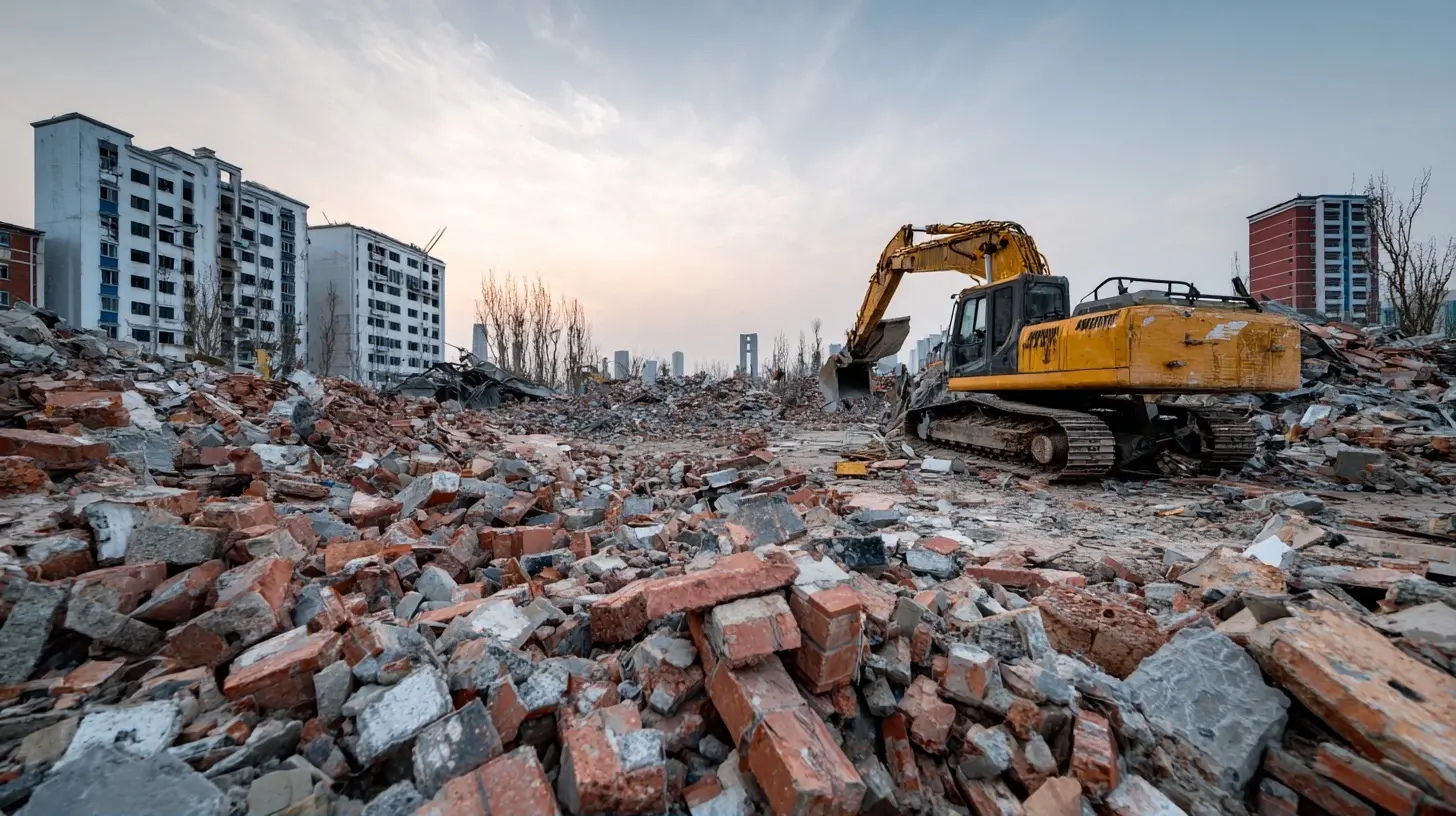
Redevelopment is the act of building on land that has already been used, usually in a place where people already live, work, and own things. That single fact creates most of the difficulty.A greenfield site in a growing suburb is typically one ownership entity, cleared, graded, and served by infrastructure sized for future demand. An urban infill site is the opposite: fragmented ownership, existing tenants with leases, aging infrastructure, and neighbors with legal standing to challenge you.
Think of it like renovating a historic house versus building a new one in a field. The new build has fewer unknowns, but no character and no location advantage. The renovation has the location, the utilities, and the entitlements already in place, but every wall you open reveals something that costs money. Urban redevelopment is the renovation of a city block, and the walls are legal, environmental, financial, and political all at once.
The core insight is this: urban redevelopment concentrates risk. It compresses ownership, environmental, entitlement, and financing complexity onto a small footprint. That concentration is why the roadblocks feel disproportionate.
Land Assembly and Fragmented Ownership
The first roadblock is almost always ownership.The Holdout Problem
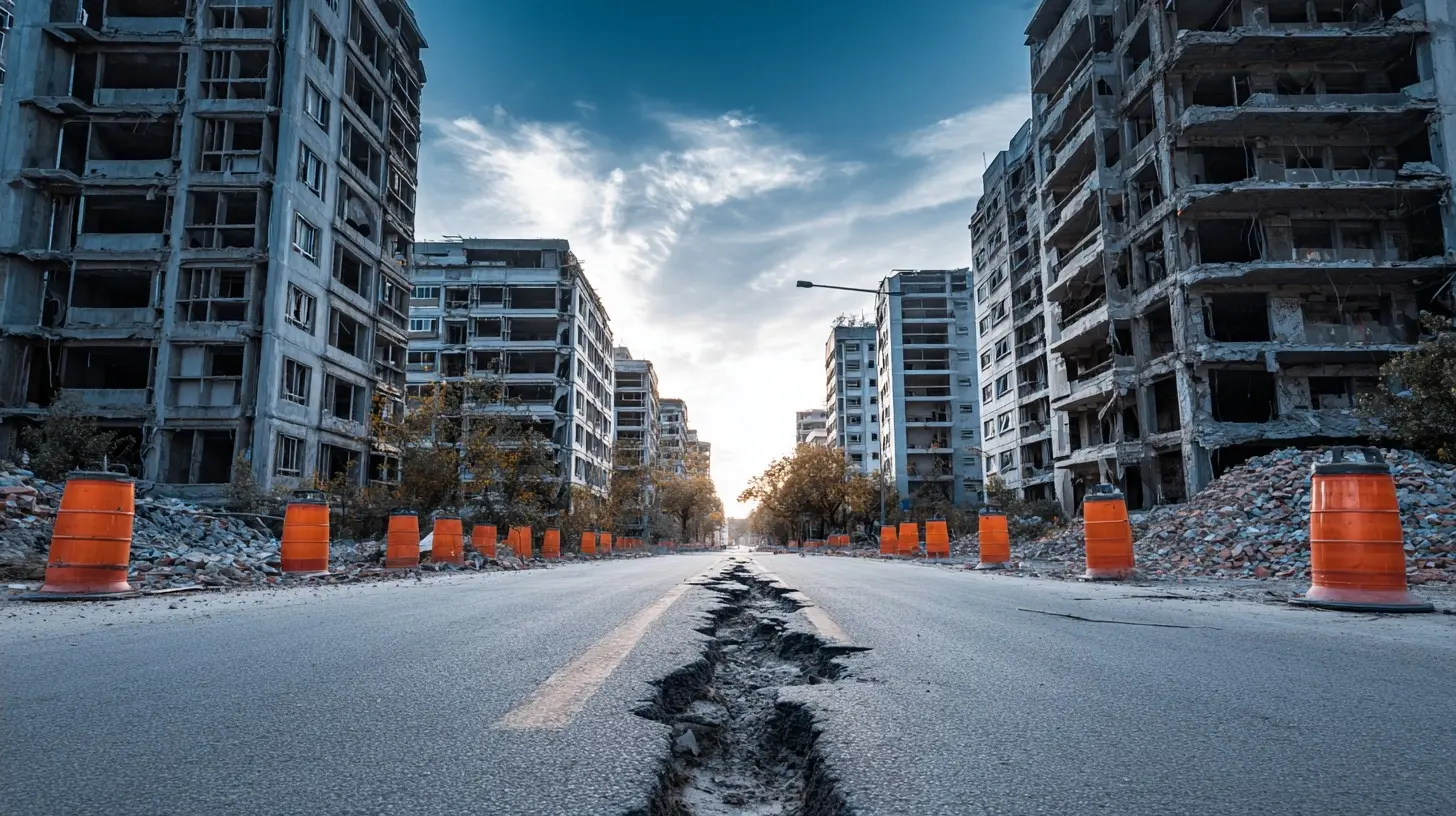
When a project needs 10 contiguous parcels and nine owners agree to sell, the tenth owner holds enormous leverage. That owner knows the project cannot proceed without them. They may demand two or three times the appraised value, or they may simply refuse. This is not irrational. It is a rational response to a rational incentive.This is why developers often pay a premium for the final parcel, and why the "last lot" in an assembly can cost more per square foot than the finished product will sell for. It is also why some assemblies fail entirely after years of work.
Practical Approaches and Their Trade-offs
There are a few ways to manage this, and each has real costs.Buy options early. Securing purchase options on multiple parcels before anyone knows the full plan can reduce holdout leverage. The trade-off is that options expire, cost money, and create disclosure obligations in some jurisdictions. You also may not know your final program before you need to lock terms.
Partner with a land aggregator. Some firms specialize in quietly assembling parcels. You pay a premium for their work, but you avoid the reputational and legal exposure of being the visible buyer.
Use public tools where available. Some jurisdictions allow land banks, redevelopment authorities, or eminent domain for blight remediation. These tools are powerful but politically sensitive and slow. They should be treated as a last resort, not a strategy.
Design around the holdout. Sometimes the smartest move is to phase the project and leave the holdout parcel for a later phase. This preserves momentum and keeps the holdout from controlling your entire timeline.
A common mistake is underestimating how long assembly takes. Developers routinely budget 12 months and spend 36. The carrying cost of that delay, including option payments, legal fees, and lost opportunity, can quietly kill the project's returns.
Environmental Contamination and Hidden Liabilities
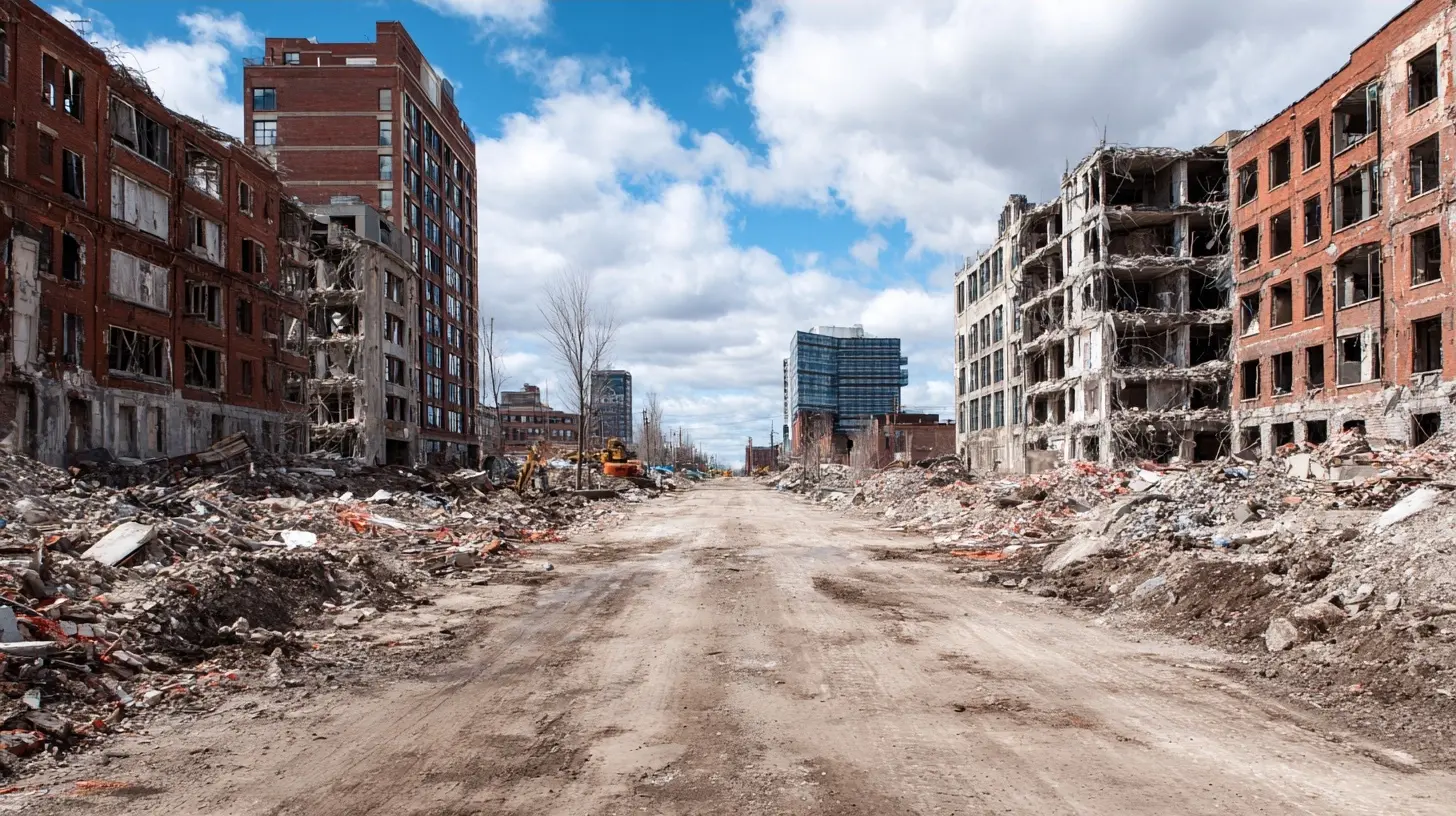
Older urban sites have a history. That history often includes contamination.Why Contamination Is So Common in Infill Locations
Gas stations, dry cleaners, auto repair shops, print shops, metal finishers, and even older residential buildings with heating oil tanks can leave soil and groundwater contamination. Many of these uses were legal and unremarkable at the time. The contamination may be decades old, and the responsible party may be gone.What This Means for Your Project
Contamination affects three things simultaneously: cost, time, and liability.Cost: Remediation can range from minor soil removal to multi-year groundwater treatment. The range is enormous, and you often cannot know which end you are on until you investigate.
Time: Regulatory review, remediation design, and cleanup verification can add years. In some jurisdictions, the process is predictable. In others, it is not.
Liability: Even if you did not cause the contamination, you may inherit responsibility as the current owner. Federal and state laws in the United States generally impose liability on current owners and operators, among others. This is not a reason to avoid redevelopment, but it is a reason to do serious due diligence.
Best Practices for Managing Environmental Risk
Start with a Phase I environmental site assessment, which is a records review and site inspection. If it identifies recognized environmental conditions, proceed to a Phase II, which involves sampling.Then consider the following:
- Negotiate a bona fide prospective purchaser defense or similar liability protection where available.
- Use a brownfield program if your jurisdiction offers one. These programs often provide liability protections, grants, or tax credits.
- Buy environmental insurance. Pollution legal liability policies can transfer some risk, though they have exclusions and require underwriting.
- Structure the deal so the seller retains some remediation obligation through an indemnity or escrow.
The most expensive mistake is skipping investigation to save time. A $30,000 Phase II can prevent a $3 million surprise.
Entitlements, Zoning, and Community Resistance
Even with clean land and clear title, you still need approvals. This is where urban projects often face their most visible roadblocks.Zoning Is Rarely a Perfect Fit
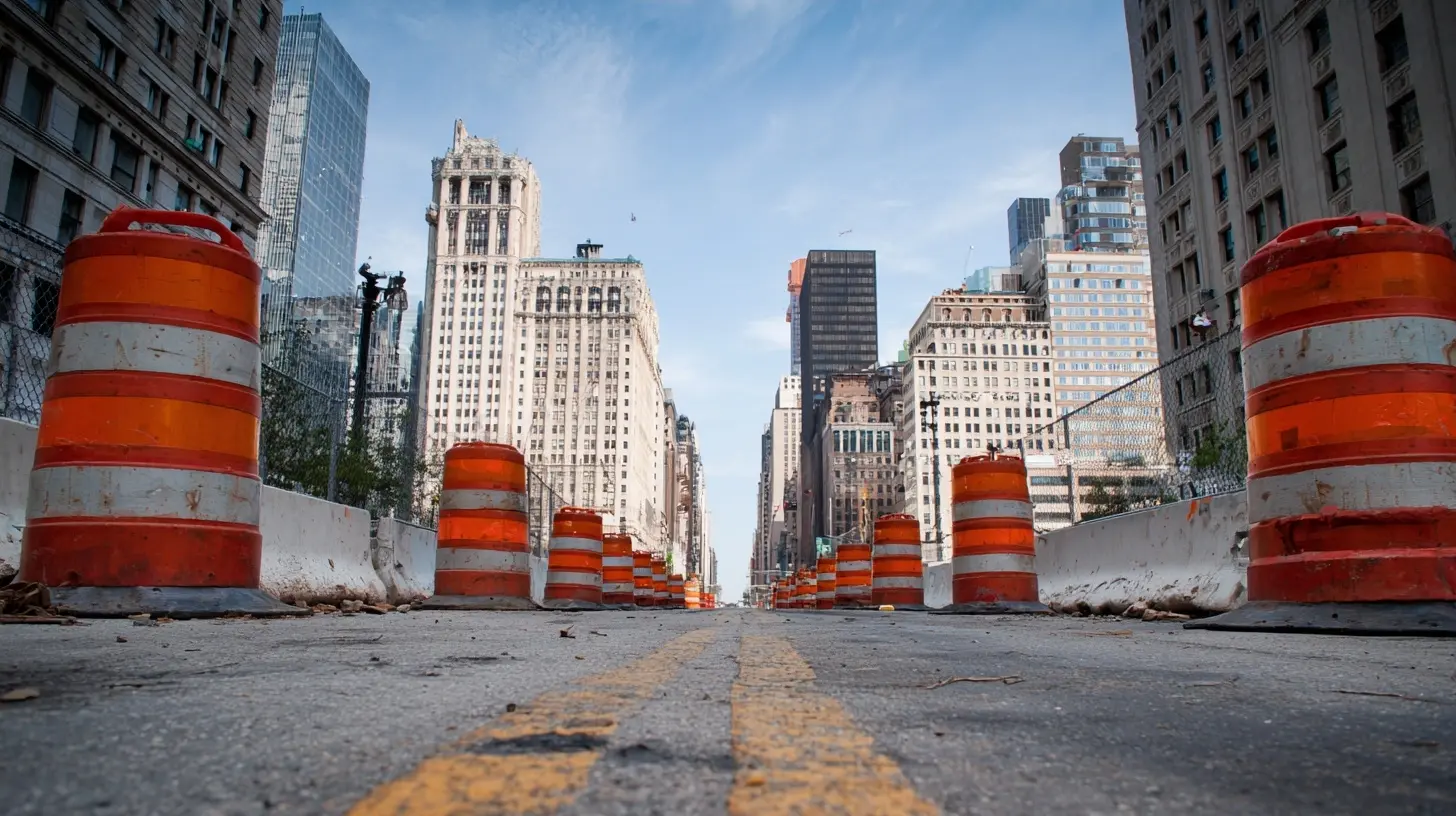
Urban sites are often zoned for their historical use, not for the density a modern project needs. You may need a rezoning, a conditional use permit, a variance, or a planned unit development approval. Each of these is a discretionary process, meaning the outcome is not guaranteed.Discretionary approvals are political. They invite public comment, council votes, and sometimes litigation. This is fundamentally different from a by-right approval, where meeting the code guarantees the permit.
Why Neighborhoods Push Back
Opposition is not always NIMBYism in the pejorative sense. Residents may have legitimate concerns about traffic, parking, shadows, construction noise, displacement, and the character of their neighborhood. They may also have been burned by a previous project that made promises it did not keep.Understanding the difference between legitimate concern and reflexive opposition matters. The first can be addressed through design and negotiation. The second often cannot, and you should factor that into your underwriting.
Strategies That Actually Work
Engage before you file. Meeting neighbors, community groups, and local officials before submitting an application gives you a chance to shape the proposal and build relationships. It also surfaces problems early, when changes are cheap.Bring something concrete. Vague promises about "community benefits" are less persuasive than specific commitments: a certain number of affordable units, a dedicated park space, a local hiring program, or funding for a neighborhood improvement.
Expect conditions. Approvals often come with conditions that add cost or reduce yield. Build a contingency into your pro forma for this.
Consider a community benefits agreement. These agreements can secure support but also lock you into obligations. They are useful when opposition is organized and credible, but they are not free.
The Litigation Risk
In many jurisdictions, land use decisions can be challenged under environmental review statutes. These challenges can delay projects by years, even if the developer ultimately prevails. The cost of delay, not just legal fees, is often the real damage.This is why some developers choose sites with by-right entitlements even if the economics are slightly worse. Certainty has value.
Infrastructure, Utilities, and Physical Constraints
Urban sites come with infrastructure that was built for a different era.The Utility Coordination Problem
Water, sewer, gas, electric, telecom, and sometimes steam lines run under and around your site. Their locations may be poorly documented. Relocating them is expensive and requires coordination with multiple utilities, each with its own schedule and priorities.A common experience: you design around a utility based on records, then discover during excavation that the actual line is three feet off. Now your foundation, your garage ramp, or your utility vault has to move. The redesign cascades.
Capacity Is Not Guaranteed
Even if lines exist, they may not have capacity for your project. A sewer line that served a low-rise commercial building may be undersized for a residential tower. Upgrading it may require work in the public right-of-way, which means permits, traffic control, and coordination with the city.What to Do About It
- Commission utility locate surveys early, and treat them as design inputs, not afterthoughts.- Ask each utility for a will-serve letter or capacity confirmation before you close on the land.
- Budget a contingency for utility relocation. Ten to fifteen percent of site work is not unusual on complex infill sites.
- Consider phasing to match infrastructure capacity.
Physical constraints also include things like floodplains, steep slopes, and archaeological sensitivity. Each can trigger additional review and cost.
Financing Complexity and Capital Stack Risk
Urban redevelopment is capital intensive and slow. That combination creates financing risk.Why Lenders Are Cautious
Construction lenders dislike uncertainty. Urban redevelopment has more of it: entitlement risk, environmental risk, cost overrun risk, and longer timelines. Lenders respond by requiring more equity, higher interest rates, or additional guarantees.The Capital Stack Gets Complicated
A typical urban redevelopment project may layer:- Senior construction debt
- Mezzanine debt
- Preferred equity
- Common equity
- Public subsidies or tax increment financing
- Opportunity zone or other tax-advantaged equity
Each layer has its own underwriting, closing conditions, and reporting requirements. More layers mean more complexity and more ways for the deal to stall.
Public Subsidy: Helpful but Conditional
Tax increment financing, density bonuses, low-income housing tax credits, and historic tax credits can make a marginal project feasible. But they come with conditions, compliance requirements, and timing risk. Subsidy programs can be oversubscribed, and awards may not align with your construction schedule.A best practice is to treat subsidies as upside, not as the foundation of your pro forma. If the deal only works with a subsidy you have not yet been awarded, you do not have a deal. You have an application.
Interest Rate and Carry Risk
Because urban projects take longer, they carry more interest. A 30-month timeline versus an 18-month timeline can add millions in carry cost on a large project. Floating rate debt amplifies this risk. Developers who locked in fixed-rate financing or used interest rate caps during volatile periods protected their returns. Those who did not sometimes saw their equity wiped out by carry alone.Construction Cost and Schedule Realities
Urban construction is more expensive per square foot than suburban construction, for several reasons.- Limited staging space means materials must be delivered just in time, which increases coordination risk.
- Excavation and shoring near existing buildings require specialized techniques.
- Noise, dust, and traffic restrictions limit working hours.
- Discovering unexpected conditions, like old foundations or buried tanks, is common.
Cost escalation is a real risk. Material prices and labor costs can move significantly between design and construction. On a project with a two-year predevelopment period, the cost basis you underwrote may be stale by the time you sign a construction contract.
Mitigation strategies include early contractor involvement, guaranteed maximum price contracts where feasible, and honest contingency budgeting. A 10 percent construction contingency is a starting point, not a generous allowance, on complex urban sites.
Common Mistakes and Misconceptions
Mistake 1: Underestimating the timeline. Predevelopment on urban redevelopment can take two to four years. If your model assumes 12 months, your returns are wrong.Mistake 2: Treating entitlements as a formality. Discretionary approvals are political and uncertain. Plan for the possibility of denial or litigation.
Mistake 3: Skipping environmental investigation. The cost of a Phase II is trivial compared to the cost of discovering contamination during construction.
Mistake 4: Ignoring the community until the hearing. By then, positions are hardened and trust is low.
Mistake 5: Over-levering. More debt means less ability to absorb delays. Urban projects need more equity cushion, not less.
Mistake 6: Assuming subsidies will save a bad deal. Subsidies improve good deals. They rarely rescue bad ones.
Misconception: "The city wants this, so it will be easy." Political support helps, but it does not eliminate environmental review, utility coordination, or neighbor lawsuits.
Misconception: "If the numbers work, the rest will follow." In urban redevelopment, the numbers depend on the rest. Entitlement, environmental, and construction risk drive the numbers, not the other way around.
Best Practices for Navigating Roadblocks
1. Underwrite risk explicitly. Build line items for environmental remediation, utility relocation, entitlement delay, and litigation contingency. If your pro forma has no line for these, it is incomplete.2. Do phased due diligence. Do not spend $500,000 on design before you know the land is clean and the entitlements are achievable. Sequence your spending to retire risk.
3. Engage stakeholders early and honestly. Overpromising to win support creates problems later. Underpromising and overdelivering builds trust.
4. Build a strong team. Urban redevelopment requires land use counsel, environmental consultants, a community engagement specialist, and a contractor experienced with infill. Generalists struggle here.
5. Keep a reserve. Cash reserves for delays and surprises are not optional. They are the difference between surviving a roadblock and losing the project.
6. Know when to walk away. Some sites are not worth the risk. A disciplined exit early is cheaper than a forced exit later.
A Balanced View: When Urban Redevelopment Is Worth It
None of this means urban redevelopment is a bad bet. It means it is a different bet.The advantages are real: location, existing infrastructure, proximity to transit and jobs, and often strong demand. In many markets, infill sites are the only places where new supply can be added at all. The barriers to entry that create the roadblocks also protect the returns for those who get through.
The key is to match the project to your capabilities. If your team has not done a complex assembly or a brownfield cleanup, partner with someone who has. If your capital has a short horizon, urban redevelopment may not fit. If your capital is patient and your team is experienced, the roadblocks are surmountable.
The developers who succeed in this space are not the ones who avoid problems. They are the ones who anticipate them, price them, and plan for them. They treat roadblocks as a cost of doing business in the places where the business is worth doing.
That is the real lesson. Urban redevelopment hits more roadblocks because it operates where value is highest and complexity is greatest. The roadblocks are not a sign you picked the wrong site. They are a sign you picked a real one.
all images in this post were generated using AI tools
Category:
Real Estate ChallengesAuthor:

Basil Horne