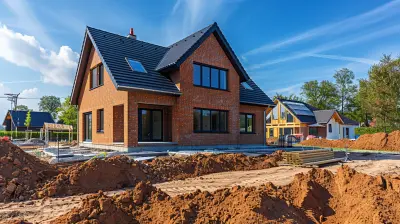
How to Flip Properties in Low-Income Neighborhoods and Still Profit
6 April 2026
Flipping houses sounds sexy when it's featured on TV—buy a beat-up place, slap some paint on the walls, and sell it for a big payday. But what about when the spotlight moves away from upscale suburbs and lands in struggling, low-income neighborhoods? Can you still make a profit without cutting corners or losing your shirt?
Short answer? Absolutely. But it’s not as easy as the DIY shows make it look. Flipping in low-income areas is a whole different ball game, full of potential but also packed with unique challenges. If you’re willing to do your homework, treat people right, and think long-term, you can turn a tidy profit and make a positive impact on the community.
Let’s break it down, step by step.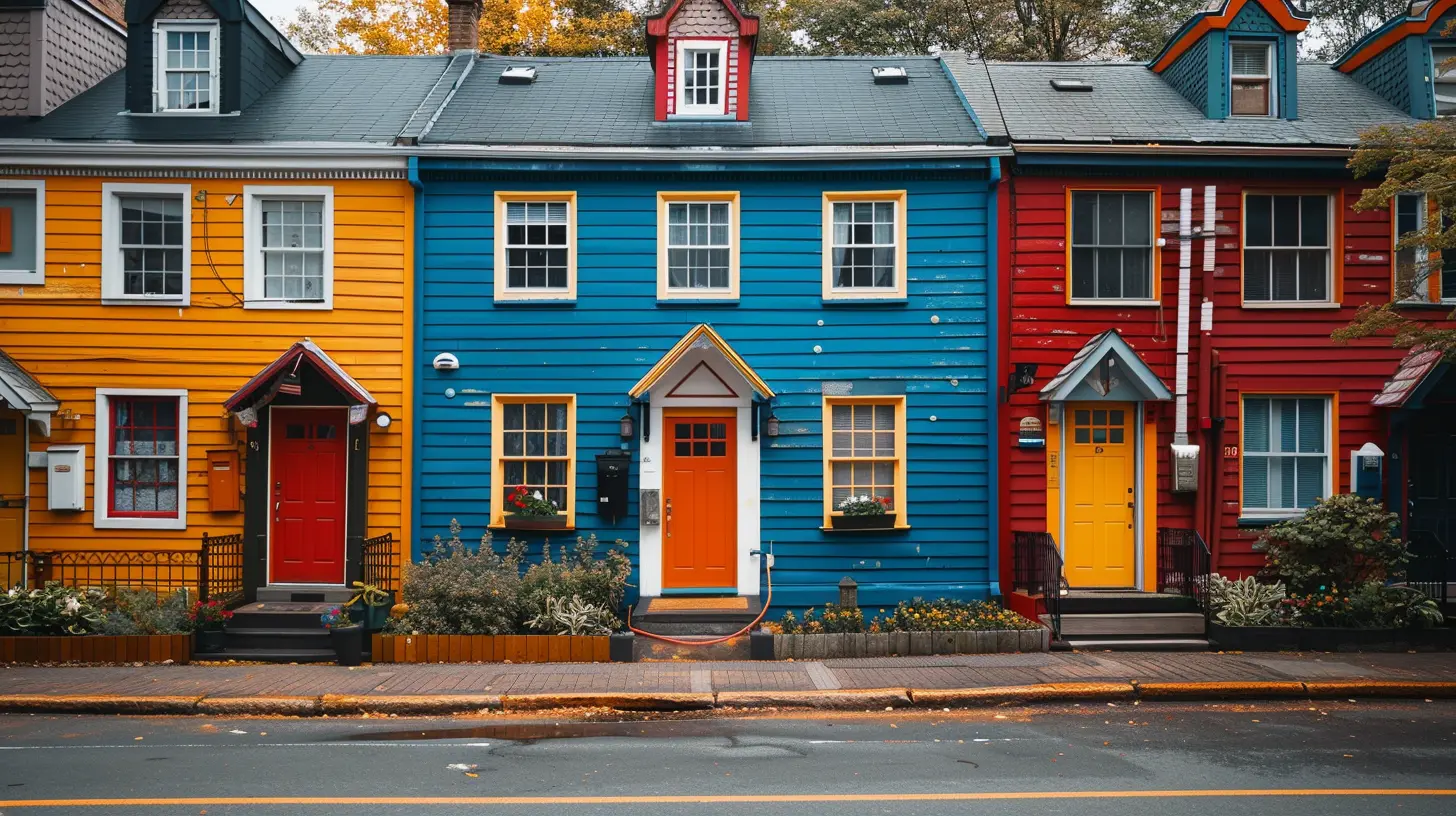
Why Choose Low-Income Neighborhoods for House Flipping?
Let’s be honest—with high demand and skyrocketing prices, flipping in trendy hotspots has become a rich player’s game. Entry costs are brutal, competition is fierce, and margins are razor-thin. But in lower-income areas? The game changes entirely.Lower Barrier to Entry
One of the biggest draws is the price tag. Properties in low-income neighborhoods are far more affordable, meaning you need less capital upfront. That opens the door for first-time flippers or small-scale investors who want to hustle without going broke.Less Competition
Most big-time investors overlook these areas. They’re chasing after quick wins and prestige properties. That leaves more room for scrappy, savvy investors to find hidden gems and work smarter, not harder.Higher ROI Potential
Yeah, the resale prices are lower—but so are the acquisition and renovation costs. That means your profit margin can actually be just as good, if not better. Plus, with gentrification and urban renewal projects slowly transforming some of these neighborhoods, you might get an extra bump in value over time.
Know the Neighborhood Inside and Out
Before sinking your money into a property, you’ve got to become a local (at least in spirit). Don’t just look at street names on a map—walk around, chat with residents, and feel the vibe. Ask yourself:- Is this area up-and-coming, or has it been neglected for decades?
- Are there community plans for development or revitalization?
- What are crime rates like? (And more importantly, why?)
- Do people take care of their properties or let them fall apart?
Build Relationships Locally
Knowing the neighborhood isn’t just about gathering data—it’s about building trust. Get to know local contractors, realtors, and even city officials. These connections give you insight, opportunities, and often protection from getting caught off guard.
Focus on the Numbers, Not Just the Potential
Yep, gut instinct matters. But you can’t flip properties on vibes alone.Run the Math. Twice.
Here’s what you need to factor in:- ARV (After Repair Value): What can the house realistically sell for after renovations?
- Repair Costs: Be brutally honest. Old plumbing, bad wiring, mold, pests—it adds up faster than you’d think.
- Holding Costs: Taxes, insurance, utilities, and loan interest don’t stop while you renovate.
- Selling Costs: Realtor commissions, closing costs, potential price reductions down the line.
Now subtract all those from your potential sale price. Still profitable? Cool. Now chop that profit in half. Still worth it? Now you’re thinking like a pro.
Don’t Over-Improve
One of the most common rookie mistakes? Over-renovating. Remember, you’re not remodeling a Beverly Hills mansion. Adding quartz countertops and spa tubs in a neighborhood where homes sell for $100k is like putting a tuxedo on a goat. It’s just not necessary.Stick to clean, functional, and modern finishes that match the area. Make the home safe, attractive, and up to code—but leave the luxury touches to the luxury zip codes.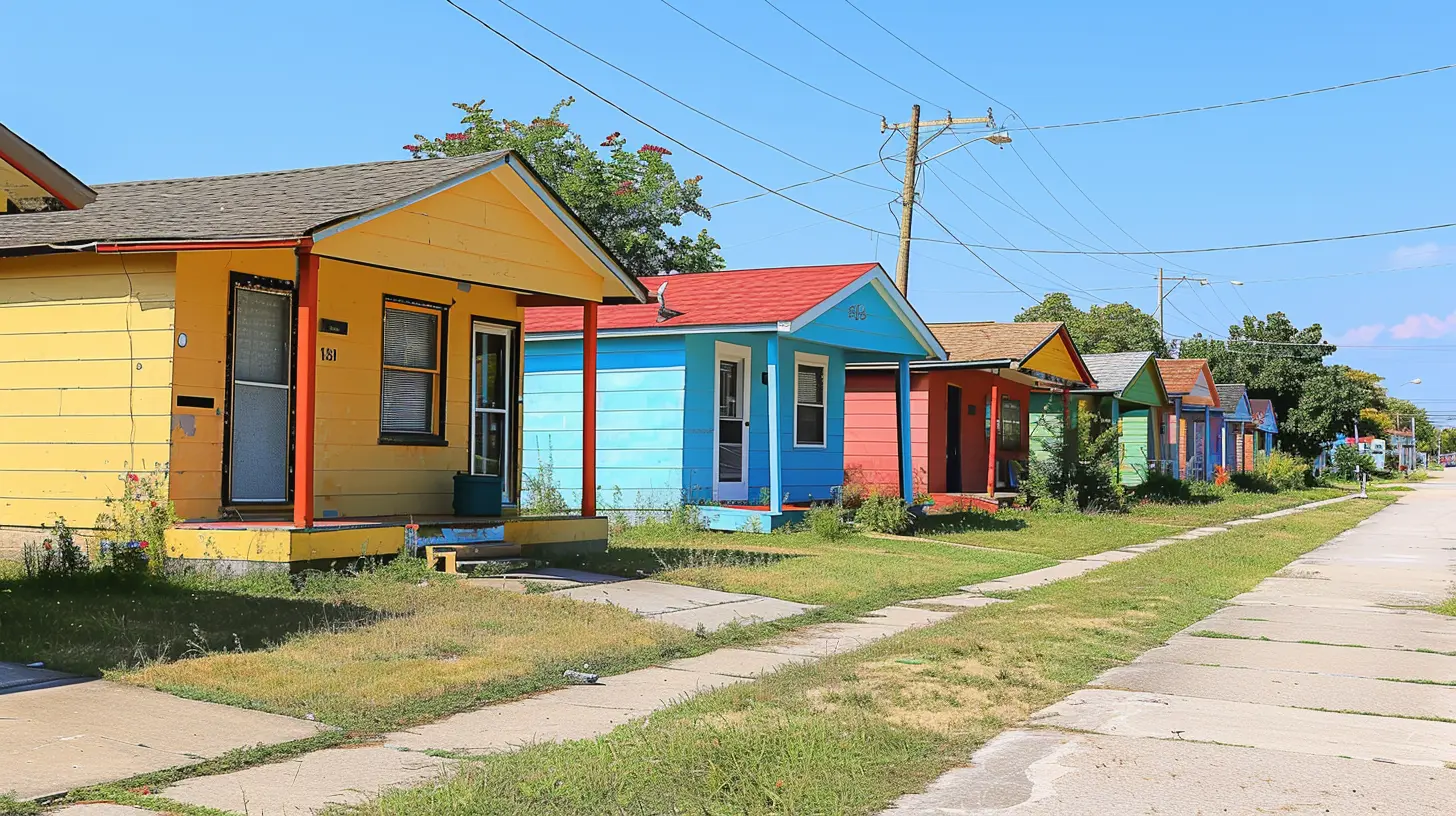
Finance Smart, Not Fast
Flipping in low-income neighborhoods can be capital-intensive, even if property prices are lower. So how are you paying for all this?Traditional Loans vs. Hard Money
- Bank Loans: Might offer lower interest rates, but good luck getting approved for a flip in a “less desirable” area.- Hard Money Lenders: Faster and more flexible, but they come with higher interest and short payback windows. Use with caution.
Creative Financing Moves
- Private Investors: Friends, family, or local business folks might be interested in funding your flip for a cut.- Partnerships: Find a partner who brings money while you bring hustle and expertise.
- Seller Financing: Occasionally, motivated sellers will let you “rent-to-own” or make payments. It’s rare, but worth exploring.
Assemble Your Dream Team
You can’t do it all yourself—unless you’re a contractor, electrician, plumber, and real estate agent rolled into one. And even then, you’ll burn out.Contractors Who Know the Area
Hire tradespeople who’ve worked in the neighborhood before. They’ll know the local code requirements, where to get affordable materials, and how to avoid unnecessary headaches.Real Estate Agent With Local Experience
You want someone who knows how to price, stage, and sell within the market. A good agent will know how to market the property’s potential—without sugarcoating the neighborhood’s reality.Stick to Ethical Flipping: Do Good and Do Well
There’s a fine line between flipping and gentrifying, and it’s easy to trip over it if you’re not careful. You want to turn a profit, absolutely. But not at the expense of the people who already live there.Respect the Community
Avoid driving up rents or home prices so much that locals are pushed out. Don’t buy properties just to sit on them and wait for appreciation. Fix places up and sell them at a fair market rate.Provide Housing That Matters
You’re not just flipping houses—you’re flipping futures. Give folks a clean, safe place to live. Replace toxic materials, fix roofs, and make sure plumbing works like it should. That’s not just good business—it’s being a decent human.Stay Legal and Compliant
A lot of flippers get tripped up by permits, zoning laws, or buyer protection laws. Skipping permits might save you a few bucks now, but it can kill your deal later—or worse, land you in court.Always:
- Pull the right permits
- Schedule inspections
- Work with licensed pros
- Keep detailed repair and expense logs
Market Like a Ninja
So you’ve got the house fixed up and ready to dazzle. Now what?Highlight the Positives
Even low-income neighborhoods have charm. Maybe it’s the tight-knit community, the proximity to downtown, or a great park nearby. Use professional photos and write listings that sell the dream, not just the drywall.Be Transparent—but Smart
You don’t need to oversell or lie, but don’t emphasize the neighborhood’s flaws either. Mention improvements in the area or nearby businesses opening soon. Buyers want to feel hopeful, not hesitant.What If It Doesn't Sell?
Here’s the truth: sometimes, flips flop. Maybe the market shifts. Maybe you overestimated demand. Maybe you just got unlucky.Rent It Out
If a flip isn't moving, consider turning it into a rental. In low-income areas, affordable housing is in high demand. Section 8 tenants or local housing programs can offer steady income while you wait for the market to improve.Lease-to-Own
Another option is offering the home to buyers who can’t secure a traditional mortgage. They rent now with an option to buy later. This attracts long-term residents and provides you with monthly income.Final Thoughts: The Flip Side of Flipping
Flipping houses in low-income neighborhoods isn’t about quick wins or Instagram-worthy renovations. It’s about hustle, vision, and a whole lot of grit. You need to be part investor, part contractor, part social worker, and all heart.But if you do it right, you’ll not only earn a profit—you’ll turn neglected properties into pride-filled homes, and possibly even help uplift an entire community.
Now that’s a flip worth doing.
all images in this post were generated using AI tools
Category:
Property FlippingAuthor:

Basil Horne
Discussion
rate this article
2 comments
Dana McAleer
Success in low-income flips requires empathy, community engagement, and a genuine commitment to enhancing neighborhood quality and value.
April 13, 2026 at 2:58 AM
Basil Horne
Absolutely! Empathy and community involvement are key to creating lasting value and fostering positive change in low-income neighborhoods.
Joanna Nguyen
Flipping houses in low-income neighborhoods? You’ll need a sense of humor and some paint that hides a multitude of sins! Just remember, every 'fixer-upper' is really a ‘fixer-downer’ until you give it some love (and a firm nudge from your wallet)!
April 10, 2026 at 2:50 AM
Basil Horne
Absolutely! A little creativity and investment can transform those properties. Embrace the challenges and think of each home as a treasure waiting to shine!