How to Finance Your Fixer Upper Dreams
2 March 2026
So, you’ve found the perfect fixer-upper—charming, full of potential, and, most importantly, priced right. But there’s one big question: how do you actually pay for it and the renovations that come with it? Buying a fixer-upper isn’t quite as straightforward as purchasing a move-in-ready home. Luckily, you have plenty of financing options to make your dream home a reality.
In this guide, we'll break down the best ways to finance your fixer-upper, the pros and cons of each option, and tips to make the process smoother. 
Understanding the Costs of a Fixer-Upper
Before we jump into financing options, let’s talk numbers. Renovating a home isn't just about slapping on some paint and calling it a day. You'll have to consider:- Purchase Price – The cost of the home itself
- Renovation Costs – Materials, labor, permits, and unexpected expenses
- Temporary Housing (if needed) – Living elsewhere during major renovations
- Contingency Fund – A cushion for those "uh-oh" moments when things don’t go as planned
Once you know your approximate budget, you can explore the best financing options. 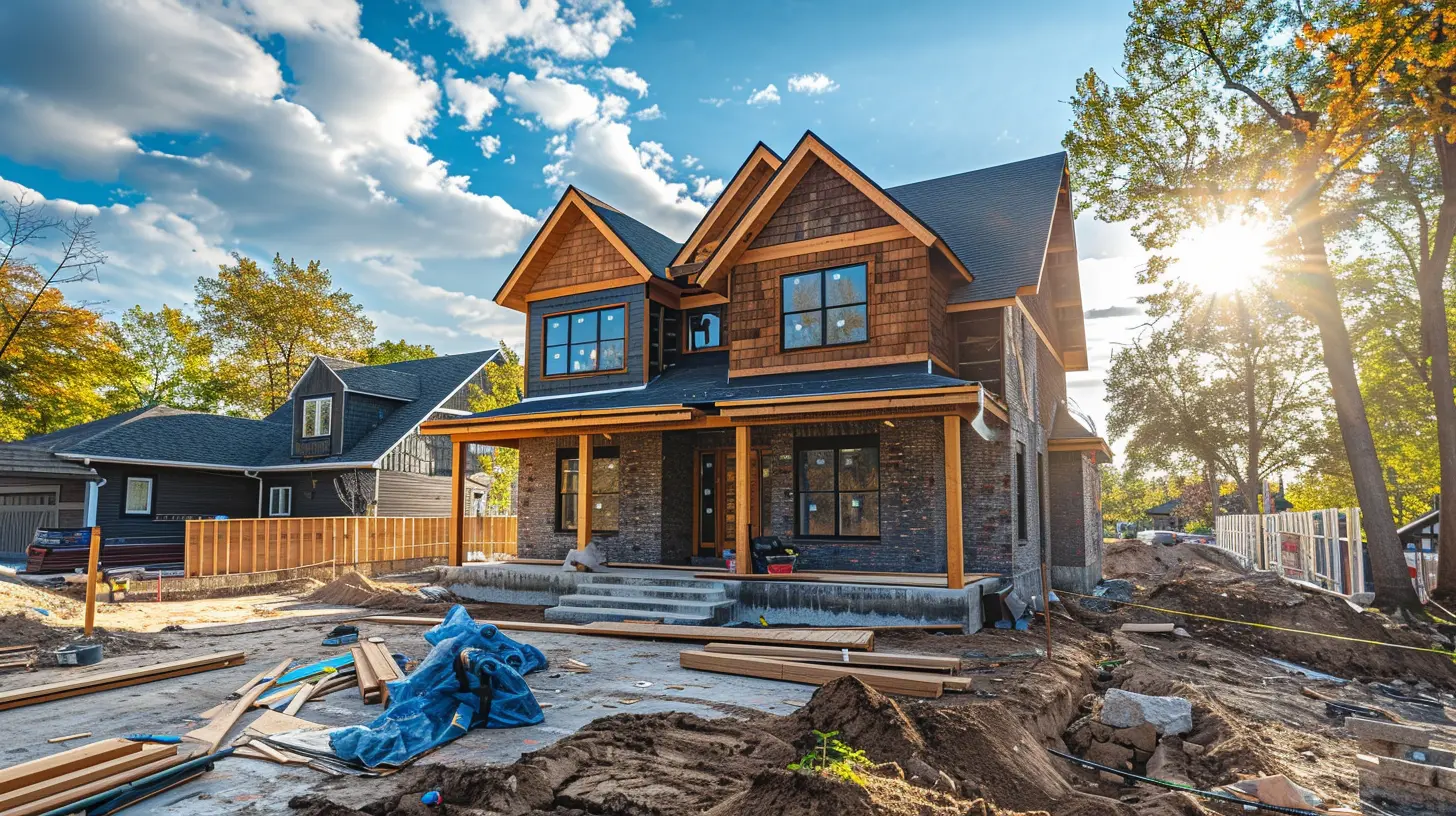
Best Financing Options for a Fixer-Upper
1. FHA 203(k) Loan: A First-Time Buyer's Best Friend
If you're a first-time homebuyer—or someone without a lot of cash on hand—an FHA 203(k) loan might be your golden ticket. This loan, backed by the Federal Housing Administration (FHA), rolls the cost of the home and renovation expenses into one mortgage.Pros:
✔ Low down payment (as little as 3.5%)✔ Lower credit score requirements compared to conventional loans
✔ One loan covers both purchase and renovation
Cons:
❌ Requires stricter appraisal and inspections❌ Can take longer to close than a traditional loan
❌ Limited to primary residences (no investment properties)
2. Fannie Mae HomeStyle Loan: More Flexibility, Higher Standards
If you have a solid credit score and want more freedom in your renovations, the Fannie Mae HomeStyle Loan is a great choice. Similar to the FHA 203(k), this loan lets you finance renovations and the home purchase together, but with fewer restrictions.Pros:
✔ Can be used for primary homes, second homes, and investment properties✔ No strict list of approved renovations (your vision can be more creative)
✔ Interest rates can be lower than other renovation loans
Cons:
❌ Stricter credit requirements (typically 620 or higher)❌ Requires detailed renovation plans and professional contractors
❌ Larger down payment than FHA 203(k) (usually 5% or more)
3. VA Renovation Loan: A Perk for Veterans
Are you an eligible veteran or active military service member? If so, the VA Renovation Loan might be your best bet. It’s designed to help veterans buy and improve homes with zero down payment.Pros:
✔ No down payment required✔ No private mortgage insurance (PMI)
✔ Lower interest rates for eligible borrowers
Cons:
❌ Limited renovation options (mostly minor upgrades, not structural changes)❌ Requires a VA-approved contractor
❌ Can have a longer approval process
4. HELOC or Home Equity Loan: Using What You Own
Already own a home and want to renovate a fixer-upper? Consider a Home Equity Line of Credit (HELOC) or a Home Equity Loan. These loans let you borrow against the equity in your current home.Pros:
✔ Lower interest rates compared to personal loans✔ Flexibility to use the funds however you want
✔ Can be used for investment properties
Cons:
❌ Puts your existing home at risk if you fail to repay❌ HELOC rates are variable, meaning they can increase over time
❌ Requires enough equity in your current home
5. Hard Money Loans: Fast Cash, High Risk
If you need quick cash and don't mind paying a premium, a hard money loan from a private lender could work. These loans are based on the property's future value rather than your creditworthiness.Pros:
✔ Fast approval process✔ No traditional credit requirements
✔ Can be used for investment properties
Cons:
❌ High interest rates (often 10% or more)❌ Short repayment periods (usually 1-3 years)
❌ Requires significant cash reserves or a solid exit strategy

Tips for Successfully Financing Your Fixer-Upper
Financing a fixer-upper isn’t just about getting a loan—it’s about being smart with your money. Here are some tips to ensure a smooth renovation journey:1. Get a Thorough Home Inspection
Fixer-uppers come with surprises, and not the fun kind. A home inspection can highlight major issues like faulty wiring, foundation problems, or outdated plumbing.2. Work with a Knowledgeable Lender
Not all lenders are experienced with renovation loans. Find one who understands the process and can guide you through it.3. Plan for the Unexpected
A good rule of thumb: add at least 10-20% extra to your renovation budget for unexpected costs. Trust me, you’ll need it.4. Hire the Right Contractors
Going the DIY route is great for small projects, but big renovations require professionals. Always check credentials, references, and reviews before hiring.5. Don't Over-Improve
It’s tempting to go all out, but make sure your renovations align with the neighborhood. Over-improving could make it harder to recoup your costs when you sell.
Is a Fixer-Upper Worth It?
At the end of the day, a fixer-upper can be a fantastic investment—if you do it right. Not only can you turn an aging property into your dream home, but you can also build equity faster than with a move-in-ready house.That said, it’s not for the faint of heart. You’ll need patience, financial planning, and a good dose of problem-solving skills. If you’re up for the challenge, the right financing can make all the difference.
So, are you ready to roll up your sleeves and make your fixer-upper dreams come true? The perfect house might be waiting just around the corner.
all images in this post were generated using AI tools
Category:
Fixer UppersAuthor:

Basil Horne
Discussion
rate this article
2 comments
Ulysses McGivern
Unlock the secrets of financing your dream renovation—where hidden potential meets unexpected pitfalls. Dare to discover the unknown?
March 18, 2026 at 3:35 AM
Basil Horne
Thank you for your insightful comment! Financing a renovation can be both exciting and challenging—let’s explore it together!
Delilah Curry
Ah, financing your fixer-upper dreams—because who doesn’t want to dive into a financial pit while sifting through questionable plumbing and questionable DIY skills? Just remember, nothing screams "I love debt" like transforming a leaky roof into a cozy palace. Good luck, future renovators! You’ve got this!
March 15, 2026 at 1:38 PM
Basil Horne
Thanks for the laugh! Embracing the chaos is part of the adventure. Here's to turning those dreams into reality, one project at a time!