How to Blend Classic and Contemporary Styles Seamlessly
23 November 2026
Creating a harmonious home that reflects both classic and contemporary styles can be a rewarding yet challenging endeavor. This balance offers an aesthetic that feels timeless while also staying fresh and relevant. Whether you are renovating a historic home or designing a new space, understanding the nuances of these two distinct styles can help you achieve a seamless blend that speaks to your personal taste and the functional needs of your lifestyle.
Understanding the Foundations
Defining Classic Style
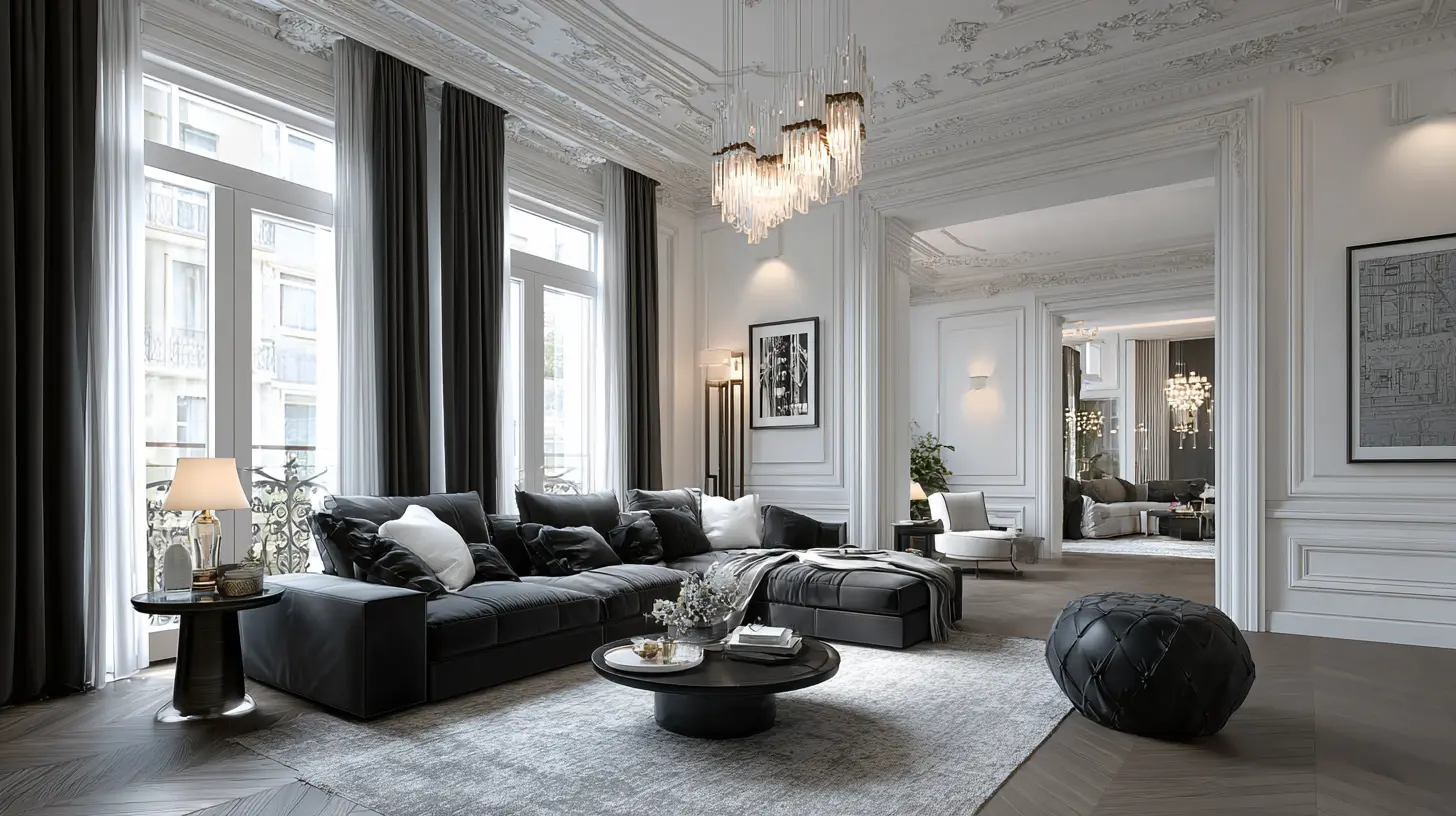
Classic style often draws inspiration from historical designs, characterized by symmetry, elegance, and a sense of permanence. Think of grand columns, ornate moldings, and traditional furniture. Classic interiors tend to have a formal feel, often utilizing rich materials such as wood, marble, and textiles like silk or damask.Defining Contemporary Style
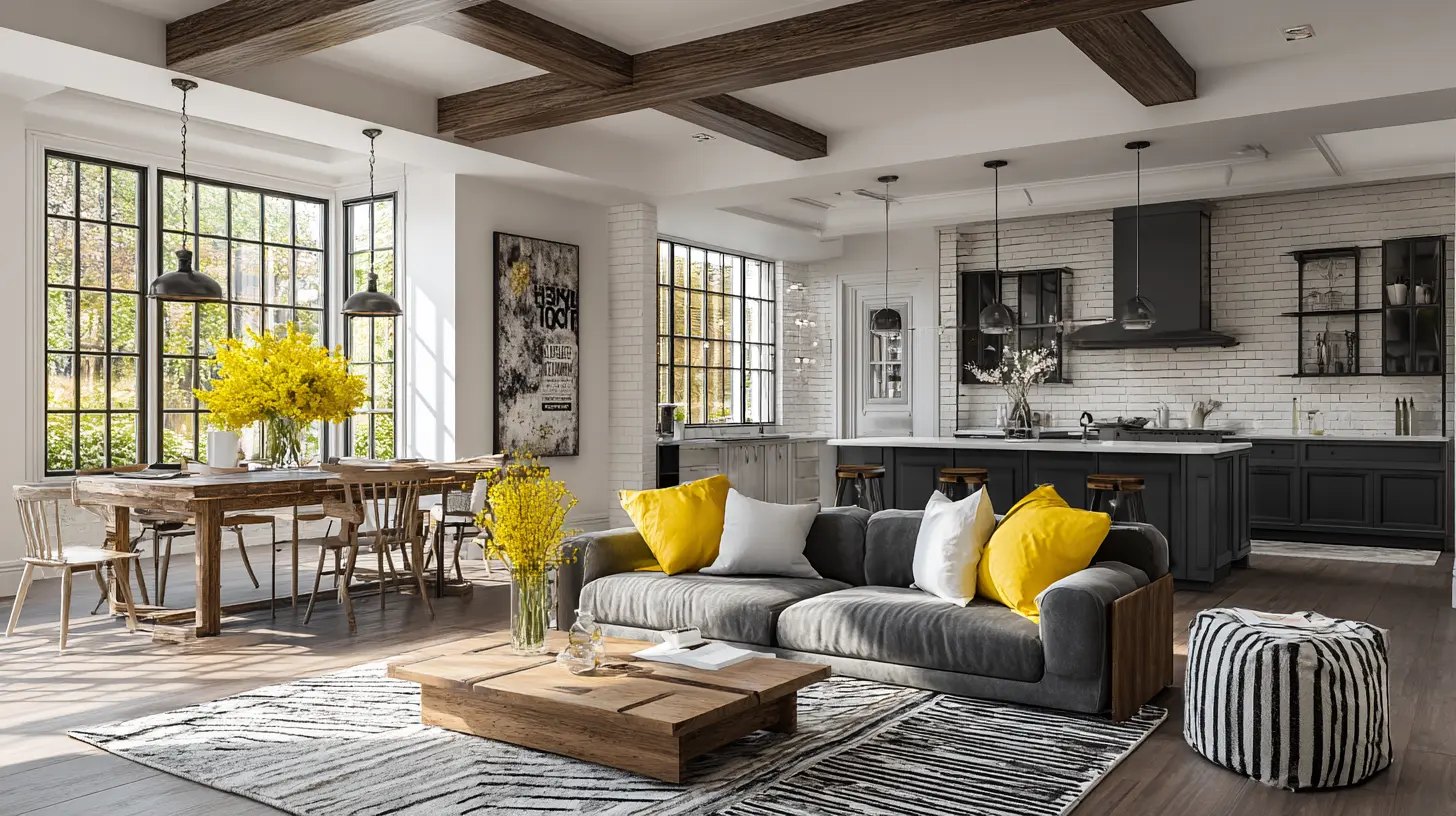
In contrast, contemporary style is fluid and ever-evolving. It focuses on minimalism, open spaces, and clean lines. Contemporary design tends to embrace new technologies and materials, favoring functionality over formality. Bright colors, bold patterns, and artistic elements are commonly featured.Why Blend Them?
Blending these styles allows you to enjoy the best of both worlds. The classic elements provide a sense of history and grace, while contemporary touches bring freshness and practicality. This fusion can create a space that feels both inviting and sophisticated.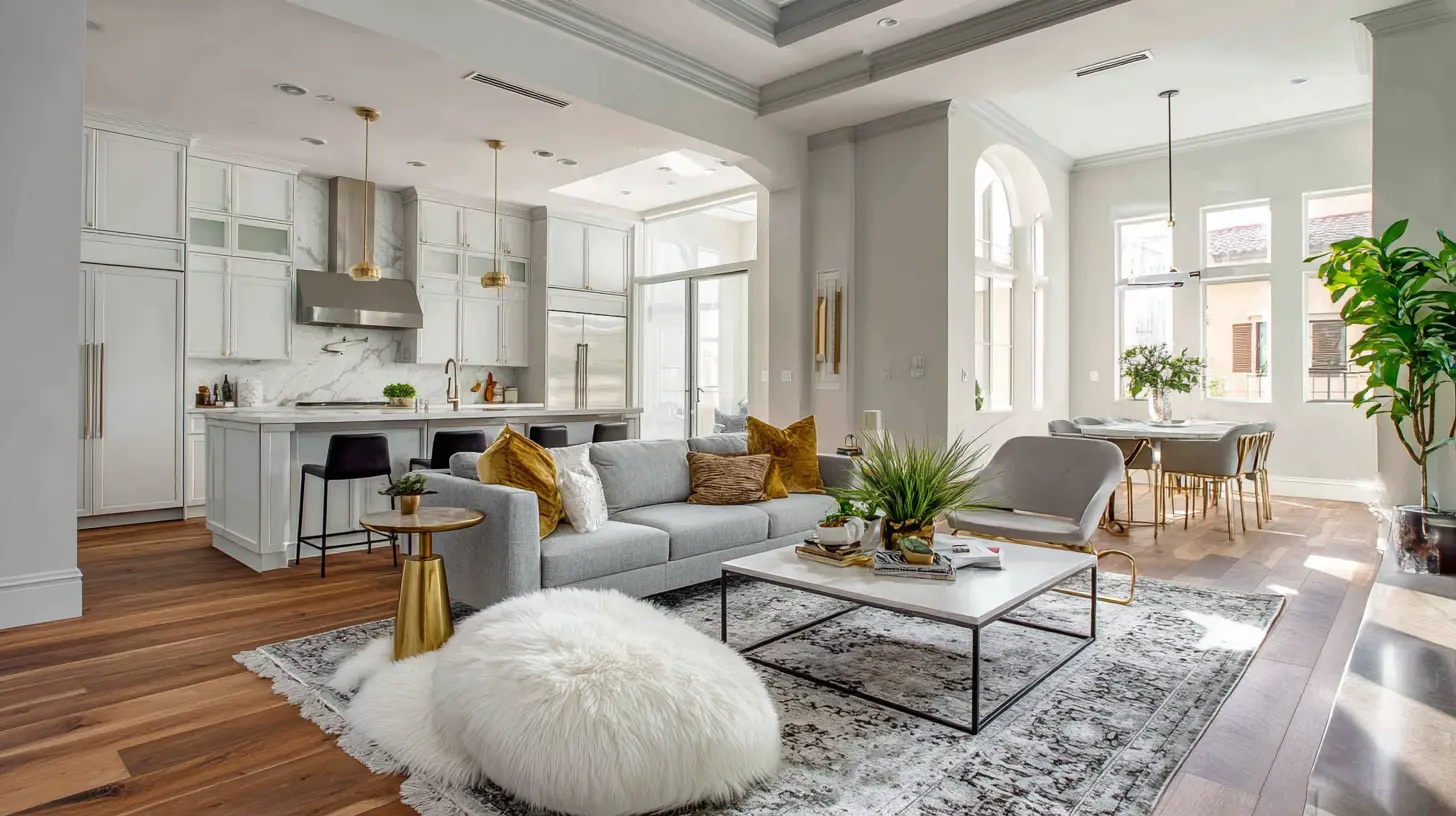
Key Principles for a Successful Blend
1. Establish a Common Color Palette
A cohesive color palette is essential for merging classic and contemporary styles. Choose a few core colors that resonate with both styles. Neutrals like whites, grays, and beiges can serve as a foundation, while deeper tones like navy or forest green can add richness.Example: If your classic furniture features deep mahogany, consider painting your walls a soft gray. This creates a backdrop that highlights the furniture without overwhelming the space.
2. Balance Proportions and Scale
When mixing styles, attention to scale and proportion is vital. Classic pieces tend to be more substantial, while contemporary items often feature sleeker profiles. Aim for balance by placing larger classic items in open areas, complemented by smaller contemporary pieces.Practical Tip: A large, traditional dining table can be paired with modern chairs that maintain the same height but offer a lighter visual weight. This creates an appealing contrast while ensuring harmony.
3. Focus on Texture
Texture plays a significant role in achieving a seamless blend. Classic styles often incorporate rich textures through fabrics and materials, while contemporary styles lean towards smoother finishes. Layering different textures can create depth and interest.Recommendation: Use a plush velvet sofa alongside a sleek metal coffee table. The juxtaposition enhances both styles while maintaining a cohesive look.
Practical Applications
Living Room
In the living room, consider a classic fireplace as a focal point, complemented by contemporary furniture. A traditional mantel can be adorned with modern art, creating a striking visual dialogue.Common Mistake
One common mistake is overcrowding the space. Too many decorative elements can clash. Instead, select a few key pieces from each style and allow them to breathe.Kitchen
In the kitchen, classic cabinetry can be paired with contemporary appliances. Opt for shaker-style cabinets with a modern finish, such as matte black or a bright white.Best Practice: When choosing countertops, consider a classic marble with sleek, minimalist fixtures. This combination highlights both the timeless quality of marble and the clean lines of contemporary design.
Bedroom
For the bedroom, a classic bed frame can be paired with modern bedding and artwork. Utilize soft, neutral tones for linens, and introduce contemporary lighting fixtures for an updated feel.Pros and Cons
While classic furniture can offer durability, contemporary pieces often provide flexibility in styling. Weighing the pros and cons of each style's materials can inform your purchase decisions.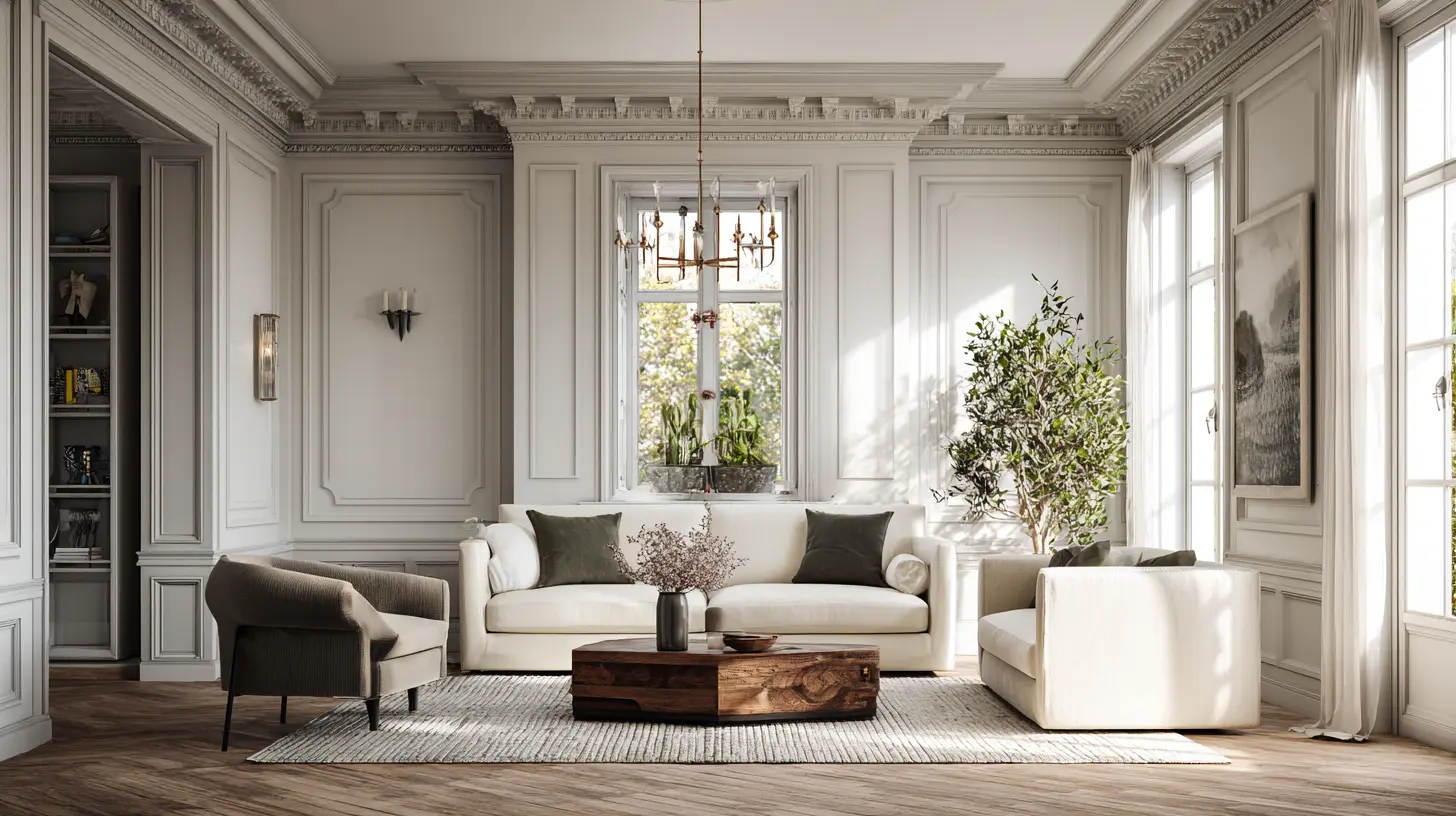
Real-World Examples
Case Study: A Historic Home Renovation
Consider a historic home where the owners wished to modernize the kitchen while respecting its original charm. They opted for classic white cabinetry and a marble backsplash but chose modern appliances hidden behind cabinet panels for a seamless look. The result was a kitchen that maintained the home's integrity while offering modern functionality.Case Study: A New Build with Classic Inspirations
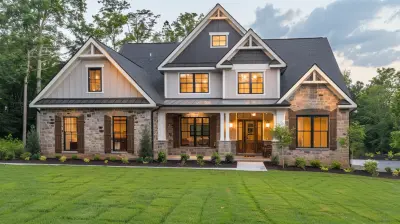
In a new home inspired by classic Colonial architecture, the owners incorporated contemporary elements like large windows and open spaces. They paired traditional crown molding with sleek, modern furniture and bold artwork, creating an inviting atmosphere that felt both historical and fresh.Trade-Offs and Considerations
When blending these styles, consider the trade-offs. Classic pieces may require more upkeep and care, while contemporary items might lack the timeless quality you desire. Assess your lifestyle and maintenance preferences before making decisions.Functionality vs. Aesthetics
Another consideration is functionality versus aesthetics. While classic designs may prioritize beauty, contemporary styles often prioritize usability. Striking a balance between the two can enhance your space's overall usability without sacrificing style.
Common Misconceptions
Misconception: Classic is Outdated
One misconception is that classic styles are outdated or irrelevant. In reality, they provide a foundation that can be modernized. A classic piece can serve as a timeless anchor in a contemporary setting, offering depth and character.Misconception: You Must Choose One Style
Another common misconception is that you must fully commit to one style. The truth is that blending allows for personal expression. It creates a unique narrative in your home that reflects who you are.Best Practices for Blending Styles
1. Start Small: Begin with a few key pieces and expand gradually. It's easier to integrate styles slowly than to overhaul your entire space at once.2. Consider the Architecture: Pay attention to the architectural details of your home. A classic structure may lend itself better to traditional furnishings, while a modern build might benefit from contemporary decor.
3. Incorporate Personal Elements: Use artwork or family heirlooms as focal points. They can bridge the gap between styles and add a personal touch.
4. Seek Professional Help: If blending styles feels overwhelming, consider consulting with an interior designer who specializes in hybrid aesthetics. They can provide insights tailored to your specific space.
Conclusion
Blending classic and contemporary styles is an art form that requires thoughtful consideration of color, scale, texture, and personal style. By establishing a cohesive vision and remaining mindful of the principles outlined here, you can create a space that effortlessly marries the timeless elegance of classic design with the fresh appeal of contemporary aesthetics. The result is a home that feels both inviting and sophisticated, a true reflection of your unique taste.all images in this post were generated using AI tools
Category:
Home DesignAuthor:

Basil Horne