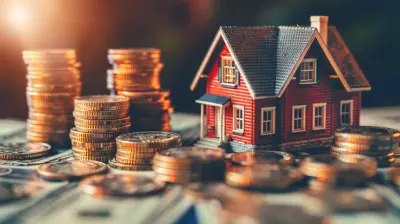
Fixer Upper Houses: Turning a Diamond in the Rough into a Dream Home
15 August 2026
Buying a house is one of the biggest investments you’ll ever make. But what if I told you that you could get your dream home without breaking the bank? That’s where fixer-upper houses come in.
A fixer-upper is a property that needs some TLC—whether it’s outdated decor, repairs, or major renovations. It’s like finding a hidden treasure—if you're willing to put in the effort, you can turn it into something truly spectacular. But is it always a good idea? Let’s dive into the world of fixer-upper homes and see what it really takes to transform one into your dream home. 
Why Buy a Fixer-Upper House?
1. Lower Purchase Price
One of the biggest draws of fixer-upper homes is the price. A house that needs work usually costs significantly less than a move-in-ready property. If you’re on a budget, this could be a great way to buy in a good neighborhood without spending a fortune.2. Less Competition
Move-in-ready homes are hot on the market, and buyers often engage in bidding wars. Fixer-uppers, on the other hand, scare off many buyers who aren't willing to put in the effort. This means you have a better chance of snagging a great deal with less competition.3. Personalization & Customization
When you buy a house that needs work, you get to make it truly yours. From choosing flooring and kitchen cabinets to selecting paint colors, you can design your home exactly the way you want it.4. Potential for Increased Value
A well-renovated home can significantly increase in value. If you buy smart and renovate wisely, you could see a substantial return on investment (ROI) when it's time to sell.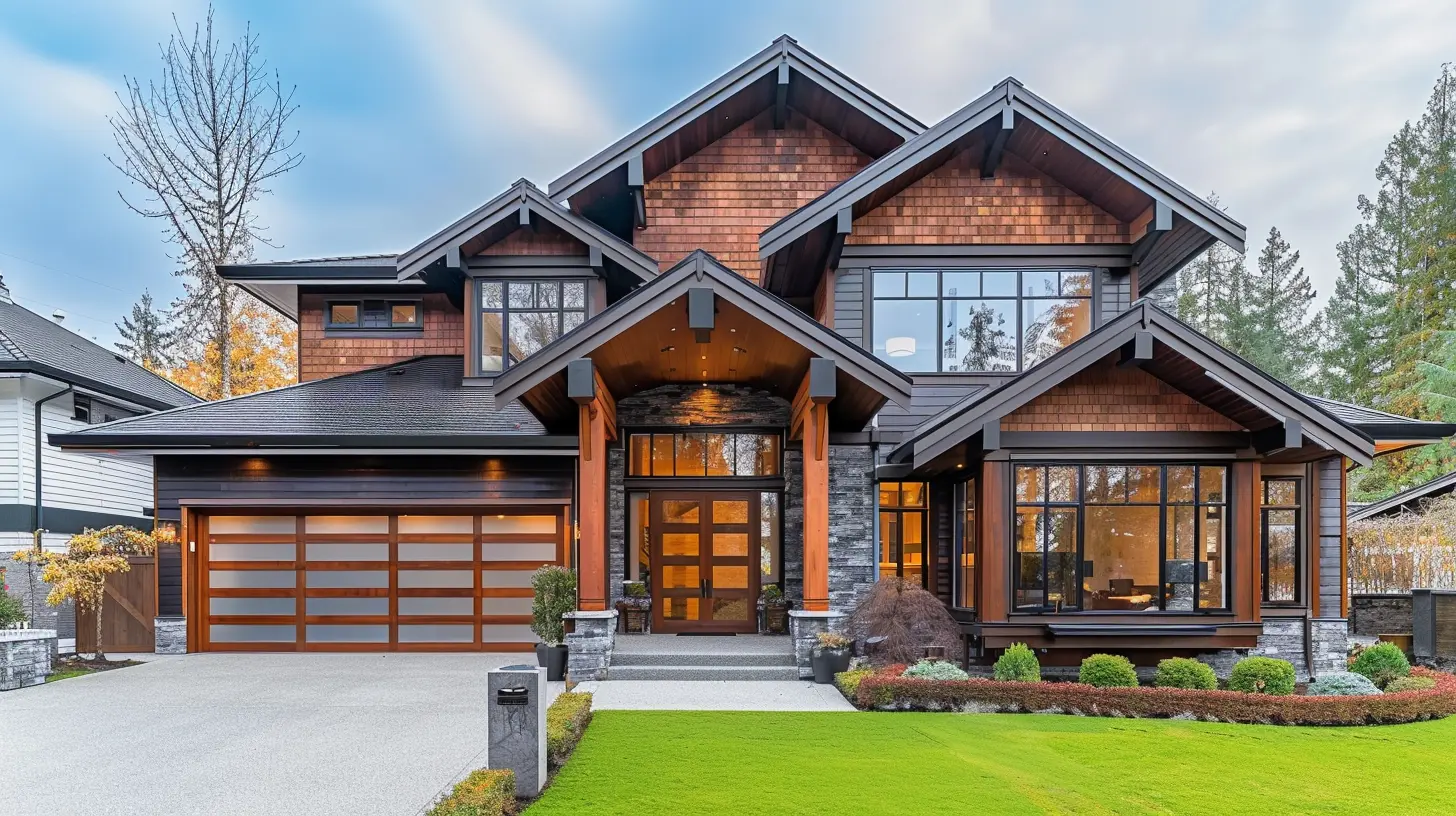
Challenges You Need to Consider
While the rewards can be great, fixer-upper homes come with their fair share of challenges. Before jumping in, consider these potential hurdles:1. Hidden Costs
What looks like a simple renovation project can quickly turn into a money pit. Structural issues, hidden water damage, or outdated electrical work can add thousands to your budget. A thorough home inspection is crucial to avoid surprises.2. Renovation Stress
Home renovations aren’t for the faint of heart. Between dealing with contractors, delays, and unexpected issues, the process can be stressful. If you don’t have the time or patience, a fixer-upper might not be the best choice.3. Financing Challenges
Not all lenders are keen on financing a home that needs a lot of work. You may need a special type of loan—like an FHA 203(k) loan—that covers both the purchase price and renovation costs. Make sure you explore your financing options before making an offer.4. Time & Energy Commitment
If you’re tackling a fixer-upper project yourself, be prepared for long days and sleepless nights. Renovations can take months—even years—to complete, depending on the scope of work.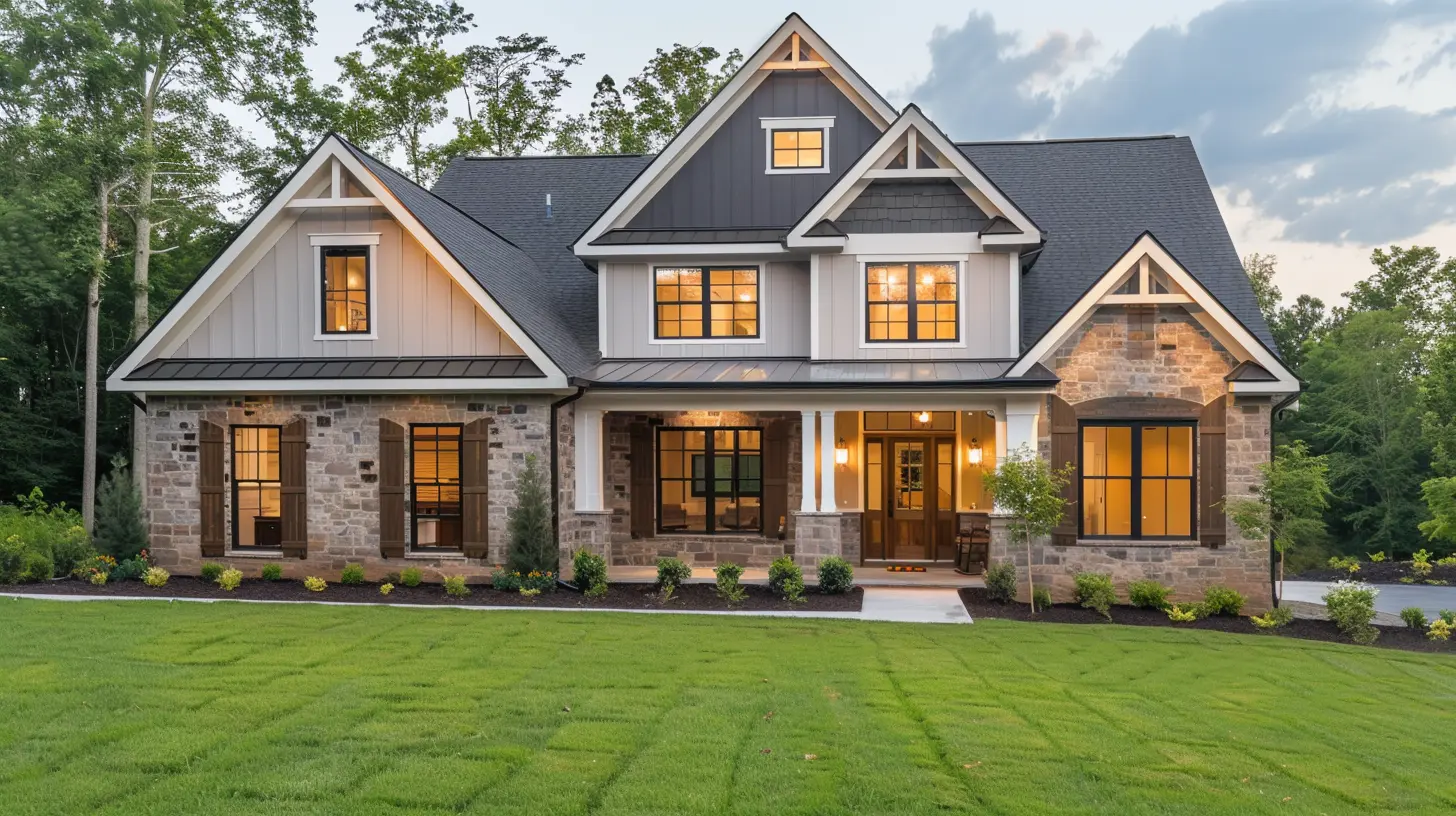
Steps to Successfully Transform a Fixer-Upper
So, you’ve decided to take the plunge and buy a fixer-upper. What’s next? Here’s a step-by-step guide to ensure your renovation journey goes smoothly.Step 1: Find the Right Fixer-Upper
Not all fixer-uppers are created equal. Some properties have “good bones” and only need cosmetic upgrades, while others require a complete overhaul. Look for houses with solid foundations, no major structural issues, and a layout that fits your lifestyle.Step 2: Get a Professional Home Inspection
Never—and I mean never—skip the home inspection. A professional can help identify potential problems, such as:- Foundation cracks
- Termite damage
- Outdated electrical work
- Plumbing issues
- Mold or water damage
Knowing what you’re getting into can help you budget accordingly and avoid unexpected surprises down the road.
Step 3: Create a Realistic Budget
Once you have the inspection results, create a renovation budget. Break it down into three main categories:- Must-have repairs (structural fixes, plumbing, electrical updates)
- Cosmetic upgrades (paint, flooring, kitchen remodel)
- Unexpected costs (because surprises WILL happen)
A good rule of thumb is to add at least 20% to your estimated budget for unexpected expenses.
Step 4: Prioritize Renovations
Start with the most critical fixes first. Think of it like building a house—you need a solid foundation before worrying about paint colors. Focus on:- Roof repairs
- Electrical and plumbing updates
- HVAC system
- Structural fixes
Once the essentials are in place, move on to cosmetic improvements.
Step 5: Decide DIY vs. Hiring Professionals
A lot of people buy fixer-uppers with dreams of doing all the work themselves. But unless you’re a skilled contractor, some projects should always be left to the pros—like electrical work and major plumbing repairs.However, if you have the skills (or are willing to learn), DIY projects can save you a ton of money. Painting, installing new flooring, and landscaping are all great ways to cut costs while putting your personal touch on your home.
Step 6: Stick to a Timeline
Renovations can easily drag on forever if you’re not careful. Set a realistic timeline for each project and try your best to stick to it. While delays are unavoidable, having a structured plan will keep you from feeling overwhelmed.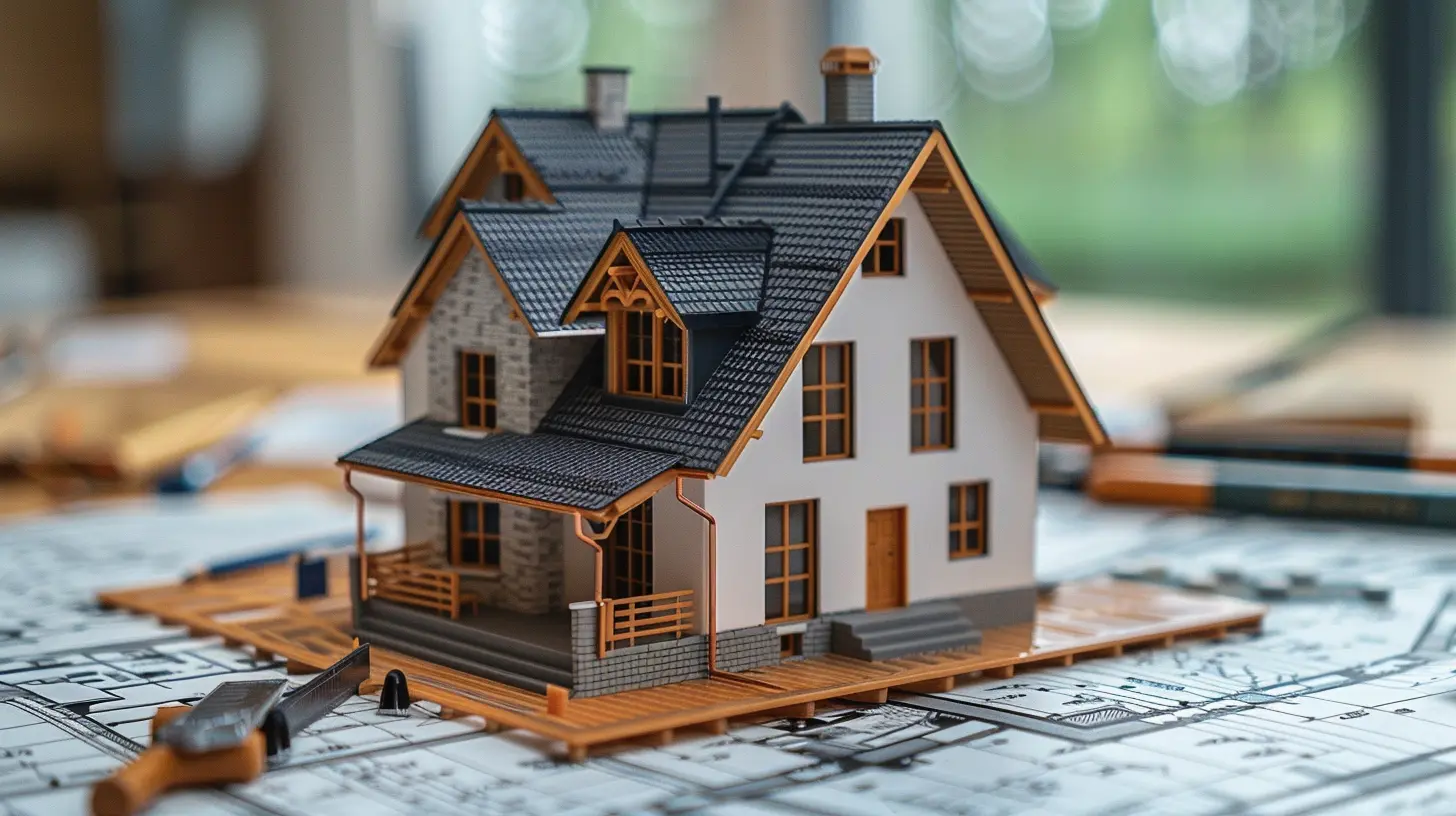
Smart Renovation Tips to Maximize ROI
If you plan on selling your home in the future, it’s important to invest in renovations that will boost its resale value. Here are some of the best renovations that offer the highest ROI:1. Kitchen Remodel
The kitchen is the heart of the home, and a modern, updated kitchen can significantly increase your home’s value. You don’t need to go overboard—simple upgrades like new countertops, cabinets, and appliances can make a huge difference.2. Bathroom Updates
Buyers love updated bathrooms. Swapping out old fixtures, refinishing the bathtub, and adding modern tiles can give your bathroom a fresh look without a hefty price tag.3. Curb Appeal Enhancements
First impressions matter. A fresh coat of exterior paint, a new front door, and some landscaping can boost your home’s curb appeal and make it instantly more attractive to buyers.4. Flooring Upgrades
Replacing old carpets with hardwood floors or high-quality laminate can give your home a more modern feel and increase its value.5. Energy-Efficient Improvements
Buyers today are looking for energy-efficient homes. Installing insulation, upgrading windows, and adding energy-efficient appliances can not only save you money on utilities but also make your home more appealing to future buyers.Is a Fixer-Upper Right for You?
A fixer-upper can be a fantastic investment—but it’s not for everyone. If you’re handy, patient, and love the idea of transforming a house from the ground up, it could be the perfect choice. However, if you’re short on time or don’t want to deal with the hassles of renovations, a move-in-ready home might be a better fit.Either way, the key is to do your homework, plan your budget, and be prepared for the unexpected. With the right mindset and a little bit of elbow grease, you can turn a fixer-upper into the home of your dreams!
all images in this post were generated using AI tools
Category:
Fixer UppersAuthor:

Basil Horne
Discussion
rate this article
2 comments
Jacob Long
Why settle for ordinary? Unleash your inner designer and make that fixer upper shine!
August 27, 2026 at 12:06 PM
Basil Horne
Absolutely! Every fixer upper has the potential to become a dream home with a little creativity and effort. Let's get to work!
Vance McVicker
I love the idea of taking a fixer upper and turning it into something special. There's something so rewarding about seeing potential where others see problems. It's like finding hidden treasure and creating a space that truly feels like home... Can't wait to dive in!
August 25, 2026 at 11:37 AM
Basil Horne
I completely agree! There's magic in transforming a fixer upper into a dream home. Enjoy the journey and all the rewards that come with it!