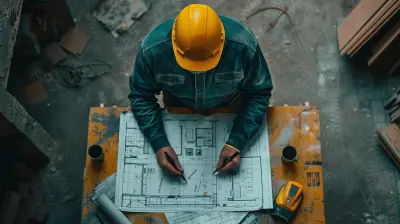
Challenges and Rewards of Flipping a Fixer Upper
5 June 2026
Let’s talk about flipping houses. More specifically, those scrappy, broken-down, time-warped fixer uppers that people with a vision (and a decent toolbox) turn into real estate gold. You’ve probably seen the before-and-after magic on HGTV or binged YouTube videos of someone turning grandma’s old bungalow into a Pinterest dream home. But let’s be real—flipping a fixer upper isn't all glitz, glam, and subway tile backsplashes. There's a gritty side to it too.
So, what really goes down when you're elbow-deep in peeling wallpaper, busted pipes, and budget spreadsheets? Let’s pull back the curtain on the challenges and rewards of flipping a fixer upper.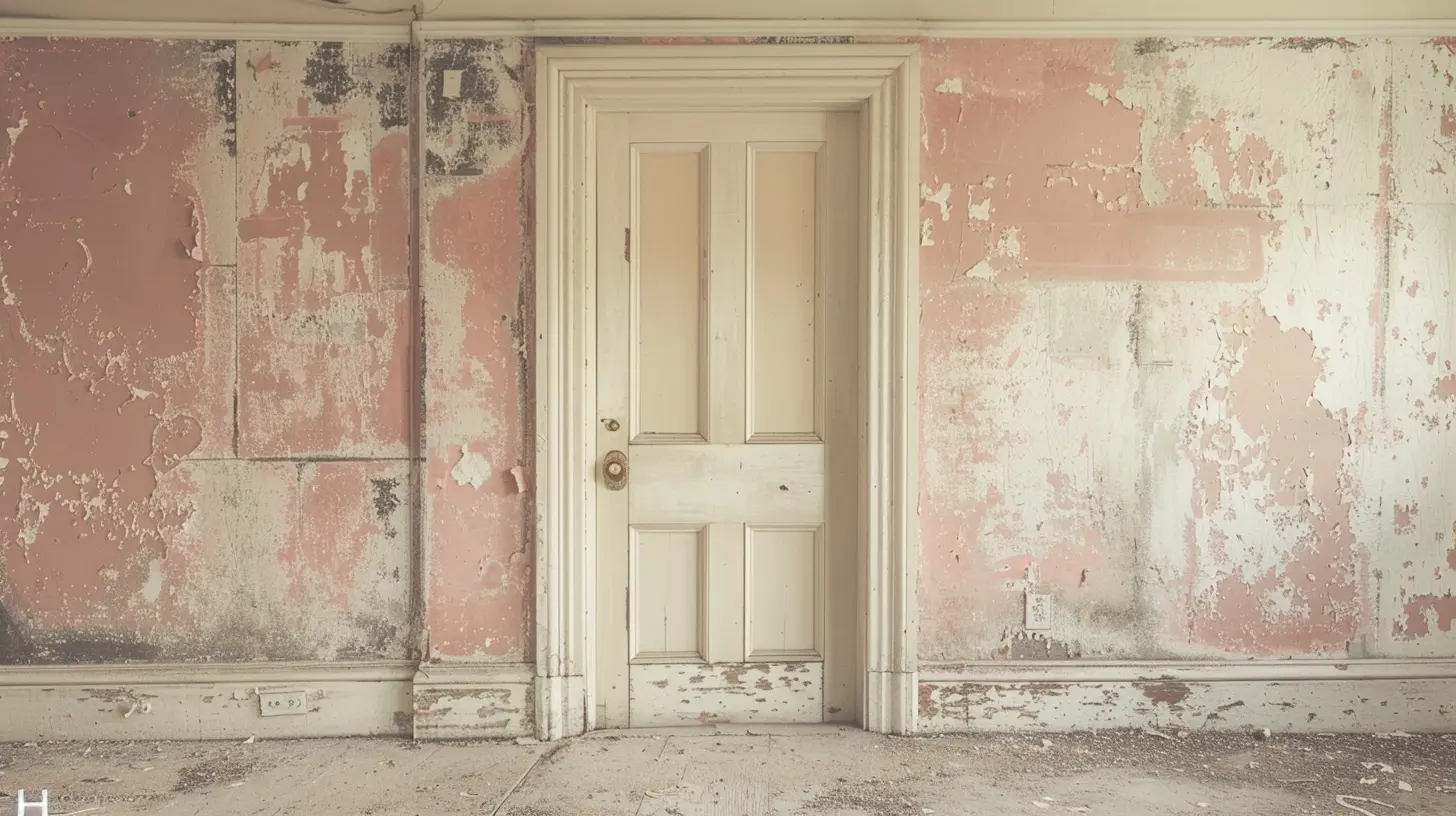
What Does It Mean To Flip A Fixer Upper?
Flipping a fixer upper means buying a property that’s seen better days—sometimes decades ago—and renovating it to resell for a profit. That’s the short version.The longer version? It’s a high-risk, high-reward real estate hustle. You need to spot the potential in homes others overlook. Then you pour in money, time, sweat equity, and a whole lot of stress, hoping to sell at a decent profit margin.
Sound exciting? It is. But make no mistake: this isn’t a get-rich-quick scheme. It's more like a get-spent-quick, work-like-crazy, then maybe cash-in project.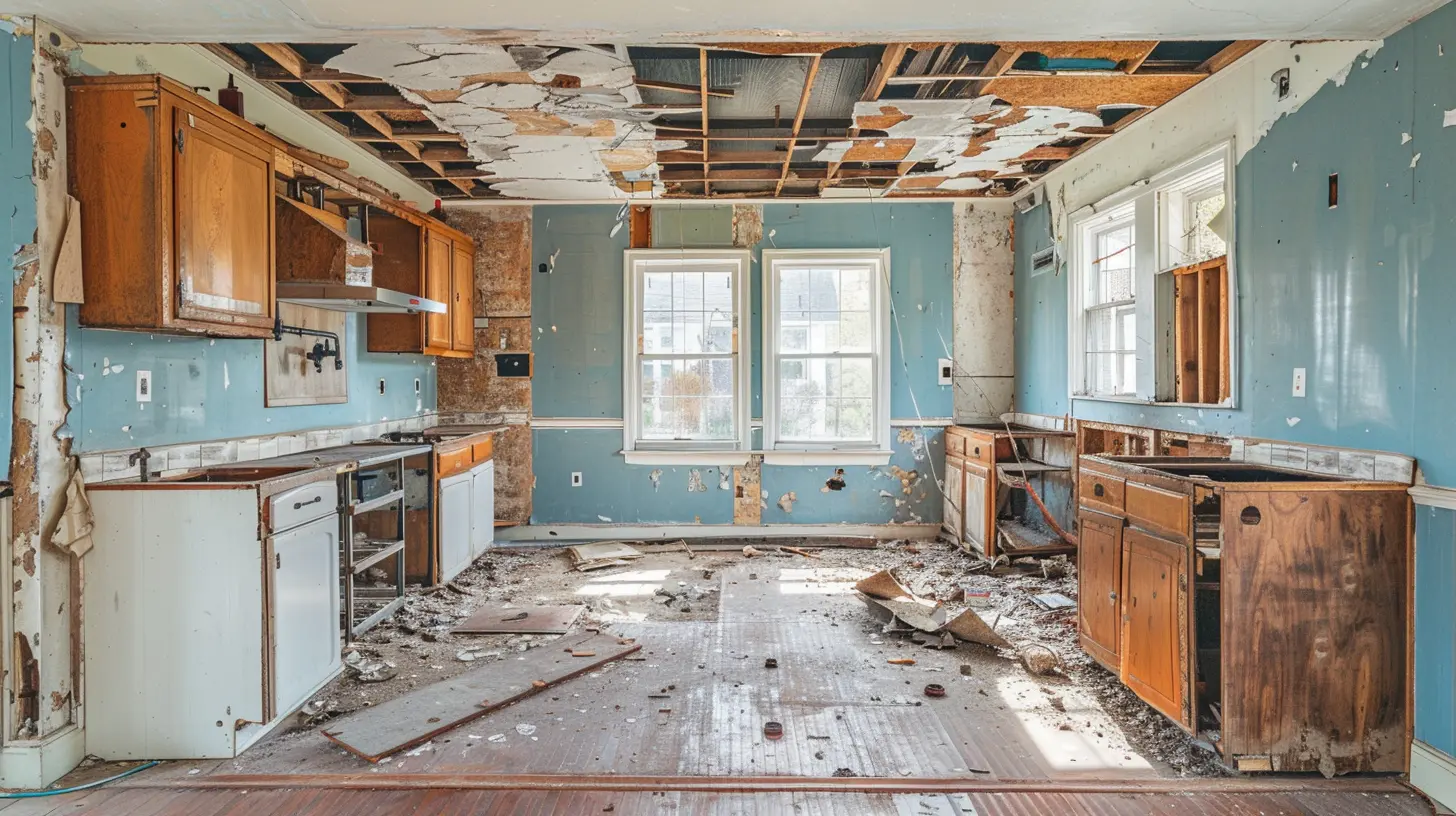
The Challenges of Flipping a Fixer Upper
1. Finding the Right Property
Not all fixer-uppers are created equal. Some are cosmetic nightmares but structurally solid—a dream flip. Others are black holes that will drain your savings faster than you can say “foundation damage.”You’ll need to:
- Know your market inside and out
- Understand what buyers want in specific neighborhoods
- Get good at assessing repair costs quickly
- Be prepared to act fast
Here’s the kicker: the best deals rarely hit the mainstream listings. You’ll need to network, dig, and sometimes make offers on houses that aren’t even for sale. It’s part scavenger hunt, part business strategy.
2. Underestimating Renovation Costs
This is where many dreamers become debtors. Rookie flippers often walk into a house with big dreams and small budgets. Then reality hits—hard.Old wiring? That’s thousands. Mold in the basement? Thousands more. Plumbing that hasn’t been touched since the ‘70s? You get the idea.
Also, materials and labor prices fluctuate. And let’s not forget those sneaky surprises hiding behind the walls. You’ll need a contingency fund—seriously, don’t skip this.
Pro tip: Always assume renovations will cost 20–30% more than your initial estimate. Your future self will thank you.
3. Time Drain & Burnout
You thought this was going to be a weekend project? Think again. Flipping a fixer-upper often becomes a second full-time job.You're juggling contractors, permits, inspections, and—let’s be honest—watching DIY tutorials at 2 a.m. If you're doing the hands-on work yourself, the physical and mental toll can be brutal. Goodbye, free time. Hello, stress headaches.
Time is money in this game. The longer you hold the property, the more you're paying out in mortgage, utilities, insurance, and taxes.
4. Dealing With Permits & Inspections
Municipal red tape? Welcome to your new nightmare. Permits can take forever, and inspectors don’t always see eye-to-eye with your contractor’s vision—or your timeline.Miss a key permit or cut corners? You could pay double to fix it later. Or worse, you might not be able to sell at all until it’s remedied.
Stay compliant. Do it right the first time, even if it's frustrating. Future buyers want peace of mind, and a paper trail helps you justify the price tag.
5. Market Fluctuations
Even if you do everything right, there's always the wild card: the market. Home values are influenced by interest rates, local job markets, and even random national events (hello, pandemic housing boom, then bust).Imagine spending six months and $60,000 renovating, only to list your house in a cooling market. Yikes. That’s why research, timing, and a bit of luck are big parts of the equation.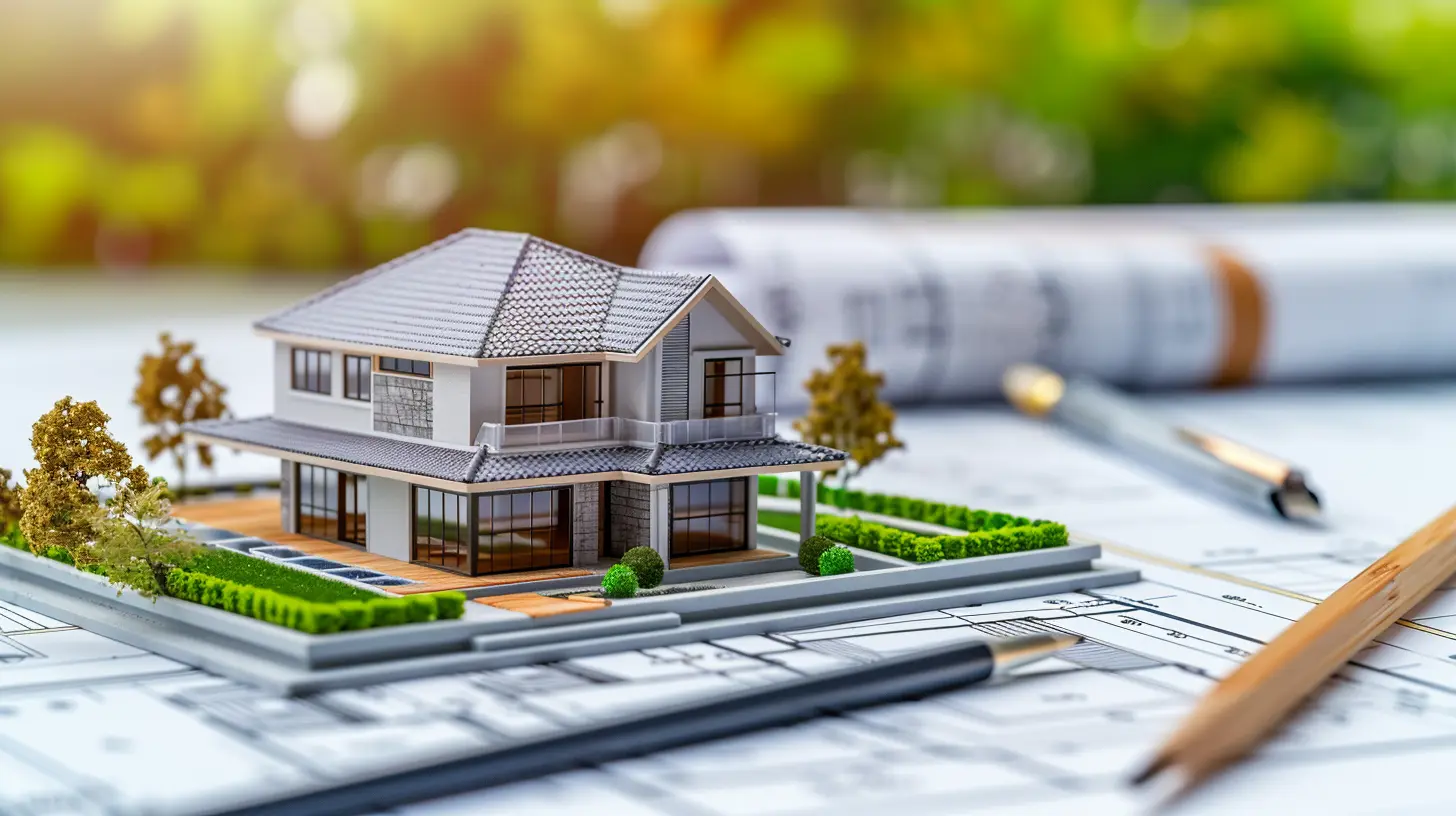
The Rewards of Flipping a Fixer Upper
Now that we’ve scared you a little (or a lot), let’s talk about the good stuff—because yes, flipping CAN be worth it.1. Potential for Big Profits
Let’s not sugarcoat it—this is why most people try flipping in the first place. If you buy smart, renovate efficiently, and sell at the right time, profits can be substantial. We’re talking tens of thousands—sometimes more.Plus, compared to long-term buy-and-hold strategies, flipping gives you a quicker payoff (if all goes well).
But let’s be clear: profit isn't guaranteed. You’ve got to be strategic, financially savvy, and a little bit lucky.
2. Learning a Ton of New Skills
Flipping a fixer upper is like earning an unofficial MBA in real estate, construction, budgeting, negotiation, and stress management all rolled into one.You’ll learn what adds real value to a home, how to work with (or be) a contractor, and which design choices woo buyers. Those lessons? They’re priceless—and they stick with you.
Whether it’s your first flip or your fifth, you’ll walk away smarter than when you started.
3. Creating Real Transformation
There’s something deeply satisfying about taking a neglected, forgotten home and giving it new life. It’s like real estate alchemy—you're turning rust into gold.That transformation doesn’t just benefit your bank account. It boosts neighborhoods, helps first-time buyers find charming homes, and preserves the character of older properties.
You’re not just flipping walls—you’re flipping stories.
4. Flexibility and Creative Freedom
Flipping isn’t your usual 9-to-5. It’s more of a choose-your-own-adventure path. Want to do one flip a year? Cool. Want to scale and build a flipping business? Go for it.There’s also the creative side. Choosing finishes, layouts, paint colors—it’s a bit like playing Sims, only with real money (and real consequences). Still, it’s fun if you’ve got an eye for design.
5. Networking and Building a Team
You won't do this alone. You’ll meet realtors, lenders, contractors, electricians, designers, inspectors—the list goes on. Over time, you’ll build a dream team you can rely on for future projects.And in real estate, your network can be as important as your properties. Relationships open doors. Sometimes literally.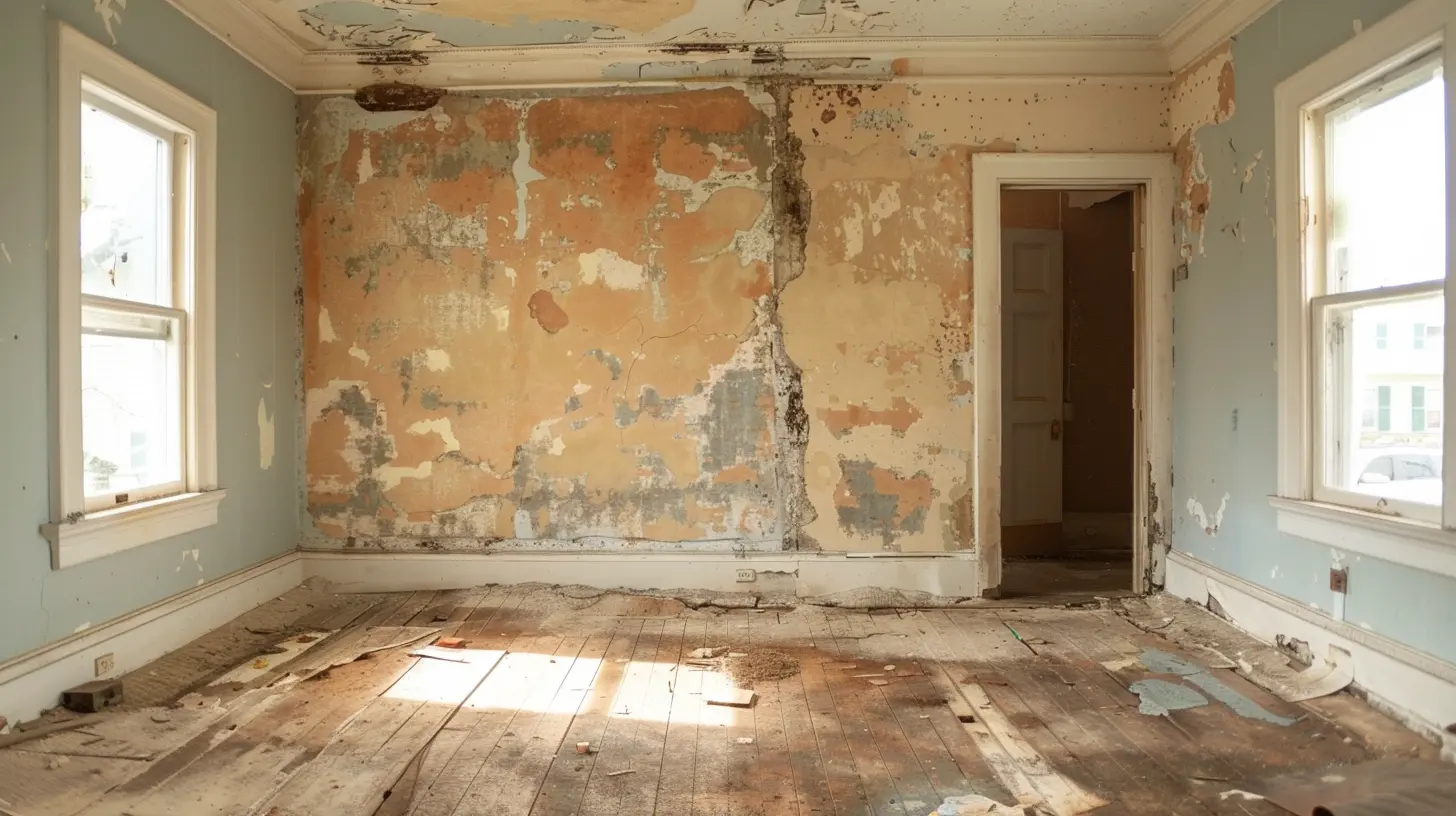
Tips for a Successful Flip
Before you bust out the sledgehammer, here are a few parting nuggets of advice:- Do your due diligence. Research the neighborhood, property history, and local comps.
- Get a detailed inspection. Know what you’re getting into before buying.
- Stick to your budget. Seriously—it’s easy to get carried away.
- Know your target buyer. Design with their taste and budget in mind.
- Build in a buffer. Time and money always run short, so plan accordingly.
- Don’t get emotionally attached. This isn’t your forever home; it’s a business project.
Is Flipping a Fixer Upper Right for You?
Here’s the truth: flipping is not for everyone. It’s messy, unpredictable, and high-stress. But if you’re strategic, driven, and love getting your hands dirty (sometimes literally), it can be incredibly rewarding.It’s one-part hustle, one-part creativity, and one-part risk management. But if you play your cards right, you’re not just changing houses—you’re changing your life.
So, are you ready to roll up your sleeves and turn trash into treasure?
all images in this post were generated using AI tools
Category:
Fixer UppersAuthor:

Basil Horne
Discussion
rate this article
1 comments
Runevale Chapman
Flipping a fixer upper: like dating, it's all about the potential!
June 5, 2026 at 2:32 AM
Basil Horne
Absolutely! Both require patience and vision to see the beauty waiting to shine through.