How Smart Home Technology Will Shape Real Estate in 2026
23 April 2026
The future of real estate is knocking on our doors, quite literally! As we step into 2026, smart home technology is not just a trend; it's becoming the backbone of modern living. Imagine a world where your home knows you better than you know yourself, adjusting the temperature, lighting, and security features to create an oasis of comfort and safety. Exciting, right? The question is, how will this tech revolution shape the real estate market? Let’s dive into this tech-savvy future!
The Rise of Smart Home Technology
What Exactly is Smart Home Technology?
Smart home technology refers to devices and systems that allow you to control various aspects of your home remotely or automatically via the internet. Think of it as your home having a brain! From smart thermostats that learn your heating preferences to security cameras that send notifications to your smartphone, these devices provide convenience, efficiency, and peace of mind.Why the Surge in Popularity?
Have you ever thought about why smart homes are becoming so popular? It’s all about convenience and energy efficiency. People are busier than ever, juggling work, family, and social life. Smart home devices offer a way to streamline daily tasks, making life just a bit easier. Plus, as climate change looms large, homeowners are becoming more eco-conscious, seeking ways to reduce their carbon footprint. Smart technology can help with that, too!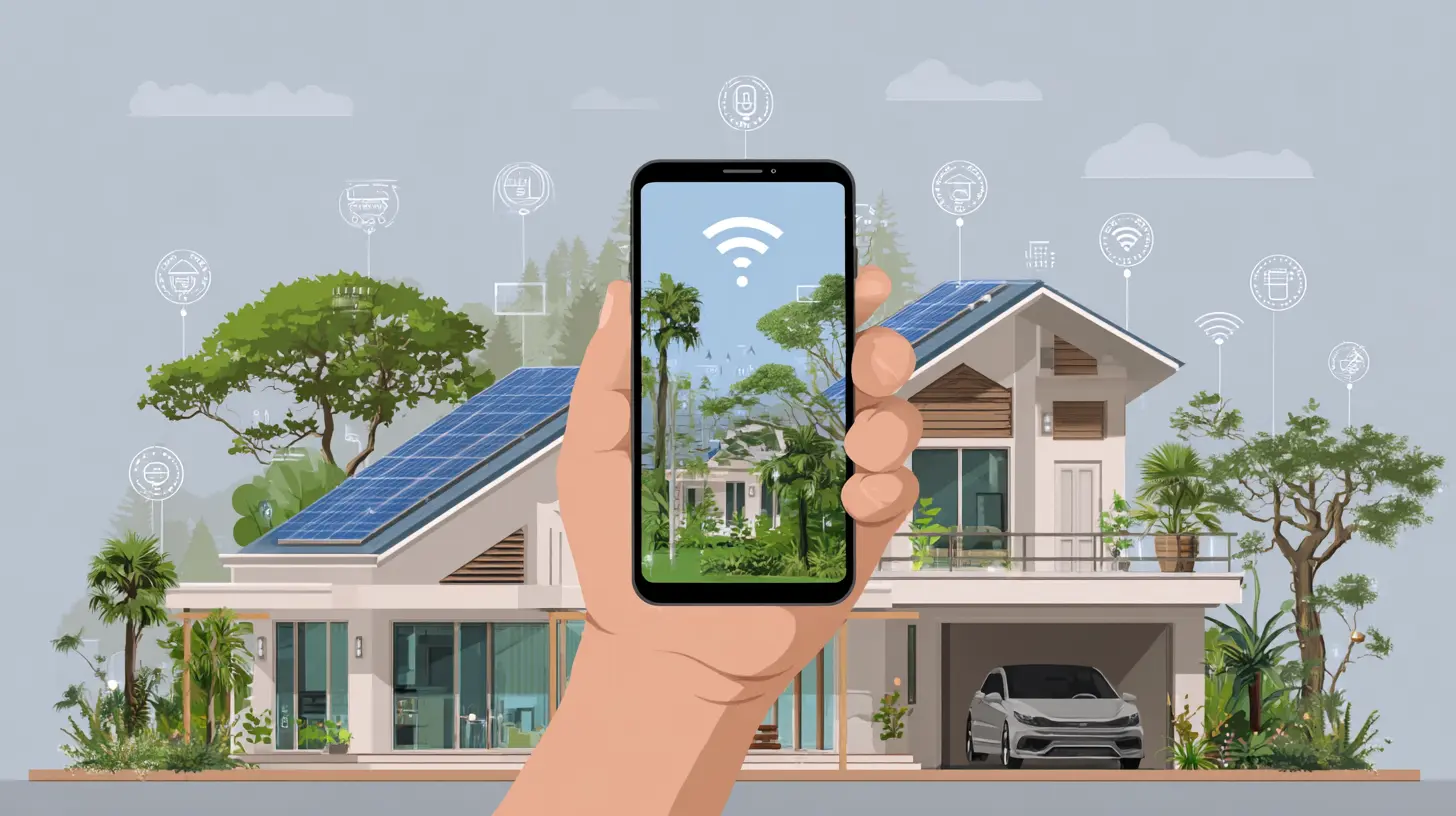
How Smart Technology Will Influence Real Estate Market Trends
Increased Property Value
Let’s start with the numbers. Homes equipped with smart technology often see a significant bump in property value. In 2026, we can expect this trend to continue. Homebuyers are likely to pay a premium for properties with integrated smart systems. It’s like owning a car with the latest tech features—everyone wants that sweet navigation system!Homebuyer Preferences
Today's homebuyers are savvy and well-informed. They’re not just looking for a roof over their heads; they want a lifestyle upgrade. Smart home features such as energy-efficient appliances, smart lighting, and security systems are becoming non-negotiable. In 2026, real estate agents will need to market these features effectively to attract potential buyers.Shifts in Home Design
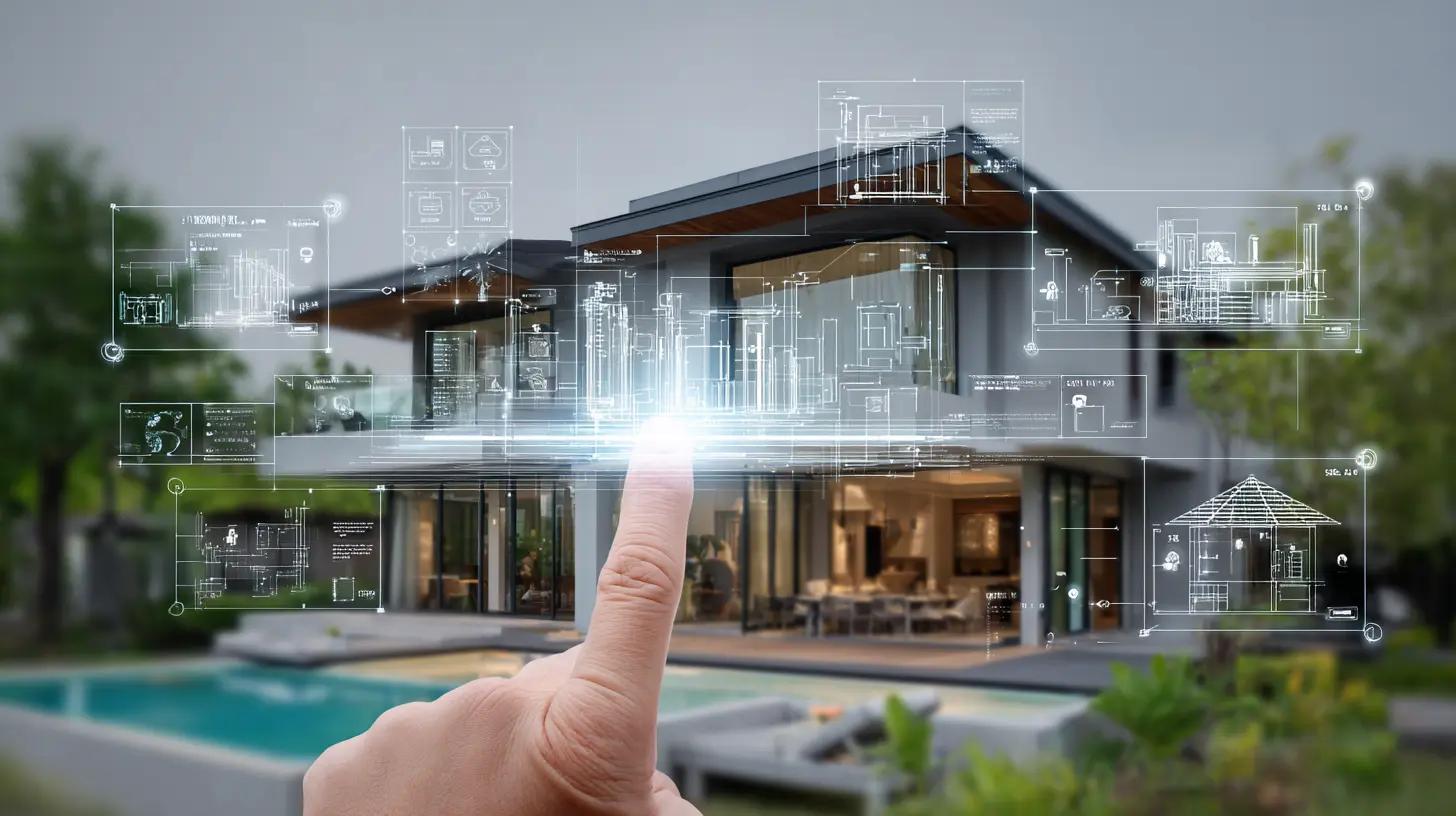
With the rise of smart technology, home design is adapting, too. Gone are the days of cookie-cutter houses! Architects and builders are now considering how technology will fit into their designs. Expect to see more open spaces with built-in smart hubs, flexible rooms that can adjust to different needs, and enhanced outdoor living spaces with smart irrigation systems. It’s not just about having a smart home; it’s about creating spaces that enhance quality of life.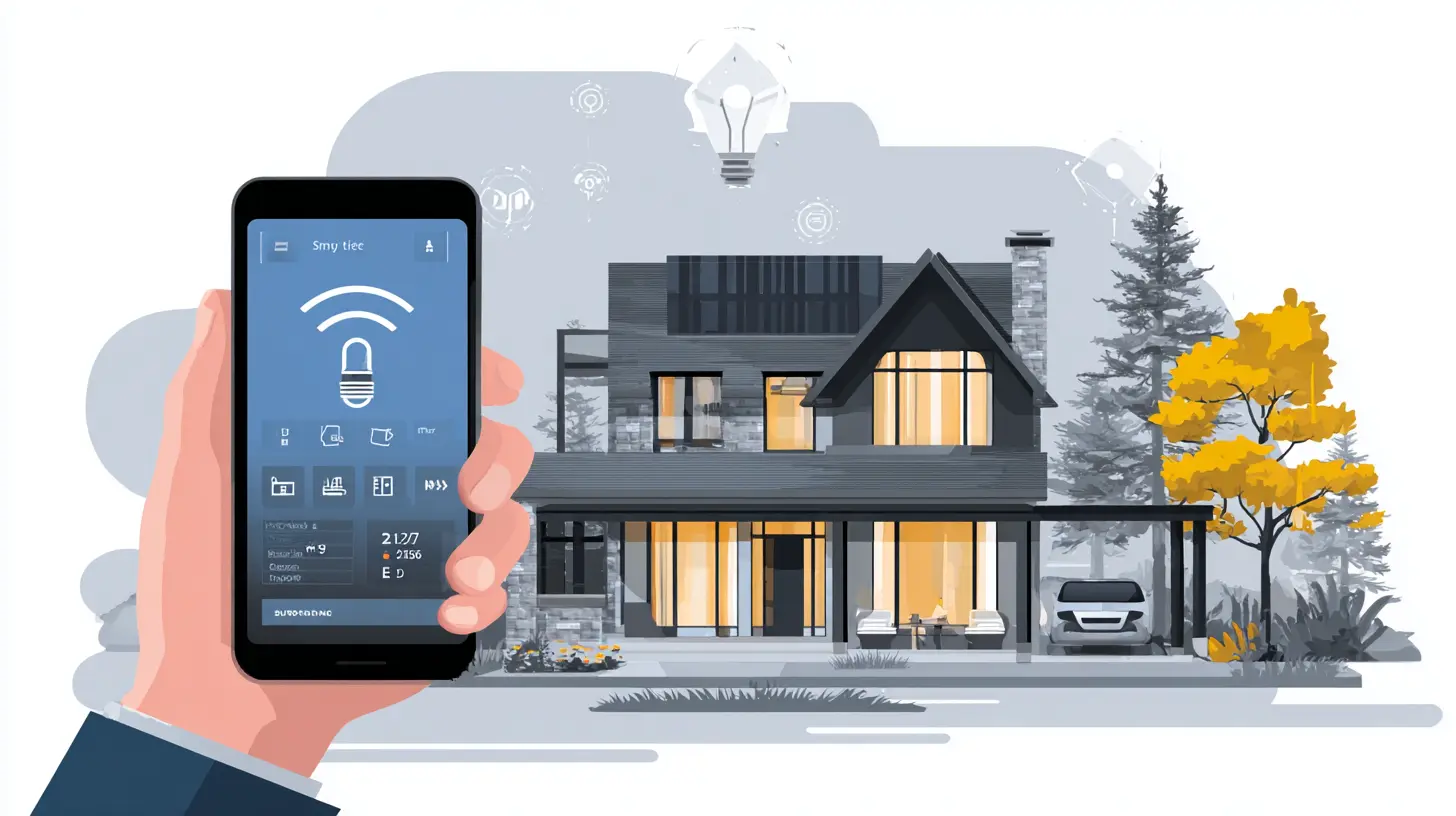
Smart Technology and Sustainability
Energy Efficiency
One of the most compelling aspects of smart home technology is its potential for energy efficiency. By 2026, we can expect an increasing number of homes to be equipped with smart thermostats, energy-efficient lighting, and solar panel integrations. Imagine a home that can monitor energy consumption in real-time and suggest ways to save. It’s like having a personal financial advisor for your energy bills!Green Certification
As sustainability becomes a priority for many, homes featuring smart technology are likely to meet green certification standards more easily. This means that properties with smart tech will not just be desirable but also eligible for tax breaks and incentives. It’s a win-win for the environment and the homeowner.
Smart Security Systems: The Future of Safety
Enhanced Security Features
In a world where safety is paramount, smart security systems are leading the charge. By 2026, we can expect homes to be equipped with advanced security features like facial recognition cameras, automated locks, and motion sensors that connect directly to homeowners’ smartphones. Imagine being able to monitor your home from anywhere in the world, receiving real-time alerts about any suspicious activity. It’s like having a virtual bodyguard, keeping you and your family safe.Impact on Insurance Premiums
With improved security features, homeowners may also see a decrease in their insurance premiums. Insurance companies often reward homeowners for taking proactive steps to secure their property. So, incorporating smart security features could not only enhance safety but also save you money in the long run. Who wouldn’t want that?The Rental Market Transformation
Attracting Tenants
Smart home technology isn’t just for homeowners; it’s making waves in the rental market, too. Landlords can attract tech-savvy tenants by offering properties equipped with smart devices. Think about it—who wouldn’t want to rent an apartment where they can control the heating, lights, and security from their phones?Flexible Leasing Options
As smart technology evolves, we may also see more flexible leasing options where tenants can customize their living space with smart devices. Imagine a tenant being able to choose their own smart appliances or security systems as part of their lease. It creates a more personalized living experience, making rentals more appealing.
The Integration of AI and IoT in Real Estate
Artificial Intelligence in Real Estate
Artificial Intelligence (AI) is set to revolutionize the real estate market in 2026. AI can analyze vast amounts of data to predict market trends, helping buyers and sellers make informed decisions. It can even assist in pricing properties accurately based on various factors such as location, amenities, and market demand.The Internet of Things (IoT)
The Internet of Things (IoT) refers to the interconnected network of devices that communicate with each other. By 2026, the integration of IoT in homes will be more seamless than ever. Picture your refrigerator notifying you when you’re low on groceries or your thermostat adjusting based on the weather forecast. This level of connectivity will create a streamlined experience for homeowners, making life more convenient and efficient.Virtual Reality and Augmented Reality in Real Estate
Enhanced Property Viewings
Virtual Reality (VR) and Augmented Reality (AR) are changing the way we look at real estate. By 2026, potential buyers and renters can expect immersive 3D tours of properties, allowing them to walk through homes without ever stepping foot inside. What a fantastic way to house-hunt from the comfort of your couch!Better Decision-Making
These technologies will not only enhance the viewing experience but also improve decision-making. Buyers can visualize how their furniture will fit in a space or how a room might look with different wall colors. It’s like a digital canvas where you can paint your ideal living environment before making a commitment.
The Role of Real Estate Agents in a Smart Home Era
Adapting to New Technologies
As real estate continues to evolve with smart technology, so too will the role of real estate agents. They’ll need to become tech-savvy themselves, understanding the ins-and-outs of smart home features to effectively communicate their benefits to clients. It’s not just about selling a house anymore; it’s about selling a lifestyle.Building Trust Through Transparency
In an era where information is at our fingertips, buyers are more informed than ever. Real estate agents will need to build trust through transparency, providing clients with all the information they need to make informed decisions. This means being upfront about the capabilities and limitations of smart home technologies.Challenges and Considerations
Security and Privacy Concerns
As with any technology, there are challenges to consider. Security and privacy concerns will be at the forefront of discussions around smart home technology. Homeowners will need to be educated about protecting their devices and their data. It’s essential to find a balance between convenience and security.The Digital Divide
While smart technology is advancing rapidly, it’s crucial to remember that not everyone has equal access to these innovations. The digital divide could create disparities in the real estate market, making it essential for policymakers and industry leaders to work towards inclusive solutions.
Conclusion
As we move towards 2026, it's evident that smart home technology will play a pivotal role in shaping the real estate landscape. From increased property values and enhanced security features to the transformation of the rental market, the impact is profound. While challenges remain, the opportunities are exciting. Are you ready to embrace this tech-savvy future?all images in this post were generated using AI tools
Category:
Real Estate ResourcesAuthor:

Basil Horne
Discussion
rate this article
2 comments
Solstice Estes
Smart home tech will enhance convenience and security in real estate by 2026, transforming how buyers and sellers interact.
May 7, 2026 at 2:47 AM
Basil Horne
Absolutely. By 2026, smart home tech will redefine real estate dynamics, making transactions smoother and boosting security for everyone involved.
Elle Wood
Exciting insights! Smart home technology will revolutionize real estate, enhancing convenience, security, and energy efficiency for homeowners by 2026.
April 23, 2026 at 12:46 PM
Basil Horne
Thanks for your thoughts! I agree, smart home tech is set to make a big impact on real estate in the coming years.