Foreign Investment in Commercial Real Estate: Key Market Insights
3 January 2026
Real estate is one of the most attractive investment options worldwide, and commercial properties, in particular, have been a hotbed for foreign investors. But why is this the case? What makes commercial real estate (CRE) such a magnet for international capital? In this article, we’ll dive deep into the key market insights surrounding foreign investment in commercial real estate, breaking down the trends, challenges, and opportunities in today's evolving landscape.
Why Foreign Investors Love Commercial Real Estate
Let’s face it—real estate is one of those tangible assets that always seem to hold value, no matter what the economy is doing. But when it comes to commercial properties, the game changes. Foreign investors are particularly drawn to CRE for a few big reasons:1. Stable Returns & Long-Term Appreciation
Unlike residential properties, commercial real estate offers longer lease agreements and relatively stable income streams. Shopping malls, office buildings, hotels, and even industrial warehouses often have tenants locked into leases for years, ensuring a predictable cash flow.2. Portfolio Diversification
Investing in CRE across different countries allows investors to hedge against economic downturns in their home markets. If one country’s economy takes a hit, their real estate holdings elsewhere can help offset losses—kind of like spreading out your eggs in multiple baskets.3. Attractive Yields Compared to Bonds & Stocks
With interest rates fluctuating and global stock markets facing volatility, many investors see real estate as a more secure option that still offers solid returns.4. Tax Benefits & Incentives
Several nations provide tax breaks and incentives to foreign investors, making commercial properties even more lucrative. Countries like the U.S., U.K., and Canada have policies that facilitate foreign ownership while offering tax advantages.
Rising Trends in Foreign Investment
The global commercial real estate market is shifting. Let’s look at a few key trends shaping investment patterns today.1. Boom in Industrial & Logistics Properties
With the rise of e-commerce, warehouses and distribution centers have become the new gold mines. Companies like Amazon, Alibaba, and Walmart need massive storage spaces to keep up with consumer demand, and foreign investors are taking notice.2. Office Spaces in Prime Locations
Even with remote work trends growing, well-located office spaces in major cities like New York, London, and Singapore remain highly desirable. Many corporate giants still seek permanent headquarters, keeping demand steady.3. Hospitality & Tourism Investments
Post-pandemic travel is bouncing back, and hotels, resorts, and vacation rentals are seeing renewed interest from global investors, particularly in tourist hotspots like Dubai, Paris, and Miami.4. Sustainability & Green Buildings
Environmental, Social, and Governance (ESG) considerations are playing a bigger role in investment decisions. Green-certified buildings with energy-efficient features are attracting premium buyers.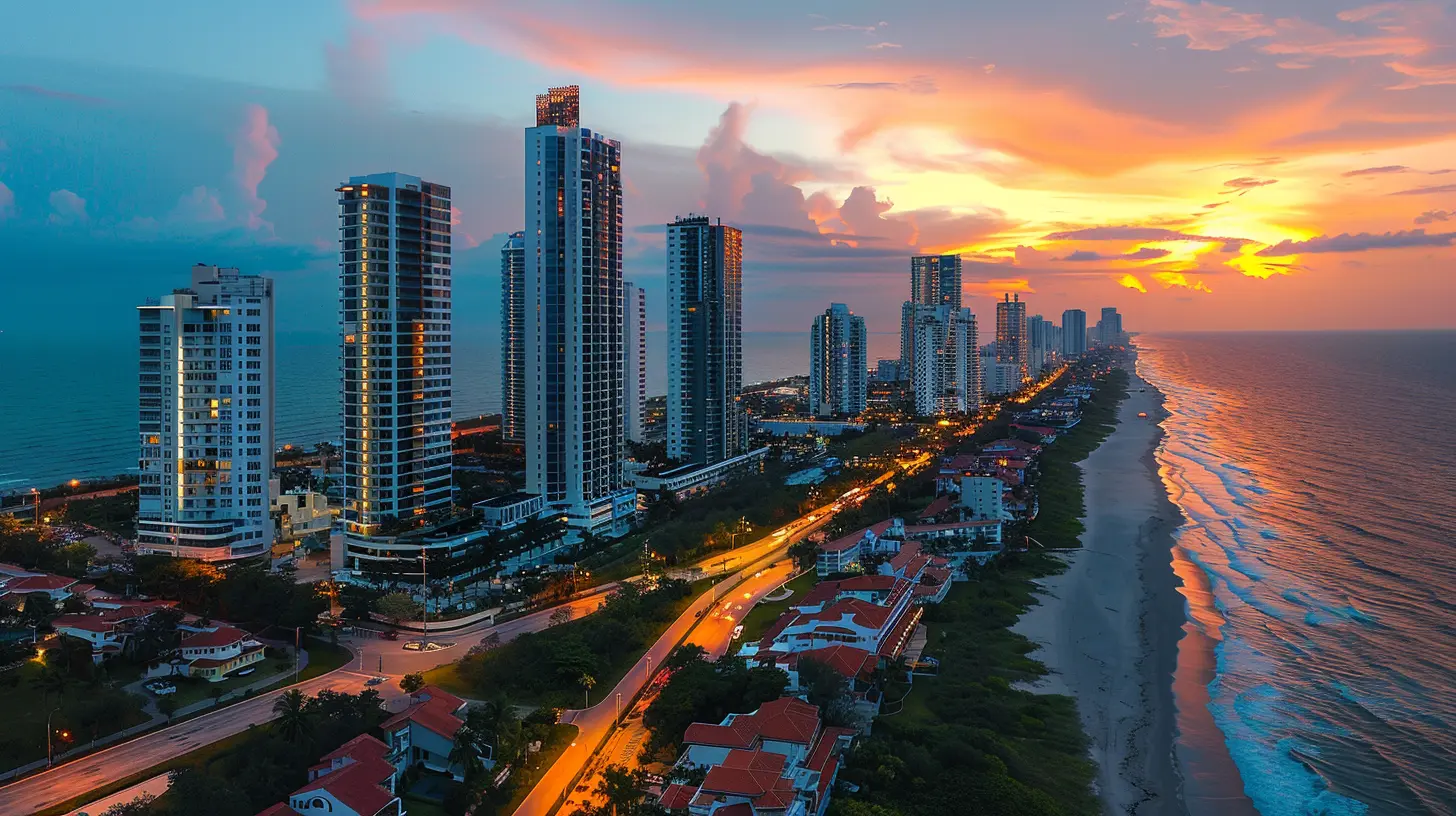
Challenges Foreign Investors Face
Investing in CRE is not always smooth sailing. Despite the benefits, there are several hurdles that foreign investors must navigate.1. Regulatory Restrictions
Many countries impose strict property laws on foreign investors. Some nations limit the types of properties foreign buyers can own, while others enforce higher taxes or additional bureaucratic hoops.2. Currency Exchange Risks
Fluctuating exchange rates can eat into profits. Investing in a country where the currency weakens over time could mean lower returns when converting funds back home.3. Political & Economic Instability
Uncertain political climates and economic downturns can impact property markets. For instance, trade tensions, government policy shifts, or financial crises can make foreign investments riskier.4. Property Management & Distance Factor
Owning real estate in another country means dealing with time-zone differences, property maintenance challenges, tenant management issues, and legal requirements. Without the right local partners, things can become overwhelming.
Top Countries Attracting Foreign CRE Investments
Certain countries have become real estate investment hubs for foreign buyers. Let’s break down some of the hottest markets for commercial real estate investments.1. United States (New York, Los Angeles, Miami)
The U.S. CRE market remains a global favorite thanks to its strong economy, transparent legal system, and diverse property options.2. United Kingdom (London, Manchester)
London’s property market has long been a safe haven for global investors. Even post-Brexit, the U.K. continues to attract billions in foreign real estate capital.3. Canada (Toronto, Vancouver)
With a stable economy and investor-friendly policies, Canada remains a top contender. The demand for commercial properties, especially in office and industrial sectors, is growing.4. Australia (Sydney, Melbourne)
Australia is a rising star in the real estate world, offering high rental yields and a business-friendly environment.5. Dubai, UAE
Dubai’s commercial sector has boomed, thanks to business-friendly regulations, a tax-free environment, and a prime location connecting Europe, Asia, and Africa.Key Strategies for Foreign Investors
If you're considering dipping your toes into foreign commercial real estate, it's critical to have a solid strategy. Here are a few must-know tips:1. Understand Local Laws & Regulations
Real estate rules vary significantly from country to country. Before investing, ensure you understand property ownership rights, tax implications, and capital repatriation policies.2. Partner with Local Experts
Having a local real estate agent, attorney, or property manager is crucial. They can provide valuable insight, help with property management, and ensure compliance with local regulations.3. Consider REITs & Investment Funds
If buying property outright seems too risky, consider investing in Real Estate Investment Trusts (REITs) or property funds, which allow you to invest in commercial real estate without directly owning buildings.4. Analyze Market Trends & Economic Conditions
A smart investor always studies the market before making a purchase. Keep an eye on vacancy rates, rental yields, and economic trends in your target country.5. Secure Financing & Hedge Against Currency Risks
Understanding financing options in a foreign nation is key. Some countries offer mortgage options to foreign investors, while others require full upfront payment. Also, consider hedging strategies to minimize currency risk.Future Outlook: What to Expect in the Coming Years?
The future of foreign investment in commercial real estate looks promising, but there are a few factors to watch:- Technology & AI Impact
Automation is changing how properties are managed and valued. Smart buildings equipped with AI-driven systems are poised to become the norm.- Geopolitical Uncertainty
Trade policies, diplomatic relations, and global conflicts will continue to influence investment flows.- Sustainability-Driven Investments
Green finance and carbon-neutral buildings are becoming a primary focus. Investors seeking properties with sustainable features will likely see the best long-term gains.Final Thoughts
Foreign investment in commercial real estate isn't just a trend—it's a long-term strategy for wealth generation and diversification. While challenges exist, the potential rewards make it a worthwhile endeavor. Whether you’re looking to buy an office space in New York, an industrial warehouse in Germany, or a resort in Bali, understanding the local market, regulations, and economic indicators is key to making a successful investment.If you're planning to invest abroad, do your homework, consult experts, and always stay informed—because in the world of real estate, knowledge truly is power.
all images in this post were generated using AI tools
Category:
Commercial Real EstateAuthor:

Basil Horne
Discussion
rate this article
2 comments
Yvonne Thornton
Great insights on foreign investment trends in commercial real estate. Thanks!
January 22, 2026 at 12:45 PM
Basil Horne
Thank you! I'm glad you found the insights valuable.
Derek McGuire
Great insights! It's fascinating to see how foreign investment shapes the commercial real estate landscape. Understanding these dynamics is crucial for making informed decisions in today's market. Thank you for sharing!
January 7, 2026 at 4:17 AM
Basil Horne
Thank you! I'm glad you found the insights valuable. Understanding these dynamics is indeed essential for navigating today's market.