The Shift Towards Smart Homes and Integrated Technology Design
19 February 2026
Technology has transformed the way we live, work, and even interact with our homes. With the rise of smart homes and integrated technology, we’re witnessing a shift that’s redefining modern living. From voice-controlled lighting to AI-powered security systems, the future of home design is here—and it’s smarter than ever.
So, what exactly is driving this movement? And how can homeowners make the most of it? Let’s dive into the exciting world of smart homes and see why technology isn’t just a luxury anymore—it’s becoming a necessity.
What Is a Smart Home?
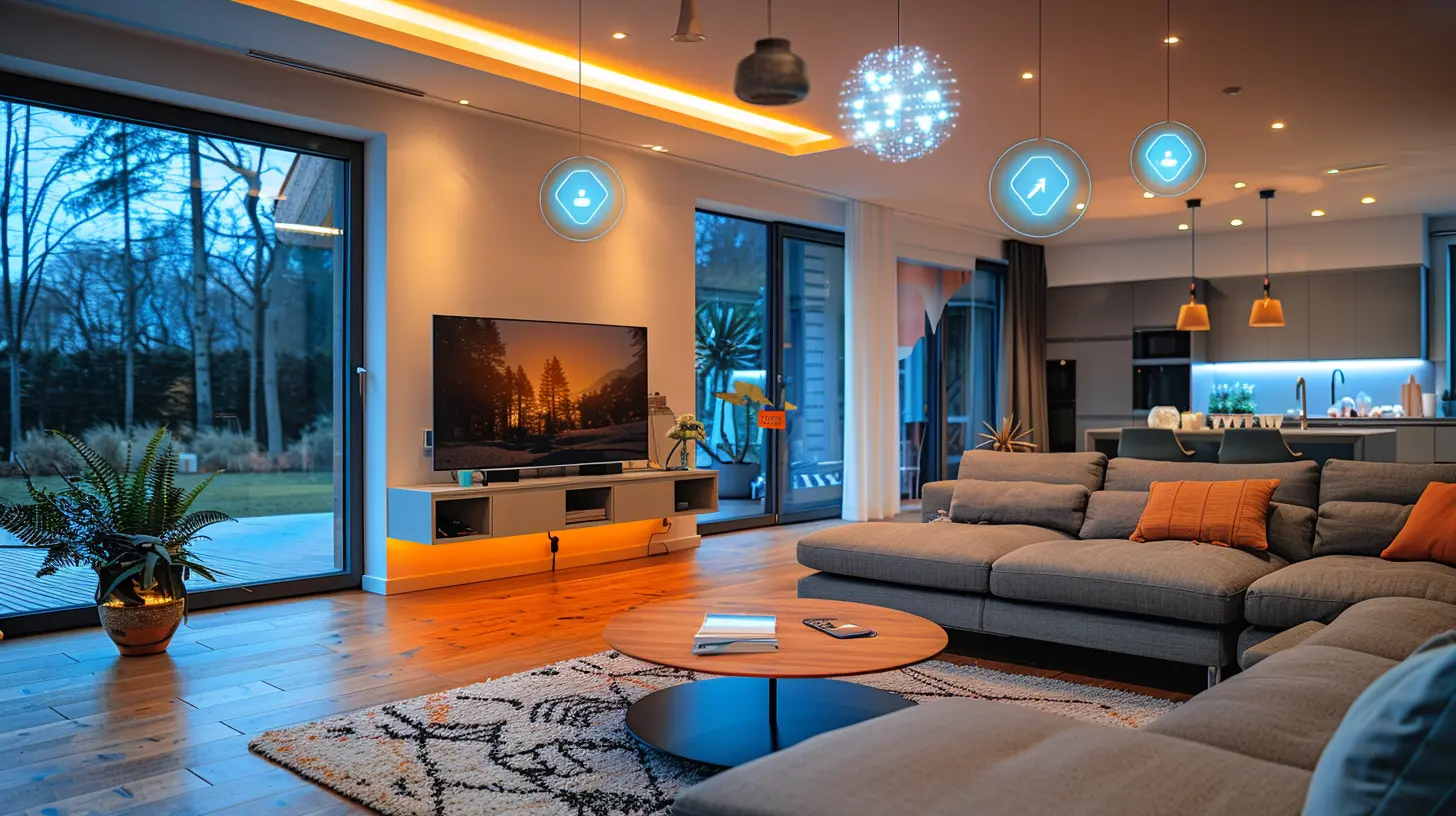
A smart home is more than just a house with fancy gadgets. It’s a fully connected ecosystem where devices and appliances communicate with each other to enhance convenience, security, and efficiency. Whether it’s adjusting the thermostat from your phone or using voice commands to lock your doors, smart homes make everyday life easier and more intuitive.At its core, a smart home integrates various technologies—such as artificial intelligence (AI), the Internet of Things (IoT), and automation—to create a seamless, efficient, and personalized experience for homeowners.
Why Are Smart Homes Becoming So Popular?
The demand for smart homes has skyrocketed in recent years, and for good reason. Here’s why more homeowners are making the switch to smart living:1. Convenience Like Never Before
Imagine waking up and, with a simple voice command, your lights turn on, the coffee maker starts brewing, and your favorite morning playlist begins playing. Sounds like something from a sci-fi movie, right? Well, smart homes make this a reality.With automation, homeowners can control lighting, temperature, security, and even kitchen appliances from their smartphones or voice assistants. The result? A home that practically takes care of itself.
2. Enhanced Security and Safety
Home security is a top priority for most homeowners, and smart technology is making it easier than ever to keep homes safe. From AI-powered cameras that recognize faces to doorbell cameras with real-time alerts, smart security systems provide a sense of control and peace of mind.Plus, with features like remote access, you can lock and unlock your doors, monitor live video feeds, and receive alerts—all from your phone. Whether you’re at work or on vacation, you can always keep an eye on your home.
3. Energy Efficiency and Cost Savings
Who doesn’t love saving money on utility bills? Smart homes are designed to optimize energy use, which means lower electricity and water bills. Smart thermostats, for example, learn your schedule and adjust the temperature accordingly, ensuring you don’t waste energy when no one is home.Similarly, smart lighting systems can be programmed to turn off when a room is empty, and smart water heaters can optimize usage based on your habits—all leading to significant cost savings over time.
4. Increased Property Value
Smart home features aren’t just about convenience—they also add value to your property. Buyers today are looking for homes that are tech-savvy and energy-efficient. In fact, having smart home upgrades can make your property stand out in a competitive real estate market.Incorporating smart technology into your home design isn’t just about keeping up with trends; it’s an investment that can pay off when it’s time to sell.
Key Technologies Powering Smart Homes
The backbone of smart homes is, of course, technology. But what makes it all work? Here are some of the main innovations driving the shift toward smarter living:1. The Internet of Things (IoT)
At the heart of smart homes is IoT—the technology that allows devices to connect and communicate with each other via the internet. From smart refrigerators that notify you when you’re out of milk to voice assistants that control multiple smart devices, IoT is what makes automation possible.2. Artificial Intelligence (AI) and Machine Learning
AI is making smart homes even smarter. Devices powered by machine learning can adapt to your behavior over time. For instance, smart thermostats learn your preferred temperature settings, and AI-driven security cameras can differentiate between family members and strangers.The more you use these devices, the better they understand your habits, personalizing your home experience for maximum comfort and efficiency.
3. Voice Assistants and Smart Speakers
Voice-controlled devices like Amazon Alexa, Google Assistant, and Apple’s Siri are the face of smart homes. With simple voice commands, you can control lighting, play music, set reminders, and even order groceries.These smart assistants act as a control hub, linking multiple devices together for a seamless user experience.
4. Smart Home Hubs and Automation Systems
For homeowners who want full control over their smart devices, home hubs like Samsung SmartThings or Apple HomeKit provide centralized automation. These systems allow various devices to work together—so you can set up routines like “Good Night” mode, which automatically locks doors, turns off lights, and adjusts the thermostat.5. 5G and Faster Connectivity
With the rollout of 5G, smart home connectivity is getting even better. Faster internet speeds mean real-time data processing, enabling quicker responses from smart devices. Lag and slow automation will soon be a thing of the past.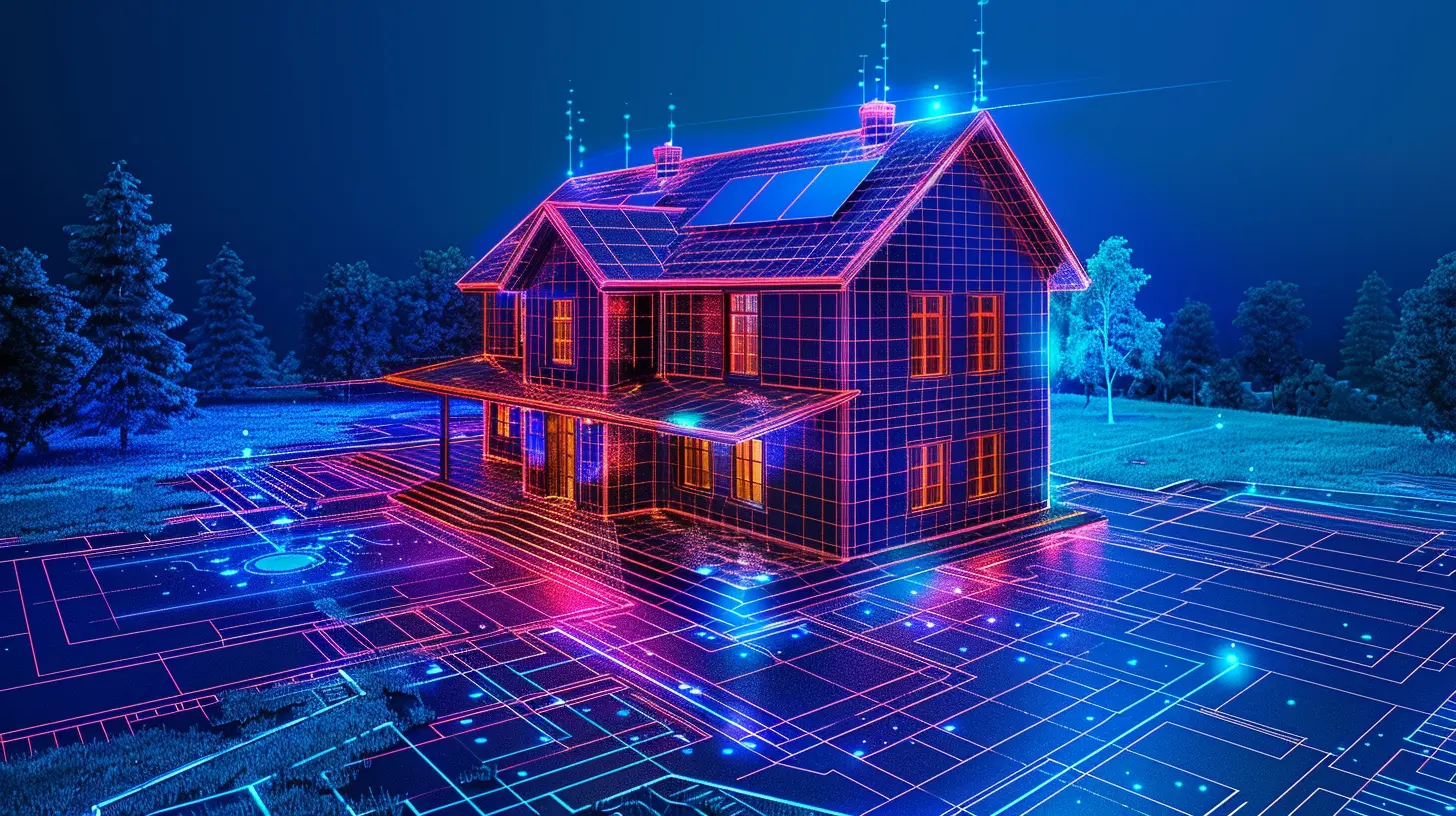
Designing Homes with Smart Technology in Mind
As smart homes become the new norm, architects and designers are incorporating technology into the very foundation of home design. Instead of retrofitting homes with smart tools, new homes are being built with integrated systems from the start.1. Built-In Smart Wiring and Connectivity
A truly smart home requires a strong network foundation. Builders are now incorporating integrated wiring, ensuring seamless connectivity across all smart devices. This eliminates the reliability issues often associated with Wi-Fi-dependent gadgets.2. Energy-Efficient and Sustainable Designs
Smart home design goes hand in hand with sustainability. Homes are being built with smart insulation, solar panel integration, and energy-efficient materials—all of which work in tandem with IoT-connected devices to minimize waste and maximize efficiency.3. Automated Climate Control and Smart Windows
Imagine windows that tint automatically based on sunlight exposure or climate control systems that adjust based on real-time weather conditions. These smart designs not only enhance comfort but also reduce energy consumption.4. Seamless Indoor-Outdoor Integration
Modern smart homes are designed to blend indoor and outdoor living effortlessly. Smart patio lighting, automated irrigation systems, and outdoor entertainment setups all enhance the experience, creating a cohesive and tech-friendly home environment.The Future of Smart Homes
With technology evolving at a rapid pace, the future of smart homes is limitless. Here are a few trends that will shape the coming years:1. AI-Powered Personal Assistants
The future of smart homes will see even more advanced AI assistants that can anticipate needs before homeowners even make a request. Imagine lights that dim automatically when you start watching a movie or a kitchen that suggests recipes based on what’s in your fridge.2. Fully Autonomous Homes
Experts predict that homes will eventually become fully autonomous—managing security, climate, lighting, and appliances without human input. This means homes that adapt in real time, delivering an even more personalized experience.3. Augmented Reality (AR) and Virtual Reality (VR) Integration
AR and VR could soon play a big role in home design, allowing homeowners to visualize changes before making renovations, or even interact with virtual assistants in a more immersive way.4. Health and Wellness Integration
Smart homes are also becoming health-conscious. Future designs may include AI-driven air filtration systems, smart beds that monitor sleep quality, and even fitness-tracking walls that guide workouts.
Final Thoughts
The shift towards smart homes isn’t just a passing trend—it’s the future of modern living. With technology advancing rapidly, smart homes are becoming more accessible, efficient, and valuable. Whether you’re looking to enhance convenience, improve security, or increase your home’s value, integrating smart technology into your living space is a move worth considering.So, are you ready to embrace the future of home automation? Because one thing’s for certain—smart homes aren’t just coming... they’re already here.
all images in this post were generated using AI tools
Category:
Home Design TrendsAuthor:

Basil Horne
Discussion
rate this article
2 comments
Nym McKinnon
Exciting times ahead! Embracing smart homes and integrated tech makes living more fun and convenient. 🎉🏡
March 2, 2026 at 5:27 AM
Basil Horne
Thank you! We're thrilled about the possibilities smart homes bring to improve our daily lives! 🎉🏡
Kenneth Jenkins
As the line between home and tech blurs, whispers of hidden possibilities emerge. What secrets do these smart homes hold, and how will they redefine our understanding of comfort and connection?
February 21, 2026 at 12:44 PM
Basil Horne
Smart homes are more than just convenience; they hold potential for deeper connections and personalized experiences. As we embrace this shift, we might discover new ways to enhance our lives and redefine what comfort truly means.