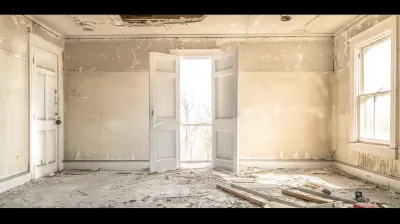
Finding the Right Fixer Upper: What to Look for at Showings
10 July 2026
So, you're thinking about buying a fixer-upper? That’s exciting! There’s something incredibly rewarding about turning a worn-down house into your dream home (or a profitable investment). But before you start imagining sledgehammering walls and picking out paint colors, you need to find the right fixer-upper to begin with.
Not all fixer-uppers are worth the time, money, and stress. Some might just be ticking time bombs wrapped in charming curb appeal, waiting to drain your bank account. That’s why knowing what to look for at showings is crucial. Let’s break down exactly what you should keep an eye on when touring potential fixer-upper properties. 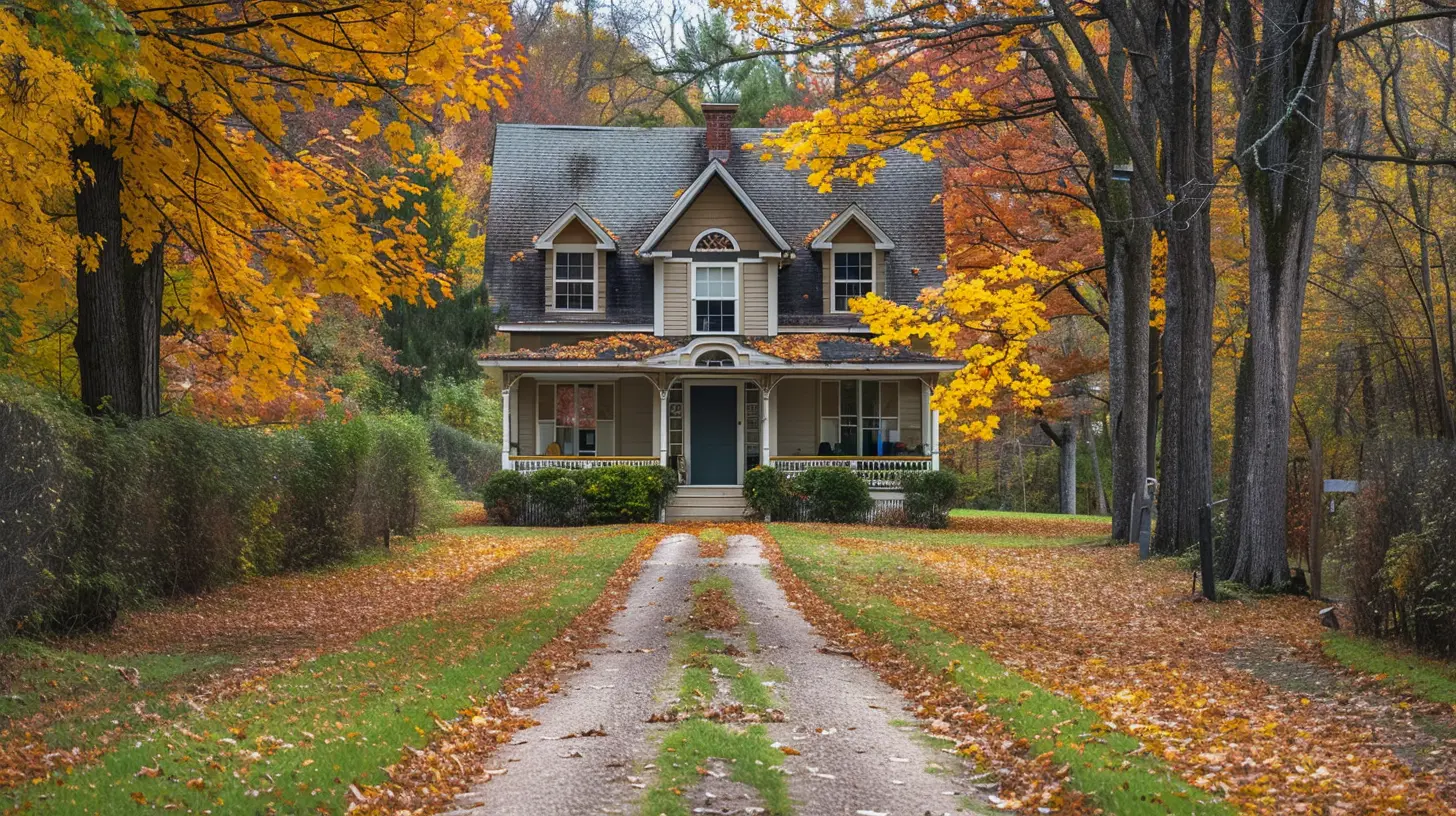
1. Location, Location, Location (Yes, It Matters Even for Fixer-Uppers)
You can change almost everything about a house—except for where it’s located. A fixer-upper in a bad neighborhood? That’s a risky gamble. One in an up-and-coming area with rising home values? Now, that’s potential gold.Here’s what to consider:
- Check out the crime rates, school districts, and local amenities like parks, grocery stores, and public transportation.
- Look at nearby homes—are they well-maintained? If neighbors take care of their properties, it’s a good sign.
- Research property appreciation trends. A cheap home won’t mean much if the area is declining in value.
Think long-term. You can renovate a house, but you can’t renovate an entire neighborhood. 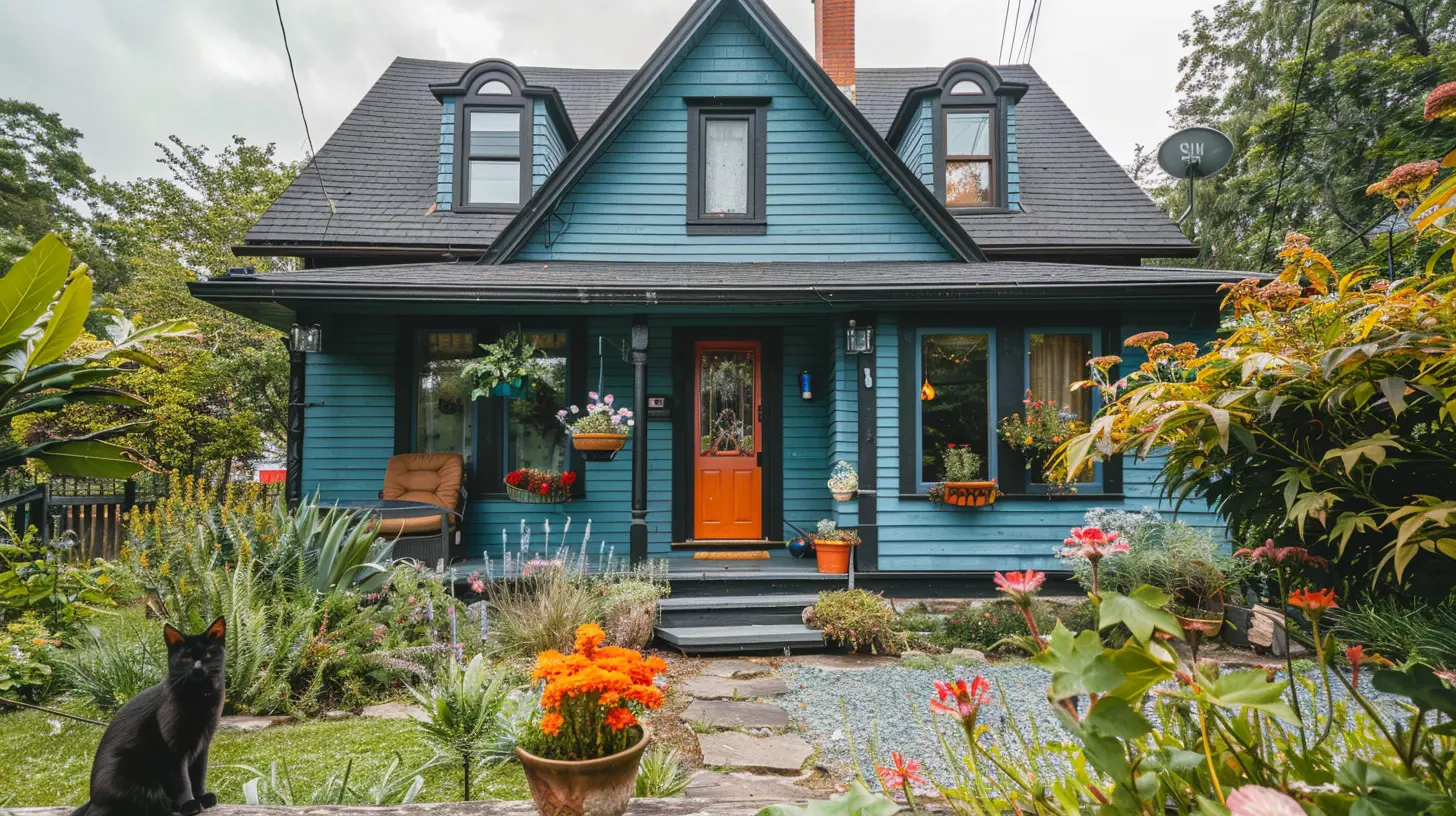
2. The Bones of the Home: What’s Hiding Beneath the Surface?
A fixer-upper with good bones is a dream. One with a crumbling foundation? That’s a money pit. Here’s what you need to check:Foundation & Structural Integrity
- Look for cracks in the foundation—small ones might be normal, but big ones can be a sign of serious structural issues.- Do the floors feel uneven or slanted? That could point to foundation problems.
- Inspect the basement or crawl space for water damage, mold, or musty smells.
Roof Condition
- A roof replacement can be pricey. Check for missing or curled shingles, water stains on ceilings, and leaks in the attic.- If it looks questionable, ask how old the roof is. Most roofs last around 20-30 years.
Framing & Walls
- Knock on walls. Hollow-sounding spots could mean hidden damage or poor renovations.- Watch for walls that bulge or bow—this could indicate structural movement.
If the home has good bones, cosmetic fixes will be much easier (and cheaper). 
3. Plumbing & Electrical Systems: The Hidden Costs
Plumbing and electrical updates can cost a fortune, so you need to evaluate these systems carefully.Plumbing Checks
- Run the faucets—if water pressure is weak, it could be a bigger issue.- Check under sinks for leaks, mold, or water damage.
- Flush toilets—slow drains could mean clogged or outdated sewer lines.
- If the home has old pipes (like galvanized steel or lead), they might need replacing.
Electrical Red Flags
- Flickering lights or old-fashioned fuse boxes instead of circuit breakers? That could mean outdated wiring.- Look for exposed wires or burn marks near outlets—these can be fire hazards.
- If outlets or light switches feel warm, that’s a serious issue.
Replacing electrical or plumbing can cost thousands, so be sure to factor this into your budget. 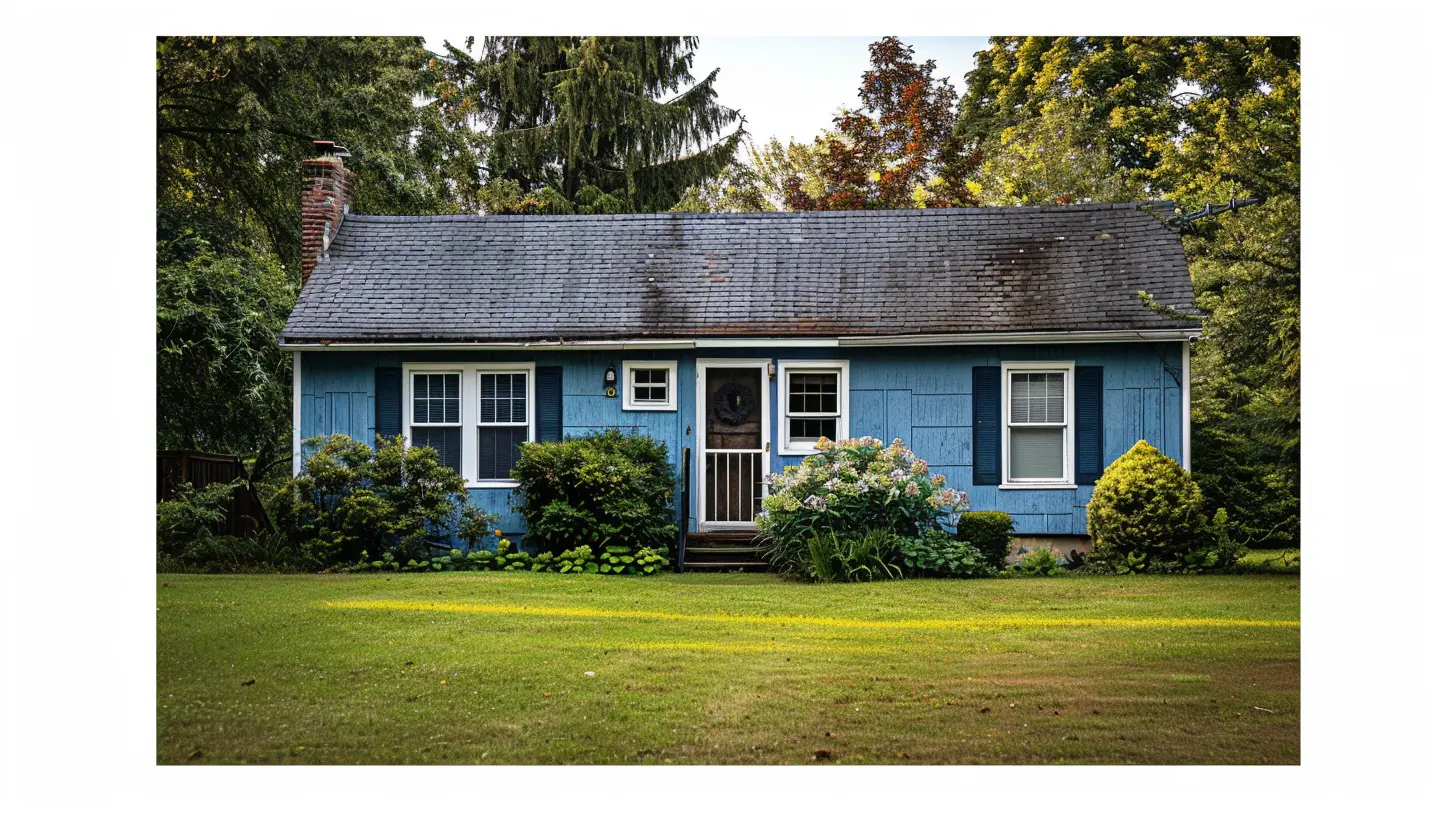
4. Signs of Water Damage and Mold
Water damage is like that one friend who always brings drama—it causes expensive repairs and future headaches. So, keep an eye out for:- Stains on walls and ceilings (especially brown spots).
- A musty smell, which usually means hidden mold.
- Warped or soft flooring near bathrooms, kitchens, or basements.
- Peeling paint or wallpaper—this can indicate underlying moisture issues.
If a house smells damp, trust your nose. Mold removal isn’t just expensive; it can also be a health hazard.
5. Windows, Doors, and Insulation: Will You Freeze in the Winter?
Older homes often have drafty windows and doors, meaning higher energy bills. Here’s what to check:- Open and close windows and doors—do they stick or not close properly?
- Single-pane windows? They’ll need replacing.
- Poor insulation can lead to sky-high heating and cooling bills.
Energy efficiency upgrades can save you money in the long run, but they’re an added cost if the home needs major updates.
6. Layout & Overall Potential: Is it Worth the Work?
Some fixer-uppers just need new flooring and a fresh coat of paint. Others require knocking down walls and reconfiguring the entire space. Ask yourself:- Does the layout work, or would major changes be necessary?
- Is there enough natural light?
- Are there load-bearing walls that would be difficult to remove during renovations?
A home with a functional layout is easier (and cheaper) to upgrade than one requiring major structural changes.
7. The Cost of Renovations: Crunching the Numbers
Be honest—does this fixer-upper fit your budget? Renovating can be expensive, and unexpected costs always pop up.Create a Rough Budget
- Get a rough estimate of renovation costs before committing.- Factor in permits, contractor fees, and potential surprises.
- Don’t forget your time and effort—will you DIY or hire professionals?
A good rule of thumb: If the cost of the home + renovations exceeds the value of comparable homes in the area, it’s not a good investment.
8. The “Too Good to Be True” Factor: Red Flags to Watch For
Sometimes, a house is cheap for a reason. Here are a few red flags:- Strong air fresheners—are they covering up pet smells, mold, or smoke damage?
- Hasty flips—if a home was just renovated, make sure it wasn’t done cheaply to hide bigger issues.
- Multiple owners in a short period—this could indicate ongoing problems.
Trust your gut. If something feels off, dig deeper.
Final Thoughts: Is This Fixer-Upper the One?
Buying a fixer-upper can be an amazing investment—but only if you choose wisely. While cosmetic issues are easy to fix, structural problems, outdated systems, and hidden damage can turn your dream home into a financial nightmare.Before making an offer, consider getting a professional home inspection. A few hundred dollars upfront can save you thousands (and a whole lot of stress) down the road.
So, are you ready to find your perfect fixer-upper? Roll up your sleeves—it’s time to turn that diamond in the rough into a gem!
all images in this post were generated using AI tools
Category:
Fixer UppersAuthor:

Basil Horne
Discussion
rate this article
1 comments
Bailey McAnally
Consider location and potential, not just cosmetic flaws at showings.
July 20, 2026 at 1:00 PM
Basil Horne
You're spot on. Focusing on location and potential can lead to great opportunities, even if the property needs some work.