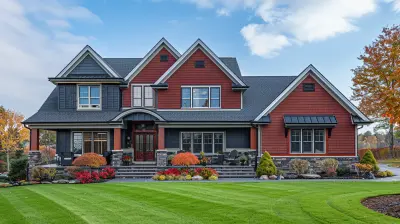
How to Match Your Fixer Upper Renovation with Local Market Trends
22 June 2026
Fixing up a home is an adventure—one that requires vision, strategy, and a little (okay, a lot of) elbow grease. But here's the deal: not all fixer-upper projects are created equal. If you're diving into renovations without considering local market trends, you might be setting yourself up for a tough sell—or worse, a financial setback.
So, how do you ensure your upgrades are in sync with what buyers want? Simple. You need to align your renovations with current market demands in your area. Let's break down how to do just that! 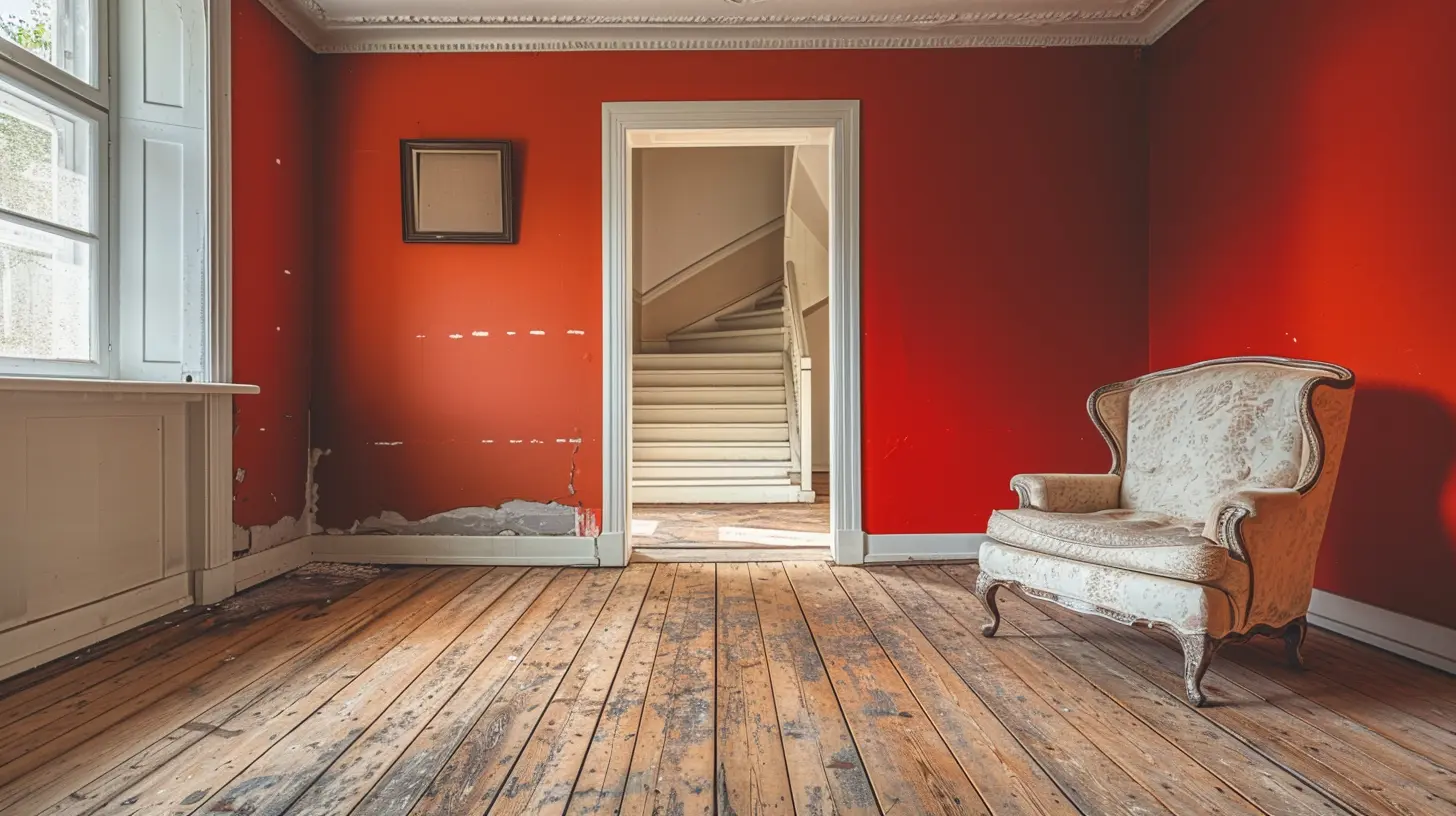
1. Understand Your Local Real Estate Market
Before you start knocking down walls or picking out backsplash tiles, do some homework. The market is constantly shifting, and buyer preferences in one area might be completely different from those in another.How to Research Your Local Market Trends
- Talk to Real Estate Agents: They have firsthand knowledge of what buyers are looking for.- Check Local Listings: Browse online real estate platforms to identify popular design styles in recently sold homes.
- Attend Open Houses: See the competition firsthand and note what features stand out.
- Look at Market Reports: Websites like Zillow, Realtor.com, and local government reports provide pricing trends and buyer demands.
Once you have a clear understanding of what people want, you can move forward with renovations that actually add value. 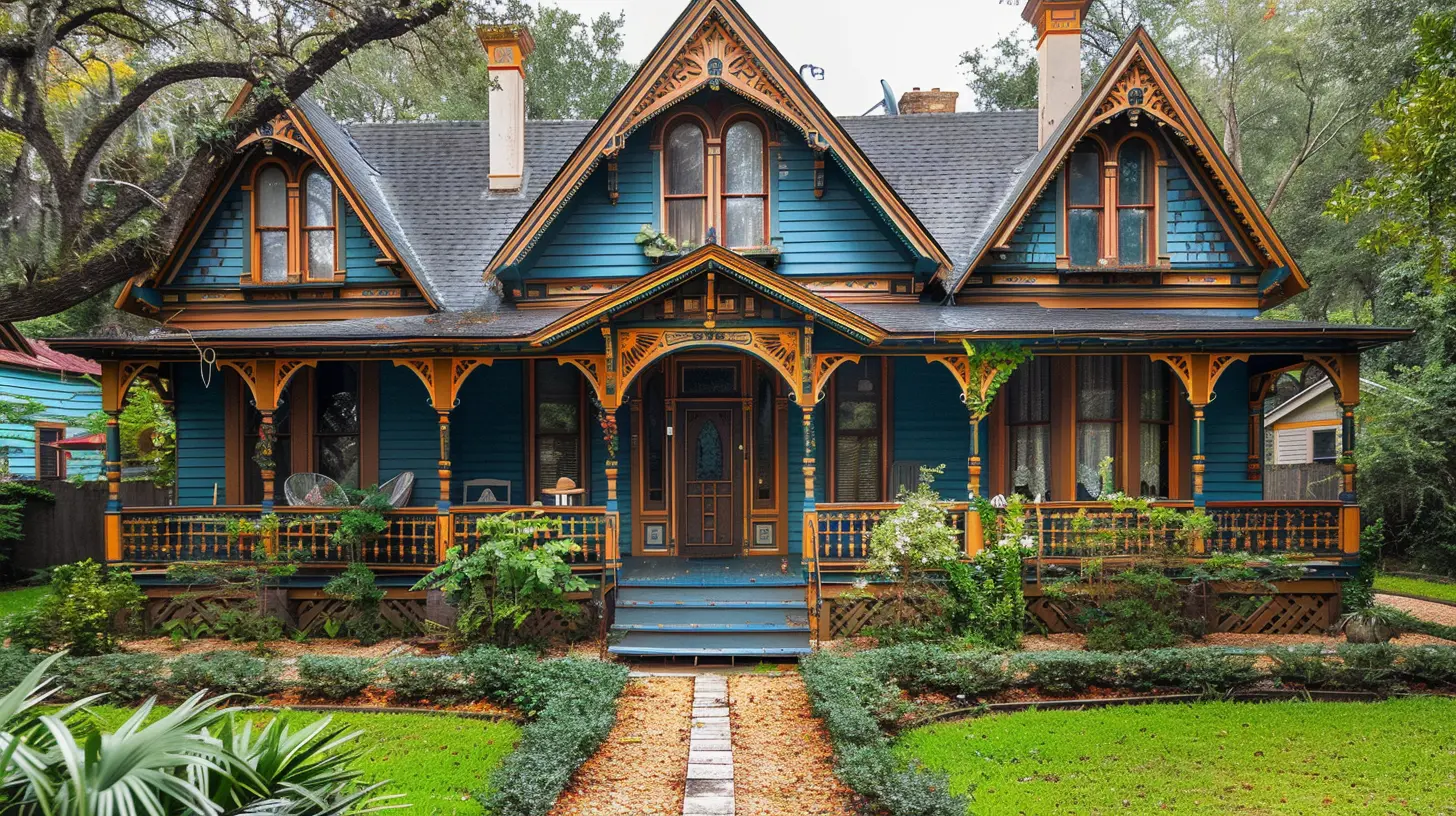
2. Focus on High-ROI Renovations
Not all renovations are worth the investment. If you put money into the wrong upgrades, you could end up losing more than you gain. Instead, prioritize projects that provide the best return on investment (ROI).Improvements That Typically Resonate with Buyers
- Kitchen Upgrades: Modern, functional, and stylish kitchens always attract buyers.- Bathroom Remodels: Fresh tiles, updated vanities, and better lighting make a big impact.
- Energy-Efficient Updates: Smart thermostats, new insulation, and energy-efficient windows are hot selling points.
- Curb Appeal Boosts: First impressions matter! Landscaping, fresh paint, and a new front door can work wonders.
Remember, flashy upgrades might seem appealing, but if they aren't in demand in your market, they could be a waste of money. 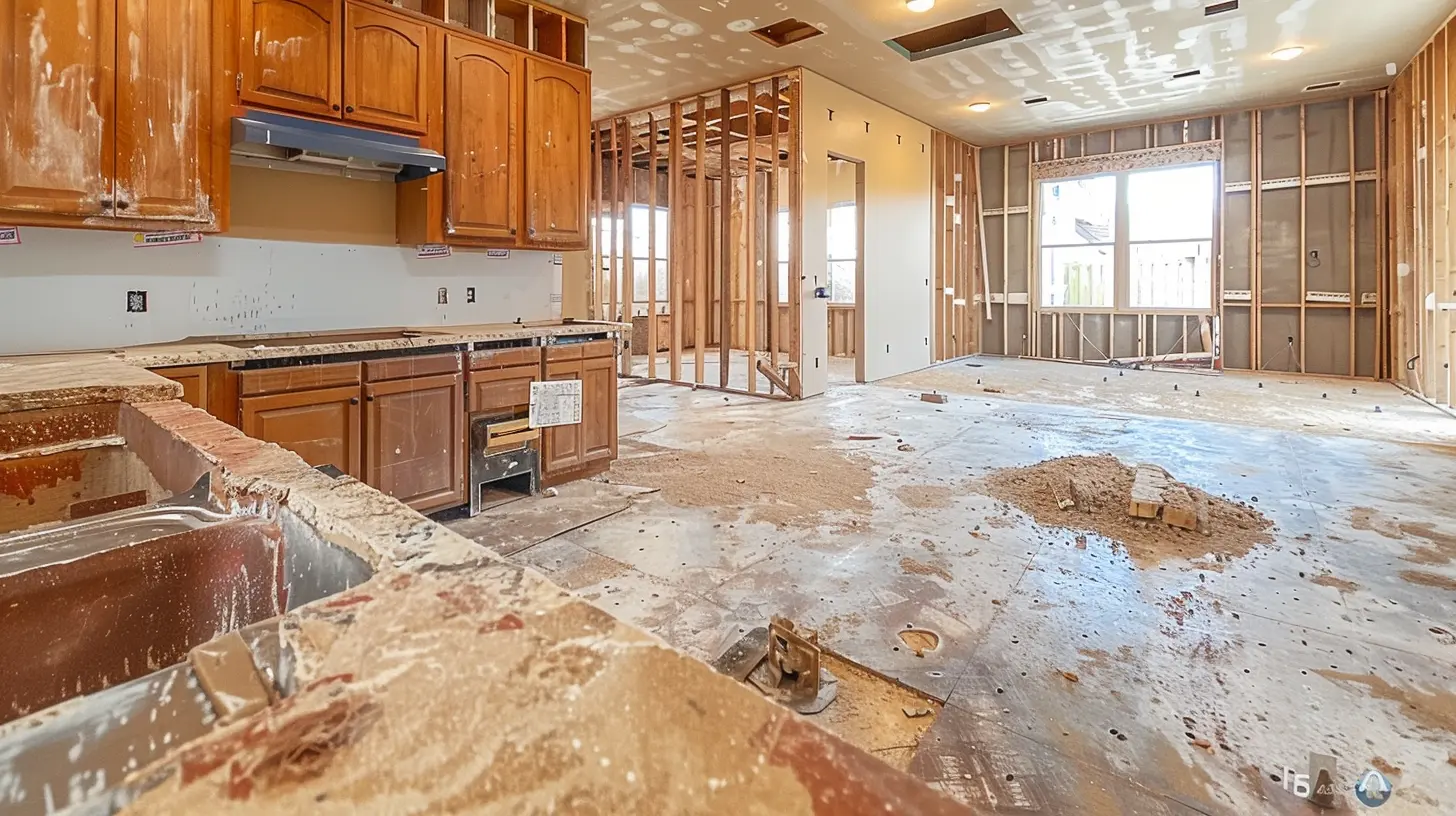
3. Match the Neighborhood's Aesthetic
You might love ultra-modern finishes, but if your fixer-upper is in a historic district filled with charming Craftsman homes, a sleek, contemporary renovation might feel out of place. And when a home doesn’t "fit in," it can be harder to sell.How to Stay in Sync with the Area
- Look at Nearby Homes: See what architectural and design elements are popular.- Stick to a Cohesive Style: If your neighborhood has a traditional feel, maintain some classic elements to match.
- Don't Over-Upgrade: A home renovated far beyond the neighborhood standard might not get the return you expect.
It's all about balance—enhancing the home while ensuring it still blends with its surroundings. 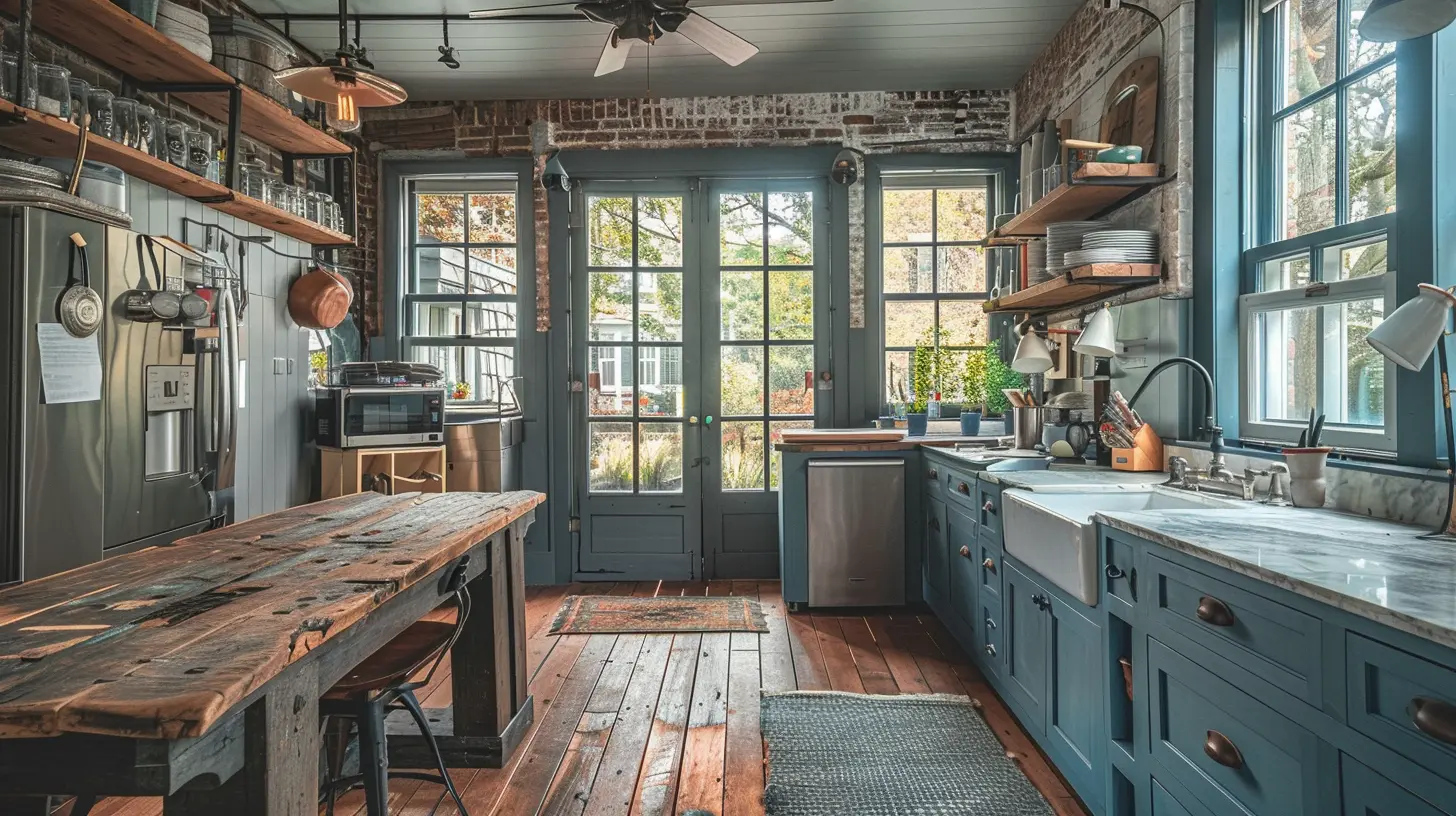
4. Consider Target Buyer Demographics
Who’s likely to buy your home once it’s renovated? A young professional? A growing family? Retirees? Understanding your future buyers helps guide renovation choices.Tailoring Upgrades to Buyers’ Needs
- Young Professionals: Think open-concept layouts, smart home features, and modern touches.- Families: Extra storage, multiple bathrooms, and a functional backyard space are key.
- Retirees: Single-story living, low-maintenance materials, and accessible designs (like wider doorways) add appeal.
By catering to your target demographic, you can create a home that feels move-in ready—something buyers will love.
5. Stick to a Realistic Budget
Renovation budgets can spiral out of control fast. While you want to add value, you don’t want to spend more than what you’ll get back when selling.Budgeting Tips for a Profitable Fixer-Upper
- Set a Maximum Spending Limit: Typically, you shouldn’t invest more than 10-20% of the home's value in renovations.- Prioritize Essential Fixes First: Structural issues (like roofing or foundation repairs) should come before cosmetic upgrades.
- Get Multiple Quotes: Don’t hire the first contractor you find—compare prices to find the best deal.
- Prepare for Surprises: Always set aside at least 10-15% of your budget for unexpected costs (because they will happen).
A well-planned budget keeps your renovation on track and prevents financial headaches down the line.
6. Incorporate Trending, Yet Timeless, Designs
Trendy renovations can make a home feel fresh and updated, but go too far, and your home might feel outdated just a year later. The key? Balance timeless appeal with modern touches.Popular Trends to Consider (Without Going Overboard)
- Neutral Color Palettes: White, gray, and earthy tones keep things classic.- Open-Concept Spaces: Open layouts continue to dominate buyer preferences.
- Sustainable Features: Eco-friendly materials and energy-efficient appliances add long-term value.
- Updated Flooring: Hardwood or high-quality vinyl flooring is a smart investment.
- Statement Lighting: Stylish fixtures can transform a space without breaking the bank.
Trends come and go, but a well-designed home stands the test of time.
7. Make Strategic Small Updates for Big Impact
Not all renovations need to be major (or expensive) to make a difference. Sometimes, small updates can create a massive transformation.Cost-Effective Upgrades That Matter
- Fresh Paint: A new coat of paint instantly brightens and modernizes spaces.- Updated Hardware: Swapping out old cabinet knobs and door handles can give a fresh look.
- Smart Home Tech: Features like smart thermostats and keyless entry systems attract tech-savvy buyers.
- Stylish Backsplash: A simple, modern backsplash can enhance a kitchen more than you’d think.
These small details can add personality and charm without draining your budget.
8. Stage for Success
Once the renovation is complete, don’t forget the finishing touch—staging. A well-staged home helps buyers visualize how they’ll live in the space, making your fixer-upper feel more inviting and desirable.Quick Staging Tips
- Declutter Everything: A clean, minimalist space allows features to shine.- Use Strategic Furniture Placement: Highlight key areas like an open-concept kitchen or cozy living space.
- Add Warmth: Soft textiles, fresh flowers, and warm lighting make a home feel welcoming.
- Enhance Curb Appeal: A neat lawn, fresh mulch, and a welcoming front porch increase buyer interest.
Staging isn’t just about aesthetics—it’s about creating an emotional connection between the buyer and the home.
Final Thoughts
Renovating a fixer-upper isn’t just about making a place look pretty—it’s about making smart, market-driven decisions that lead to a profitable sale. By staying in tune with your local market, investing in high-ROI improvements, and appealing to your target buyers, you can turn a worn-down house into a dream home that sells fast.So, before you grab that sledgehammer, take the time to research, plan, and renovate wisely. Your future buyers—and your bank account—will thank you!
all images in this post were generated using AI tools
Category:
Fixer UppersAuthor:

Basil Horne
Discussion
rate this article
1 comments
Zaren Klein
Know your market, renovate wisely.
July 22, 2026 at 12:24 PM