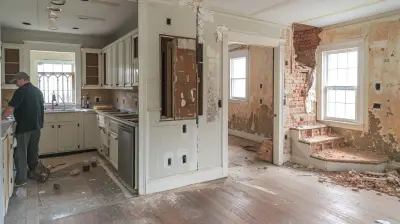
Can a Landlord Make You Pay for Repairs? Know Your Rights
17 August 2026
Renting a home comes with its fair share of responsibilities, but have you ever wondered who is responsible for repairs? Can your landlord make you foot the bill for maintenance issues? Knowing your rights as a tenant is crucial to avoid unnecessary expenses. Let’s break it down in simple terms so you know what’s fair and what’s not.
Who Is Responsible for Repairs in a Rental Property?
When you rent a home, you expect it to be in good condition. But when things break, who takes care of the costs? The responsibility for repairs usually depends on the lease agreement, state laws, and the nature of the damage.Landlord’s Responsibilities
Landlords have a legal duty to maintain a habitable living space. This typically includes:- Plumbing issues (e.g., leaky pipes, broken toilets)
- Electrical repairs (e.g., faulty wiring, power outages)
- Heating and cooling systems
- Structural problems (e.g., a leaking roof, foundation cracks)
- Pest infestations
- Broken appliances that were included in the rental agreement
In most cases, if something breaks due to normal wear and tear, it’s the landlord’s job to fix it.
Tenant’s Responsibilities
Tenants also have obligations when it comes to maintaining the rental property. Generally, you’re responsible for:- Keeping the property clean and damage-free
- Minor repairs like changing light bulbs or unclogging a drain
- Damage caused by negligence or misuse (e.g., holes in the walls, broken windows due to roughhousing)
While landlords cover major repairs, tenants must ensure they don’t cause unnecessary damage.

When Can a Landlord Make You Pay for Repairs?
Not all repairs fall on the landlord’s shoulders. There are scenarios where you might need to cover the costs. Here’s when a landlord might legally ask you to pay for repairs:1. Damage Caused by Negligence
If you fail to take care of the property and something breaks as a result, your landlord can charge you. For example:- Leaving a bathtub overflowing and causing water damage
- Ignoring minor leaks until they turn into major plumbing issues
- Breaking appliances due to improper use
2. Intentional Damage
If you or a guest intentionally damage the property, you’re responsible for the repairs. This includes:- Punching holes in the walls
- Breaking doors or windows
- Damaging flooring with spills or heavy furniture
Landlords can deduct repair costs from your security deposit or charge you directly.
3. Lease Agreement Terms
Some landlords include clauses in lease agreements that make tenants responsible for specific repairs. Always read your lease carefully—if you signed off on it, you might be legally obligated to cover those costs.4. Unauthorized Repairs
Did you fix something without your landlord’s approval? If so, the landlord may not reimburse you for the repair costs. Always get written consent before hiring a contractor or attempting repairs yourself.
What If Your Landlord Refuses to Make Repairs?
What happens if your landlord ignores necessary repairs? You don’t have to live in unsafe conditions. Depending on your state, you may have options:1. Notify Your Landlord in Writing
Always request repairs in writing—emails or certified letters work best. This creates a paper trail in case you need legal backup.2. Use the “Repair and Deduct” Option
Some states allow tenants to fix issues themselves and deduct the cost from rent. However, check your local laws first, as this doesn’t apply everywhere.3. Withhold Rent
If your unit is uninhabitable (e.g., no heat, severe leaks), some states allow you to withhold rent until the landlord makes repairs. Be sure to follow your state's legal process to avoid eviction.4. Report the Issue to Local Authorities
If your landlord refuses to fix major health or safety hazards, contact your local housing authority. They can issue fines or force the landlord to make repairs.5. Take Legal Action
As a last resort, you can sue your landlord for failing to maintain the property. While this can be a hassle, it may be necessary if your safety is at risk.
How to Protect Yourself as a Tenant
No one wants to deal with surprise repair costs. Here are some ways to protect yourself:1. Read Your Lease Carefully
Before signing, make sure the lease clearly states who is responsible for repairs. If anything seems unfair, negotiate with the landlord before moving in.2. Document Everything
Take photos and videos of the property before moving in. If an issue arises, documentation can serve as proof that you didn’t cause the damage.3. Report Issues Immediately
The sooner you notify your landlord about an issue, the less likely it is to turn into a costly problem.4. Know Your State Laws
Tenant rights vary by state. Research local housing laws to understand your responsibilities and protect yourself from unfair charges.Final Thoughts
So, can a landlord make you pay for repairs? It depends. If the damage is due to normal wear and tear, the landlord is responsible. If it results from negligence or misuse, you might have to cover the costs. The key is to know your lease terms, document issues, and act fast when repairs are needed. Tenants and landlords both have responsibilities—understanding them can save you money and stress down the road.all images in this post were generated using AI tools
Category:
Tenants RightsAuthor:

Basil Horne
Discussion
rate this article
2 comments
Quinn Spencer
This article provides valuable insights into tenant rights regarding repair costs. It's essential for renters to understand their responsibilities and the landlord's obligations. Clear communication is key in these situations. Thanks for shedding light on such an important topic that affects many people in the rental market.
August 18, 2026 at 3:53 AM
Basil Horne
Thank you for your thoughtful comment! I'm glad you found the insights helpful. Understanding tenant rights is crucial for everyone in the rental market.
Selkie Stewart
Great article! It's so important for renters to know their rights regarding repairs. Understanding responsibilities can really help avoid conflicts and ensure a smooth rental experience... Thanks for sharing!
August 17, 2026 at 2:28 AM
Basil Horne
Thank you! I'm glad you found it helpful. Knowing your rights can really make a difference in a rental situation.