How Rising Interest Rates Will Challenge Homebuyers in 2027
25 April 2026
So, you’ve been dreaming of that white picket fence, a backyard big enough for a dog, and a kitchen where you can finally perfect your sourdough starter. But here’s the plot twist: 2027 is knocking, and it’s bringing rising interest rates along for the ride. If you’ve been scrolling through real estate apps, you’ve probably felt a knot in your stomach. Don’t worry—you’re not alone. Let’s grab a coffee (or tea, no judgment) and unpack what’s really happening. I’m going to break this down like we’re chatting over the kitchen counter, no jargon bombs, just straight talk. Because by the end of this, you’ll not only understand the challenge—you’ll have a game plan.
The Interest Rate Rollercoaster: Buckle Up, 2027 Is a Steep Drop
Picture this: you’re at an amusement park, and you’ve just strapped into the “Mortgage Mountain” ride. The climb was slow in 2024 and 2025, but now, in 2027, the drop is real. Interest rates aren’t just a number on a screen; they’re the invisible hand that decides whether your monthly payment feels like a gentle pinch or a full-on bear hug. In 2027, experts predict rates could hover around 7% to 8%—maybe higher if inflation gets cranky. Why? Because the Federal Reserve is still fighting a hangover from pandemic-era spending, and they’re using rate hikes like a cold shower to cool things down.For you, the homebuyer, this means your buying power shrinks faster than a wool sweater in hot water. Let’s do some quick math (I promise, no calculators required). A $400,000 home with a 6% rate might cost you about $2,400 a month. Crank that to 8%, and you’re looking at $2,935. That’s over $500 more each month—for the same house! Suddenly, that cozy bungalow feels like a luxury condo. But here’s the kicker: you’re not alone in this squeeze. Sellers are feeling it too, because they’re stuck in their own low-rate mortgages from 2020 and 2021. Why would they sell and trade a 3% rate for an 8% one? It’s like swapping a warm blanket for a wet towel. So inventory stays tight, and prices stay stubborn. It’s a perfect storm, but we’re going to navigate it together.
Why Your Dream Home Now Comes With a Side of Sticker Shock
Remember when you could walk into an open house and feel like a VIP? In 2027, that vibe shifts. Rising interest rates don’t just affect your monthly payment—they mess with the entire psychology of buying. You might see a house listed for $450,000 and think, “That’s doable.” But then your lender runs the numbers, and suddenly the payment is $3,200 a month. Your brain does a double take. “Wait, I could rent a penthouse for that!” And you’re right—renting might look tempting. But here’s the thing: rent prices are also climbing because landlords are passing their higher costs to you. It’s like trying to outrun a wave in a swimming pool; you can’t escape the current.The challenge here is emotional. You’re comparing today’s rates to the historic lows of 2020-2021, when people were locking in 2.65% mortgages. That’s like comparing a vintage wine to boxed juice—both get the job done, but one feels a lot fancier. In 2027, the “good old days” are gone, but that doesn’t mean the party’s over. It just means you have to recalibrate your expectations. Maybe that five-bedroom monster isn’t the starter home you need. Maybe a three-bedroom fixer-upper with good bones is your new best friend. The key is to stop mourning the past and start strategizing for the present.
The Affordability Squeeze: How Rates Squeeze Your Budget Like a Lemon
Let’s get real about the numbers, because they’re the backbone of this whole story. In 2027, your mortgage payment isn’t just about the principal and interest—it’s about property taxes, insurance, and maybe HOA fees. Rising rates amplify everything. Think of your budget as a sponge. When rates are low, the sponge is dry and can soak up a lot. When rates rise, that sponge is already wet, and any extra drop—like a higher tax bill or a surprise repair—squeezes out your financial cushion.Here’s a concrete example: Say you earn $100,000 a year. A lender might approve you for a $400,000 loan at 6%. At 8%, that same lender might only approve you for $350,000. That’s a $50,000 drop in buying power. So you’re suddenly looking at smaller homes, older homes, or homes in less trendy neighborhoods. It’s not a failure—it’s a reality check. And it’s happening to thousands of buyers across the country. The trick is to not panic. Instead, get pre-approved early (like, yesterday) so you know exactly where you stand. Then, focus on what you can control: your down payment, your credit score, and your debt-to-income ratio. These are the levers you can pull to offset the rate pain.
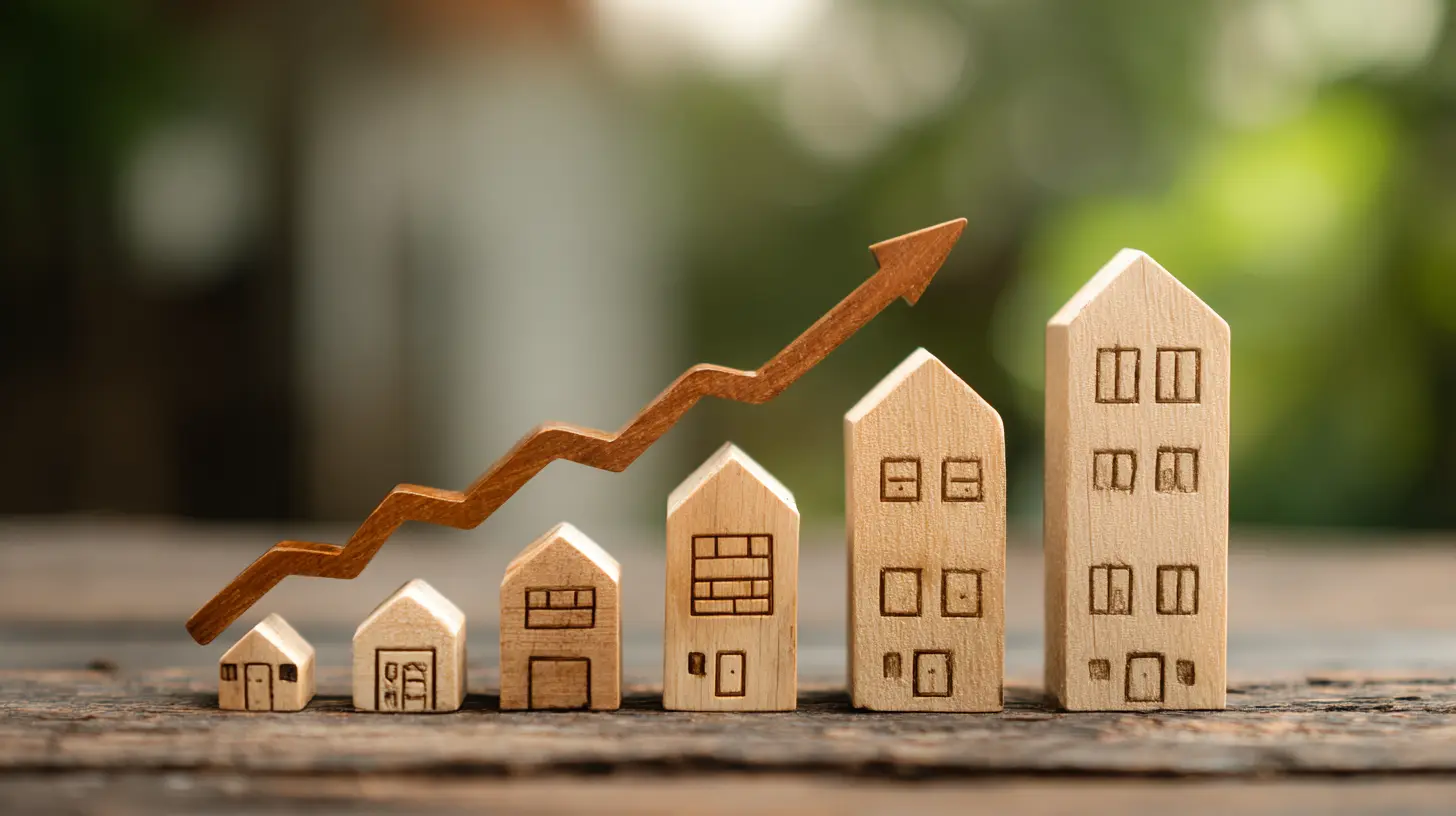
The Inventory Paradox: Why There Are Fewer Houses to Choose From
Here’s a mind-bender: rising rates actually make inventory worse. I know, it sounds backward. You’d think higher rates would scare buyers away and force sellers to drop prices, right? Wrong. In 2027, many homeowners are “rate-locked.” They bought or refinanced when rates were 2-3%, and they’re not about to give that up. Selling would mean buying a new home at 7-8%, which is financial suicide for most. So they stay put, and the market gets clogged with fewer listings.This creates a weird dynamic: you have fewer options, but the ones that do hit the market get multiple offers. It’s like a Black Friday sale where only three TVs are available, and everyone’s fighting for them. Sellers know they have leverage, so they’re less likely to negotiate. You might find yourself in a bidding war, offering over asking price just to get your foot in the door. And with higher rates, that extra $20,000 you bid feels even heavier. But don’t lose hope—this is where a good real estate agent becomes your superhero. They can help you find off-market deals, expired listings, or homes that need a little TLC (translation: less competition, more value).
The Ripple Effect on First-Time Buyers: You’re Not Imagining the Struggle
If you’re a first-time homebuyer in 2027, I see you. You’ve been saving for years, skipping avocado toast, and living with roommates past the point of sanity. And now, rising rates feel like a personal attack. It’s frustrating, I know. You’re competing against cash buyers, investors, and people who have equity from a previous home. It’s like showing up to a marathon with flip-flops while everyone else has carbon-fiber shoes.But here’s the encouraging part: you have something they don’t—time. You’re not in a rush to sell a house; you’re building your first nest. And in 2027, there are programs designed for you. FHA loans, USDA loans, and down payment assistance programs are still around, and some even offer rate buydowns. What’s a rate buydown? It’s when you (or the seller) pay a lump sum upfront to lower your interest rate for the first few years. For example, you could buy your rate down from 8% to 6% for year one, then 7% for year two, then it resets. It’s like a financial trampoline—it gives you a soft landing while you get your footing. Talk to a lender about these options; they’re not as scary as they sound.
Creative Financing: Your Secret Weapon Against High Rates
Let’s get tactical. In 2027, you can’t just walk into a bank and expect a sweet deal. You have to get creative. Think of financing like a puzzle—there’s more than one way to fit the pieces together. One option is an adjustable-rate mortgage (ARM). I know, ARMs got a bad rap after 2008, but they’ve changed. In 2027, a 5/1 ARM might start at 6% and adjust after five years. If you plan to move or refinance before then, it’s a smart play. It’s like leasing a car instead of buying it—you get lower payments now, and you’ll deal with the future later.Another trick: ask the seller to pay for a rate buydown. In a slow market, sellers are more willing to negotiate. You might say, “I’ll pay your asking price if you buy down my rate by 2% for the first two years.” That could save you thousands. Also, consider a 15-year mortgage instead of a 30-year. Yes, the monthly payment is higher, but the rate is usually lower, and you build equity faster. It’s like sprinting instead of jogging—you get to the finish line sooner. And if you’re feeling bold, look into portfolio loans from local credit unions. They often have more flexible terms because they keep the loan in-house. Don’t be afraid to shop around; lenders are hungry for business in 2027, and you have leverage.
The Emotional Rollercoaster: How to Stay Sane When Rates Rise
Let’s talk about the elephant in the room: your mental health. House hunting in a high-rate environment is stressful. You might feel like you’re chasing a mirage—every time you get close, the price moves. I’ve been there. It’s easy to spiral into “I’ll never own a home” mode. But take a breath. Remember that real estate is cyclical. Rates have been higher before—in the 1980s, they hit 18%! People still bought homes, they just adjusted. In 2027, you’re not doomed; you’re just in a challenging season.One way to cope: separate your emotions from the numbers. Write down your must-haves versus nice-to-haves. Maybe you wanted a granite countertop, but a laminate one works fine for now. Maybe you wanted a pool, but a community pool is just as fun. Focus on the big picture: stability, equity, and a place to call your own. And don’t forget to celebrate small wins. Got pre-approved? That’s a win. Found a house that’s 90% perfect? That’s a win. You’re building momentum, and that matters more than any interest rate.
The Silver Lining: Why 2027 Might Still Be Your Year
Okay, enough doom and gloom. Let’s flip the script. Rising interest rates in 2027 aren’t all bad. In fact, they come with a few hidden perks. First, fewer buyers means less competition. While everyone else is scared off, you can swoop in with a solid offer. Second, prices might soften. Sellers who are motivated—like those who need to move for a job or divorce—will drop their prices to attract buyers like you. Third, rates are still historically average. Remember, the average 30-year mortgage rate over the past 50 years is about 7.5%. So 2027 rates are actually normal, not crazy. We’ve just been spoiled by the pandemic-era lows.Also, consider this: if you buy in 2027, you can always refinance later. When rates eventually drop—and they will—you can lock in a lower payment. It’s like buying a coat on sale in summer; you pay full price now, but you’ll be warm when winter comes. Plus, buying now means you start building equity immediately. Every payment you make chips away at your principal, and as home values rise (they usually do over time), your net worth grows. So don’t wait for the “perfect” rate—it might not come for years. Instead, focus on finding a home that fits your life, not your lender’s spreadsheet.
Practical Steps to Survive and Thrive in 2027
Let’s wrap this up with a to-do list that’s actually doable. First, get your finances in order. Check your credit score—if it’s below 740, work on it. Pay down credit card debt, and don’t open new lines of credit before applying for a mortgage. Second, save for a bigger down payment. Aim for 20% if you can, but even 5-10% works with PMI (private mortgage insurance). Third, find a lender who specializes in high-rate environments. Ask about rate locks, buydowns, and ARM options. Fourth, hire a real estate agent who’s been through a tough market. They’ll know how to write offers that stand out without overpaying.Finally, be patient. The perfect home might take six months, not six weeks. And if you can’t find anything, consider renting for another year while you save more. There’s no shame in waiting—it’s strategic. In 2027, the winners aren’t the ones who panic; they’re the ones who prepare. So take a deep breath, put on your game face, and remember: you’ve got this. Rising interest rates are just a chapter in your story, not the whole book.
all images in this post were generated using AI tools
Category:
Real Estate ChallengesAuthor:

Basil Horne
Discussion
rate this article
2 comments
Harmony Valentine
Rising interest rates may seem daunting, but with challenges come opportunities. Stay informed, adapt, and remember that every setback leads to growth.
May 13, 2026 at 4:33 AM
Basil Horne
Absolutely, staying adaptable is key. Challenges can pave the way for creative solutions in the housing market.
Sonya Brooks
Great insights! Understanding these challenges now will help future homebuyers navigate the market effectively.
April 25, 2026 at 3:05 AM
Basil Horne
Thank you! I'm glad you found the insights helpful. Awareness is key for future buyers.