Building Permits and Sustainability: What’s Changing?
10 August 2026
When it comes to construction and real estate development, building permits have always been a crucial step. They ensure safety, compliance, and structural integrity. But here’s the thing—sustainability is now reshaping how permits are issued and what they require. Environmental impact, energy efficiency, and eco-friendly materials are becoming a top priority for regulators.
So, what’s changing? Let’s dive into the evolving landscape of building permits and sustainability and what it means for builders, homeowners, and investors.
The Growing Role of Sustainability in Building Permits
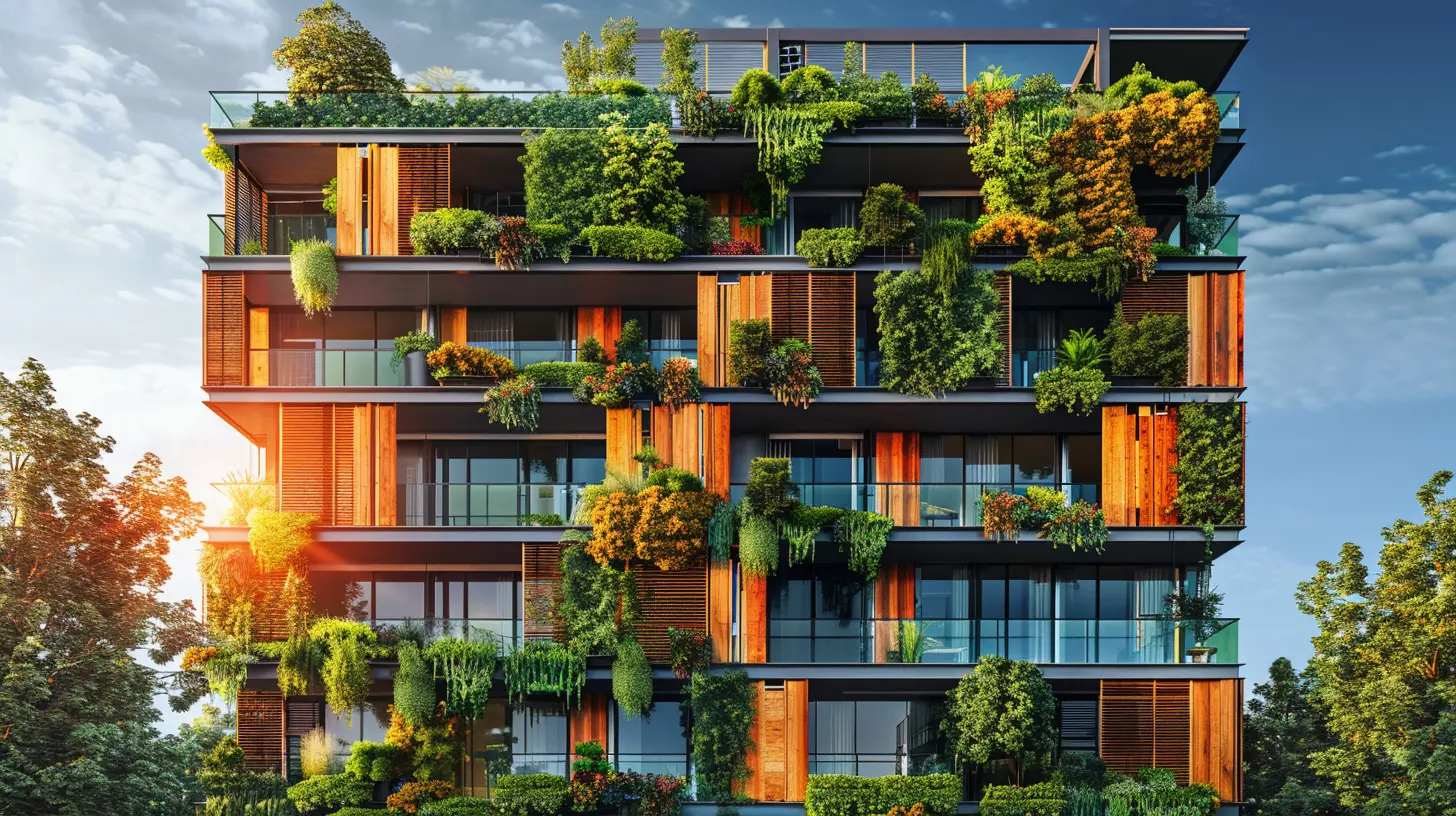
For years, building permits focused on ensuring structures were safe and met local zoning laws. But as climate change concerns grow, the process is shifting toward sustainability. Governments and municipalities are enforcing stricter regulations to minimize environmental impact.What does this mean for builders and property developers? Put simply, you’ll need to incorporate green building practices if you want your permits approved.
Key Changes in Building Permit Regulations
1. Stricter Energy Efficiency Standards
Energy-efficient buildings are no longer just a trend—they’re a necessity. More jurisdictions now require homes and commercial buildings to meet strict energy efficiency standards before granting permits.- Higher insulation requirements – Ensuring less energy is wasted during heating and cooling.
- Efficient HVAC systems – Regulators are pushing for energy-saving systems with lower carbon footprints.
- Mandatory energy audits – Some regions now require an energy assessment before construction begins.
If you're planning a new build, expect to factor in these changes. A building that doesn’t meet energy efficiency guidelines might not get a permit at all.
2. Increased Emphasis on Sustainable Materials
Gone are the days when builders could use whatever materials they wanted. Many cities are encouraging, and sometimes requiring, the use of sustainable materials.- Recycled or reclaimed wood – Helps reduce deforestation and promote sustainability.
- Low-carbon concrete alternatives – Traditional concrete is a major source of CO₂ emissions, so eco-friendly alternatives are being prioritized.
- Non-toxic paints & finishes – To limit indoor air pollution, low-VOC paints and finishes are being mandated.
If you’re looking to construct a building, it’s time to rethink material choices. Permitting authorities are checking more closely than ever before.
3. Water Conservation Regulations
With water scarcity becoming a global issue, water conservation is now a core part of building codes. Many jurisdictions are introducing new water efficiency rules that directly impact building permits.- Low-flow plumbing fixtures – Toilets, faucets, and showerheads must meet strict water-saving standards.
- Rainwater harvesting systems – Some areas now require buildings to include rainwater collection setups.
- Drought-resistant landscaping – Green lawns are being replaced with native, water-efficient plants.
If you're building a home or commercial property, you may have to integrate these features before getting the green light.
4. Renewable Energy Requirements
Solar panels used to be an optional add-on, but now they’re becoming a must-have in many locations. Some areas have even passed laws requiring new buildings to include solar panels or allow for future solar installations.- Mandatory solar readiness – Even if solar panels aren’t required immediately, buildings may need rooftop structures that support future installations.
- On-site energy generation incentives – Some permits come with benefits if a project includes renewable energy options like wind or geothermal.
This shift is about making buildings more self-sustaining and less reliant on fossil-fuel-driven power grids.
5. Improved Waste Management and Recycling Policies
Construction waste is a huge contributor to landfills. To combat this, permit regulations are starting to demand better waste management planning.- On-site recycling mandates – Builders need to separate and recycle construction waste.
- Reusing demolition materials – Instead of dumping old materials, permits may require salvaging and repurposing.
- Green waste management plans – Some municipalities won’t issue permits without a solid plan for handling waste responsibly.
It’s all about reducing the carbon footprint of construction from start to finish.
What Homeowners and Buyers Should Know
If you're looking to build a home, these stricter regulations might feel overwhelming. However, they come with long-term benefits:- Lower energy bills – Energy-efficient homes cost less to heat and cool.
- Higher property value – Sustainable buildings tend to fetch higher prices in the market.
- Better indoor air quality – With non-toxic materials and better ventilation, homes are healthier.
Though some of these changes might increase upfront costs, they save money in the long run and help protect the planet.

How Developers Can Adapt to Changing Permit Requirements
Stay Updated on Local Codes
Each city or region has different sustainability requirements, and they’re changing rapidly. Developers must stay informed to ensure smooth approval processes.Work with Green Building Experts
Hiring architects and contractors experienced in sustainability can make a big difference. Their expertise ensures compliance with new regulations and helps streamline the permitting process.Invest in Smart Technology
From smart thermostats to automated lighting, integrating energy-saving tech can make a project more appealing to regulators and buyers alike.Plan for the Long-Term
Sustainability isn’t just a passing trend—it’s the future of real estate. Developers who embrace eco-friendly practices now will be ahead of the curve and better positioned for future growth.The Bigger Picture: Sustainability and the Future of Construction
Building permits are no longer just about safety and zoning. They’re evolving into powerful tools for promoting environmental responsibility. As sustainability becomes the gold standard for real estate, both homeowners and developers must adapt to these new expectations.The good news? Investing in green building practices isn’t just about following rules—it’s about creating efficient, long-lasting, and eco-friendly spaces that benefit everyone.
So, if you’re planning a construction project, take these changes seriously. Sustainable building isn’t just the future; it’s the present, and the sooner we embrace it, the better off we’ll all be.
all images in this post were generated using AI tools
Category:
Building PermitsAuthor:

Basil Horne
Discussion
rate this article
1 comments
Fay Benson
This article highlights the evolving landscape of building permits with a focus on sustainability. It's essential for developers and homeowners to stay informed on these changes to ensure compliance and promote eco-friendly practices.
August 12, 2026 at 7:04 PM