Beyond the Basics: Advanced Tips for Navigating the Building Permit Process
28 May 2026
When it comes to dealing with building permits, let’s be honest—it's not exactly the most exciting part of your construction or renovation journey. Yet, it’s one of those unavoidable steps, like flossing your teeth before a dentist visit. Whether you’re building your dream home, adding a backyard deck, or even remodeling your kitchen, permits are the gatekeepers ensuring everything is safe, legit, and compliant with the law.
But here’s the thing: while most folks know the basics—check your local regulations, submit your application, and wait for the green light—there’s so much more to mastering the permit process. That's where today's discussion comes in. If you’re tired of playing amateur hour with building permits, I’m here to help you go beyond the basics and tackle the advanced strategies that can save you time, money, and stress.
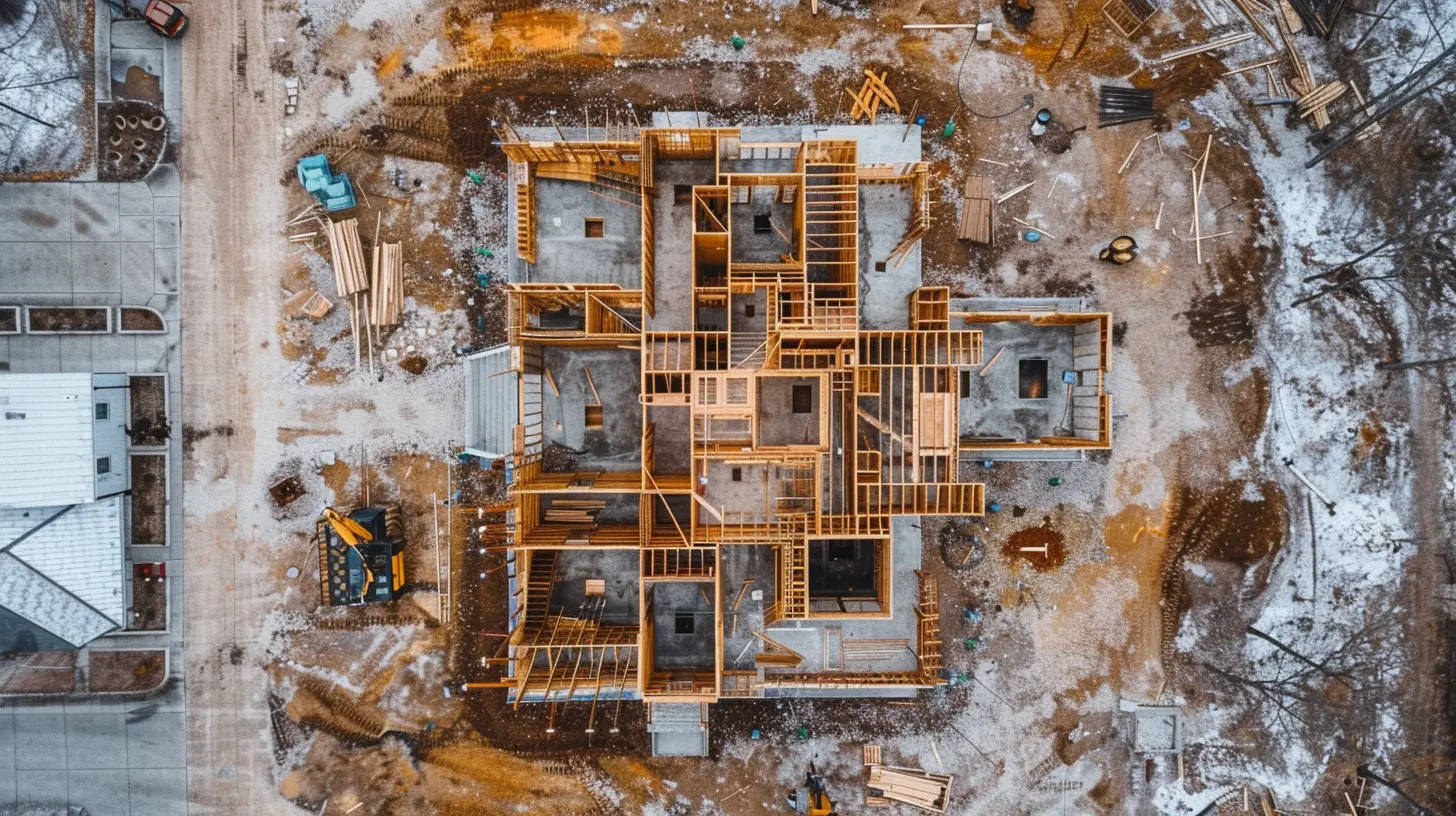
Why Building Permits Matter (Yes, They’re THAT Important)
Before diving into the nitty-gritty, let’s address why building permits are such a big deal. Think of building permits as a seal of approval from your local government. They ensure that your project meets safety codes, zoning laws, and all that official-sounding jazz.Skipping the permit process isn’t a smart move—it’s a disaster waiting to happen. If you skip it, you’re not just risking fines or legal trouble—you could jeopardize the safety of anyone who enters your building or even risk your insurance claims getting denied. So, yeah, permits may not be thrilling, but they’re absolutely necessary.
Now that we’ve got that out of the way, let’s talk about how you can navigate this process like a pro. 
1. Do Your Homework Before You Break Out the Hammer
Have you ever heard the phrase, "Measure twice, cut once"? The same applies when dealing with permits. If you hop into the process without researching, you could end up making costly mistakes.Start by identifying what kind of permit you’ll need. Need help figuring it out? Call your local building department or browse their website. They’ll often have guidelines that spell out whether you need a permit for your specific project. For instance, a deck installation may require a permit in one city but not in another.
Also, don’t forget about zoning laws! Imagine spending weeks designing your dream backyard studio only to find out your neighborhood is zoned strictly for residential use. Ouch!
Pro Tip: Create a Checklist
Write down every document, survey, blueprint, or bit of information your city requires for the permit. This keeps you organized and prevents multiple trips to the building department.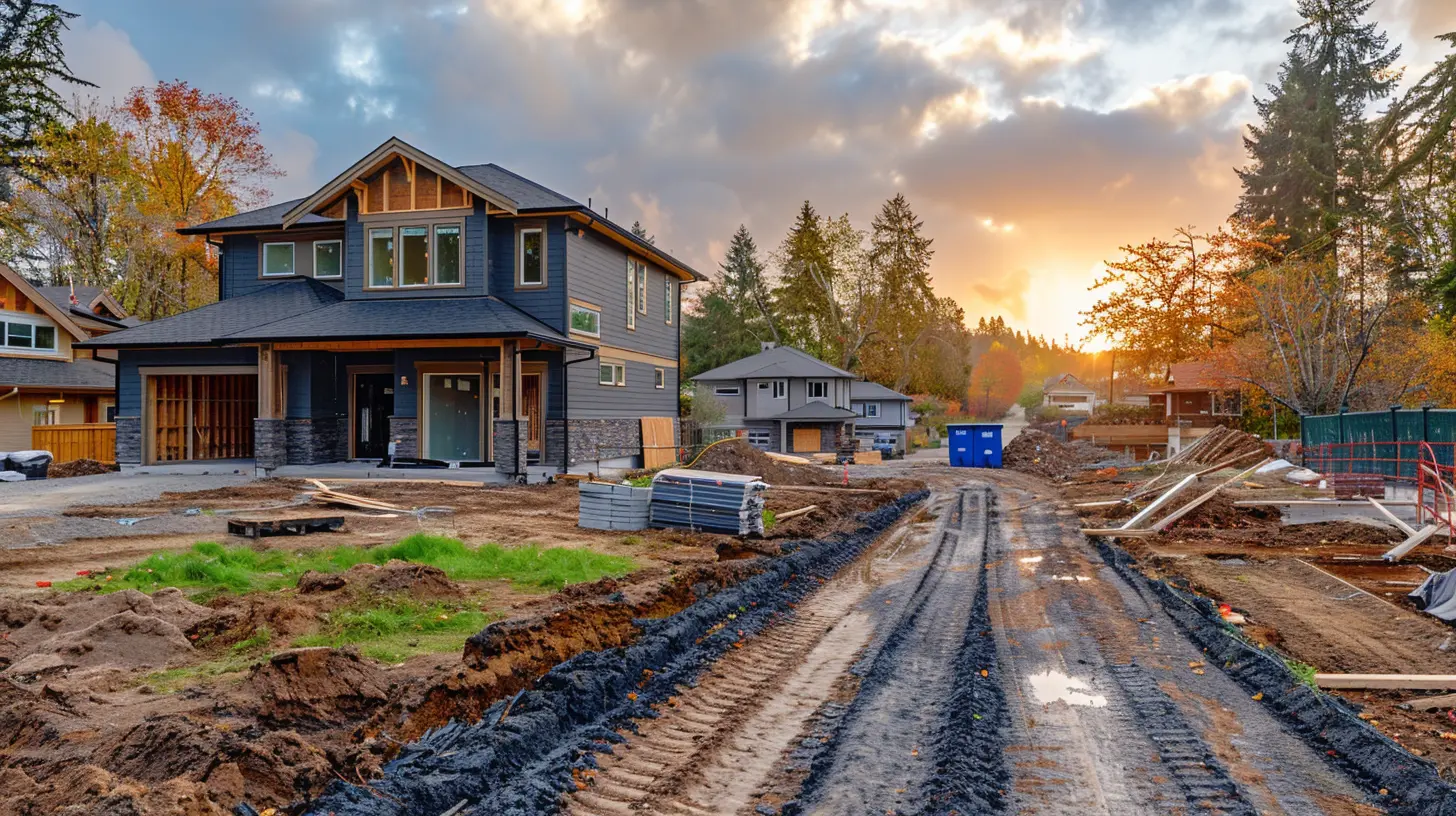
2. Seek Professional Guidance (Multiple Brains Are Better Than One)
Let’s keep it real: The permit process can get overwhelming, especially with how complex building codes have become. This is where hiring professionals—like architects, contractors, or permit expeditors—can save your sanity.Permit expeditors, in particular, are like the personal trainers of the permitting world. They know the shortcuts, the red flags, and which hoops to jump through. Hiring one might cost you some extra cash upfront, but it could save you weeks of waiting time.
And don’t forget: architects and reputable contractors are usually old pros when it comes to permits. Their experience can help you avoid rookie mistakes that could get your application denied. 
3. Keep Your Paperwork Game Strong
If you’re the kind of person who loses their keys five times a day, this step is crucial for you.Once you’ve got all the documentation together, store it in one easily accessible spot. Applications, blueprints, environmental impact assessments—you name it. The more organized you are, the smoother the process will go.
Double-check everything before submission. Seriously, this is not the time to wing it. A single missing document can delay your project by weeks.
Pro Tip: Digital Copies Are Your Best Friend
Scan and upload every document to cloud storage so you can easily share it with your contractor or local building department whenever they ask.4. Be Ready for Inspections (Yes, There’s More Than One)
Here’s the thing about inspections: They’re not a one-and-done scenario. Different phases of your project, like foundation work or framing, may require separate inspections before you can move forward.To ace these inspections, stay in constant communication with your contractor or builder. They should be well-versed in preparing the site for inspections and ensuring everything complies with the code.
If you’re DIY-ing parts of your project, brush up on local building codes so you know what the inspector will be looking for. It’s like studying for a test—except, instead of an “A,” you get the go-ahead to keep building.
5. Be Politely Persistent with the Permit Office
Ever feel like permit offices operate on their own timeline? Yeah, you’re not alone. While you can’t exactly speed up bureaucracy, you can politely follow up and nudge things along.Call or email your permit office for status updates. Avoid being pushy, though—kindness goes a long way. You’d be surprised how much faster things can move when you’re courteous and professional.
6. Know When to Appeal a Rejection
Permit rejection isn’t the end of the world—it’s just a speed bump. If your permit gets denied, don’t feel defeated. Instead, request a detailed explanation for the rejection.Sometimes it’s a minor issue, like an unclear drawing or missing document. Other times, there may be a misinterpretation of building codes or zoning laws. If you believe the rejection was an error, you can appeal the decision. Just be sure to back up your case with solid facts and any necessary revisions.
7. Budget for the Unexpected
You know what they say about the best-laid plans, right? Even with all the research and preparation in the world, unexpected costs can pop up during the permit process.Application fees, unexpected design changes, or additional reviews by engineers—these costs add up. To avoid financial headaches, build a buffer into your initial budget. Think of it as your “just-in-case” fund.
8. Get Friendly with Your Neighbors
This might seem like an odd tip, but hear me out. If your construction project affects your neighbors, whether it’s noise, blocked driveways, or obstructed views, they can sometimes cause delays by lodging complaints.A quick chat with your neighbors before starting the project can work wonders. Let them know what to expect and assure them you’ll minimize disruptions. A little goodwill goes a long way.
9. Leverage Technology
Truth be told, navigating the permit process doesn’t have to feel like you’ve stepped back into the ’90s. Many cities now offer online portals where you can submit applications, track the status of your permit, and even schedule inspections.Additionally, there are apps and software designed specifically for managing construction projects. These tools can help you track timelines, budget, and, yes, even the permit process.
10. Don’t Cut Corners
Look, I get it—building permits can be frustrating, time-consuming, and sometimes expensive. But trust me, cutting corners is never worth it. Skipping permits or fudging the details might seem like a shortcut, but it can seriously backfire.Imagine finishing your dream project only to find out it doesn’t meet code and needs to be torn down. Or worse, imagine an accident occurring because something wasn’t up to code. It’s not worth the risk.
Wrapping It Up
Navigating the building permit process doesn’t have to feel like climbing Mount Everest. With research, organization, professional help, and some patience, you can master the process and move forward with your project confidently.Remember, permits aren’t just red tape—they’re there to protect you and your future investment. So, roll up your sleeves, follow these advanced tips, and tackle those permits like a pro.
all images in this post were generated using AI tools
Category:
Building PermitsAuthor:

Basil Horne
Discussion
rate this article
1 comments
Garrett Hodge
Great insights on the building permit process! These advanced tips really shine a light on what can be a confusing journey. With this guidance, readers will feel empowered to tackle permits like pros. Thanks for sharing such valuable advice!
June 6, 2026 at 3:41 AM
Basil Horne
Thank you for your kind words! I'm glad you found the tips helpful. Good luck with your permit journey!