Balancing Character and Modern Upgrades in Fixer Upper Renovations
7 March 2026
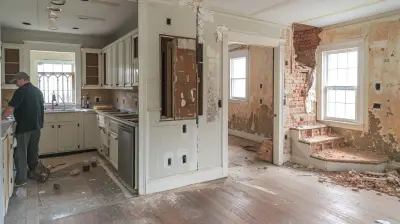
Taking on a fixer-upper can feel like stepping onto your own episode of a home makeover show. It’s exciting, nerve-wracking, and deeply rewarding all at once. The real secret sauce? Striking the perfect balance between preserving your home’s original charm and embracing the conveniences of modern living. Let’s be honest—vintage appeal is comforting, but we all want the luxury of a walk-in shower or a smart thermostat too, right?
Whether you’ve just bought a fixer-upper or are knee-deep in renovations, this guide will walk you through how to keep the soul of your home alive while updating it for today’s lifestyle.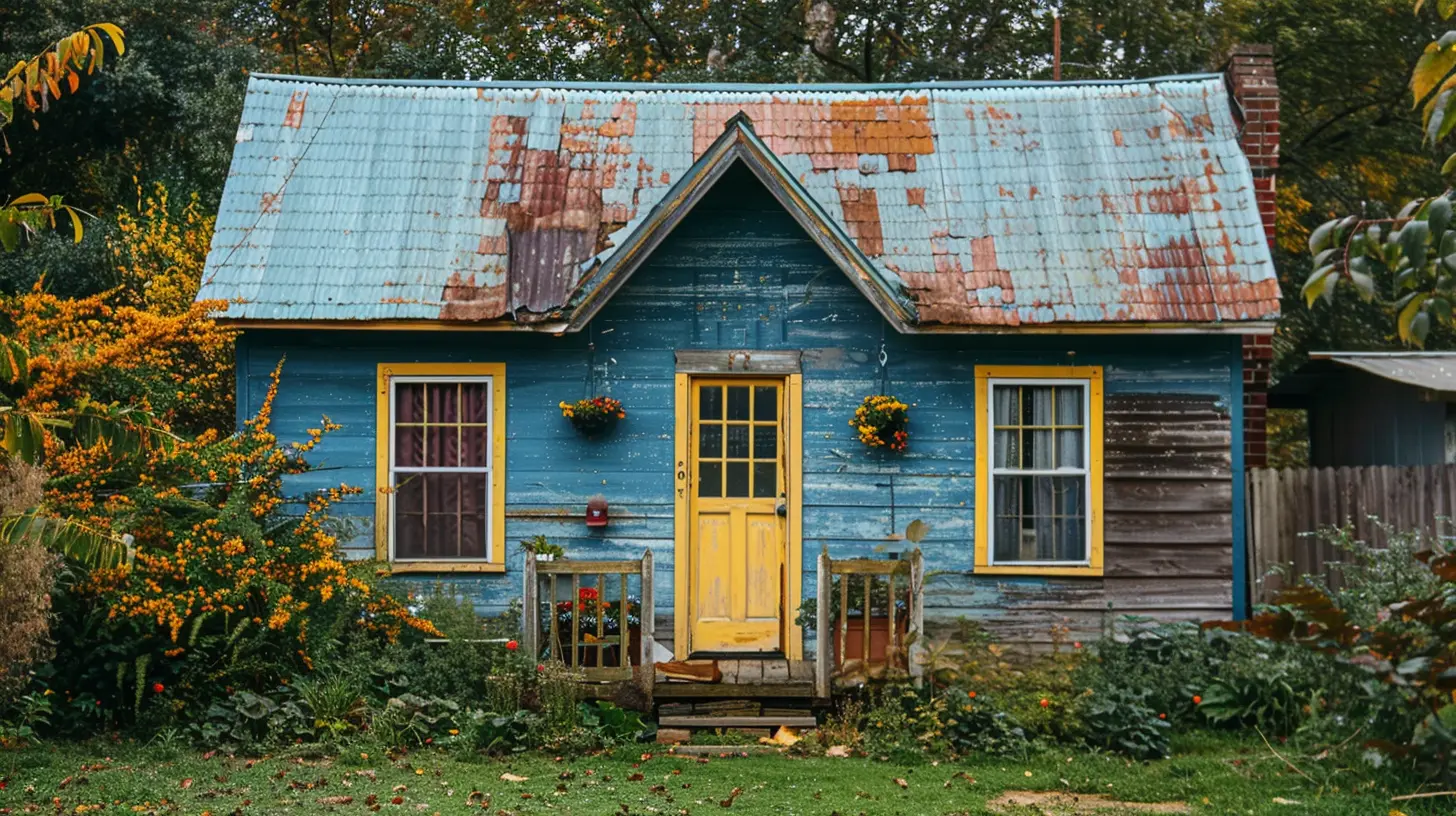
Why Character Matters in a Home
First, let’s talk about “character.” This isn’t just about creaky floors and antique doorknobs, although those count. Character is the emotional heartbeat of a house—the architectural details, the materials, the craftsmanship that’s stood the test of time. Old homes weren't built in a rush with cookie-cutter designs. Each one has a story to tell, and that story can add immense value—not only financially but personally.Think of it like cooking. A modern, new kitchen might offer induction stoves and high-tech gadgets, but the flavor? That comes from grandma’s recipe, that special touch that can’t be replicated. Just like seasoning in a dish, character in a home adds depth and authenticity.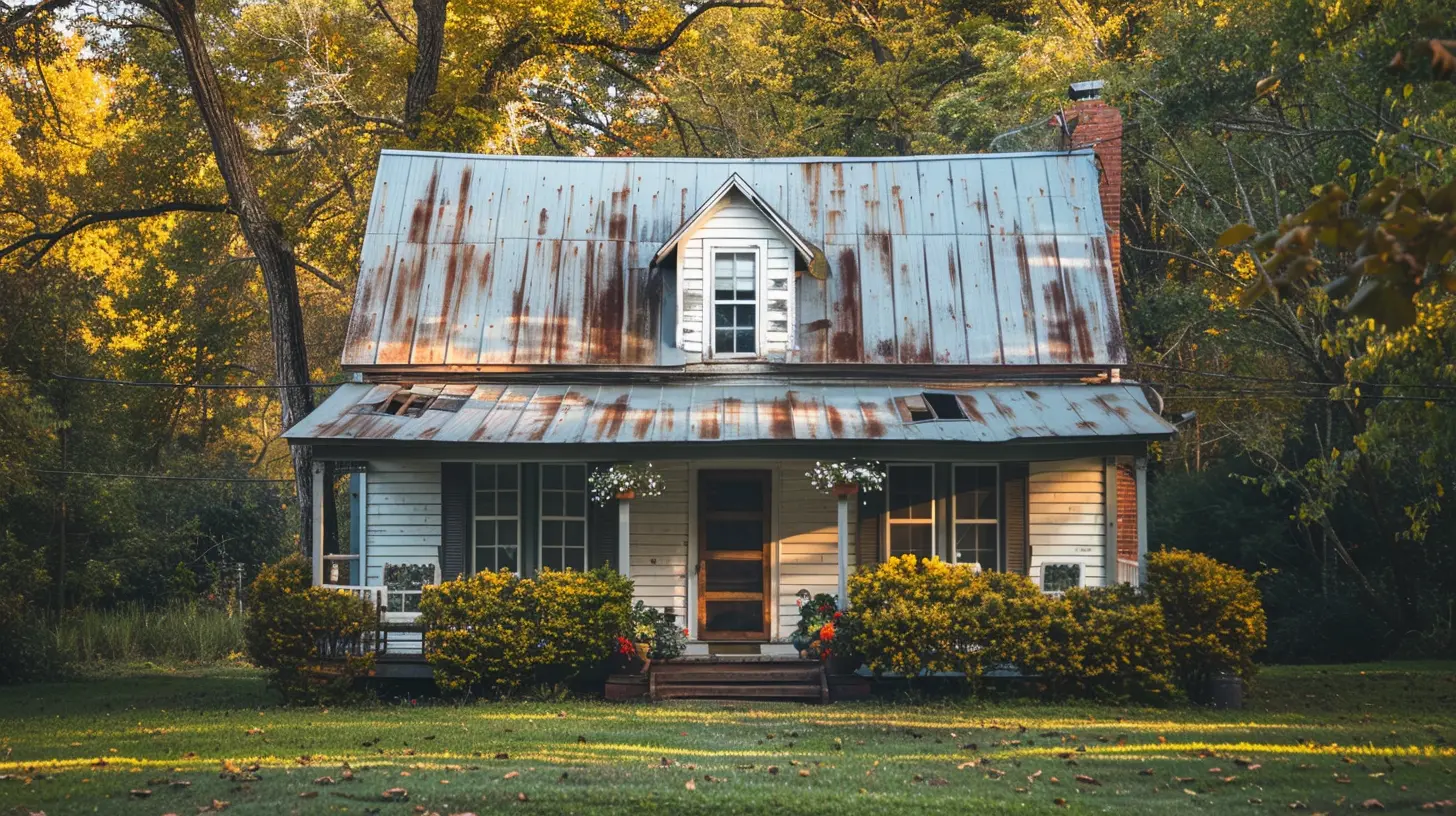
The Danger of Over-Renovating
We’ve all seen it: a century-old cottage stripped of its wood trim and plaster walls, left with about as much soul as a shoebox. Yikes. Going too modern can feel sterile. Worse, it can chip away at your home’s long-term value.Buyers love homes that retain some historic charm. Renovating doesn’t mean gutting; it means reviving. So, before you start buying glossy finishes and high-end appliances, take a breath. The goal isn’t to erase the past. It’s to honor it while making space for the present—and the future.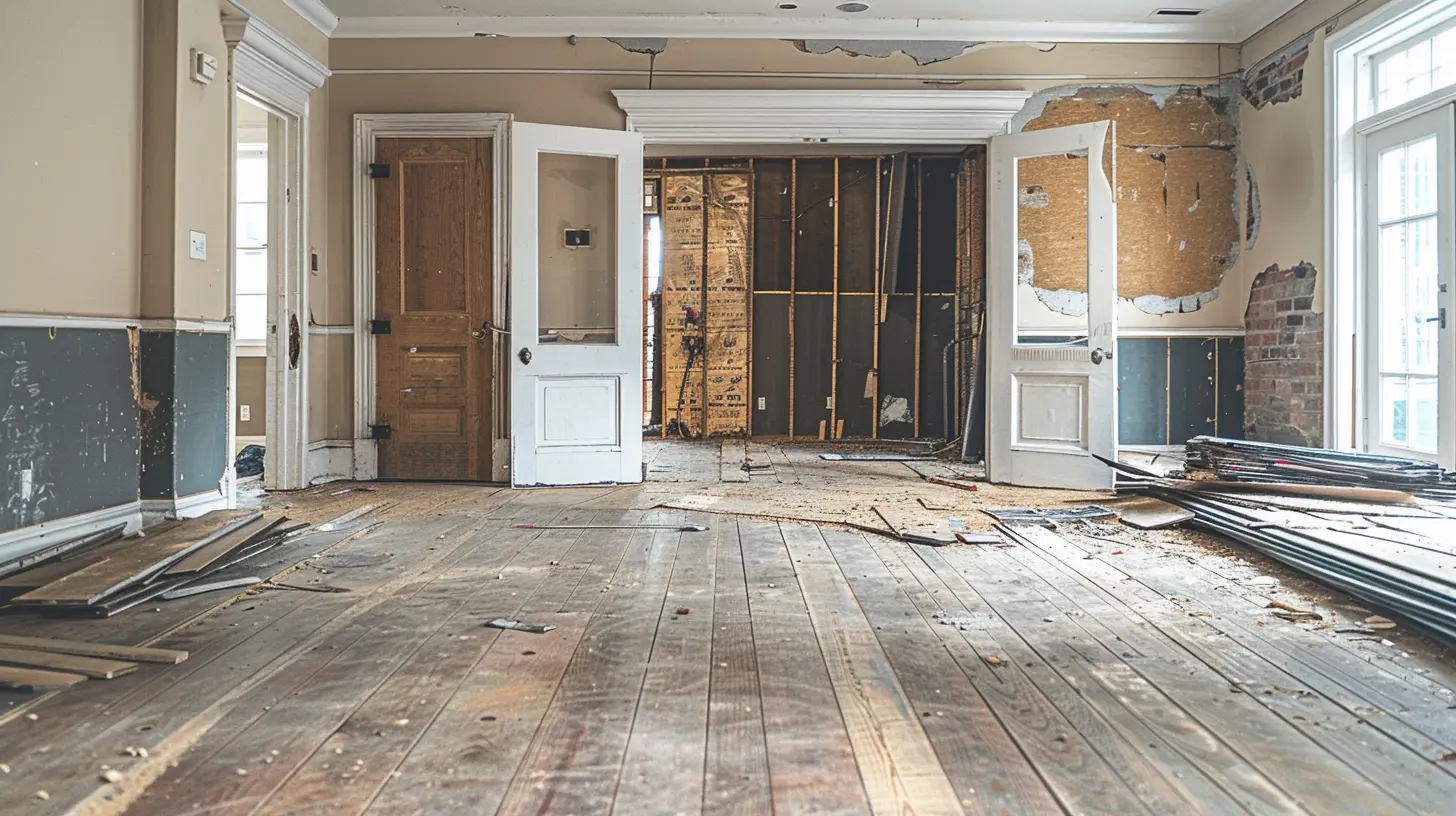
Start With a Home Character Audit
Before swinging a hammer, take time to understand what’s worth saving.Ask Yourself:
- What original features are still intact?- Are there materials you can’t find anymore (like heart pine floors or true plaster walls)?
- Can the windows be restored instead of replaced?
- Does the layout have historic significance?
Start snapping photos. Talk to local historians or neighbors who’ve lived in the area a while. These little details can guide your design strategy and save you from costly mistakes.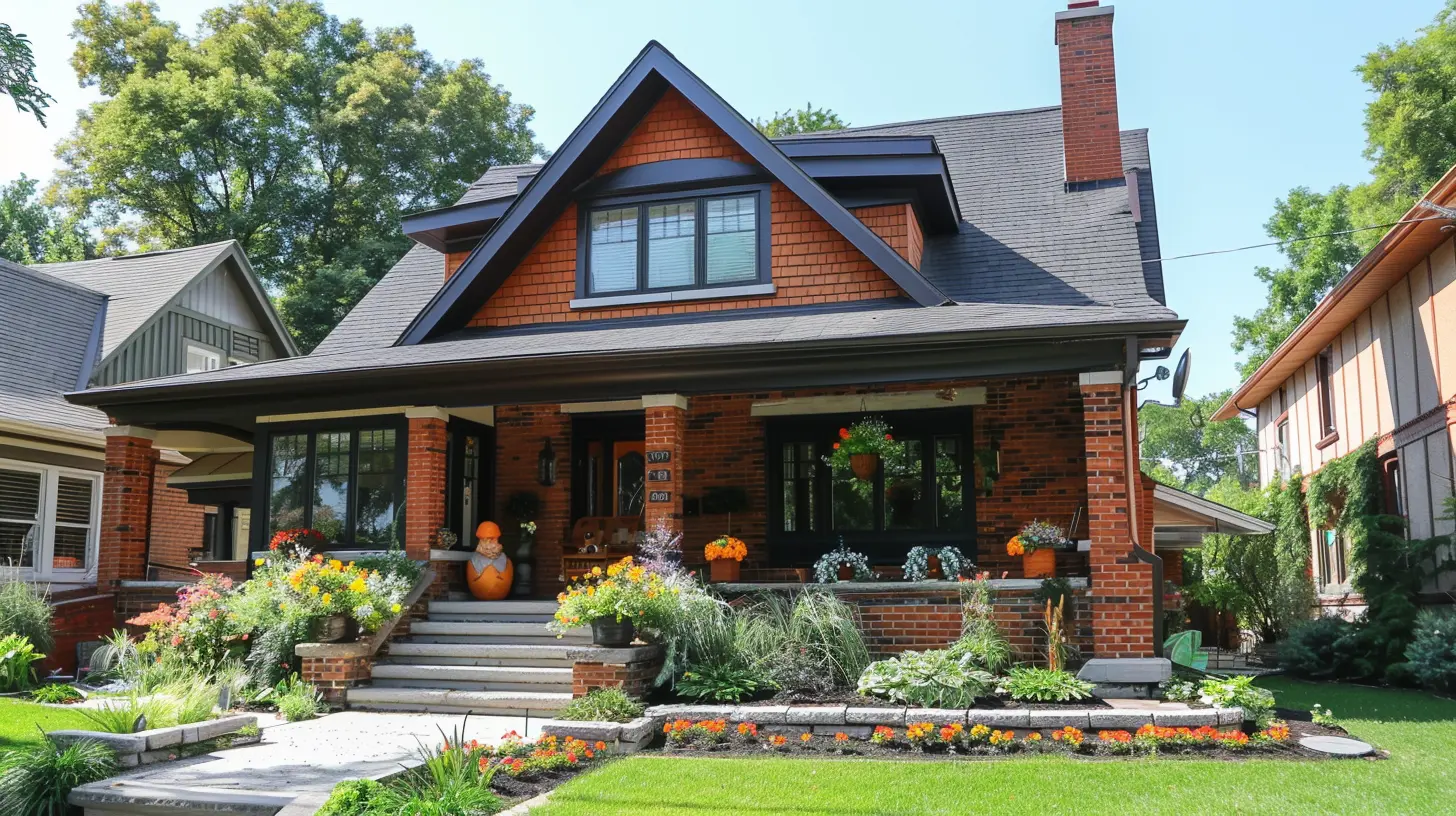
Blend Old and New With Purpose
This is where things get fun—finding that sweet spot between retro charm and sleek functionality.1. Respect the Architecture
If you're working on a Craftsman, Colonial, or Victorian home, let its original style guide your updates. For instance, keeping chunky wood moldings or period-appropriate paint colors can make modern updates feel more seamless.2. Update Behind the Scenes
You don’t need to show off every upgrade. Modern plumbing, electrical rewires, insulation, and HVAC systems should be top of your renovation list—but stay invisible. They’re not glamorous, but they make your old home comfortable to live in.3. Marry Materials
Mixing materials is a great way to honor the past while embracing today. Think reclaimed wood with quartz countertops or original brick paired with sleek steel light fixtures. Modern lighting in a coffered-ceiling room? Yes, please. It’s all about contrast.Kitchens and Bathrooms: The Transformation Spotlights
Alright, let’s talk about the two most exciting (and expensive) rooms—kitchens and bathrooms. These spaces usually need the biggest upgrades, but also offer the best opportunity to indulge in design creativity.Kitchen Tips:
- Preserve existing cabinetry: Instead of replacing, refinish or repaint them.- Add modern function: Install soft-close drawers or hidden pull-outs for better storage.
- Go for timeless materials: Subway tiles, marble countertops, and butcher block never go out of style.
- Mix finishes: A vintage farmhouse sink pairs beautifully with matte black hardware.
Bathroom Tips:
- Keep the tub if it's clawfoot: It’s a showstopper when refinished.- Tile smart: Patterned cement tiles can give you that old-world vibe.
- Add functionality discreetly: Heated floors or modern bidets don’t have to ruin the aesthetic.
Open Floor Plans vs. Intimate Spaces
Everyone loves an open floor plan... until they realize the house now echoes like a gymnasium. Older homes were built with cozier, separate rooms for a reason—they create intimacy, allow for more private corners, and give architectural variety.If you must open things up, do it selectively:
- Knock down partial walls to create sightlines, not giant voids.
- Use beams or architectural arches to define spaces without enclosing them.
This way, you get the flow of modern life without bulldozing the charm of yesteryear.
Maintain Original Flooring When Possible
Nothing screams “soul” like original hardwood floors. Refinishing them may cost a bit upfront but it’s worth every penny. Those floors have seen generations of foot traffic, and they wear their age with grace.If saving them isn’t possible, consider reclaimed wood flooring or engineered hardwood with a vintage finish. Stay away from laminate if authenticity is your goal.
Windows and Doors: The Eyes and Personality of the Home
Sure, old windows can be drafty, but before you replace them with standard vinyl units, consider restoration. You can add storm windows for energy efficiency and still keep those beautiful wavy glass panes and wood sashes.Original doors also add a lot of character. Keep grand entry doors or unique interior ones. Even hardware, like glass knobs or antique hinges, can be refined rather than trashed.
Light Fixtures: Jewelry of the Home
Vintage light fixtures are like heirloom earrings—they might need a little polish, but they elevate the entire look. Restore what you can, or blend antique and contemporary lighting to make your space feel intentionally eclectic.Try pairing a mid-century chandelier with modern recessed lights. It’s all about mixing eras without clashing styles.
Color Palettes That Bridge Time
Color can dramatically affect how your fixer-upper feels. Old homes were often painted in muted, earthy tones—think sage, cream, navy, and rust.Modern palettes lean toward whites, grays, and blacks. So, how do you merge the two?
- Use a neutral base with pops of vintage color.
- Paint trim a contrasting color to highlight architectural features.
- Don’t shy away from patterned wallpaper in small doses—it’s made a big comeback.
Don’t Forget the Outside
Curb appeal is everything. If your exterior screams 1920s bungalow, don’t slap on modern siding and call it a day.Restore wood siding or brick when possible. If you must use new materials, choose ones that mimic the look of the old. Keep window styles consistent, and don’t ditch architectural details like corbels, brackets, or columns. They’re the personality pieces!
Avoid Trends That Will Age Fast
Remember when everyone was obsessed with Tuscan kitchens? Exactly. Trends fade, but style endures. Choose timeless designs with subtle nods to current styles. Today’s matte-black faucet is tomorrow’s polished brass—keep trendy items limited to pieces that are easy (and cheap) to swap out.The Joy of a Home That Tells a Story
At the end of the day, your home should feel like a living storybook—one you add to, not rewrite from scratch. When guests walk in, let them feel the warmth of the past and the excitement of the present.Your home doesn’t have to be perfect. Let it be perfectly “you.” A fixer-upper is more than a house—it’s a transformation, and you, my friend, are the visionary.
Final Thoughts: Embrace the Journey
Renovating a fixer-upper isn’t a sprint; it’s a marathon. There will be setbacks, surprises, and yes, maybe even a few tears. But the magic lies in the journey. Think of your renovation as a love letter to your home’s history—with a few emojis and WiFi upgrades thrown in.So keep the beadboard, upgrade the wiring, and never forget—just like a great old song with a remix, the best homes blend old soul with new rhythm.
all images in this post were generated using AI tools
Category:
Fixer UppersAuthor:

Basil Horne
Discussion
rate this article
2 comments
Carly Allen
Like a vintage pizza topped with avocado and sriracha, balancing character with modern upgrades in fixer-uppers is an art! Let your walls whisper tales of the past while your kitchen sings the latest tech tunes—who says you can’t have the best of both worlds?
March 17, 2026 at 4:22 AM
Basil Horne
Absolutely! Blending vintage charm with modern convenience creates a unique space that tells a rich story while embracing contemporary living. It's all about finding that perfect harmony!
Faye Cannon
This article provides insightful strategies for achieving the perfect harmony between preserving a property's character and integrating modern upgrades during renovations. Your tips on maintaining original features while enhancing functionality are particularly valuable for homeowners tackling fixer-uppers. Thank you for sharing!
March 10, 2026 at 4:29 AM
Basil Horne
Thank you for your kind words! I'm glad you found the tips valuable for your renovation journey. Happy renovating!