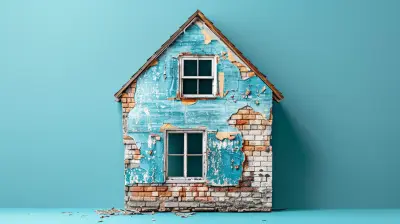
Avoiding Common Pitfalls When Buying a Fixer Upper
16 July 2026
Thinking about buying a fixer-upper? It’s an exciting journey! The idea of turning an old, worn-down house into a dream home is appealing to many. Whether you’re a first-time homebuyer or a seasoned investor, a fixer-upper can be a great way to build equity and create something unique.
But let’s be real—buying a fixer-upper isn’t always smooth sailing. There are plenty of pitfalls you need to avoid if you want to save time, money, and a whole lot of stress. From hidden costs to unrealistic expectations, a few missteps can turn your dream project into a financial nightmare.
So, how do you make sure you’re making a smart investment? In this guide, we’ll walk you through the common pitfalls of buying a fixer-upper—and how to avoid them. 
1. Underestimating Renovation Costs
It’s easy to look at a fixer-upper and think, “Oh, I’ll just put in some new floors and slap on a coat of paint.” But the reality? Renovations usually cost more than you initially expect.Why This Happens:
- Unexpected structural issues (think plumbing, electrical, or foundation problems).- Rising material and labor costs.
- DIY projects that take longer than planned.
How to Avoid It:
- Get a professional home inspection before buying.- Get multiple estimates from contractors.
- Add a 20-30% buffer to your renovation budget for unexpected expenses.

2. Ignoring Structural Issues
Cosmetic fixes are one thing, but structural problems? That’s a whole different ball game. If a home has major issues with its foundation, roof, or electrical system, the repairs can cost tens of thousands of dollars.Red Flags to Watch For:
- Cracks in walls or ceilings.- Uneven floors.
- Water damage or mold.
- Sagging rooflines.
How to Avoid It:
- Bring in a structural engineer before making an offer.- Avoid homes with major foundation issues unless you have a huge budget and lots of patience.

3. Overestimating Your DIY Skills
We all love a good HGTV-style transformation, but let’s be honest—most of us aren’t professional contractors. While painting walls and replacing cabinet handles are doable DIY projects, major renovations like plumbing, electrical work, and structural changes require skilled professionals.How to Avoid It:
- Be honest about what you can realistically do yourself.- Hire licensed professionals for major work.
- Budget for labor costs—even if you plan to DIY, some things are best left to the pros.

4. Skipping the Home Inspection
Think of a home inspection as a health checkup for your future house. Skipping this step is like buying a car without popping the hood—you never know what problems might be lurking beneath the surface.Why It’s Crucial:
A home inspector can identify potential deal-breakers, such as:- Termite damage.
- Outdated electrical systems.
- Roof leaks.
- Foundation cracks.
How to Avoid It:
- Always hire a professional home inspector.- Attend the inspection and ask questions.
- Use the inspection report to negotiate repairs or lower the asking price.
5. Falling in Love with a House Without Running the Numbers
It’s easy to get emotionally attached to a charming old house with “potential,” but if the numbers don’t make sense, walk away. A fixer-upper should be an investment, not a money pit.How to Avoid a Bad Investment:
- Compare the cost of the home + renovation costs with the market value of similar upgraded homes in the area.- Stick to properties where you can make a profit if you decide to sell.
- Consult a real estate agent who understands fixer-upper investments.
6. Forgetting About Permits and Zoning Laws
Not all renovations are as simple as knocking down a wall or adding an extra bathroom. Some require permits, and failing to get them can lead to fines—or worse, being forced to undo your improvements.Common Permit-Required Renovations:
- Electrical and plumbing updates.- Structural changes (adding or removing walls).
- Roof replacements.
How to Stay Compliant:
- Check local building codes before starting renovations.- Obtain the necessary permits to avoid legal troubles.
- Work with licensed contractors who know the local regulations.
7. Running Out of Money Before Finishing the Project
One of the biggest nightmares of buying a fixer-upper? Getting halfway through renovations and realizing you’re out of cash. Living in a half-finished home is stressful, and halting construction due to budget issues can turn a dream home into an unfinished project.How to Avoid a Money Pit:
- Break down your budget into phases.- Prioritize essential repairs before cosmetic upgrades.
- Have an emergency fund for unexpected expenses.
8. Underestimating the Time Commitment
Buying a fixer-upper isn’t just about money—it’s about time. Renovations, unexpected delays, and decision-making can take longer than anticipated. If you expect to finish everything in a couple of months, think again.Time-Saving Tips:
- Create a realistic timeline with your contractor.- Start with the most critical repairs first.
- Be patient—good things take time!
9. Choosing the Wrong Location
A beautiful renovation won’t matter if the house is in a bad location. If it’s in a declining neighborhood, selling it later might be a challenge.Location Checklist:
- Is the area safe?- How are the schools, amenities, and commute times?
- Are home values appreciating nearby?
How to Avoid This Mistake:
- Do thorough market research.- Talk to real estate agents who know the area.
- Visit at different times of the day to get a better feel for the neighborhood.
10. Expecting a Profit Too Soon
If you’re buying a fixer-upper as an investment, keep in mind that profits don’t always come overnight. The market can be unpredictable, and it may take time for your investment to pay off.Things to Keep in Mind:
- Property values fluctuate based on market trends.- Timing the market is tricky, so don’t expect to flip a house in a month and double your money.
- Consider renting it out if selling immediately isn’t profitable.
Final Thoughts
Buying a fixer-upper can be a fantastic investment—if you do it right. But going in without a plan? That’s a recipe for disaster. By avoiding these common pitfalls, you’ll set yourself up for a smoother renovation journey and a home that’s both beautiful and valuable.So, before you buy that charming old house with “potential,” take a step back. Crunch the numbers, consult the right professionals, and plan ahead. That way, your fixer-upper dream won’t turn into a nightmare!
all images in this post were generated using AI tools
Category:
Fixer UppersAuthor:

Basil Horne
Discussion
rate this article
1 comments
Lisette Frye
A fixer upper can be a rewarding investment, but thorough inspections and realistic budgeting are essential to avoid unexpected costs and frustrations down the line.
July 23, 2026 at 4:55 AM
Basil Horne
Absolutely, getting a proper inspection and staying within budget can make all the difference. It's all about being prepared for what lies ahead.