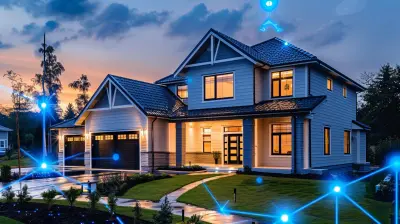
Adapting Your Home for an Uncertain Economic Future
21 November 2026
As we navigate a world filled with economic uncertainty, many homeowners find themselves questioning how to best adapt their living spaces. The reality is that financial fluctuations can impact everything from property values to personal finances, which in turn affects how we manage our homes. This article offers practical advice on adapting your home in ways that enhance not only your living experience but also your financial resilience.
Understanding the Economic Landscape
Before diving into specific adaptations, it's crucial to grasp the broader economic context. Economic downturns can stem from various factors, such as job loss, inflation, or market fluctuations. Homeowners may experience decreased property values, increased living costs, or even job instability. Understanding these dynamics can help you make informed decisions about your home.The Role of Housing in Economic Stability
Housing often serves as a cornerstone of wealth for many families. When the economy suffers, homeowners may feel the pinch more acutely. In some cases, the value of a home may decline, making it harder to sell or refinance. It's essential to view your home not just as a place to live, but as a significant investment that requires ongoing management to secure its value.
Practical Modifications for Financial Resilience
Adapting your home involves making strategic modifications that can enhance its value, utility, and comfort. Here are some practical approaches to consider:1. Energy Efficiency Upgrades
One of the most effective ways to adapt your home is by upgrading its energy efficiency. These improvements not only help you save on utility bills but also increase the overall value of your property.Why Energy Efficiency Matters
Energy-efficient homes are appealing to buyers; they promise lower monthly costs and a smaller ecological footprint. as energy prices fluctuate, homes that consume less energy become more attractive.Practical Steps to Improve Energy Efficiency
- Insulation: Ensure your home is well-insulated. This can significantly reduce heating and cooling costs.- Windows: Consider upgrading to double or triple-pane windows, which can help regulate indoor temperatures.
- Appliances: Invest in Energy Star-rated appliances, which use less energy and water.
- Solar Panels: If feasible, solar panels can provide long-term savings and increase your home's value.
2. Create Multi-Functional Spaces
As economic conditions shift, so do our lifestyle needs. Creating multi-functional spaces can enhance your home's usability, making it more adaptable to changing circumstances.Why Flexibility is Key
In uncertain times, the ability to repurpose areas of your home can be invaluable. Whether you need a home office, a gym, or a guest room, versatile spaces allow you to pivot based on your needs.Tips for Multi-Functional Spaces
- Design: Use furniture that serves multiple purposes, such as a sofa bed or a folding desk.- Zoning: Consider using room dividers or curtains to create a sense of separation without permanent walls.
- Storage Solutions: Invest in storage options that keep spaces organized and functional, making it easier to transform rooms as needed.
3. Enhance Curb Appeal
Your home's exterior is the first thing potential buyers see. Enhancing curb appeal can not only improve your living experience but also increase your home's market value.The Impact of Curb Appeal
A well-maintained exterior can create a positive impression and signal to buyers that the property has been cared for. In uncertain economic times, first impressions can make a significant difference.How to Boost Curb Appeal
- Landscaping: Invest in simple landscaping improvements, such as planting flowers or installing pathways.- Exterior Maintenance: Regularly clean and paint your home's exterior to maintain its appearance.
- Lighting: Strategically placed outdoor lighting can enhance safety and beauty.
4. Consider Smart Home Technology
Incorporating smart home technology can provide convenience, security, and energy savings. These features can also appeal to tech-savvy buyers.Benefits of Smart Home Features
Smart technology can automate tasks, enhance security, and provide efficiency. For example, smart thermostats can adjust your home's temperature based on your routine, potentially lowering energy costs.Popular Smart Home Upgrades
- Smart Thermostats: These devices learn your habits and adjust heating and cooling accordingly.- Security Systems: Smart cameras and alarms can provide peace of mind, especially when you are away.
- Smart Lighting: Automated lighting can improve energy efficiency and add convenience.
Financial Considerations
Adapting your home comes with financial implications. Understanding these can help you navigate the costs and benefits effectively.The Cost vs. Value of Home Improvements
Before making any modifications, evaluate the potential return on investment. Some upgrades tend to yield higher returns when selling your home, while others may be more beneficial in terms of personal comfort and energy savings.High-Value Improvements
- Kitchen Renovations: Upgrading kitchens can offer a strong return on investment, often recouping a significant percentage of costs.- Bathroom Remodels: Bathrooms are another area where improvements can lead to increased home value.
Lower-Value Improvements
- Over-Personalization: While it is essential to make your home comfortable, overly personalized changes may not appeal to future buyers.- High-End Upgrades in Lower-End Neighborhoods: Investing in luxury features in a less expensive area may not yield the returns you expect.
Financing Home Improvements
If you are considering major renovations, explore your financing options. Home equity loans, lines of credit, or even personal loans may be available depending on your financial situation.Evaluating Financing Options
- Home Equity Loans: These can be a good option if you have accumulated equity in your home.- Personal Loans: Often have higher interest rates but may be suitable for smaller projects.
- Savings: Using savings can avoid interest payments, making it a cost-effective option.
Common Mistakes to Avoid
While adapting your home is a positive step, it is essential to avoid common pitfalls that can lead to regrets.1. Underestimating Costs
Many homeowners underestimate the total costs of renovations. Always budget for unexpected expenses, which can arise during any home improvement project.2. Ignoring Local Market Trends
Before investing in significant renovations, research your local real estate market. Understanding what buyers in your area prioritize can save you from making costly mistakes.3. Overextending Financially
It can be tempting to make extensive modifications, but stretching your budget too thin can lead to stress and financial instability. Be realistic about what you can afford.The Human Element of Home Adaptation
Beyond financial considerations, adapting your home is also about creating a space that meets your emotional and psychological needs. In times of uncertainty, a comfortable and welcoming environment can serve as a sanctuary.Creating Comfort and Safety
- Cozy Spaces: Incorporate elements that make you feel secure and comfortable, such as warm lighting and soft furnishings.- Personal Touches: Add personal decor that reflects your interests and values, making your home uniquely yours.
Building Community Connections
A strong community can provide emotional support during tough times. Engage with your neighbors and consider how your home can foster connections.Building Relationships
- Host Gatherings: Create spaces for entertaining, whether it's a backyard barbecue or a cozy dinner party.- Neighborhood Involvement: Participate in local events or groups, establishing a sense of belonging.
Conclusion
Adapting your home for an uncertain economic future is not just about preserving property value; it is also about creating a secure and comfortable environment for you and your family. By focusing on energy efficiency, multi-functional spaces, curb appeal, and smart technology, you can enhance both the utility and value of your home. Understanding the financial implications and avoiding common pitfalls will further empower you on this journey.In uncertain times, a thoughtfully adapted home can provide you with the stability and comfort you need. Embrace these changes and make your home a resilient sanctuary.
all images in this post were generated using AI tools
Category:
Real Estate ChallengesAuthor:

Basil Horne