What You Need to Know About Special Building Permits for Historic Homes
3 May 2026
There’s something magical about historic homes, isn’t there? They whisper stories from the past, wear their age like a badge of honor, and offer a sense of charm that new builds just can’t replicate. But if you've ever dreamed of owning one or already live in one, you've probably bumped into a maze of red tape, especially when it comes to renovations. Yep—we’re talking about special building permits for historic homes.
In this guide, we’re diving into everything you need to know if you’re planning to make changes to your vintage beauty. From understanding why these permits matter to how to actually get one, this post is your roadmap to navigating the rules without losing your sanity.
Why Are Historic Homes Special Anyway?
First off, let’s break it down. What makes a home “historic”? Generally, a home is considered historic if it's at least 50 years old and has some type of architectural, cultural, or historical significance. It could be tied to a famous person, a major event, or just be an outstanding example of a certain architectural style.Cities and towns often protect these structures under a historic preservation ordinance. So once that “historic” label is slapped on, you’re not just the homeowner—you’re a bit of a caretaker for history itself.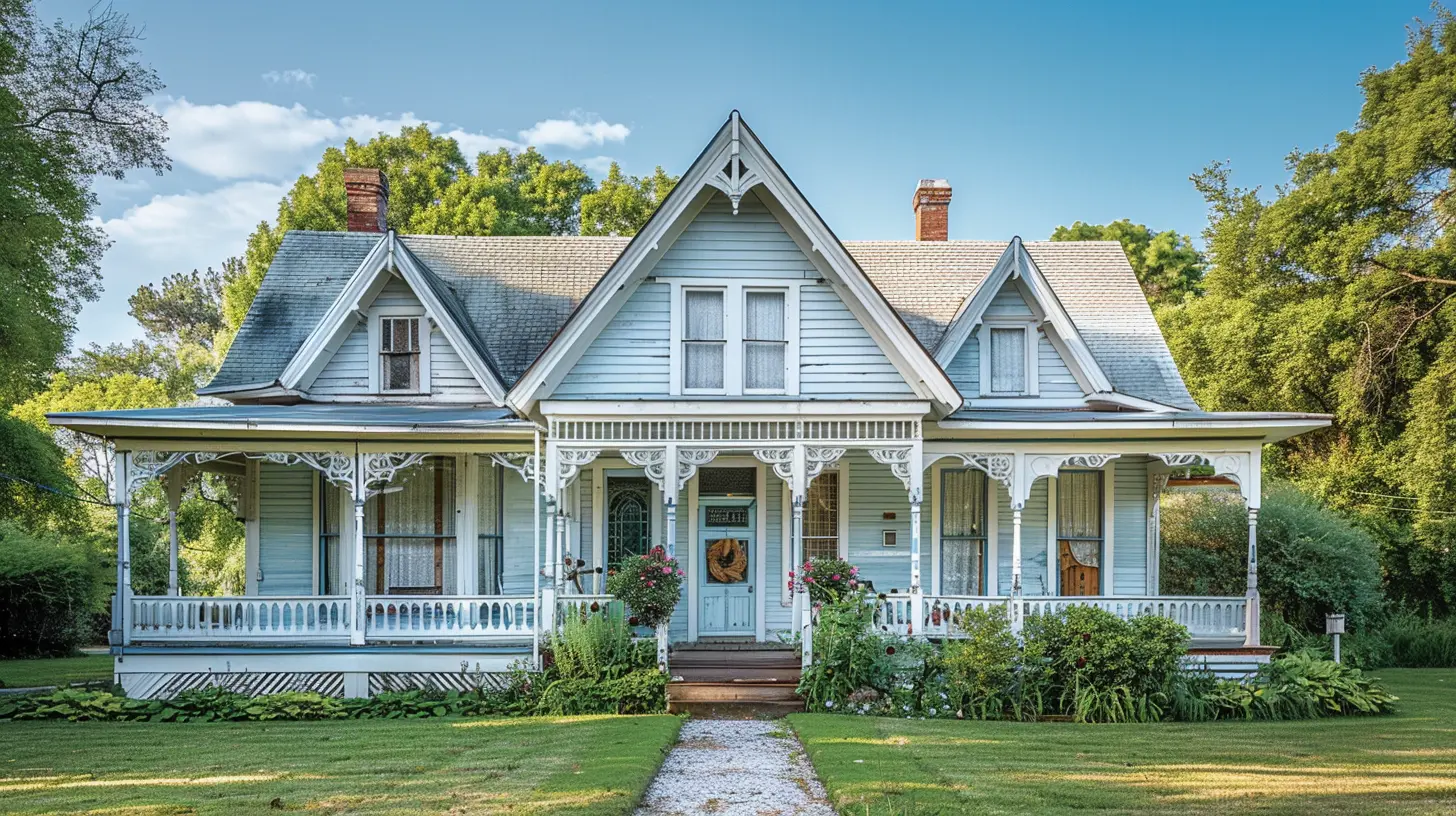
What Makes These Permits Different?
You might think a building permit is a building permit. Not quite. Special permits for historic homes come with a whole new layer of scrutiny. You’re not just dealing with building inspectors anymore. Now, you’ve got local preservation boards or historic commissions in the mix. These folks aren’t just making sure your new roof won’t cave in—they're making sure it won’t ruin the character of the neighborhood, either.Here’s the deal: These permits aim to protect the historic integrity of your home and the area it’s in. That means you’ll be limited in terms of:
- What materials you can use
- How your updates look from the street (aka curb appeal)
- Which parts of the house you can change
- Demolitions (even partial ones)
So, Do You Always Need a Special Permit?
Ah, the million-dollar question.You probably won’t need a special permit to replace your leaky faucet or repaint the guest bedroom. But once you start dreaming about adding a second story or swapping out those charming (but drafty) original windows—you’re going to need one.
Here’s a quick cheat sheet:
| Renovation Type | Special Permit Needed? |
|-------------------------|------------------------|
| Interior painting | No |
| Kitchen remodel (inside only) | Usually No |
| Window replacement | Probably Yes |
| Roof replacement | Yes (depends on material)|
| Building an addition | 100% Yes |
| Porch modifications | Yes |
| Demolishing a part of home | Definitely Yes |
Always check with your local Historic Preservation Commission (or equivalent) before swinging any hammers.
Why So Many Rules?
Let’s be real—we all like to think we know what’s best for our homes. But when it comes to historic homes, the goal isn’t just to make them livable. It’s to preserve history.Think about it: If everyone with a historic home started tearing down porches, replacing wooden windows with vinyl, or repainting with neon colors, the entire neighborhood would lose its charm faster than you can say “demolition permit.”
The idea here is simple—protect the character, maintain the beauty, and pass the story on to the next generation.
Who Decides What You Can and Can’t Do?
Here’s where things get a bit bureaucratic—but necessary. The decision-makers often include:- Local Historic Preservation Commissions
- City or Town Planning Departments
- State Historic Preservation Offices (SHPOs)
These folks have their own set of guidelines (sometimes called “design guidelines”) that act like the holy grail of historic renovations. Some cities even have detailed style guides telling you which paint colors or shutter designs are appropriate for a certain architectural style.
Pro tip: Don’t consider this a fight. Think of them as allies who want to help you protect your home’s story.
The Special Permit Application Process: Step-by-Step
Alright, let’s get into the nitty-gritty. How do you actually get one of these special permits?Step 1: Do Your Homework
Before you even talk to anyone, gather as much info as you can about your home’s history. When was it built? What renovations have already been done? Knowing its backstory will help you make a stronger case for any changes.Step 2: Contact the Right Office
Reach out to your local historic commission or planning department. They’ll let you know if your home is in a designated historic district or if it’s listed individually on a historic register.Step 3: Submit Plans
This is where you roll out the blueprints. You’ll need detailed drawings, a description of the materials, and often even photos showing the current state of the house.Step 4: Public Hearing (Sometimes)
Some cities require a public hearing. This is your chance to explain your plans, get feedback, and field any concerns from neighbors or the commission.Step 5: Wait
Yeah, we wish it were faster too. The review process can take anywhere from a couple of weeks to a few months, depending on your location and the complexity of the project.Step 6: Get Approved (Fingers Crossed)
If all goes well, you get the green light and can start construction. If not, you may need to revise your plans and go through the process again.What If You Skip the Special Permit?
Short answer: Don’t.Longer answer: Seriously, don’t.
Renovating a historic home without the proper permits can land you in hot water. We’re talking:
- Fines and penalties
- Forced removal of unapproved work
- Problems when trying to sell
- Legal battles
Not only can it be expensive and stressful, but you also risk damaging the very thing that makes your home so unique in the first place.
Tips to Make the Process Easier
Look, we won’t sugarcoat it—dealing with special permits isn’t exactly a breeze. BUT there are some tricks to make the process smoother.1. Hire a Pro with Historic Experience
Architects or contractors who’ve worked with historic properties before? Total lifesavers. They know the rules and can help you navigate the process like a pro.2. Talk to Neighbors
Chances are some of your neighbors have already gone through the same hoops. Ask them what worked (or didn’t), which contractors they used, and how long the process took.3. Be Patient
Yes, it’s tempting to rush things. But patience = fewer headaches. Rushing through the process often leads to rejected applications or costly redos.4. Keep the Character
Even if you’re not required to preserve every detail, it’s often worth it. Keeping original features can actually increase your home’s value and make it way more appealing to future buyers.Common Misconceptions About Historic Homes & Permits
Let’s bust a few myths:? “I own it, I can do whatever I want.”
Not with a historic home. Ownership comes with responsibility.
? “It’ll cost too much.”
Sure, some renovations might be pricier. But there are also grants, tax credits, and other incentives specifically for historic home renovations.
? “Historic districts are stuffy and too strict.”
Actually, many people love living in these neighborhoods for their timeless charm and strong community vibes.
Financial Assistance: You're Not Alone
Guess what? You don’t always have to foot the bill on your own. Many states and localities offer financial help for restoring historic homes. This can include:- Tax credits for rehabilitation
- Grants for preservation work
- Low-interest loans for approved projects
If money is what's holding you back, look into your state’s SHPO website or local historic trust. Help is out there—you just gotta ask.
Final Thoughts
Owning a historic home is like holding a piece of America’s past in your hands. Yes, it means extra paperwork, more hoops to jump through, and sometimes paying a little more. But the payoff? Living in a home with soul, character, and a story in every corner.Getting a special building permit might seem intimidating at first, but with the right mindset (and a little patience), it’s totally doable. And hey, once you're all done, you’ll not only enjoy your updated home—you’ll have helped preserve a piece of history. And that’s something to be pretty darn proud of.
all images in this post were generated using AI tools
Category:
Building PermitsAuthor:

Basil Horne
Discussion
rate this article
2 comments
Pilar McKinney
Understanding special building permits is crucial for preserving the charm and integrity of historic homes.
June 8, 2026 at 2:38 AM
Basil Horne
Absolutely, special building permits play a key role in maintaining the unique character of historic homes. They ensure that any modifications respect the original design and history.
Alice Patel
Navigating special building permits for historic homes reveals a delicate balance between preservation and innovation. It's crucial to honor the past while adapting to modern needs, fostering a deeper connection to heritage.
May 6, 2026 at 10:57 AM
Basil Horne
I completely agree. Finding that balance is essential not just for preservation, but also for making historic homes functional in today's world. It's all about respecting the past while looking towards the future.