What Urban Sprawl Means for Property Values by 2026
20 April 2026
Urban sprawl is a term that often gets thrown around in discussions about real estate and city planning, but what does it really mean? As we head toward 2026, understanding urban sprawl and its implications for property values is more important than ever. Whether you’re a homeowner, a potential buyer, or an investor, grasping the effects of urban sprawl can help you make informed decisions in an ever-changing market.
What is Urban Sprawl?
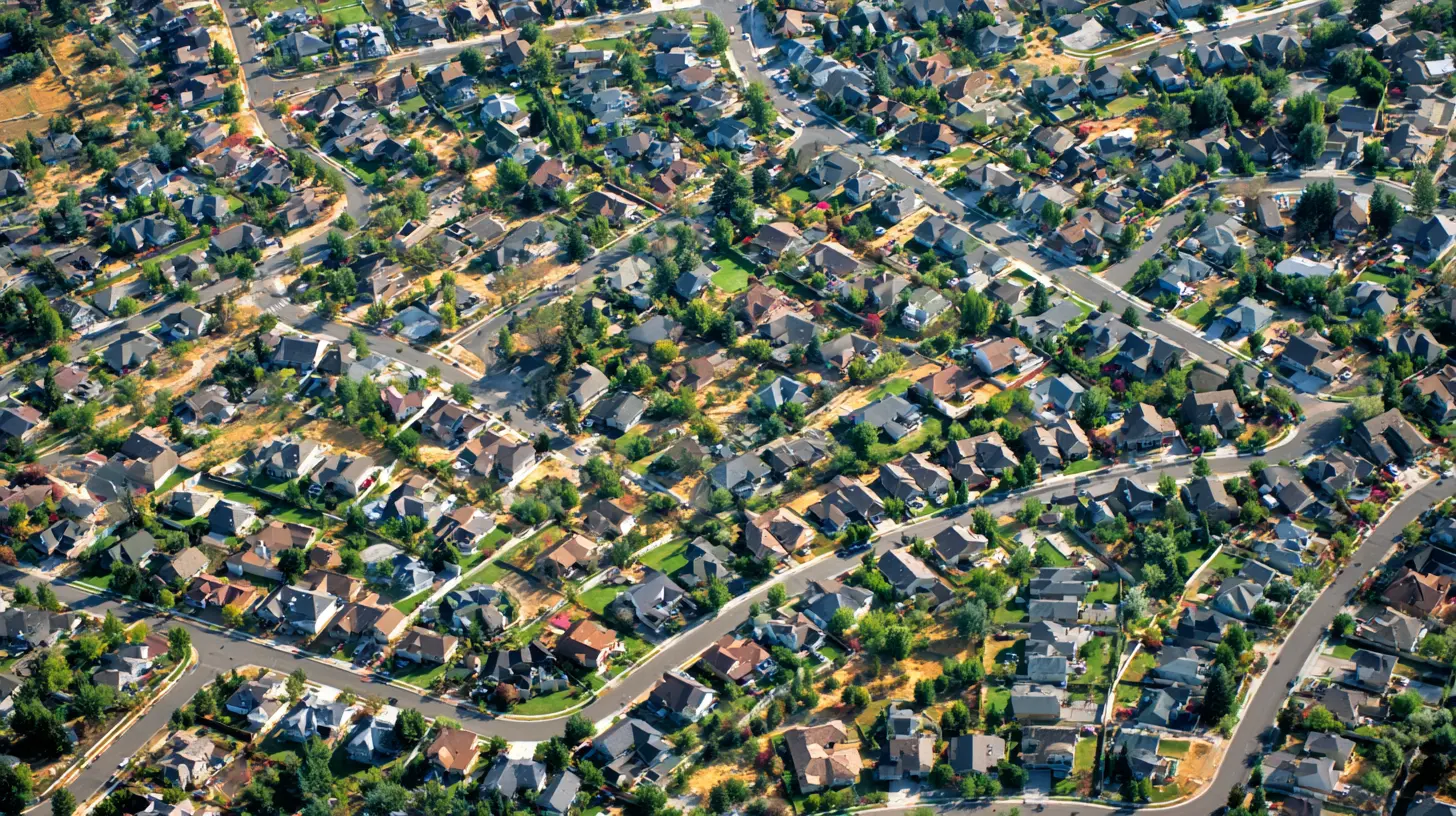
Urban sprawl refers to the uncontrolled expansion of urban areas into the surrounding rural land. Imagine a city as a balloon; when you blow it up, it stretches and expands, pushing outwards. That’s what urban sprawl does to a city, often leading to a patchwork of development interspersed with open land. It’s the result of various factors, including population growth, economic development, and a desire for more affordable housing.Characteristics of Urban Sprawl
Urban sprawl is characterized by several features:1. Low-Density Development: Unlike compact city living, sprawl leads to homes being built far apart, often with large yards.
2. Heavy Reliance on Cars: In sprawling areas, public transportation options tend to be limited, forcing residents to depend on their vehicles.
3. Separation of Uses: Residential, commercial, and industrial areas are often segregated, making it necessary for people to travel longer distances for work and shopping.
4. Limited Green Spaces: While some areas may have parks, urban sprawl often leads to a decrease in natural habitats and open spaces.
5. Infrastructure Challenges: As cities expand, they face challenges in providing adequate infrastructure—think roads, schools, and healthcare facilities.
The Rise of Urban Sprawl
Since the late 20th century, urban sprawl has become increasingly common in many countries, especially in the United States. With more people seeking the American Dream of homeownership, suburban areas have flourished. But this growth doesn’t come without consequences. The question is: what does all this mean for property values?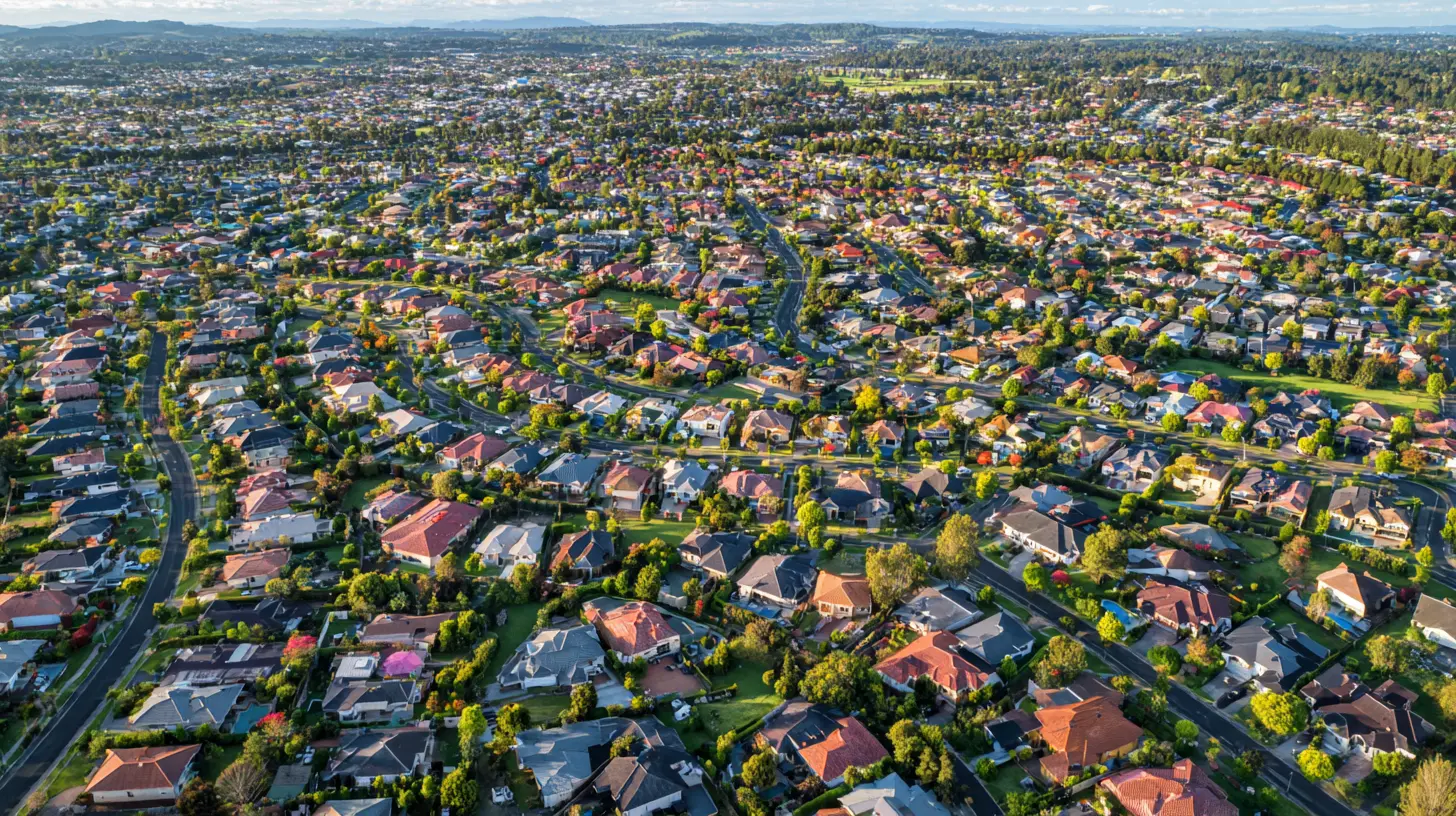
The Connection Between Urban Sprawl and Property Values
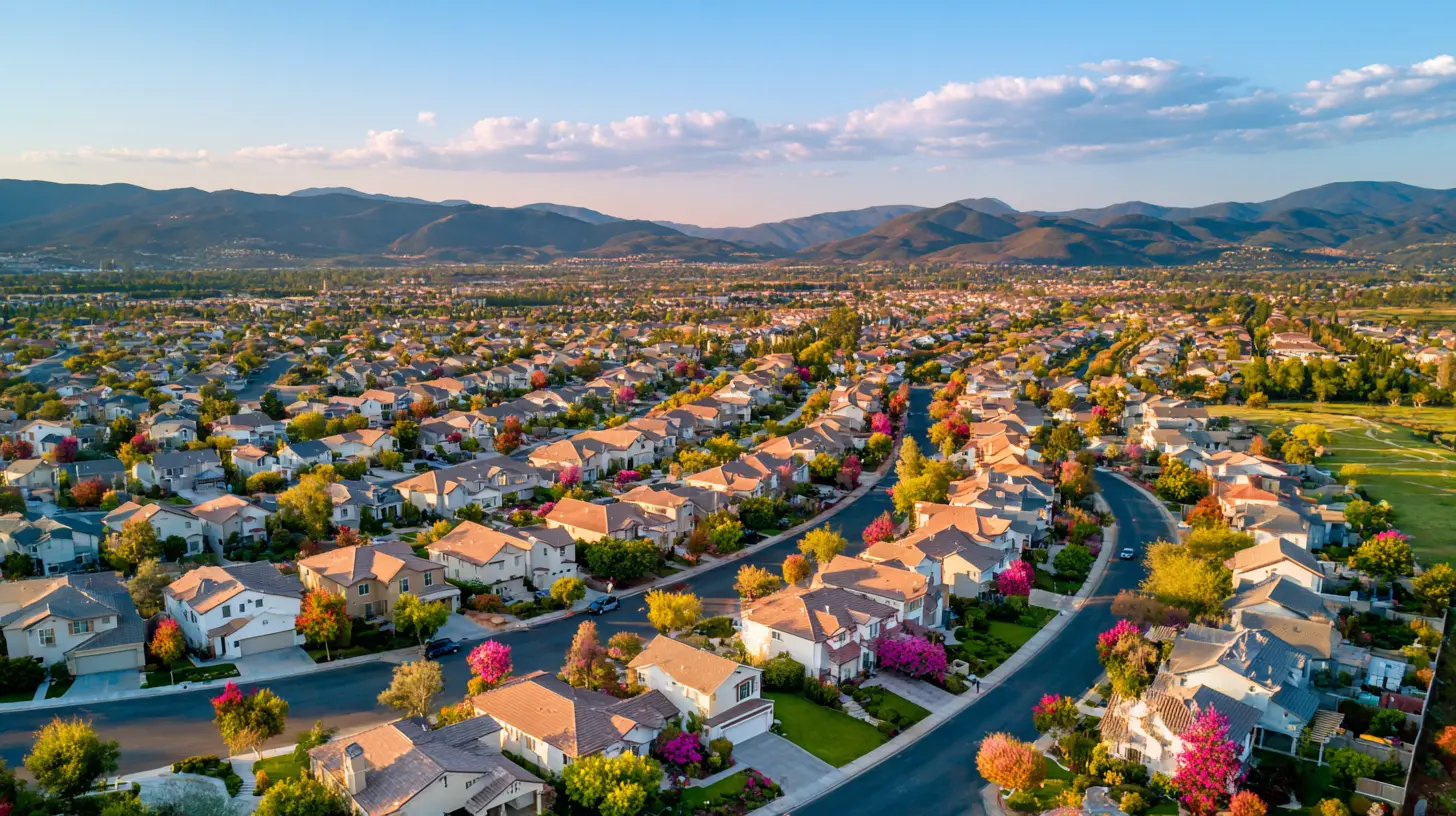
Urban sprawl can have both positive and negative effects on property values. It’s essential to strike a balance between the allure of spacious living and the practical implications of such expansion.Positive Effects of Urban Sprawl
1. Affordability: Sprawling suburbs often offer more affordable housing options compared to city centers. As families look for more space, they might find better deals outside urban areas. This trend can boost property values in these expanding suburbs.2. Increased Demand: As more people flock to suburban areas, demand increases. A higher demand can lead to rising property values, making it a potentially profitable investment for homeowners and developers.
3. New Developments: With urban sprawl often comes new infrastructure and amenities—think shopping centers, schools, and parks—which can enhance property values. New developments can attract even more people, creating a cycle of growth.
Negative Effects of Urban Sprawl
1. Overdevelopment: As areas become saturated with new homes and businesses, property values may begin to decline. Too much development can lead to market saturation, causing prices to drop.2. Infrastructure Strain: When cities expand too quickly, existing infrastructure may struggle to keep up. Poor roads, overcrowded schools, and limited public services can deter potential buyers, negatively impacting property values.
3. Environmental Concerns: Urban sprawl can lead to environmental degradation, including loss of green spaces and increased pollution. Properties in less desirable areas may see their values plummet as buyers become more environmentally conscious.
4. Commute Times: Longer commute times can become a deal-breaker for many potential buyers. If a suburb is too far from job centers, property values may suffer as people prioritize shorter commutes.
The Future of Urban Sprawl and Its Impact on Property Values
As we look toward 2026, several trends may influence how urban sprawl affects property values. It’s essential to keep an eye on these developments to understand the real estate landscape better.The Shift to Remote Work
The COVID-19 pandemic has changed the way we work. With remote work becoming increasingly common, many people are reevaluating their living situations. Could this be the end of urban sprawl? Not necessarily. While some may choose to move back to urban centers, others may opt for more spacious suburban homes. As the demand for remote work-friendly properties increases, we may see a surge in property values in areas previously considered out of reach.Sustainability and Smart Growth
With growing concerns about climate change and sustainability, cities are beginning to prioritize smart growth initiatives. This means focusing on sustainable development practices that promote higher-density living, reduced reliance on cars, and the preservation of green spaces. As more people become environmentally conscious, properties in sustainable, well-planned communities may see increased values, while sprawling developments may suffer.Rising Interest Rates
As we approach 2026, interest rates are expected to rise, which could impact the housing market significantly. Higher interest rates typically mean higher mortgage payments, potentially cooling off demand in certain areas. If urban sprawl leads to overdevelopment and an oversupply of houses, property values could take a hit as buyers become more selective.Urban Revitalization
Many urban centers are investing in revitalization efforts to combat the negative effects of sprawl. By improving infrastructure, developing mixed-use spaces, and enhancing public transportation options, cities can attract new residents and businesses. This revitalization can significantly boost property values in urban areas, making them more competitive against sprawling suburbs.Demographic Shifts
As millennials and Generation Z transition into homeownership, their preferences may shape the future of real estate. Many young buyers prioritize walkability, access to public transit, and community-oriented living. Areas that embrace these values may see property values rise, while sprawling developments that fail to meet these demands may struggle.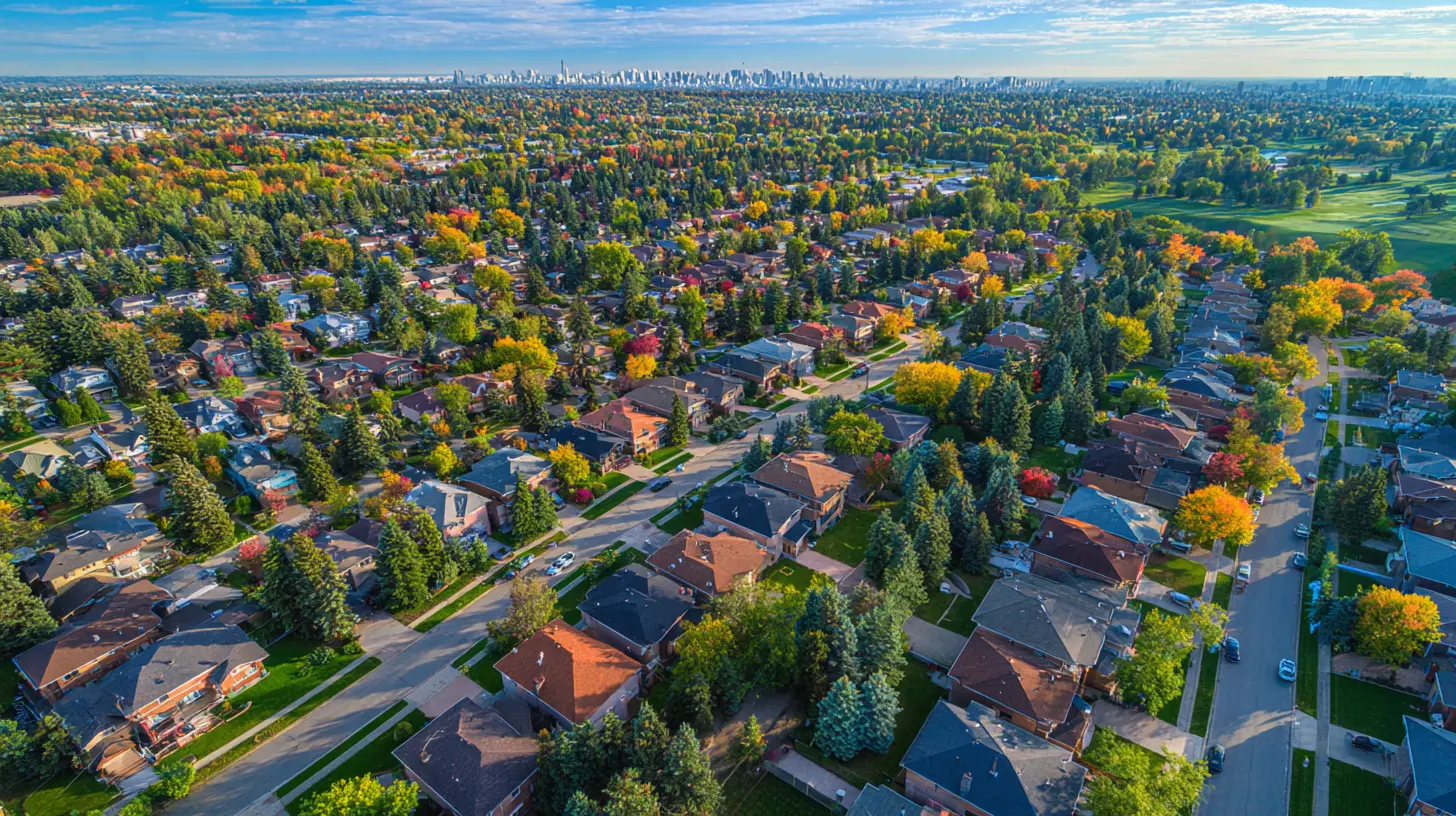
Tips for Homebuyers and Investors in a Sprawling Market
If you’re considering buying a home or investing in real estate in an area affected by urban sprawl, here are a few tips to keep in mind:1. Research Local Market Trends
Stay informed about local real estate trends. Pay attention to whether property values are increasing or decreasing and what factors are influencing these changes.2. Consider Location and Accessibility
Think about the location of the property and its accessibility to major roadways, public transportation, and local amenities. Properties that are well-connected tend to hold their value better.3. Evaluate Infrastructure Development
Look for areas with planned infrastructure developments, such as new schools, parks, or shopping centers. These developments can indicate future growth and increased property values.4. Analyze Environmental Factors
Consider the environmental impact of the area. Properties in communities that prioritize sustainability and green spaces may become more desirable, positively affecting their value.5. Be Cautious of Overdevelopment
Keep an eye on development trends in the area. If too many homes are being built too quickly, it could lead to a saturated market, resulting in declining property values.Conclusion
Urban sprawl is a complex issue affecting property values in various ways. As we approach 2026, the landscape will undoubtedly continue to evolve. Whether you’re a homeowner, buyer, or investor, understanding the implications of urban sprawl can help you navigate the real estate market more effectively. By staying informed and making strategic decisions, you can position yourself for success in a rapidly changing environment.
all images in this post were generated using AI tools
Category:
Real Estate ChallengesAuthor:

Basil Horne
Discussion
rate this article
2 comments
Arwenia McDonough
Urban sprawl typically leads to increased property values in outer areas as demand grows. However, the impact can be mixed. Areas with robust infrastructure and amenities may thrive, while those lacking accessibility could see stagnant or declining values by 2026.
May 3, 2026 at 3:38 AM
Basil Horne
You make a great point. Infrastructure and amenities play a crucial role in shaping property values during urban sprawl, and the differences will be evident by 2026.
Isabelle McKinnon
This article offers valuable insights into the complex relationship between urban sprawl and property values. It's essential to consider both the economic and social impacts of sprawl as we plan for 2026, ensuring we strike a balance between growth and community well-being.
April 21, 2026 at 3:42 AM
Basil Horne
Thank you for your thoughtful comment. I completely agree that balancing growth with community well-being is crucial for the future of urban planning.