Turnkey vs. Full Rehab: Choosing the Right Level of Renovation for Your Flip
1 May 2026
Flipping houses can be a profitable venture, but it all boils down to one big decision—how much renovation should you take on? Should you go for a turnkey property, where minimal work is needed, or take on a full rehab, where the house needs a complete overhaul?
Choosing the right level of renovation for your flip is crucial. It determines your budget, timeline, and, ultimately, your profit margin. So, if you're standing at this crossroads, wondering which path to take, let’s break it down.
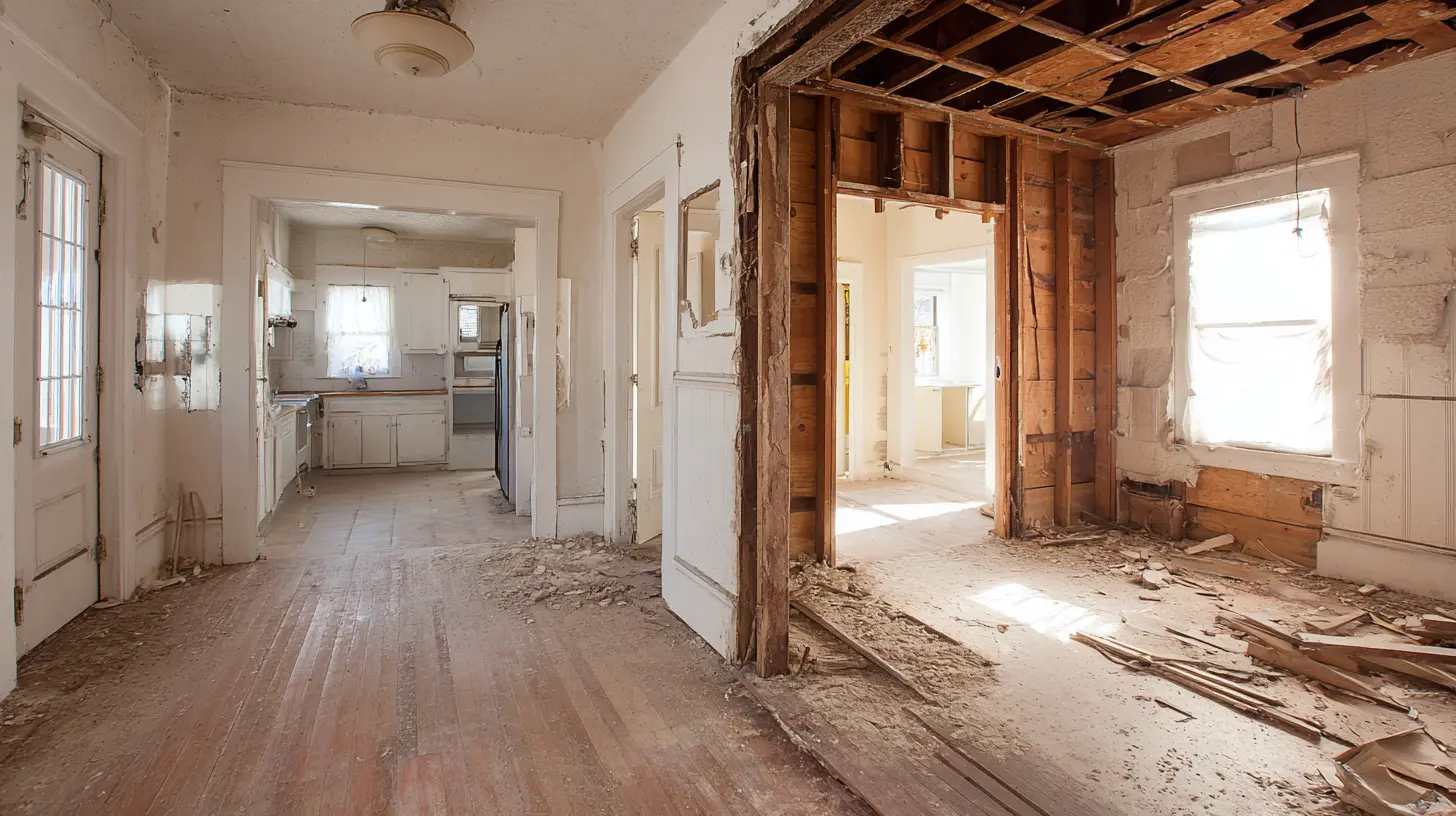
What Is a Turnkey Flip?
A turnkey property is a home that requires little to no major renovations. These properties are often in move-in-ready condition, meaning you can close the deal and list them for sale almost immediately.Pros of a Turnkey Flip
1. Faster Turnaround Time
Since you don’t have massive renovations to worry about, you can get the property on the market quickly. This means a faster payday and less stress from project delays.2. Lower Risk
With a turnkey flip, there are fewer surprises. You’re not likely to uncover major structural issues that could blow up your costs.3. Less Capital Required
Rehab projects require a hefty budget for materials and labor. With turnkey properties, your expenses are significantly reduced since you’re not overhauling the entire house.Cons of a Turnkey Flip
1. Smaller Profit Margins
Because you're not making major improvements, you're also not drastically increasing the home’s value. This means the profit margin might not be as high as you’d like.2. More Competition
Turnkey homes attract a lot of investors. Since the risks are lower, many flippers go after the same kinds of properties, making it harder to score a great deal.3. Limited Customization
Since the home is already in decent shape, you won’t have much control over its final look. Adding your personal touch to differentiate it from the competition might not be an option.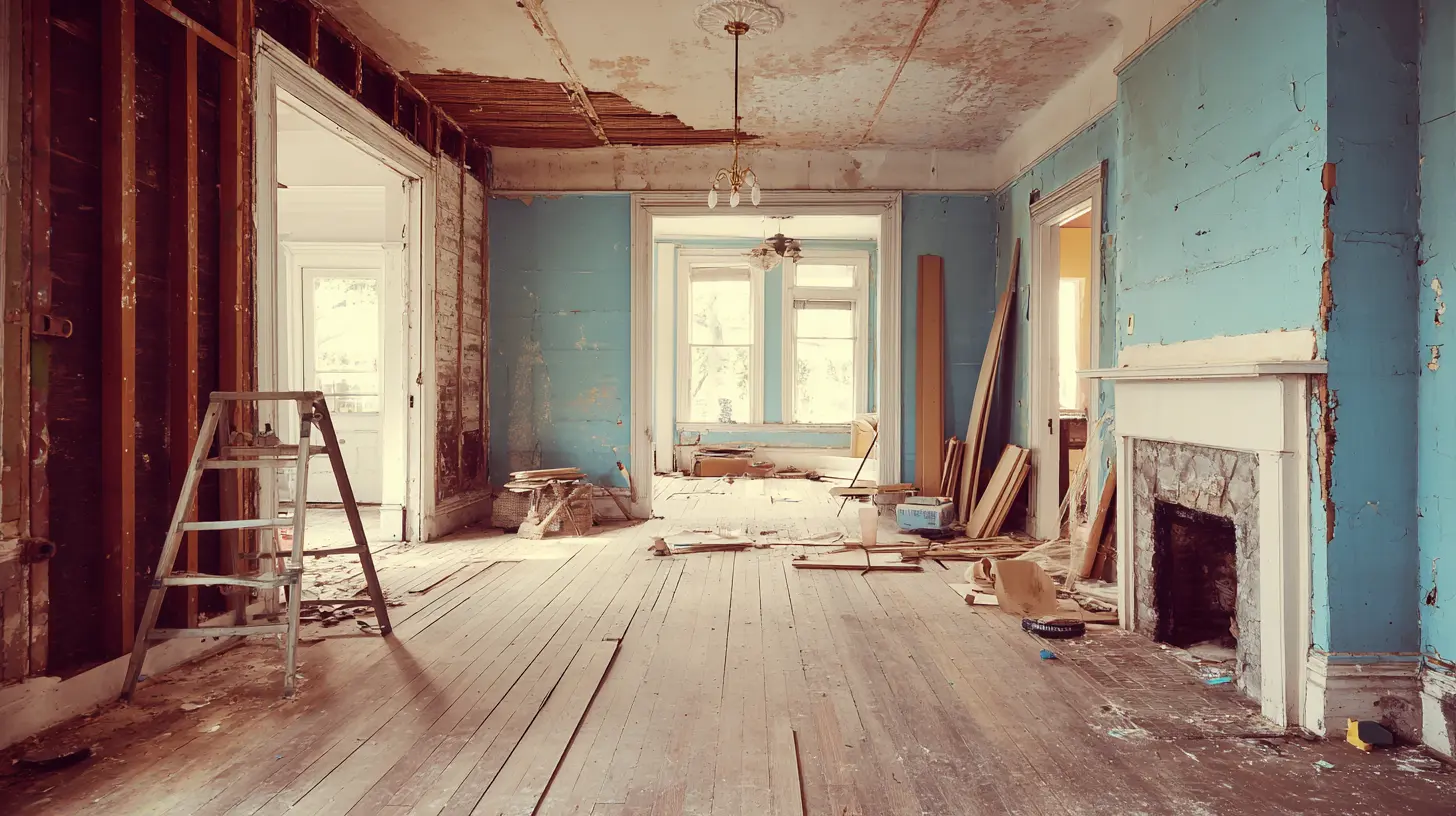
What Is a Full Rehab Flip?
A full rehab is a house that needs significant repairs and upgrades. These properties usually come at a lower purchase price but require a substantial investment in renovations.Pros of a Full Rehab Flip
1. Bigger Profit Potential
Since you're making significant improvements, you have the potential to drastically increase the home’s value. This means higher profits when done correctly.2. Less Competition
Not every investor is willing to take on a full rehab project. This gives you a competitive edge when hunting for properties.3. Complete Creative Control
With a full rehab, you get to make all the decisions—from flooring and kitchen cabinets to layout changes. This allows you to design a home that stands out in the market.Cons of a Full Rehab Flip
1. Higher Costs
A full rehab requires a larger budget. Materials, labor, permits, and unexpected repairs can quickly add up.2. Longer Timeline
Renovations take time, especially if you're dealing with structural issues, electrical rewiring, or plumbing overhauls. This means a longer wait before seeing a return on your investment.3. Greater Risk
With larger renovations come more risks. You might uncover hidden problems like mold, foundation issues, or outdated electrical systems that could blow your budget.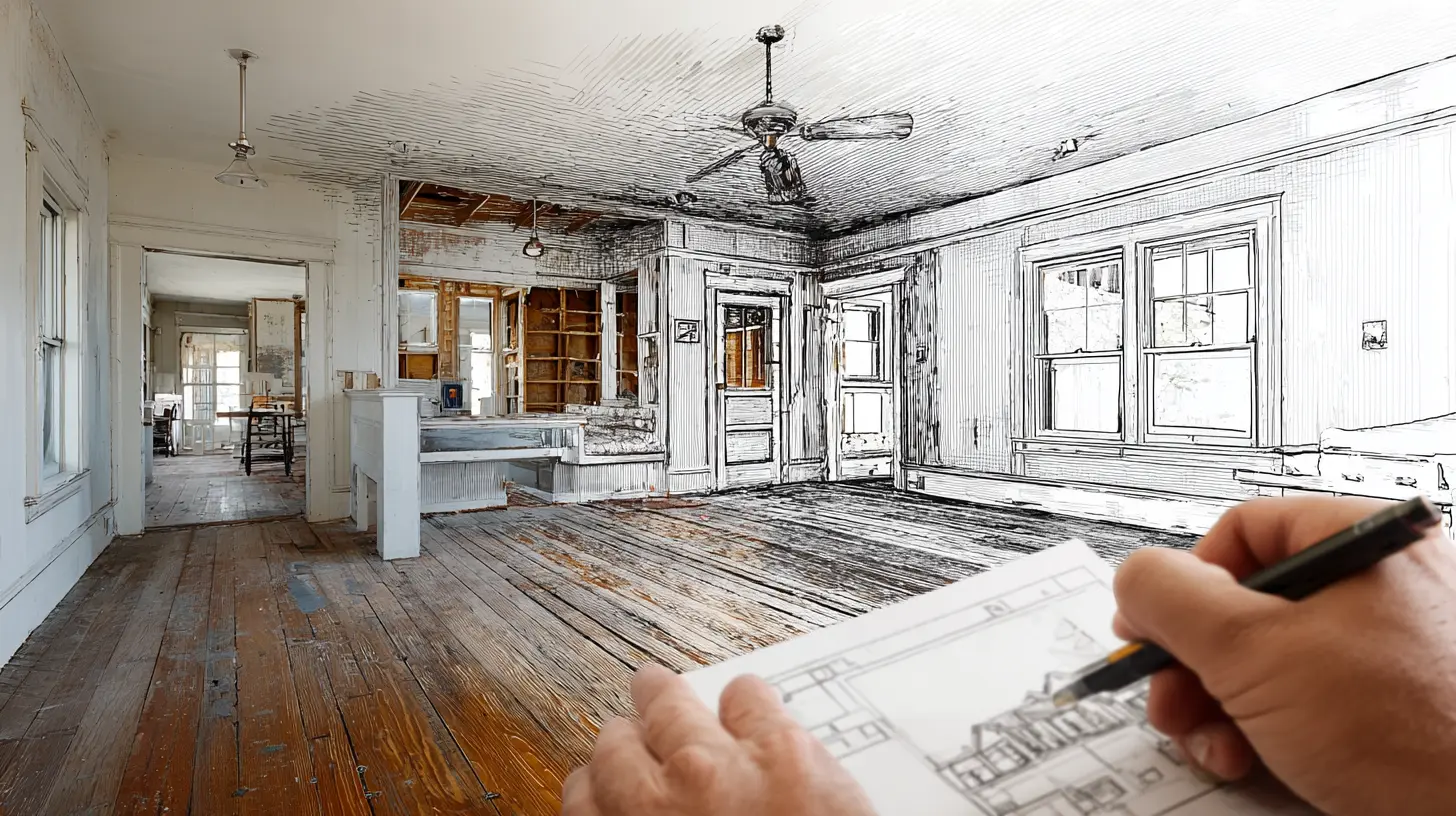
How to Decide Between Turnkey and Full Rehab
Still unsure which path to take? Consider these key factors:1. Your Experience Level
If you're new to house flipping, a turnkey property might be the safer bet. It allows you to get your feet wet without the headache of managing a full-scale renovation. However, if you're seasoned and comfortable with handling contractors and unexpected problems, a full rehab could be more rewarding.2. Your Budget
Let's be real—money is a big factor here. Turnkey properties require less upfront cash, while full rehabs demand a bigger financial commitment. Analyze your finances and decide which option aligns with your financial situation.3. Market Demand
Always research the local market before making a decision. Are buyers in your area looking for move-in-ready homes, or do they prefer fixer-uppers they can customize? Knowing what sells quickly can help you decide which type of property to invest in.4. Your Risk Tolerance
If unexpected surprises stress you out, a turnkey flip might be more up your alley. But if you're willing to take on challenges for the sake of higher profits, then a full rehab could be worth the risk.5. Time Commitment
Ask yourself: How much time do you have to dedicate to the project? If you want a quick flip with minimal involvement, go with a turnkey property. If you have time to oversee a renovation, a full rehab can be more profitable in the long run.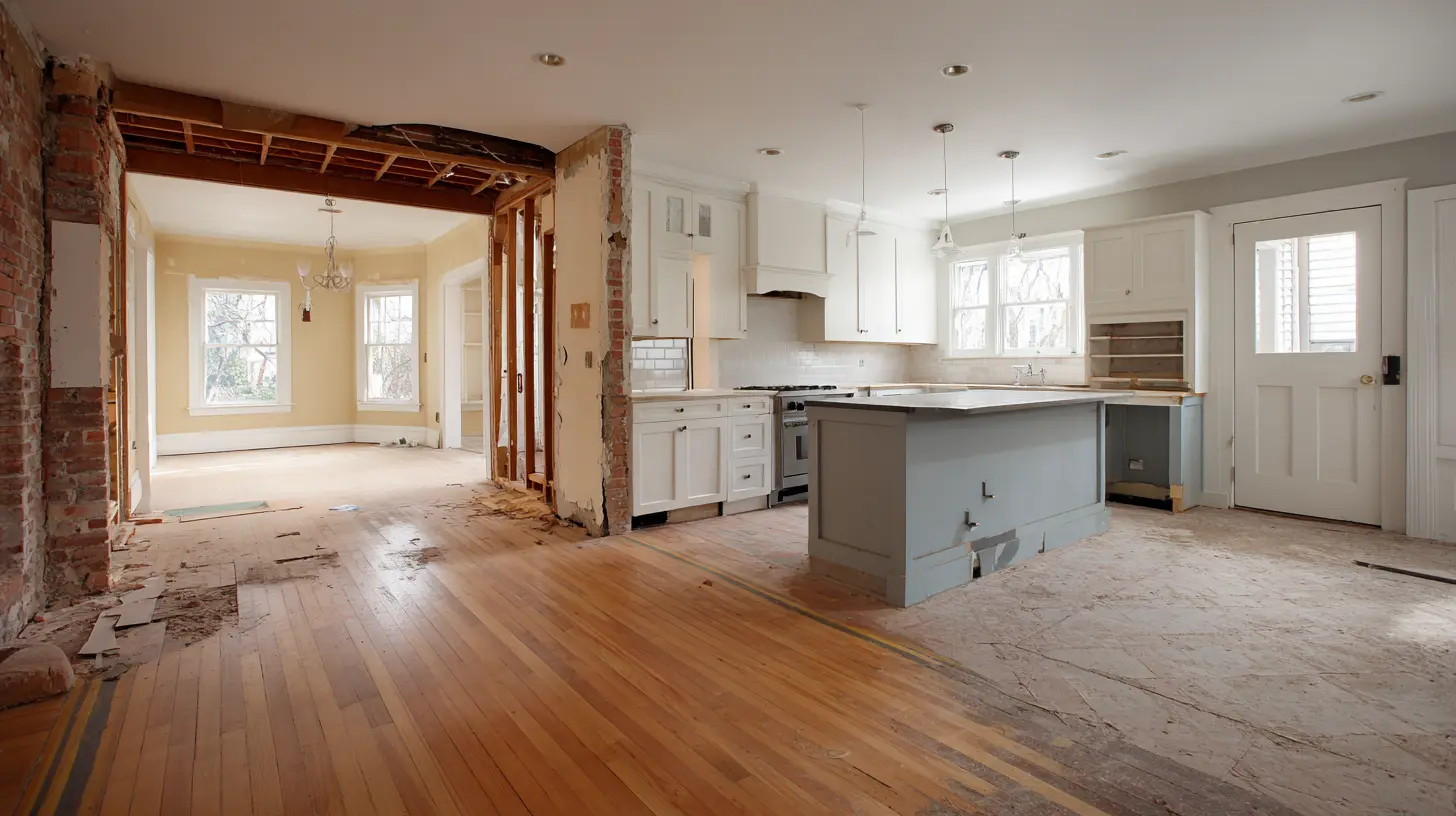
Which Option Is Best for You?
The decision between a turnkey and a full rehab ultimately depends on your goals. If you're looking for a quick, low-risk flip, a turnkey property is the way to go. But if you're in it for higher profit margins and don’t mind rolling up your sleeves, a full rehab might be your golden ticket.The Hybrid Approach
Here’s a little secret—not every flip has to be one extreme or the other. Many investors go for properties that need some renovations but aren’t complete gut jobs. This middle-ground approach gives you some profit-boosting renovations while keeping the risks manageable.Final Thoughts
At the end of the day, there’s no one-size-fits-all answer. Every investor has different goals, experience levels, and risk appetites. The key is to evaluate your financial situation, market conditions, and personal preferences before making the leap.So, what’s it going to be? Are you ready to dive into a full rehab, or is a turnkey flip more your speed? Whichever path you choose, just remember—success in house flipping is all about smart decision-making!
all images in this post were generated using AI tools
Category:
House FlippingAuthor:

Basil Horne
Discussion
rate this article
2 comments
Jace Blevins
When flipping a property, consider your budget and timeline. Turnkeys offer quick returns, while full rehabs can maximize profit but require more effort and patience.
May 24, 2026 at 4:01 AM
Basil Horne
Great point! It really comes down to balancing your goals with the resources you have. Fast returns or higher profits... choose wisely!
Zelda Peterson
Great article! Choosing between a turnkey property and a full rehab can be tough. It really depends on your budget, time, and risk tolerance. If you want something ready to go, turnkey is a winner. But if you love a good project, a full rehab might be just the adventure you need!
May 10, 2026 at 12:37 PM
Basil Horne
Thanks for your thoughts! It's definitely a balancing act between what you're ready for and what fits your goals. Glad you found the article helpful!