Trends That Are Shaping the Future of House Flipping
9 February 2026
House flipping has always been a dynamic and profitable venture, attracting real estate investors looking to turn run-down properties into dream homes—and serious profits. But like everything else, the industry is changing. What worked a decade ago might not cut it today.
New trends are shaping the future of house flipping, from technology-driven innovations to shifts in buyer behavior. If you want to stay ahead of the game, it's crucial to understand these trends and how they impact the real estate market. So, let's dive into the factors driving the evolution of house flipping in 2024 and beyond.

1. Rising Material Costs Are Changing the Game
Flipping houses isn’t just about buying low and selling high—it’s also about managing renovation costs. And if you haven't noticed, the price of building materials has skyrocketed in recent years.Lumber, concrete, and even basic fixtures now come with heftier price tags, making it tougher for flippers to stick to their budgets. This means investors are getting more creative with their renovations—prioritizing cosmetic upgrades over structural changes and sourcing materials more strategically.
What’s the takeaway? To keep profits high, many house flippers are leaning into cost-effective renovations like painting, refinishing floors, and updating fixtures instead of tackling major structural projects.

2. The Role of AI and Smart Technology
AI and smart technology are making waves in almost every industry, and real estate is no exception. Investors now use artificial intelligence to analyze market trends, estimate renovation costs, and predict potential resale values with greater accuracy.Additionally, buyers today are looking for smart homes equipped with AI-powered thermostats, security systems, and energy-efficient appliances. If you're flipping houses, integrating these features can make your property stand out in a crowded market.
Pro tip: Adding smart tech doesn’t have to break the bank. Simple installs like a smart doorbell, programmable thermostat, or keyless entry can add significant appeal to a flipped home.
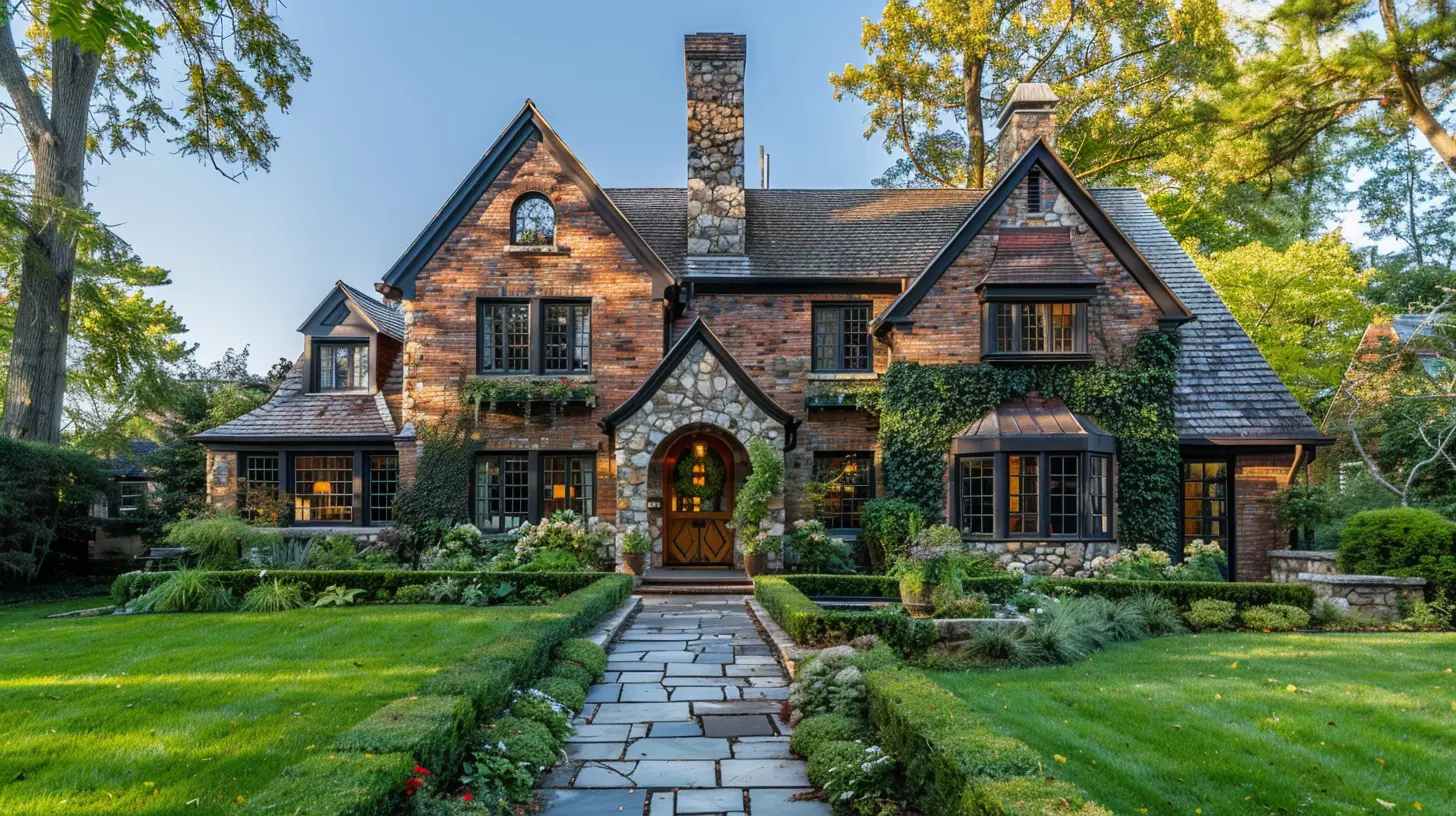
3. The Shift Toward Sustainable and Eco-Friendly Flipping
Sustainability is no longer a niche concern—it’s a major selling point. Eco-conscious buyers are willing to pay a premium for energy-efficient homes, and house flippers are taking notice.Whether it’s installing solar panels, using reclaimed wood for renovations, or upgrading to energy-efficient windows, green upgrades are becoming a must-have in modern flips. Plus, many cities offer tax incentives for eco-friendly renovations, giving flippers an additional reason to go green.
Key takeaway: If you want to future-proof your flips, start incorporating sustainable features that not only attract buyers but also reduce overall energy costs.

4. The Influence of Remote Work on Housing Preferences
The rise of remote work has completely transformed what buyers are looking for in a home. Nowadays, home offices aren’t just a luxury—they’re essential.Flippers are adapting by converting extra bedrooms, basements, or even closets into functional office spaces. Adding built-in desks, soundproofing rooms, and enhancing natural lighting can greatly increase a home’s appeal.
Pro tip: If you're flipping a property, dedicating space for a home office can make your listing far more attractive to today’s remote workers and freelancers.
5. The Rise of Virtual House Flipping
Technology has not just improved how homes are renovated; it’s also changing how they’re bought and sold. Virtual house flipping—where investors purchase, renovate, and sell properties without physically being there—is becoming increasingly popular.Thanks to virtual tours, online auctions, and digital contracts, many investors now flip homes in different cities (or even states) without ever stepping foot on the property.
Why does this matter? This trend opens up more opportunities for investors by removing geographical limitations, allowing them to target high-growth markets with better ROI.
6. Increased Competition and the Need for Niche Markets
House flipping is more competitive than ever. More people are entering the game, increasing demand for distressed properties and driving up prices. This has forced flippers to carve out niche markets to stay ahead of the curve.Some investors specialize in luxury flips, while others focus on tiny homes, multi-family units, or historic renovations. Finding your niche can give you an edge in an oversaturated market.
Bottom line? If you want to stand out, consider targeting a specific type of home that aligns with market demand and your expertise.
7. Financing Challenges and Alternative Funding Options
Traditional financing for house flipping has become more difficult as mortgage rates rise and lending standards tighten. Banks are more cautious, making it harder for investors to secure funding.In response, flippers are turning to alternative funding sources like hard money loans, crowdfunding, private lenders, and even cryptocurrency-backed investments. These financing options often come with higher interest rates, but they offer faster approvals and more flexibility.
Takeaway: If bank loans aren’t an option, exploring alternative funding might be the key to keeping your house flipping business moving forward.
8. The Popularity of Buy-Renovate-Rent Strategies
Not all flips are meant to be sold immediately. Some investors are embracing a hybrid approach—buying, renovating, and renting out their properties instead of selling right away.This strategy allows flippers to generate passive income while waiting for property values to appreciate. Given the current high mortgage rates, more buyers are opting to rent instead of purchasing, making rental properties a lucrative alternative.
Why it matters: If selling isn’t yielding the returns you expect, holding onto a property and renting it out could be a smarter long-term investment.
9. The Impact of Social Media on House Flipping
Social media has completely transformed how flippers market their properties. Nowadays, platforms like Instagram, TikTok, and YouTube showcase before-and-after transformations, attracting potential buyers and even new investors.Some house flippers have built entire brands around their projects, gaining loyal followers who trust their expertise. This not only helps with selling properties but also opens up additional revenue streams, such as brand partnerships and content monetization.
Pro tip: If you’re not already using social media to showcase your flips, now’s the time to start. High-quality photos, time-lapse videos, and DIY tutorials can help you build an engaged audience.
10. The Future of House Flipping: Adapt or Get Left Behind
The house flipping market isn’t what it used to be, and it’s not slowing down anytime soon. The key to staying profitable is adaptability.With rising costs, shifting buyer preferences, and new technological advances, flippers who embrace change will thrive—while those who resist may struggle to keep up.
Whether it’s integrating smart home features, targeting niche markets, or incorporating sustainable upgrades, staying ahead of industry trends is crucial for long-term success.
Final Thoughts
House flipping in 2024 isn’t just about quick renovations and fast sales—it’s about strategy, foresight, and innovation. The landscape is evolving, and those who stay informed and adapt accordingly will continue to see success.So, whether you're a seasoned flipper or just getting started, understanding these trends will help you maximize profits and stay ahead of the competition.
all images in this post were generated using AI tools
Category:
Property FlippingAuthor:

Basil Horne
Discussion
rate this article
2 comments
Alexia Klein
This article highlights the dynamic trends influencing house flipping, including sustainability, technology integration, and market fluctuations. Staying informed about these developments is crucial for investors looking to maximize profits and adapt to changing buyer preferences. Exciting times lie ahead for innovative flippers!
February 25, 2026 at 5:08 AM
Basil Horne
Thank you for your insightful comment! I completely agree—staying ahead of these trends is essential for successful house flipping in today's market. Exciting times indeed!
Axel Hall
As house flipping continues to evolve, key trends such as technological advancements, sustainability practices, and shifts in buyer preferences are crucial. Investors must adapt to these changes to enhance profitability and ensure successful renovations that meet market demands.
February 14, 2026 at 11:56 AM
Basil Horne
Absolutely! Adapting to technological innovations, prioritizing sustainability, and understanding buyer preferences are essential for investors to thrive in the evolving house flipping landscape.